Pachysandra Terminalis ‘Green Sheen’ (Japanese Spurge)
Pachysandra terminalis ‘Green Sheen’, commonly known as Japanese Spurge, is a resilient and attractive ground cover that has gained popularity for its lush.
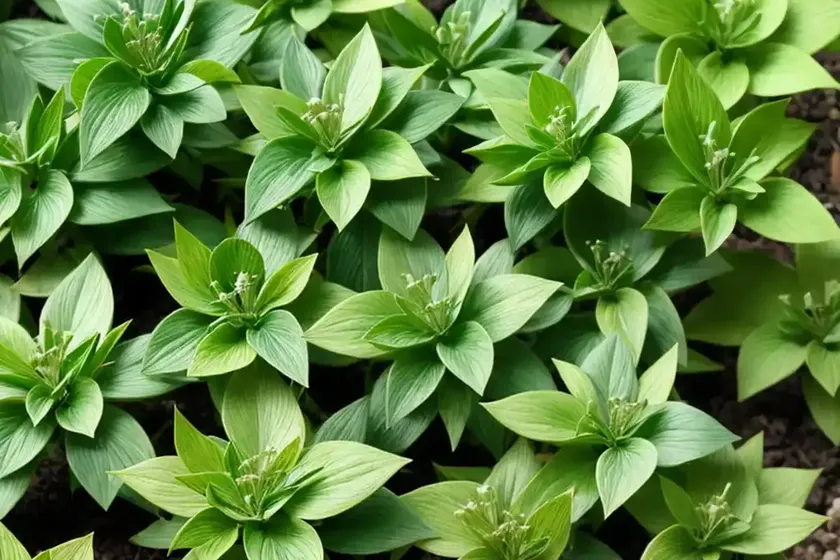
Pachysandra terminalis ‘Green Sheen’, commonly known as Japanese Spurge, is a resilient and attractive ground cover that has gained popularity for its lush and glossy foliage. This plant is renowned for its evergreen nature, making it a versatile choice for various landscape settings. In this comprehensive guide, we will delve into the culture, uses, care tips, and maintenance of Pachysandra terminalis ‘Green Sheen’. Additionally, we will explore its propagation methods, common diseases, and pests, providing a holistic understanding of this beloved plant.
Key Takeaways
Here are some key takeaways that we will explore in detail:
Plant Name
- Pachysandra Terminalis ‘Green Sheen’ (Japanese Spurge)
Culture
- Understanding the preferred growing conditions of Pachysandra terminalis ‘Green Sheen’.
Uses
- Applications and landscaping possibilities with Pachysandra terminalis ‘Green Sheen’.
Water
- Determining the water requirements for optimal growth.
Sunlight
- Identifying the sunlight needs of the plant.
Fertilizer
- The role of fertilization in maintaining the health and vigor of Pachysandra terminalis ‘Green Sheen’.
Soil
- Suitable soil conditions for cultivating this plant.
Pruning
- Techniques for proper pruning to promote its aesthetic appeal and growth.
Propagation
- Methods for propagating Pachysandra terminalis ‘Green Sheen’ to expand its presence in a garden or landscape.
Container
- Understanding the suitability of container gardening for this plant.
Popularity
- The growing popularity of Pachysandra terminalis ‘Green Sheen’ in horticulture and landscaping.
Common Diseases
- Identifying prevalent diseases that may affect this plant and their diagnosis.
Common Pests
- Recognizing common pests that could pose a threat to Pachysandra terminalis ‘Green Sheen’.
Botanist’s Tips
- Expert advice and tips from botanists for cultivating and maintaining this plant.
Fun Facts
- Interesting and lesser-known facts about Pachysandra terminalis ‘Green Sheen’.
Links to External Resources
- additional resources for further exploration and in-depth understanding of Japanese Spurge green sheen.
Now, let’s embark on a journey to explore the fascinating world of Pachysandra terminalis ‘Green Sheen’.
What is Pachysandra Terminalis ‘Green Sheen’?
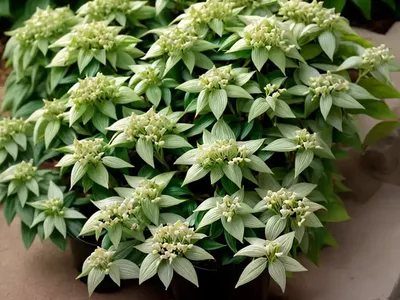
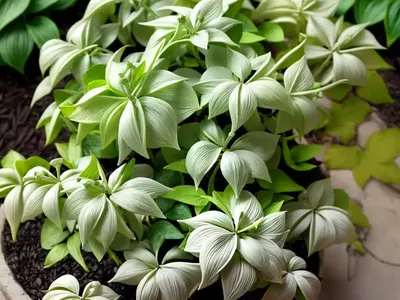
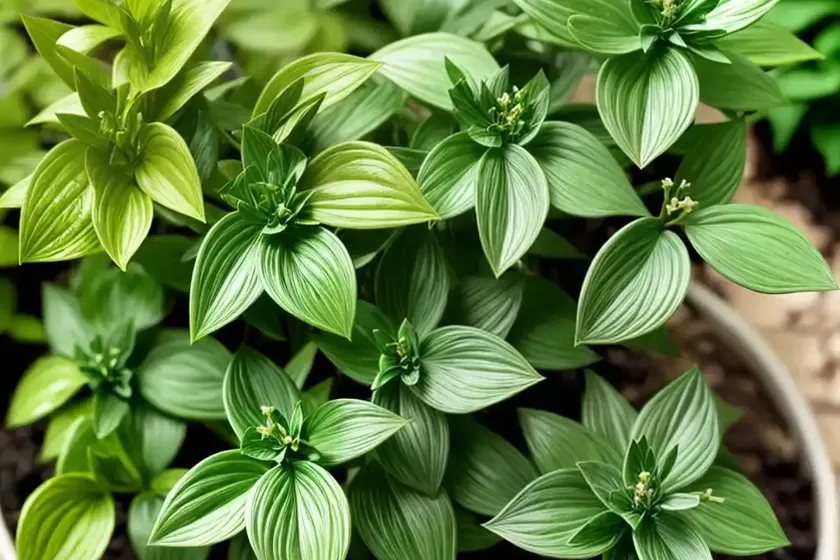
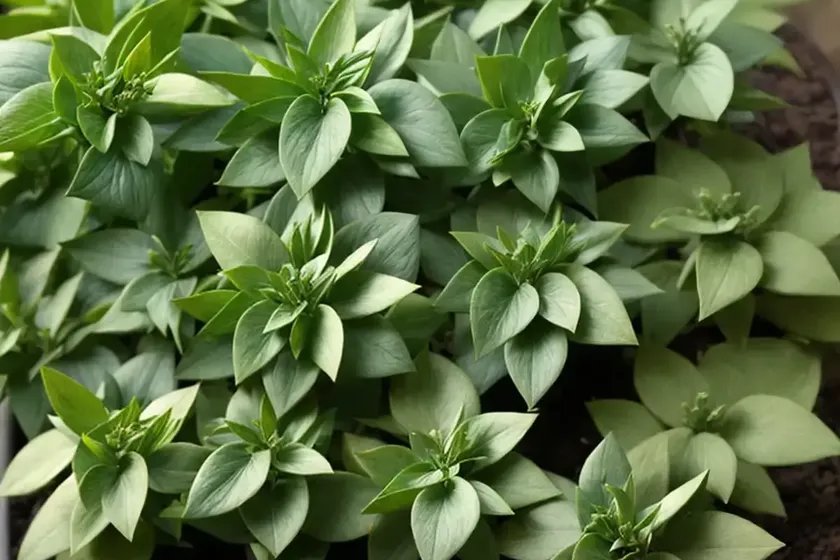
Pachysandra terminalis ‘Green Sheen’ is a cultivar of the Pachysandra terminalis plant, commonly referred to as Japanese Spurge. It is a low-growing evergreen perennial that belongs to the Buxaceae family. Native to Japan and China, Pachysandra terminalis ‘Green Sheen’ is celebrated for its glossy, deep green foliage and its ability to thrive in shaded areas, making it an excellent choice for ground cover in gardens and landscapes.
The ‘Green Sheen’ variety is particularly sought after for its lustrous leaves, which exhibit a distinctive shine and maintain their vibrant color throughout the year. This attribute adds a touch of elegance and charm to any outdoor setting. Its resilience, low-maintenance nature, and adaptability to various growing conditions have contributed to its widespread use in landscaping and horticulture.
Pachysandra terminalis ‘Green Sheen’ serves as an exceptional option for creating lush carpets of greenery in shaded areas, under trees, or as edging along pathways. Its ability to form dense mats of foliage effectively suppresses weed growth, making it a practical and visually appealing choice for both home gardens and larger-scale landscaping projects.
Uses
Landscape Applications
The versatility and aesthetic appeal of Pachysandra terminalis ‘Green Sheen’ make it a popular choice for a wide range of landscaping applications. Some of its uses include:
– Ground Cover: The low-growing nature of this plant, along with its dense and glossy foliage, makes it an excellent ground cover option for shaded areas. It creates a uniform carpet of greenery that adds visual interest and suppresses weed growth.
– Border Plantings: Pachysandra terminalis ‘Green Sheen’ can be used to delineate garden beds, pathways, or borders. Its neatly arranged foliage provides a tidy and defined edge to various landscape elements.
– Erosion Control: Due to its ability to form dense mats of roots and foliage, this plant is effective in preventing soil erosion on slopes or in areas with runoff.
– Woodland Gardens: Its preference for shaded conditions makes it a suitable choice for woodland gardens, where it can thrive under the canopy of trees or in dappled shade.
Container Gardening
While Pachysandra terminalis ‘Green Sheen’ is often employed as a ground cover, it can also be cultivated in containers, adding a touch of greenery to shaded patios, balconies, or outdoor living spaces. Its low-maintenance nature and tolerance for shade make it a convenient option for container gardening in areas with limited sunlight.
Erosion Control
This species grows and spreads out each year via rhizomes, which also act as a natural mesh to bind soil and prevent its erosion. Japanese Spurge can consequently be very effective in preventing soil erosion and protecting slopes or areas with runoff.
Japanese Spurge Green Sheen as Wildlife Habitat
One of the most noteworthy uses of the Pachysandra terminalis cultivar Green Sheen is its potential to serve as a habitat for wildlife. Its dense, low-growing foliage can provide cover and refuge for small animals, birds, and beneficial insects. Additionally, the flowers of Pachysandra terminalis ‘Green Sheen’ may attract pollinators like bees and butterflies, contributing to the biodiversity of the surrounding environment.
Japanese Spurge Green Sheen in Urban Landscapes
The adaptability and low-maintenance requirements of Pachysandra terminalis ‘Green Sheen’ make it an excellent choice for urban landscapes, where shaded areas may be prevalent. Whether used as ground cover in parks, alongside walkways, or in urban gardens, this plant can enhance the greenery and aesthetic appeal of urban environments.
Japanese Spurge Green Sheen for Medicinal Purposes
Pachysandra terminalis has a history of use in traditional medicine, although the Green Sheen variety is primarily valued for its ornamental qualities. However, its traditional uses have included treatments for skin conditions and as a diuretic. It’s always essential to consult with a medical professional before using any plant for medicinal purposes.
Japanese Spurge Green Sheen’s Folklore and Symbolism
Throughout history, plants have been associated with various folklore and symbolic meanings. While Pachysandra terminalis ‘Green Sheen’ may not boast an extensive folklore, it holds cultural significance as a symbol of resilience and adaptability. Its ability to thrive in shaded conditions and its evergreen nature have contributed to its symbolism as a representation of endurance and perseverance.
While the primary appeal of Pachysandra terminalis ‘Green Sheen’ lies in its ornamental value, its multifaceted uses and contributions to the ecological landscape make it a valuable addition to any garden or landscape project.
Japanese Spurge Green Sheen typically prefers consistently moist but well-drained soil. During the establishment phase, it is particularly crucial to ensure regular watering to promote healthy root development. Adequate moisture is especially vital for this plant during periods of dry weather. While it thrives in moist conditions, it’s important to prevent waterlogging, as excessively wet soil can lead to root rot and other issues. A layer of organic mulch can help retain soil moisture and reduce the frequency of watering, especially in drier climates or during the summer months.
Pachysandra terminalis ‘Green Sheen’ is well-known for its ability to thrive in shaded conditions, making it an ideal option for areas with minimal direct sunlight. Partial to full shade is typically recommended for this plant, as exposure to intense sunlight can lead to leaf scorch and diminished growth. Its adaptability to shaded environments makes it a valuable addition to landscapes with limited sun exposure, such as woodland gardens, under the canopies of trees, or along the north-facing sides of buildings.
While it exhibits a preference for shade, it’s important to note that some exposure to dappled sunlight can be beneficial for maintaining the vibrancy of its foliage. Areas with filtered or indirect light can support healthy growth and lush, glossy leaves. Understanding the specific sunlight requirements of Pachysandra terminalis ‘Green Sheen’ is essential for creating optimal growing conditions and ensuring the longevity of this plant in a landscape setting.
When it comes to fertilizing Pachysandra terminalis ‘Green Sheen’, it’s important to choose a balanced, slow-release fertilizer that provides essential nutrients for its growth and development. Because this plant is often cultivated as a ground cover, it may benefit from a consistent feeding schedule to maintain its vigor and lush appearance. A balanced fertilizer with a formulation such as 10-10-10 or 10-8-6 can support healthy foliage and overall plant health.
Fertilization can be applied in early spring, as this is a period of active growth for Pachysandra terminalis ‘Green Sheen’. Following the application of fertilizer, it’s important to water the plant thoroughly to promote the distribution of nutrients throughout the soil and root system. It’s advisable to follow the manufacturer’s instructions for the specific fertilizer product being used, as over-fertilization can lead to adverse effects on the plant’s health.
Pachysandra terminalis ‘Green Sheen’ thrives in well-drained, organic-rich soil with a slightly acidic to neutral pH range. The ideal soil composition for this plant is loamy and moisture-retentive, providing a conducive environment for root development and overall growth. While Japanese Spurge Green Sheen can tolerate a range of soil types, it performs best in soils that are consistently moist without being waterlogged.
The addition of organic matter, such as compost or well-rotted leaf mold, can improve the texture and nutrient content of the soil, enhancing its suitability for cultivating Japanese Spurge Green Sheen. Organic amendments can also contribute to the retention of moisture and the promotion of a healthy soil microorganism community, supporting the long-term vitality of this plant.
For optimum performance, it’s recommended to prepare the planting area by incorporating organic matter into the soil and ensuring proper drainage for water to percolate effectively. Understanding the soil requirements of Pachysandra terminalis ‘Green Sheen’ is essential for establishing a thriving and resilient presence of this plant within a landscape setting.
Proper pruning plays a vital role in maintaining the aesthetic appeal and health of Pachysandra terminalis ‘Green Sheen’. Regular pruning can help manage its growth, rejuvenate the foliage, and promote a denser, more compact habit. Here are some essential pruning techniques and considerations for this plant:
Spring Pruning
In early spring, once the threat of frost has passed, it is advisable to inspect the plant for any dead or damaged foliage and remove them carefully. This can help promote air circulation and prevent the spread of diseases and pests. Additionally, spring pruning provides an opportunity to shape the plant and remove any leggy or straggly growth, enhancing its overall appearance.
Annual Trimming
A yearly trim in late spring or early summer can help control the spread of Pachysandra terminalis ‘Green Sheen’ and maintain its desired size. Trimming back the new growth by a few inches can encourage bushier, more compact growth and prevent the plant from becoming overly invasive in the landscape. It’s important to use sharp, clean pruning tools to minimize stress and damage to the plant during the pruning process.
Rejuvenation Pruning
In cases where the plant has become overly dense or exhibits declining vigor, rejuvenation pruning may be necessary. This involves cutting back the entire plant to a few inches above the soil level, providing a fresh start for new growth. Rejuvenation pruning is typically performed in early spring and can revitalize the plant, leading to a renewed and healthier appearance.
Considerations
When pruning Pachysandra terminalis ‘Green Sheen’, it’s important to consider the specific growth habits and requirements of this plant. Ensuring that the pruning cuts are made at a slight angle and above a set of healthy leaves can contribute to a tidy and aesthetically pleasing result. Additionally, proper cleanup and disposal of pruned foliage can prevent the accumulation of debris and potential disease issues.
By employing appropriate pruning techniques and timing, it is possible to enhance the visual appeal and compact growth of Pachysandra terminalis ‘Green Sheen’, ensuring its optimal performance within a landscape or garden setting.
Propagating Pachysandra terminalis ‘Green Sheen’ can be achieved through several methods, allowing for the expansion of its presence within a garden or landscape. Here are some common propagation techniques for this plant:
Division
Division is a straightforward and commonly used method for propagating Pachysandra terminalis ‘Green Sheen’. This process involves carefully digging up an established plant and dividing its root mass into smaller sections, each containing viable roots and shoots. These divisions can then be replanted in suitable locations, where they can establish and develop into independent plants.
stem Cuttings
Propagating Pachysandra terminalis ‘Green Sheen’ using stem cuttings can be an effective way to create new plants with genetic consistency to the parent plant. The process involves taking cuttings from healthy, non-flowering stems and rooting them in a suitable rooting medium. With proper care and environmental conditions, the cuttings can develop roots and transition into independent plants that mirror the characteristics of the parent plant.
Seed Propagation
While Pachysandra terminalis ‘Green Sheen’ can produce seeds, the propagation of this plant from seed may be less common due to the variability of offspring and the time required for them to reach maturity. However, for those interested in growing this plant from seed, collecting mature seeds and sowing them in a moist, well-draining seed-starting mix can initiate the germination process. As the seedlings develop, they can be transplanted to larger containers or directly into the garden to continue their growth.
Propagation Considerations
When propagating Pachysandra terminalis ‘Green Sheen’, it’s important to maintain consistent moisture and appropriate environmental conditions to support the development of new plants. Providing a suitable rooting medium for stem cuttings and divisions, as well as ensuring protection from extreme temperatures and direct sunlight, can facilitate successful propagation.
Understanding the various propagation methods and their respective requirements can empower gardeners and horticulturists to expand the presence of Pachysandra terminalis ‘Green Sheen’ within their landscapes and horticultural projects.
Pachysandra terminalis ‘Green Sheen’ is well-suited for container gardening, offering an attractive and low-maintenance option for shaded patios, balconies, and outdoor living spaces. When cultivating this plant in containers, several considerations can contribute to its successful growth and overall performance:
Container Size and Structure
Selecting appropriately sized containers with adequate drainage holes is essential for cultivating Pachysandra terminalis ‘Green Sheen’. The size of the container should accommodate the root system of the plant, allowing for ample room for root development and growth. Additionally, utilizing containers made from materials that insulate against extreme temperature fluctuations can provide a stable and conducive environment for the plant.
Potting Mix
Choosing a well-draining, moisture-retentive potting mix is crucial for container-grown Pachysandra terminalis ‘Green Sheen’. A mix that consists of organic matter, such as peat moss or compost, can provide the necessary nutrients and optimal texture for root development. Avoiding compacted or waterlogged soil is essential for maintaining the health and vitality of the plant in a container setting.
Watering and Maintenance
Container-grown plants generally require more frequent watering than those planted directly in the ground. Regular monitoring of soil moisture and ensuring consistent, but not excessive, watering can support the health and growth of Pachysandra terminalis ‘Green Sheen’ in containers. Additionally, periodic fertilization with a balanced, slow-release fertilizer can help provide essential nutrients for the plant’s development.
Sunlight Considerations
While Pachysandra terminalis ‘Green Sheen’ thrives in shaded environments, it’s important to position container-grown plants in areas that receive filtered or indirect light. Balconies, patios, or outdoor spaces with partial shade can provide suitable conditions for the plant to flourish in a container setting.
Overwintering
In regions with cold winters, container-grown Pachysandra terminalis ‘Green Sheen’ may require additional protection during the colder months. Placing the containers in sheltered areas or providing insulation around the pots can help safeguard the plant from the effects of freezing temperatures.
Embracing container gardening with Pachysandra terminalis ‘Green Sheen’ presents an opportunity to introduce this resilient and visually striking plant to shaded areas within a variety of outdoor spaces. Understanding the specific considerations for container cultivation can contribute to the successful integration of this plant into container garden designs.
Pachysandra terminalis ‘Green Sheen’ has gained significant popularity in horticulture and landscaping due to its versatility, resilience, and aesthetic appeal. As a ground cover option, it has become a sought-after choice for a myriad of landscape applications. The following factors contribute to the increasing popularity of this plant:
Evergreen Nature
One of the most appealing characteristics of Pachysandra terminalis ‘Green Sheen’ is its evergreen foliage, which maintains its vibrant color throughout the year. This feature provides year-round visual interest, making it a valuable addition to landscapes that seek consistent greenery.
Low-Maintenance
Japanese Spurge Green Sheen’s low-maintenance requirements, particularly in shaded environments, have contributed to its popularity. Its ability to thrive with minimal intervention and its capacity to suppress weed growth make it an attractive option for gardens and landscapes that prioritize ease of care.
Adaptability to Shade
In landscapes with shaded or partially shaded areas, the adaptability of Pachysandra terminalis ‘Green Sheen’ makes it a versatile and practical choice. Its ability to thrive where other plants may struggle has led to its widespread use in various landscape settings, including woodland gardens, under trees, and along building foundations.
Visual Appeal
The glossy, deep green foliage of Pachysandra terminalis ‘Green Sheen’ enhances the aesthetic appeal of landscapes, contributing to its popularity as a ground cover. Its ability to form dense mats of foliage and its lustrous appearance add a touch of elegance to outdoor spaces.
Weed Suppressant
As a dense and vigorous ground cover, Japanese Spurge Green Sheen effectively suppresses weed growth, reducing the need for extensive weed management. This attribute has made it a practical and visually appealing solution for landscapes that require effective weed control.
Erosion Control
The ability of Pachysandra terminalis ‘Green Sheen’ to spread and form cohesive mats of foliage aids in preventing soil erosion, particularly on slopes and in areas susceptible to runoff. Its erosion control capabilities have contributed to its popularity in landscaping projects with soil stabilization requirements.
Urban Landscapes
In urban environments with shaded areas or limited sunlight, the adaptability and resilience of Pachysandra terminalis ‘Green Sheen’ have made it a favored choice. Its suitability for urban landscapes, including parks, walkways, and public gardens, has bolstered its popularity in settings with shaded conditions.
The growing popularity of Pachysandra terminalis ‘Green Sheen’ in horticulture and landscaping reflects its versatility, aesthetic appeal, and practicality in various landscape applications