Parthenocissus Quinquefolia (Virginia Creeper)
Parthenocissus quinquefolia, commonly known as Virginia creeper, is a climbing vine native to eastern and central North America. It belongs to the Vitaceae.
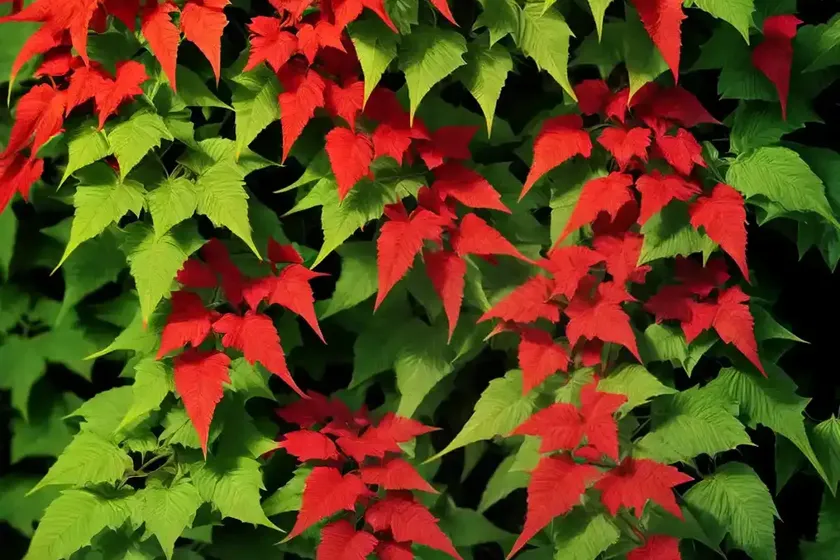
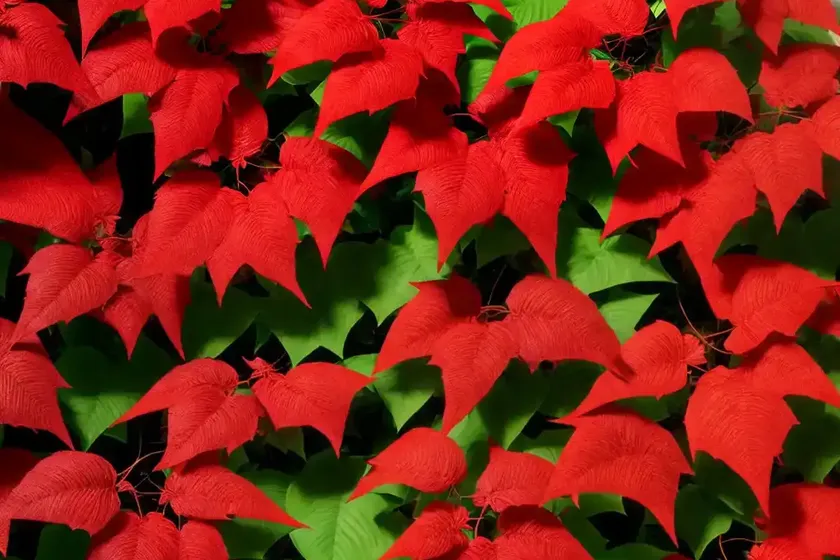
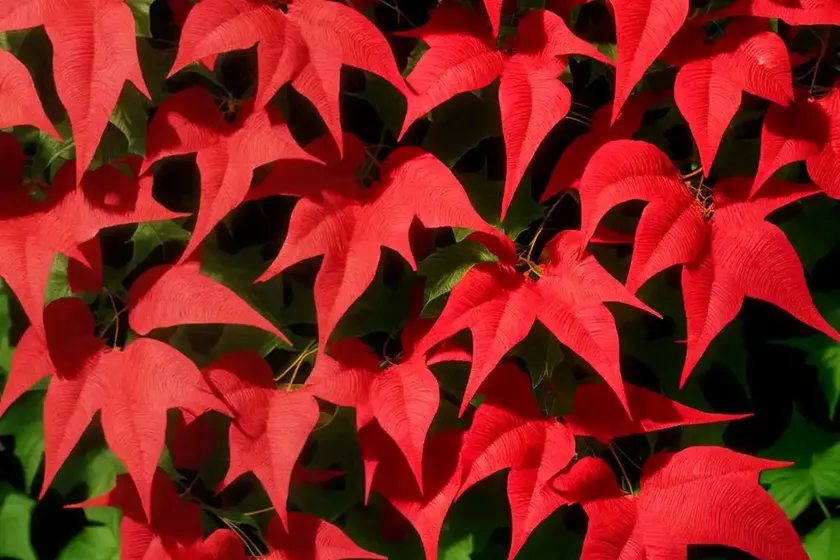
Parthenocissus quinquefolia, commonly known as Virginia creeper, is a climbing vine native to eastern and central North America. It belongs to the Vitaceae family, which also includes grapevines. Virginia creeper is prized for its stunning foliage and is a popular choice for covering walls, arbors, and fences. In this comprehensive guide, we will delve into various aspects of this fascinating plant, including its culture, uses, care tips, propagation, pests, diseases, and much more.
What is Parthenocissus Quinquefolia (Virginia Creeper)?
Parthenocissus quinquefolia is a deciduous woody vine that is known for its vigorous growth and vibrant foliage. It is called “Virginia creeper” due to its ability to “creep” or spread over surfaces. The plant’s botanical name, Parthenocissus quinquefolia, is derived from the Greek words “parthenos,” meaning virgin, and “kissos,” meaning ivy, and the Latin word “quinquefolia,” which refers to the plant’s five-lobed leaf structure.
Virginia creeper is characterized by its palmately compound leaves, each consisting of five leaflets, which turn a brilliant crimson in the fall. The vine produces small greenish flowers in the spring, followed by clusters of dark blue or black berries, which are a valuable food source for birds. While its fruits are toxic to humans, Virginia creeper is a valuable plant for wildlife, providing shelter and food for various bird species.
Key Takeaways – Parthenocissus quinquefolia (Virginia Creeper)
Before we proceed to explore the various aspects of Virginia creeper, let’s highlight some key takeaways about this remarkable plant:
- Scientific Name: Parthenocissus quinquefolia
- Common Name: Virginia Creeper
- Family: Vitaceae
- Native Range: Eastern and central North America
- Foliage: Palmately compound leaves with five leaflets
- Fruit: Dark blue or black berries
- Climbing Habit: Clings to surfaces via adhesive tendrils
- Wildlife Value: Provides food and shelter for birds
- Notable Feature: Brilliant crimson fall foliage
Now that we have an overview of Parthenocissus quinquefolia, let’s delve deeper into its culture, uses, and care requirements.
Culture
Cultivating Parthenocissus quinquefolia successfully requires an understanding of its specific cultural needs. From water and sunlight requirements to soil preferences and fertilizer applications, providing the right conditions is essential for the plant’s health and vigor.
Uses
Parthenocissus quinquefolia is valued for its versatile uses in landscaping and gardening. Here are some common uses of Virginia creeper:
- Wall Cover: Virginia creeper is often used to cover walls, fences, and other vertical structures, adding a touch of natural beauty to architectural features.
- Arbors and Trellises: The vine’s climbing habit makes it ideal for adorning arbors, trellises, and pergolas, providing vertical interest and shade.
- Wildlife Gardens: Virginia creeper is a valuable addition to wildlife gardens, attracting birds with its berries and offering nesting sites and shelter.
The plant’s adaptability to various growing conditions and its aesthetic appeal make it a popular choice for both residential and commercial landscaping.
Water
Proper watering is crucial for the health and vitality of Parthenocissus quinquefolia. While the plant is relatively drought-tolerant once established, consistent moisture is essential during its initial establishment period. Here are some key considerations for watering Virginia creeper:
- Establishment Phase: Newly planted Virginia creeper should be watered regularly to promote root establishment and growth.
- Mature Plants: Once established, Virginia creeper generally requires minimal supplemental watering, except during prolonged dry spells.
- Soil Moisture: Well-draining soil is important to prevent waterlogging, which can be detrimental to the plant’s health.
Sunlight
Proper sunlight exposure is essential for maximizing the growth and ornamental qualities of Parthenocissus quinquefolia. Understanding its sunlight requirements is critical for selecting the ideal planting location and ensuring its optimal development. Here are some guidelines for providing the right amount of sunlight to Virginia creeper:
- Full Sun to Part Shade: Virginia creeper thrives in a wide range of light conditions, from full sun to partial shade. However, it tends to exhibit the most vibrant fall color in full sun.
- Eastern or Northern Exposure: Planting Virginia creeper on a north or east-facing wall or structure can provide the ideal balance of sunlight and shade.
Fertilizer
While Virginia creeper is not particularly demanding when it comes to fertilization, providing some nutrients can support its growth and overall vigor. Here are some recommendations for fertilizing Parthenocissus quinquefolia:
- Slow-Release Fertilizer: Applying a balanced, slow-release fertilizer in spring can provide the necessary nutrients for healthy growth.
- Organic Amendments: Incorporating organic matter into the soil during planting can enhance soil fertility and contribute to the long-term health of the plant.
Soil
Understanding the soil preferences of Parthenocissus quinquefolia is essential for creating an optimal growing environment. Here are some key considerations for soil and planting site selection:
- Well-Drained Soil: Virginia creeper prefers well-drained soil to prevent waterlogged conditions, which can lead to root rot.
- pH Range: The plant thrives in a slightly acidic to slightly alkaline soil pH range of 6.0 to 7.5.
- Soil Amendments: Incorporating organic matter, such as compost or well-rotted manure, can improve soil structure and fertility.
Pruning
Proper pruning is important for maintaining the health, appearance, and manageability of Parthenocissus quinquefolia. Understanding the best pruning practices can help you achieve the desired growth and aesthetic outcomes. Here are some key considerations for pruning Virginia creeper:
- Annual Pruning: Virginia creeper benefits from regular pruning to control its growth and shape. Pruning is typically done in late winter or early spring while the vine is dormant.
- Thinning Out: Removing excessive growth and thinning out the vine can improve air circulation and reduce the risk of disease.
- Pruning Technique: Prune Virginia creeper back to a strong bud or lateral shoot, and remove any dead or damaged wood.
Propagation
Propagating Parthenocissus quinquefolia allows you to expand your plant collection and share this remarkable vine with others. Here are some common methods for propagating Virginia creeper:
- Seeds: Collecting and sowing seeds from ripe berries in the fall can be a rewarding way to propagate Virginia creeper.
- Cuttings: Taking hardwood cuttings in late winter and early spring can yield new plants with the same desirable traits as the parent vine.
- Layering: Encouraging aerial roots to root into the soil by layering a long stem of Virginia creeper can result in a new plant that is genetically identical to the parent.
Container Popularity
While Virginia creeper is best known for its role as a vigorous climbing vine, it can also be grown in containers, making it a versatile option for various gardening scenarios. Here are some reasons for the popularity of Parthenocissus quinquefolia in containers:
- Vertical Interest: Virginia creeper can be trained to climb trellises or other structures in containers, adding height and visual impact to outdoor spaces.
- Space Constraints: For those with limited garden space or no available ground for planting, growing Virginia creeper in containers offers a solution to enjoy its beauty.
- Portability: Container-grown Virginia creeper can be moved to different locations to provide screening or create privacy as needed.
Common Diseases
While Parthenocissus quinquefolia is generally resistant to most pests and diseases, it is important to be aware of potential issues that may affect its health. Here are some common diseases that may impact Virginia creeper:
Powdery Mildew (Erysiphe necator): This fungal disease can cause a white powdery growth on the leaves of Virginia creeper, potentially leading to leaf distortion and premature leaf drop.
Leaf Spot: Several fungal pathogens can cause leaf spot on Virginia creeper, resulting in dark lesions on the foliage and potential defoliation.
Disease Diagnosis
Diagnosing and addressing potential diseases affecting Parthenocissus quinquefolia is essential for maintaining the plant’s health and preventing widespread issues. Here are some steps for diagnosing and managing diseases in Virginia creeper:
- Visual Inspection: Carefully examine the foliage for any abnormal discoloration, growths, or lesions, and note any associated symptoms.
- Professional Consultation: If you suspect a disease issue, consider seeking the advice of a horticulture professional or plant diagnostic clinic for accurate diagnosis and treatment recommendations.
Common Pests
While Virginia creeper is generally resistant to most pests, it can occasionally encounter pest-related challenges. Here are some common pests that may affect Parthenocissus quinquefolia:
Japanese Beetles (Popillia japonica): These voracious feeders can skeletonize the leaves of Virginia creeper, causing significant damage, especially in high beetle population years.
Caterpillars: Certain caterpillar species, such as the Virginia creeper sphinx moth caterpillar, may feed on the foliage, leading to defoliation if present in significant numbers.
Botanist’s Tips
As a plant scientist and botanist specializing in vine species, I have observed and studied Parthenocissus quinquefolia in various settings, and I have gathered some valuable tips for those interested in growing and caring for Virginia creeper. Here are some botanist’s tips for cultivating and appreciating this remarkable plant:
- Enhance Wildlife Habitat: Recognize the ecological value of Virginia creeper as a provider of food and shelter for birds and incorporate it into wildlife-friendly landscapes.
- Support Structure Selection: When planning to grow Virginia creeper on a support structure, consider the strength and durability of the structure to accommodate the vine’s vigorous growth and adhesive tendrils.
- Pruning for Aesthetics: Use selective pruning to shape Virginia creeper and highlight its natural beauty, especially during the fall season when the foliage turns a striking crimson color.
- Avoid Planting Near Sensitive Areas: Due to its vigorous growth habit, it’s advisable to avoid planting Virginia creeper near sensitive areas or structures where its growth could cause potential damage.
Fun Facts
As we explore the multifaceted world of Parthenocissus quinquefolia, it’s intriguing to uncover some fun and fascinating facts about this captivating vine. Here are some fun facts about Virginia creeper:
- Autumn Splendor: Virginia creeper is renowned for its stunning fall foliage, which transitions from vibrant green to shades of red, orange, and purple, creating a breathtaking display.
- Adhesive Tendrils: The vine’s tendrils secrete a natural adhesive that allows it to cling to surfaces without invasive root structures, making it a non-invasive climbing plant.
- Bird Magnet: Virginia creeper’s berries are a favorite food source for many bird species, contributing to the plant’s value in wildlife habitats.
- Historical Uses: Native American tribes used Virginia creeper in various ways, including utilizing its sap as a dye and employing the plant for medicinal purposes.
With these fun facts in mind, we gain a deeper appreciation for the unique characteristics and ecological contributions of Parthenocissus quinquefolia.
Links to External Resources
For additional information and resources on Parthenocissus quinquefolia, Virginia creeper, and related topics, consider exploring the following links:
As you delve into these external resources, you can expand your knowledge and appreciation for Virginia creeper while accessing valuable insights from reputable sources.
In conclusion, Parthenocissus quinquefolia, or Virginia creeper, offers a wealth of ornamental, ecological, and cultural attributes that make it a cherished plant in horticulture. Its adaptability, wildlife value, and aesthetic appeal contribute to its enduring popularity among gardeners, landscapers, and nature enthusiasts. Whether adorning a wall with its vibrant foliage or providing essential resources for wildlife, Virginia creeper continues to captivate and inspire those who engage with its natural splendor. By understanding its culture, uses, care requirements, and ecological significance, we can cultivate a deeper connection with this remarkable vine and celebrate its contributions to our natural world.


