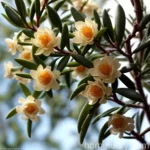
Osmanthus heterophyllus ‘Goshiki’ (Holly Osmanthus): A Beautiful and Versatile Garden Plant
Introduction
Osmanthus heterophyllus ‘Goshiki’, commonly known as Holly Osmanthus, is a stunning evergreen shrub renowned for its variegated foliage and sweetly scented flowers. This plant belongs to the family Oleaceae and is native to East Asia, primarily Japan and China. Its ornamental appeal and low maintenance requirements make it a popular choice for garden landscapes and container gardening. In this article, we will delve into the various aspects of cultivating and caring for Osmanthus heterophyllus ‘Goshiki’, including its cultural requirements, uses, propagation, and potential diseases and pests. Moreover, we will explore some interesting facts and tips for successful cultivation, making it an informative guide for both novice and experienced gardeners.
What is Plant: Osmanthus heterophyllus ‘Goshiki’
Osmanthus heterophyllus ‘Goshiki’ is a cultivar of Osmanthus heterophyllus, which translates to “variegated-leaf holly osmanthus.” This striking evergreen shrub is cherished for its unique variegated foliage, which exhibits a blend of colors including cream, yellow, and shades of green. Its finely toothed leaves create a dense, compact growth habit, making it an ideal choice for hedges, borders, or standalone ornamental plantings.
Key Takeaways – Osmanthus heterophyllus ‘Goshiki’ (Holly Osmanthus)
- Plant Name: Osmanthus heterophyllus ‘Goshiki’ (Holly Osmanthus)
- Common Names: Goshiki Osmanthus, Holly Osmanthus Goshiki
- Native Habitat: East Asia, particularly Japan and China
- Plant Type: Evergreen shrub
- Foliage: Variegated, with cream, yellow, and green colors
- Flowers: Sweetly scented, small white blooms
- Cultural Uses: Ornamental landscaping, hedge plantings, container gardening
- Growth Habit: Compact, dense
- Hardiness Zone: 6-9
- Mature Height: 4-6 feet
Culture
Cultivating Osmanthus heterophyllus ‘Goshiki’ requires an understanding of its specific cultural requirements, including soil, water, sunlight, and fertilization. By providing optimal growing conditions, gardeners can ensure the health and vitality of this beautiful shrub.
Soil
Holly Osmanthus thrives in well-draining, acidic to slightly alkaline soil. It is important to ensure that the soil provides good aeration to the plant’s roots. The addition of organic matter, such as compost, can aid in improving soil structure and fertility.
Soil Requirements
| Aspect | Description |
|---|---|
| Soil Type | Well-draining, loamy |
| pH Level | Slightly acidic to slightly alkaline (pH 6.0-7.5) |
| Organic Matter | Addition of compost or peat moss for improved fertility and structure |
Water
While Osmanthus heterophyllus ‘Goshiki’ displays some drought tolerance once established, regular watering is crucial, particularly during its initial establishment period. Adequate moisture is necessary for promoting healthy growth and flowering. However, it is important to avoid waterlogged conditions, as excessive moisture can lead to root rot and other potential issues.
Watering Needs
| Aspect | Description |
|---|---|
| Water Requirement | Regular water during the establishment period, then moderate watering as needed |
| Waterlogged Soil | Avoid waterlogged conditions to prevent root rot |
| Drought Tolerance | Displays some tolerance once established, but regular moisture is beneficial |
Sunlight
Holly Osmanthus thrives in partial to full sun exposure, though it can also tolerate some shade. Providing the plant with sufficient sunlight is essential for promoting healthy growth, vibrant foliage colors, and abundant flowering.
Sunlight Exposure
| Aspect | Description |
|---|---|
| Sunlight Needs | Partial to full sun exposure |
| Shade Tolerance | Tolerant of some shade, but best foliage color and flowering in full sun |
Fertilizer
Regular fertilization is beneficial for enhancing the growth and overall health of Osmanthus heterophyllus ‘Goshiki’. Using a balanced, slow-release fertilizer formulated for acid-loving plants is recommended. Application of fertilizer in early spring, just before the onset of new growth, can provide the necessary nutrients for the shrub’s seasonal development.
Fertilization
| Aspect | Description |
|---|---|
| Fertilizer Type | Balanced, slow-release fertilizer for acid-loving plants |
| Application Time | Early spring, just before the onset of new growth |
| Nutrient Content | NPK ratio suitable for promoting healthy foliage and flowering |
Pruning
Pruning plays a pivotal role in maintaining the desirable shape and size of Osmanthus heterophyllus ‘Goshiki’. Additionally, regular pruning helps in rejuvenating older shrubs, removing dead or diseased branches, and promoting new growth. Pruning can be conducted after the flowering period to avoid interfering with the next season’s flower buds.
Key Pruning Tips:
– Use sharp, clean pruning tools to make precise cuts without causing unnecessary damage to the plant.
– Remove any dead, damaged, or crossing branches to enhance air circulation within the shrub’s canopy.
– Shape the plant as desired, maintaining its compact and dense growth habit.
– Conduct pruning after the flowering period to avoid interfering with the next season’s blooms.
Propagation
Propagating Osmanthus heterophyllus ‘Goshiki’ can be achieved through various methods, including stem cuttings, layering, and seed propagation. Each method offers unique advantages and challenges, catering to different preferences and skill levels of gardeners.
Stem Cuttings
- Select healthy, non-flowering stems for cutting propagation.
- Dip the cut end of the stem in a rooting hormone to enhance root development.
- Place the stem cutting in a well-draining propagation medium and maintain the appropriate moisture levels until roots develop.
Layering
- Bend a low, flexible stem to the ground, making a small incision or wound on its underside.
- Cover the wounded portion of the stem with soil and secure it in place with a small stake or stone.
- Once roots form at the wounded site, the newly rooted stem can be detached from the parent plant and transplanted.
Seed Propagation
- Collect mature seeds from the plant, ensuring they are fully ripe and viable for germination.
- Sow the seeds in a well-draining, moist propagation medium and provide the necessary warmth and moisture for germination.
- Transplant the young seedlings into individual containers once they have developed strong roots and are capable of independent growth.
Container Popularity
Osmanthus heterophyllus ‘Goshiki’ is well-suited for container gardening, making it an appealing choice for individuals with limited gardening space or those looking to adorn patios, balconies, or outdoor living areas with ornamental shrubs. When planted in suitable containers, Holly Osmanthus can thrive and add an aesthetic appeal to any outdoor setting.
Key Considerations for Container Planting:
– Use a spacious container with sufficient drainage holes to prevent waterlogging.
– Select a well-draining, acidic potting mix suited for acid-loving plants.
– Provide regular watering and appropriate sunlight for the container-grown shrub.
– Conduct periodic repotting to accommodate the plant’s growth and ensure its vitality.
Common Diseases and Pest Control
Osmanthus heterophyllus ‘Goshiki’ is typically resilient against most diseases and pest infestations when grown in favorable conditions. However, it is important to monitor the plant for any signs of potential issues and take timely measures to mitigate them effectively.
Disease Diagnosis
- Leaf Spot: Small, dark-colored spots on the foliage, often caused by fungal pathogens.
- Root Rot: Excessive moisture leading to root decay and wilting of the plant.
Common Pests
- Scale Insects: Presence of small, immobile insects on the leaves, secreting sticky honeydew.
- Spider Mites: Fine webbing and stippling on the leaves, indicating the presence of spider mite infestations.
Disease and Pest Management
- Practice good sanitation, removing any fallen leaves or debris around the shrub to prevent disease spread.
- Monitor the plant regularly for signs of pests and diseases and take prompt action if detected.
- Use horticultural oils or insecticidal soaps to control soft-bodied pests such as scale insects and spider mites.
Botanist’s Tips
Fun Facts about Osmanthus heterophyllus ‘Goshiki’
- Osmanthus flowers yield a fragrant essential oil, commonly used in perfumery and aromatherapy.
- The variegated foliage of ‘Goshiki’ features an array of colors, providing visual interest throughout the year.
- In traditional Chinese culture, Osmanthus is revered for its symbolic significance and is often associated with prosperity and good fortune.
Planting Tips for Successful Cultivation
- Select a well-draining location with adequate sunlight for planting Holly Osmanthus.
- Amend the soil with organic matter to improve its fertility and structure.
- Provide regular water during the establishment period to promote healthy root development.
- Avoid excessive moisture, particularly in poorly draining soil, to prevent potential root issues.
Links to External Resources
For further information on Osmanthus heterophyllus ‘Goshiki’ and related topics, the following external resources can provide valuable insights and tips:
- American Horticultural Society
- Royal Horticultural Society
- Missouri Botanical Garden
- University Extension Services
- North Carolina State University Extension
In conclusion, Osmanthus heterophyllus ‘Goshiki’ (Holly Osmanthus) stands out as a versatile and visually captivating shrub, offering numerous ornamental and functional benefits for gardens and landscapes. By understanding its cultural requirements, propagation methods, and pest management, gardeners can successfully cultivate and enjoy the beauty of this distinctive evergreen plant. Whether used as a focal point in garden beds, as a hedge plant, or showcased in containers, the ‘Goshiki’ variety of Osmanthus heterophyllus adds a touch of elegance and fragrance to outdoor spaces, making it a beloved choice for garden enthusiasts.
Disclaimer: The content presented in this article is for informational purposes only and does not serve as professional gardening advice. It is recommended to consult with local horticultural experts or extension services for guidance tailored to specific regional or environmental conditions.