Lobelia Cardinalis (Cardinal Flower)
As a plant scientist, I am thrilled to share my expertise and passion for the Lobelia cardinalis, popularly known as the Cardinal Flower. This stunning.
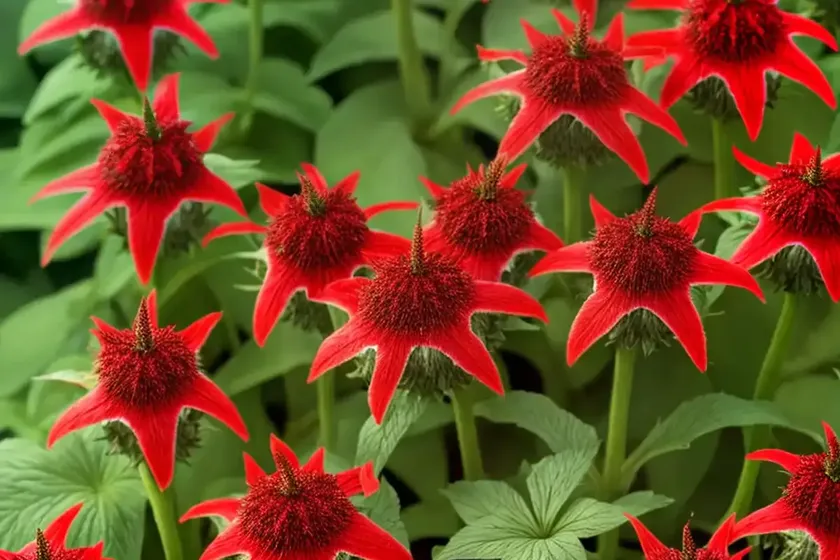
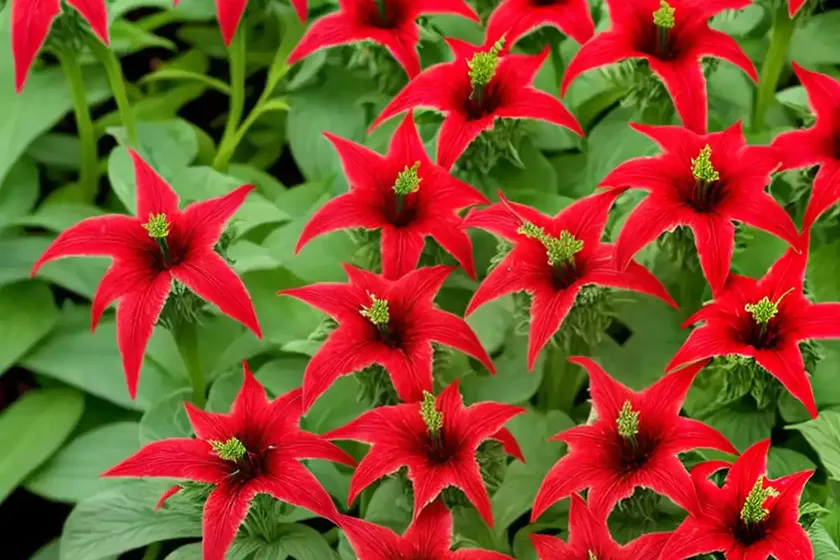
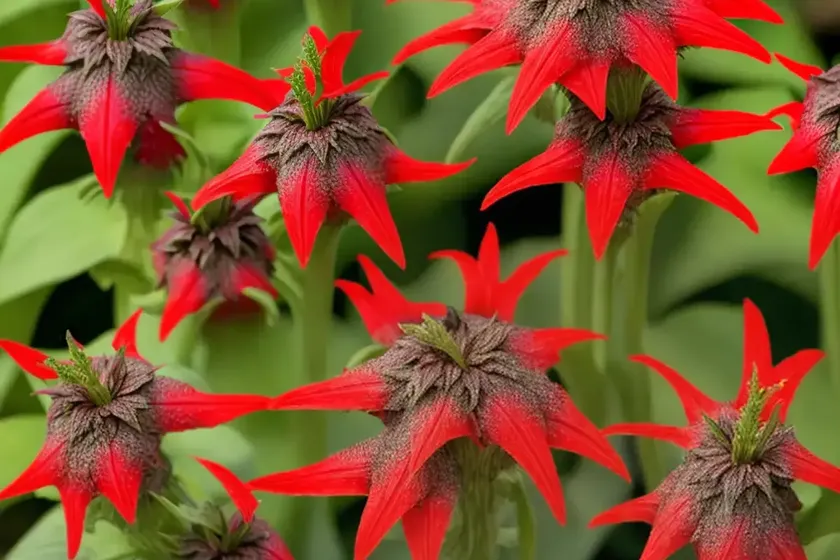
As a plant scientist, I am thrilled to share my expertise and passion for the Lobelia cardinalis, popularly known as the Cardinal Flower. This stunning perennial plant is native to North America and has been widely celebrated for its vibrant red blooms and its ability to attract hummingbirds and butterflies. In this comprehensive guide, we will delve into the key aspects of Lobelia cardinalis, including its cultural requirements, uses, maintenance, and propagation. By the end of this article, you will gain a profound understanding of how to care for Lobelia cardinalis and integrate it into various garden landscapes.
What is Lobelia Cardinalis (Cardinal Flower)?
Lobelia cardinalis, or the Cardinal Flower, is a herbaceous perennial plant that belongs to the family Campanulaceae. The vivid red, tubular flowers of this species make it a striking addition to garden settings. It is native to the eastern and central regions of North America, where it thrives in moist, woodland habitats, along stream banks, and in wet meadows.
Key Takeaways – Lobelia Cardinalis (Cardinal Flower)
Before we delve deeper into the specific aspects of Lobelia cardinalis, let’s briefly highlight the key takeaways that we will explore in this guide:
- Plant Name: Lobelia Cardinalis (Cardinal Flower)
- Scientific Classification: Family – Campanulaceae
- Common Names: Cardinal Flower
- Native Habitat: Eastern and central North America
- Key Features: Vibrant red tubular flowers, attracts hummingbirds and butterflies
Now, let’s proceed to understand the cultural requirements and uses of Lobelia cardinalis.
Culture
The successful cultivation of Lobelia cardinalis relies on understanding its specific cultural requirements. By providing the appropriate growing conditions, you can ensure that this mesmerizing plant thrives and blooms prolifically in your garden.
Uses
Lobelia cardinalis serves various purposes in horticulture and beyond due to its distinctive features and ecological contributions. Let’s explore some of its primary uses:
- Ornamental Purposes: The striking red blooms and vibrant foliage of Lobelia cardinalis make it a prized addition to gardens and landscapes, adding bold splashes of color.
- Wildlife Habitat: As a native plant, Lobelia cardinalis plays a crucial role in supporting local ecosystems by attracting pollinators such as hummingbirds, butterflies, and bees.
- Wetland Restoration: Due to its affinity for moist soil, Lobelia cardinalis is an ideal choice for wetland restoration projects, aiding in the preservation of natural habitats.
Now that we have an overview of the uses, let’s delve into the specific cultural requirements for this captivating plant.
Water
Lobelia cardinalis thrives in consistently moist to wet soil, mirroring its natural habitat along stream banks and in wet meadows. Adequate moisture is crucial for the health and vigor of the plant, especially during the active growing season. Here are some key points to consider regarding watering:
- Moisture Requirements: Maintain consistently moist soil. Avoid allowing the soil to dry out between watering sessions.
- Overwatering: While the plant requires moist conditions, it is essential to prevent waterlogged soil, as this can lead to root rot and other moisture-related issues.
- Mulching: Applying a layer of organic mulch around the base of the plant can help retain soil moisture, especially during hot and dry periods.
Sunlight
When it comes to sunlight requirements, Lobelia cardinalis displays a preference for partial shade to full sun, particularly in regions with warmer climates. Understanding its sunlight needs is imperative for creating an optimal growing environment:
- Partial Shade: In hotter climates, providing partial shade can help protect the plant from excessive heat and prevent the soil from drying out too quickly.
- Full Sun: In cooler regions, Lobelia cardinalis can thrive in areas with full sun exposure, maximizing its potential for robust growth and abundant flowering.
Fertilizer
While Lobelia cardinalis generally thrives in nutrient-rich soils, excessive fertilization can lead to adverse effects. Careful consideration of the fertilization approach is essential for supporting the plant’s growth and blooming cycle:
- Organic Matter: Incorporating organic matter such as compost or well-rotted manure into the soil before planting can provide a steady source of nutrients.
- Balanced Fertilizer: In the active growing season, applying a balanced, water-soluble fertilizer at half strength every 4-6 weeks can help promote healthy growth and flower production.
Soil
The soil composition directly influences the overall health and performance of Lobelia cardinalis. Understanding the ideal soil conditions can help create an optimal environment for the plant to thrive:
- Moisture Retention: As a moisture-loving plant, Lobelia cardinalis flourishes in well-draining, yet moisture-retentive soils rich in organic matter.
- Acidity: The plant prefers slightly acidic to neutral soil with a pH range of 5.5 to 7.0. Conducting a soil test can help determine and adjust the pH level as needed.
Pruning
Pruning is a valuable aspect of Lobelia cardinalis care, enabling you to manage the plant’s growth, enhance its appearance, and promote prolific blooming:
- Deadheading: Removing spent flowers regularly can encourage continuous blooming and prevent the plant from expending energy on seed production.
- Thinning: Additionally, thinning out crowded or weak stems can improve airflow and light penetration, contributing to the overall health of the plant.
Propagation
Understanding the methods of propagation for Lobelia cardinalis can empower you to multiply and expand your plant collection while preserving the genetic traits of the parent plant:
- Division: Dividing mature clumps in early spring or fall presents a reliable method for propagating Lobelia cardinalis. Ensure that each division includes healthy roots and shoots for successful establishment.
- Seeds: Collecting and sowing seeds indoors in early spring can also yield new plants. However, bear in mind that growing Lobelia cardinalis from seed can be a longer process compared to division.
Container Popularity
Lobelia cardinalis exhibits a notable appeal for container gardening, offering a visually stunning and wildlife-attracting element in confined spaces. Its popularity in container gardening stems from its striking aesthetics and compatibility with various garden themes and designs.
Common Diseases
Although Lobelia cardinalis is relatively resilient, it is susceptible to certain diseases that can impact its overall health and appearance. Being aware of these potential issues is essential for implementing preventive measures and timely interventions:
- Fungal Diseases: Common fungal diseases such as powdery mildew and root rot can affect Lobelia cardinalis, particularly in overly moist or poorly ventilated conditions.
- Bacterial Infections: Some bacterial infections can manifest as leaf spots and soft rot. Maintaining proper sanitation practices can help reduce the risk of bacterial diseases.
Disease Diagnosis
Diagnosing and addressing diseases affecting Lobelia cardinalis necessitates keen observation and prompt action. Here are some guidelines for identifying and managing potential diseases:
- Visual Symptoms: Be vigilant for signs of discoloration, unusual spots, wilting, or abnormal growth patterns on the foliage or stems.
- Integrated Pest Management: Employing cultural practices such as proper spacing, adequate airflow, and moisture management can aid in preventing disease development.
Common Pests
While Lobelia cardinalis is relatively resistant to pests, certain insects and mites can pose a threat to its well-being. Understanding the potential pests and implementing effective control measures is crucial for preserving the health and vitality of the plant:
- Aphids: These small, sap-sucking insects can colonize the tender parts of the plant, causing distortion and yellowing of the foliage.
- Spider Mites: Infestations of these tiny arachnids can result in stippled or discolored leaves, affecting the overall vigor of the plant.
Botanist’s Tips
As a plant scientist deeply familiar with Lobelia cardinalis, I offer the following expert tips to ensure the successful cultivation and enjoyment of this captivating species:
- Pollinator Gardening: Integrate Lobelia cardinalis into pollinator-friendly garden designs to attract and support vital pollinators such as hummingbirds, butterflies, and bees.
- Water Garden Addition: Due to its affinity for moist conditions, Lobelia cardinalis can serve as an enchanting addition to water gardens and pond edges, adding a burst of vibrant color.
- Naturalizing in Wet Areas: Embrace the natural beauty of Lobelia cardinalis by allowing it to naturalize in appropriate wetland or streamside locations, contributing to the restoration of native habitats.
Fun Facts
To further deepen your appreciation for Lobelia cardinalis, here are some delightful and intriguing facts about this captivating plant:
- Hummingbird Magnet: The brilliant red blooms of Lobelia cardinalis are particularly appealing to hummingbirds, making it a favored choice for hummingbird gardens.
- Pollinator Support: In addition to hummingbirds, Lobelia cardinalis attracts a diverse array of pollinators, including butterflies and bees, enhancing the ecological vibrancy of garden settings.
- Native Tradition: Indigenous communities in North America traditionally utilized the Cardinal Flower for various medicinal and ceremonial purposes, acknowledging its cultural significance.
Links to External Resources
For additional information and resources on Lobelia cardinalis and related topics, I recommend exploring the following links: