The Beauty and Versatility of Miscanthus Sinensis ‘Ghana’ (Chinese Silver Grass)
In the world of ornamental grasses, Miscanthus sinensis ‘Ghana,’ commonly known as Chinese Silver Grass, has garnered significant attention for its beauty, versatility, and low maintenance requirements. This perennial grass variety, with its graceful foliage and shimmering plumes, has become a favorite among gardeners, landscapers, and horticulturists. In this extensive guide, we will delve into all aspects of caring for and utilizing Miscanthus sinensis ‘Ghana’ in various settings, including gardens, landscapes, containers, and more.
What is Miscanthus Sinensis ‘Ghana’ (Chinese Silver Grass)?
Miscanthus sinensis ‘Ghana’ is a flowering grass species that belongs to the Poaceae family. Originally native to East Asia, particularly regions in China, Japan, and Korea, this plant has found its way into gardens and landscapes worldwide due to its ornamental appeal and adaptable nature. ‘Ghana’ is a cultivar of Miscanthus sinensis, exhibiting distinct characteristics that make it a sought-after choice for adding elegance and visual interest to outdoor spaces.
Key Takeaways – Miscanthus Sinensis ‘Ghana’ (Chinese Silver Grass)
Before we delve into the specifics of caring for Miscanthus sinensis ‘Ghana,’ let’s highlight some key takeaways that capture its essence and significance in horticulture.
-
Growth Habit: Miscanthus sinensis ‘Ghana’ is characterized by its upright and arching growth habit, with an average height ranging from 4 to 7 feet and a spread of 3 to 5 feet.
-
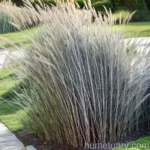
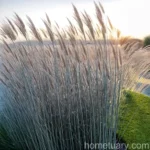
Ornamental Features: The gracefully arching, variegated leaves of ‘Ghana’ showcase a stunning blend of green, creamy white, and silver hues, adding a touch of elegance to any setting. In late summer to early fall, it produces striking coppery-pink plumes that rise above the foliage, creating a captivating display.
-
Adaptability: This cultivar is well-suited to a range of climatic conditions and soil types, making it relatively easy to cultivate in diverse environments.
-
Versatility: From serving as a focal point in garden beds to enhancing the appeal of mixed borders, ‘Ghana’ offers versatility in its usage, making it a valuable addition to both residential and commercial landscapes.
-
Low Maintenance: Once established, Miscanthus sinensis ‘Ghana’ requires minimal maintenance, demonstrating good drought tolerance and resilience to pests and diseases.
Now that we have a snapshot of the essential attributes of Miscanthus sinensis ‘Ghana,’ let’s embark on a comprehensive journey to understand its cultivation, care requirements, uses, and more.
Culture
When it comes to cultivating Miscanthus sinensis ‘Ghana,’ understanding its cultural preferences is crucial for ensuring its optimal growth and development. Let’s explore the various cultural factors that influence the well-being of this striking ornamental grass.
Uses
The versatility of Miscanthus sinensis ‘Ghana’ extends to its myriad uses in landscaping, gardening, and horticulture. Harnessing its ornamental appeal and adaptability, ‘Ghana’ serves several purposes, including but not limited to:
- Adding texture and visual interest to garden beds and borders
- Creating privacy screens and natural fences
- Enhancing the aesthetic appeal of mixed plantings
- Serving as an accent or focal point in landscape design
- Contributing to erosion control in sloped areas
This list is by no means exhaustive, as the uses of Miscanthus sinensis ‘Ghana’ are multifaceted, catering to diverse landscaping needs and design aspirations.
Water
Miscanthus sinensis ‘Ghana’ exhibits good drought tolerance once established, making it relatively low-maintenance in terms of water requirements. While it can withstand periods of dryness, particularly in well-drained soil, consistent moisture levels during its initial establishment phase are beneficial. Adequate irrigation during dry spells or prolonged periods of heat can help maintain the vigor and visual appeal of ‘Ghana,’ especially in regions characterized by arid or semi-arid climates.
Sunlight
In terms of sunlight requirements, Miscanthus sinensis ‘Ghana’ thrives in full sun to partial shade. When provided with ample sunlight, the plant displays its characteristic variegation to its full effect, showcasing the interplay of colors in its foliage. In regions with intense summers, some afternoon shade can be advantageous, helping to prevent potential leaf scorch and maintaining the overall vigor of the plant.
Fertilizer
The fertilization needs of Miscanthus sinensis ‘Ghana’ are relatively modest, especially when grown in nutrient-rich soils. A balanced, slow-release fertilizer applied in early spring can provide the necessary nutrients for healthy growth and optimal flowering. It is essential to exercise restraint when fertilizing ‘Ghana,’ as excessive nitrogen can lead to overly lush foliage at the expense of flowering, compromising its ornamental appeal.
Soil
Miscanthus sinensis ‘Ghana’ demonstrates adaptability to various soil types, thriving in well-drained, moderately fertile soils. While it can tolerate a range of soil pH levels, a slightly acidic to neutral pH (6.0-7.5) is generally conducive for its growth. Ensuring good drainage is paramount, as ‘Ghana’ is susceptible to root rot in waterlogged or poorly drained soil. Organic amendments, such as well-aged compost or peat moss, can enhance soil structure and fertility, promoting the overall health of the plant.
Pruning
Pruning Miscanthus sinensis ‘Ghana’ is essential to maintain its aesthetic appeal and prevent the accumulation of old, non-productive growth. In late winter to early spring, before the new foliage emerges, it is advisable to trim back the previous year’s growth to a height of 4 to 6 inches above the ground. This rejuvenation pruning helps stimulate the emergence of fresh, vibrant foliage and encourages robust flowering during the subsequent growing season.
Propagation
The propagation of Miscanthus sinensis ‘Ghana’ is primarily achieved through division, a method that involves separating and replanting the rhizomes to establish new plants. Division is typically performed in early spring before the grass resumes active growth. The process entails digging up the mature clump, carefully dividing it into sections with a sharp, sterile tool, and replanting the divisions in prepared soil. Adequate irrigation and attention to the establishment of the divided segments can enhance their viability and promote successful growth.
Container Popularity
While Miscanthus sinensis ‘Ghana’ is commonly planted directly in garden beds and landscapes, its appeal also extends to container gardening. The graceful arching habit and ornamental foliage of ‘Ghana’ make it an eye-catching addition to container arrangements, providing height, texture, and visual interest. When grown in containers, it is essential to ensure adequate soil moisture and provide sufficient space for the roots to establish and thrive. Container-grown ‘Ghana’ can accentuate patios, decks, and outdoor living spaces, infusing a touch of elegance and natural beauty.
Common Diseases
While Miscanthus sinensis ‘Ghana’ is often resilient to disease pressures, it can be susceptible to certain fungal infections and foliar diseases under unfavorable growing conditions. Common diseases that may affect ‘Ghana’ include but are not limited to:
-
Leaf Spot: This fungal disease manifests as small, dark spots on the foliage, potentially leading to leaf yellowing and premature defoliation if left unmanaged. Proper sanitation, adequate airflow, and fungicidal treatments can help mitigate the impact of leaf spot.
-
Rust: Rust is characterized by the development of orange or rusty-colored pustules on the leaves, often accompanied by leaf discoloration and reduced vigor. Addressing moisture-related issues and applying appropriate fungicidal treatments can aid in controlling rust infestations.
Disease Diagnosis
Diagnosing and addressing potential diseases in Miscanthus sinensis ‘Ghana’ requires keen observation of the plant’s foliage, overall appearance, and environmental conditions. Keeping a watchful eye for signs of discoloration, lesions, or abnormal growth patterns can help in early disease detection. Upon recognizing any symptoms indicative of a potential disease, promptly consulting with a professional horticulturist or plant pathologist can facilitate accurate diagnosis and the implementation of targeted disease management strategies.
Common Pests
In addition to disease considerations, being aware of potential pest pressures on Miscanthus sinensis ‘Ghana’ is essential for nurturing its health and longevity. While ‘Ghana’ is generally resilient to many common garden pests, occasional pest issues may arise, including:
-
Aphids: These small, sap-sucking insects can cluster on the foliage, leading to leaf distortion and a sticky residue known as honeydew. Natural predators and insecticidal soaps can help manage aphid populations without unduly impacting beneficial organisms.
-
Spider Mites: Spider mites are minute arachnids that can cause stippling and webbing on the leaves, potentially compromising the plant’s vigor. Regular monitoring and the application of horticultural oils or insecticidal sprays can aid in controlling spider mite outbreaks.
Botanist’s Tips
As a botanist deeply acquainted with the nuanced intricacies of Miscanthus sinensis ‘Ghana,’ I can impart valuable tips to aid in the successful cultivation and care of this captivating grass species.
-
Ample Airflow: Promoting adequate airflow around ‘Ghana’ plants is essential for reducing the risk of foliar diseases and pest infestations. Avoiding overcrowding and ensuring appropriate spacing between individual specimens facilitate optimal air circulation, contributing to the overall health of the grass.
-
Mulching Strategy: Employing a layer of organic mulch around the base of ‘Ghana’ can confer several benefits, including moisture retention, weed suppression, and insulation against temperature fluctuations. However, it is crucial to avoid excessive mulch depth, especially when growing in regions with high humidity, to prevent potential moisture-related issues.
-
Seasonal Observance: Observing the seasonal transitions and changes in ‘Ghana’ can provide insights into its growth patterns and developmental milestones. From the emergence of new shoots in spring to the majestic display of flowering plumes in late summer, each season offers a unique perspective on the captivating journey of this ornamental grass.
-
Stress Management: Minimizing stress factors, such as waterlogged soil, prolonged drought, or excessive fertilizer application, can significantly enhance the resilience and longevity of ‘Ghana.’ Striving to maintain balanced growing conditions aligns with the species’ inherent adaptability and contributes to its enduring grace.
Fun Facts
To further appreciate the beauty and allure of Miscanthus sinensis ‘Ghana,’ here are some fun and intriguing facts about this captivating grass variety:
-
Ornamental Legacy: Miscanthus sinensis ‘Ghana’ has made its mark as an esteemed ornamental grass, earning popularity among horticulturists, garden enthusiasts, and landscape architects for its timeless elegance and aesthetic versatility.
-
Cultural Significance: In certain cultures, ornamental grasses such as Miscanthus sinensis hold symbolic significance, representing attributes such as resilience, grace, and adaptability in the language of flowers and plants.
-
Wildlife Habitat: The rippling foliage and feathery plumes of ‘Ghana’ can provide habitat and foraging opportunities for various beneficial insects, including pollinators and predatory arthropods, fostering ecological diversity in outdoor spaces.
-
Historical Roots: The cultivation and appreciation of Miscanthus species, including ‘Ghana,’ carry historical connotations, reflecting the enduring fascination with ornamental grasses across different civilizations and periods.
-
Winter Interest: Even during the dormant winter months, the enduring structure and subtle beauty of Miscanthus sinensis ‘Ghana’ can contribute to the aesthetic appeal of outdoor settings, adding a layer of visual interest to the winter landscape.
Links to External Resources
To further expand your knowledge and understanding of Miscanthus sinensis ‘Ghana’ and its cultivation, the following external resources are invaluable references for horticultural insights, plant care guidance, and landscape design inspirations:
- American Horticultural Society
- Royal Horticultural Society
- Missouri Botanical Garden
- University Extension Services
- Plant Database Resources
By delving into these reputable sources, you can augment your expertise and proficiency in nurturing Miscanthus sinensis ‘Ghana’ and harnessing its potential as a celebrated component of diverse outdoor environments.
In conclusion, the allure and adaptability of Miscanthus sinensis ‘Ghana’ position it as a prized ornamental grass, enriching landscapes, gardens, and container arrangements with its enduring grace and visual poetry. By embracing its nuanced care requirements and harnessing its inherent beauty, ‘Ghana’ emerges as an emblem of natural elegance, captivating the hearts and imaginations of plant aficionados and design enthusiasts alike. May the ethereal presence of Chinese Silver Grass lend a touch of enchantment to your outdoor sanctuaries, perpetuating the timeless legacy of ornamental grasses in horticultural splendor.