Origanum Vulgare ‘Compactum’ (Oregano)
Origanum vulgare ‘Compactum’, commonly known as compact oregano, is a herbaceous plant that belongs to the mint family, Lamiaceae. It is a compact variety.
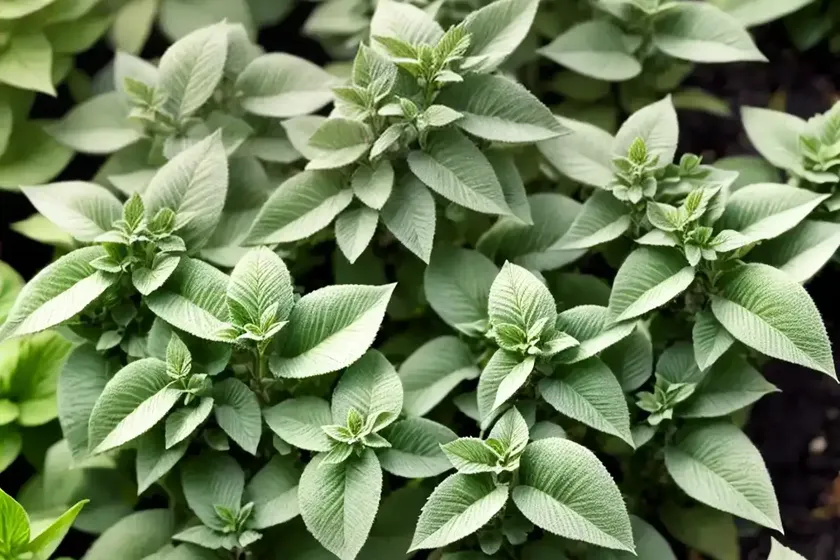
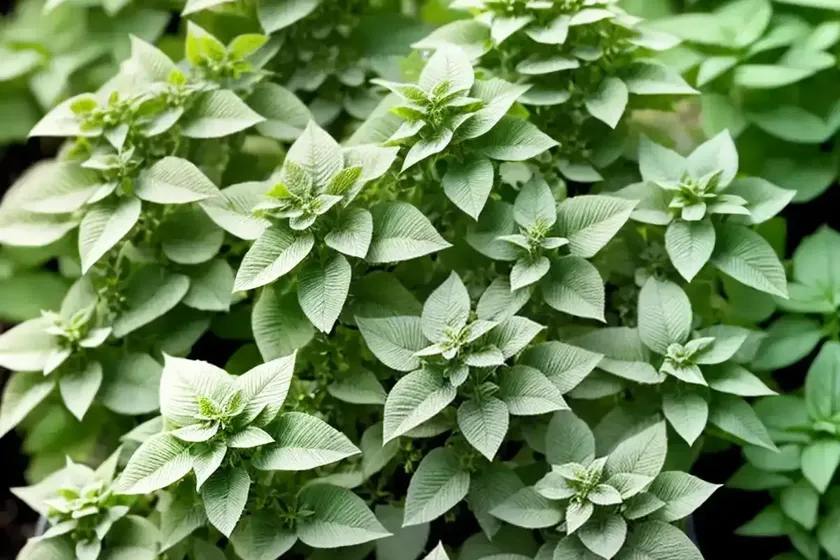
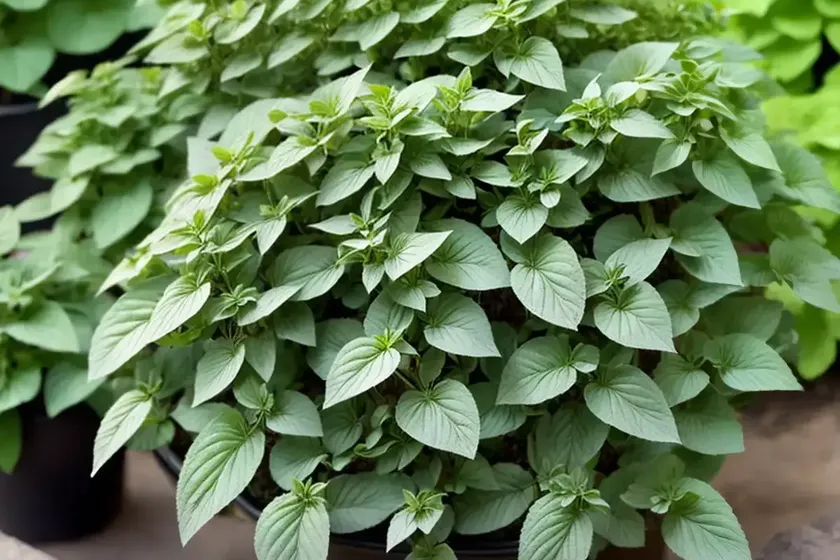
Origanum vulgare ‘Compactum’, commonly known as compact oregano, is a herbaceous plant that belongs to the mint family, Lamiaceae. It is a compact variety of the well-known Origanum vulgare, or common oregano, and is revered for its ornamental, culinary, and medicinal properties. In this comprehensive guide, we will delve into the culture, uses, care, and fun facts about this versatile plant. Whether you are an avid gardener, a culinary enthusiast, or someone interested in natural remedies, the compact oregano has much to offer.
Key Takeaways – Origanum vulgare ‘Compactum’ (Oregano)
To provide a comprehensive understanding of this fascinating plant, let’s first capture the key takeaways about Origanum vulgare ‘Compactum’:
- Scientific Name: Origanum vulgare ‘Compactum’
- Common Name: Compact oregano
- Family: Lamiaceae
- Plant Type: Herbaceous perennial
- Primary Uses: Culinary, ornamental, and medicinal
- Special Features: Drought-resistant, aromatic foliage, and attractive flowers
- Growth Habit: Compact, mounding
- Hardiness Zones: 5-10
- Size: Typically grows to 6-12 inches in height
- Flavor: Intensely aromatic with a strong, slightly bitter flavor
- Characteristics: Small, oval, green leaves with a dense growth habit
- Propagation: Easily propagated through division or cuttings
- Culinary Uses: Commonly used in Mediterranean and Italian cuisines
- Medicinal Properties: Antibacterial, antioxidant, and digestive benefits
Now, let’s explore the various aspects of this remarkable plant in detail.
What is Origanum vulgare ‘Compactum’ (Oregano)?
Origanum vulgare ‘Compactum’ is a variety of Origanum vulgare, commonly known as common oregano or wild marjoram. This herbaceous perennial is native to Europe, where it thrives in dry, rocky soils and is often found in the wild in the Mediterranean region. Its robust nature and ability to withstand drought make it an ideal plant for hot and arid climates. The ‘Compactum’ variety is particularly valued for its compact growth habit, making it an excellent choice for small gardens, containers, and edging in herb beds.
The aromatic foliage of compact oregano, with its pungent, earthy aroma and slightly bitter flavor, has made it a staple in Mediterranean, Italian, and Greek cuisines for centuries. Additionally, its use in traditional medicine for various ailments has contributed to its status as a prized herb with multiple uses. Whether you are looking to enhance your culinary creations, enjoy its ornamental beauty, or harness its medicinal properties, compact oregano is a plant that offers an array of benefits.
Now, let’s dive into the detailed aspects of the culture, uses, care, and interesting facts about Origanum vulgare ‘Compactum’.
Culture of Origanum vulgare ‘Compactum’ (Oregano)
Water
Compact oregano, like its common oregano counterpart, prefers slightly dry conditions once established. Overly wet soil can lead to root rot and other issues, so it is essential to allow the soil to dry out between waterings. When watering, it’s best to water deeply but infrequently to encourage deep root growth and overall plant resilience. Established oregano plants are quite drought-resistant, making them a low-maintenance addition to the garden.
Sunlight
Compact oregano thrives in full sun, meaning it requires at least 6-8 hours of direct sunlight each day. Without adequate sunlight, the plant may become leggy and produce fewer aromatic compounds in its leaves, diminishing its flavor and aroma. When grown in an ideal sunny location, compact oregano will reward you with vigorous growth and an abundance of aromatic leaves.
Soil
Well-draining soil is crucial for the healthy growth of compact oregano. Sandy or loamy soil with a neutral to slightly alkaline pH is preferred. Amending the soil with organic matter such as compost or well-rotted manure can help improve its texture and fertility. Additionally, raised beds or containers filled with a high-quality potting mix can provide an excellent growing medium for compact oregano, especially if natural soil conditions are less than optimal.
Uses of Origanum vulgare ‘Compactum’ (Oregano)
Culinary Uses
Compact oregano is revered for its aromatic leaves, which are an essential ingredient in many culinary applications. Its robust, slightly bitter flavor and pungent aroma make it a favorite in Mediterranean cuisines, particularly Italian and Greek dishes. It pairs exceptionally well with tomatoes, olives, lamb, and a variety of other meats and vegetables. Whether used fresh or dried, compact oregano adds depth and complexity to a wide range of culinary creations, including sauces, soups, stews, and marinades.
Medicinal Uses
In addition to its culinary applications, compact oregano has a rich history of use in traditional medicine. The essential oil extracted from its leaves contains compounds with potent antibacterial, antioxidant, and anti-inflammatory properties. Oregano oil is often used to promote digestive health, support the immune system, and alleviate respiratory issues. Whether consumed as a tea, used topically, or taken as a supplement, compact oregano offers a natural approach to overall wellness.
Ornamental Uses
Beyond its culinary and medicinal attributes, compact oregano is also valued for its ornamental appeal. Its compact, mounding growth habit and dense foliage make it a charming addition to herb gardens, rock gardens, and container plantings. When in bloom, its clusters of tiny pink to mauve flowers add a delightful touch of color to the garden and attract beneficial pollinators, such as bees and butterflies.
Fertilizer for Origanum vulgare ‘Compactum’ (Oregano)
Compact oregano, with its modest fertility requirements, does not typically demand heavy feeding. In fact, overly rich soil can lead to excessive foliage growth at the expense of flavor and aroma. Instead, a balanced, slow-release fertilizer applied sparingly in the spring is usually sufficient to support healthy growth and abundant leaf production. Using organic fertilizers, such as compost or well-aged manure, can supply the necessary nutrients while also improving soil structure and microbial activity.
Pruning Origanum vulgare ‘Compactum’ (Oregano)
Regular pruning not only helps maintain the compact, bushy form of oregano but also encourages fresh growth and enhances its overall vigor. To promote a steady supply of tender leaves, it is advisable to harvest the young, topmost stems regularly, avoiding overharvesting from any single plant. Additionally, pruning away spent flower heads can extend the blooming period and prevent the plant from becoming leggy. On occasion, a gentle trim to shape the plant and remove any damaged or woody growth is beneficial.
Propagation of Origanum vulgare ‘Compactum’ (Oregano)
Division
Compact oregano can be easily propagated through division, making it a straightforward process to create new plants from an established clump. In early spring, carefully dig up the plant and use a sharp knife or spade to separate the root mass into smaller sections, each containing roots and shoots. Replant the divisions in prepared soil, water them well, and provide the appropriate growing conditions, and they should establish themselves within a few weeks.
Cuttings
Propagating compact oregano from stem cuttings is another effective method to produce multiple plants with consistent traits. Select healthy, non-flowering shoots and take 3-4 inch cuttings, removing the lower leaves to expose the nodes. Dip the cut ends in rooting hormone, place them in a well-draining rooting medium, and keep them consistently moist until roots develop. Once rooted, the new plants can be transferred to individual containers or directly planted in the garden.
Growing Origanum vulgare ‘Compactum’ (Oregano) in Containers
Container Size
When growing compact oregano in containers, choosing the right pot size is crucial for its well-being and productivity. A container with a diameter of at least 12 inches and a depth of 6-8 inches is suitable for a single plant, providing ample space for root growth and preventing the plant from becoming root-bound.
Soil for Containers
Selecting a high-quality potting mix with excellent drainage properties is essential for growing compact oregano in containers. Adding some coarse sand or perlite to the mix can further improve its drainage capacity, ensuring that excess water does not accumulate around the roots.
Watering in Containers
Container-grown plants typically require more frequent watering than those in the ground, as they can dry out more rapidly. It is important to monitor the moisture levels regularly and water the oregano when the top inch of the potting mix feels dry. Avoid overwatering, as waterlogged soil can lead to root rot and other issues.
Sunlight for Containers
Place the oregano container in a sunny location, such as a south-facing patio or a sunny spot in the garden, to ensure that it receives the necessary 6-8 hours of direct sunlight each day. If grown indoors, a bright, south-facing window can provide adequate light for the plant.
Popularity of Origanum vulgare ‘Compactum’ (Oregano)
Compact oregano has gained popularity among gardeners, culinary enthusiasts, and herbalists for its compact, mounding growth habit and intense aromatic qualities. Its adaptability to a wide range of growing conditions, including hot and dry climates, makes it an attractive choice for gardeners in various regions. Additionally, its versatility as an ornamental, culinary, and medicinal plant has contributed to its widespread appeal and increasing presence in home gardens, community herb plots, and commercial herb farms.
Common Diseases Affecting Origanum vulgare ‘Compactum’ (Oregano)
Disease Diagnosis
Compact oregano is generally resistant to most common plant diseases when provided with suitable growing conditions. However, overly wet or poorly draining soil can predispose the plant to issues such as root rot, powdery mildew, and fungal infections. It is essential to monitor the plant for signs of wilting, yellowing foliage, or abnormal growth and take appropriate measures to address any underlying issues promptly.
Common Pests Affecting Origanum vulgare ‘Compactum’ (Oregano)
Pest Management
While compact oregano is relatively resistant to pests, it may occasionally face challenges from aphids, spider mites, and thrips, particularly in dry or stressed conditions. Regularly inspecting the plant for signs of pest activity, such as distorted growth, stippling on leaves, or the presence of insects, can help detect issues early. In cases of infestation, employing natural remedies, such as insecticidal soap or neem oil, can effectively control pests while minimizing harm to beneficial insects and the environment.
Botanist’s Tips for Growing Origanum vulgare ‘Compactum’ (Oregano)
-
Choose the Right Location: Select a sunny, well-drained site for planting compact oregano to ensure robust growth and flavorful leaves.
-
Practice Watering Moderation: Allow the soil to dry out between waterings, particularly once the plant is established, to prevent moisture-related issues.
-
Harvest Regularly: Encourage ongoing leaf production by harvesting the topmost stems regularly, promoting a continuous supply of fresh growth.
-
Enhance Soil with Organic Matter: Amending the soil with compost or well-rotted manure can help boost soil fertility and improve its structure for healthy plant growth.
-
Monitor for Pests and Diseases: Regularly inspect the plant for signs of pest activity or disease, addressing any issues promptly to minimize their impact.
Fun Facts about Origanum vulgare ‘Compactum’ (Oregano)
- The name “oregano” is derived from the Greek words “oros” (mountain) and “ganos” (joy), reflecting its traditional association with mountainous regions and its aromatic, joyful nature.
- Compact oregano is a favorite of pollinators, attracting bees, butterflies, and other beneficial insects to the garden with its nectar-rich flowers.
- Oregano has been used for centuries in various cultures for its medicinal properties, including its role as a digestive aid, respiratory tonic, and overall wellness support.
- In ancient Greek and Roman traditions, oregano was associated with joy, happiness, and protection, and it was often used in wedding ceremonies and to adorn the head of victorious athletes.
- Oregano has high concentrations of antioxidants, making it a valuable addition to a health-conscious diet and lifestyle.
Links to External Resources
For further exploration of Origanum vulgare ‘Compactum’ and its various aspects, you may find the following resources valuable:
- The Herb Society of America – Compact Oregano Profile
- University of Maryland Medical Center – Oregano Health Benefits
- Royal Horticultural Society – Growing Oregano
By providing an in-depth exploration of Origanum vulgare ‘Compactum’ from its cultural requirements to its diverse uses and fascinating attributes, this guide aims to equip plant enthusiasts, chefs, and herbalists with a comprehensive understanding of this versatile and beloved herb. Whether enjoyed in the kitchen, cultivated for its ornamental charm, or utilized for its healing properties, compact oregano remains a stalwart presence in gardens and kitchens around the world.


