Oriental Lily (Lilium ‘Muscadet’): A Complete Guide to Care and Cultivation
Oriental lilies, particularly the Lilium ‘Muscadet’ cultivar, are beloved by gardeners for their stunning showy blooms, beautiful fragrance, and ease of cultivation. In this comprehensive guide, we will delve into the various aspects of caring for and cultivating Oriental lilies, with a specific focus on the Lilium ‘Muscadet’ variety.
What is an Oriental Lily?
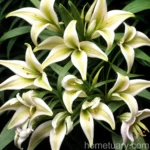
Oriental lilies belong to the Lilium genus and are renowned for their large, fragrant, trumpet-shaped flowers. These elegant blooms come in an array of captivating colors, making them a popular choice for ornamental gardening. The Lilium ‘Muscadet’ cultivar, in particular, is prized for its creamy white petals adorned with delicate pink speckles.
Key Takeaways – Oriental Lily (Lilium ‘Muscadet’)
Before we delve into the specifics of caring for and cultivating Oriental lilies, let’s take a look at the key takeaways for this exquisite flowering plant.
- Plant Name: Oriental Lily (Lilium ‘Muscadet’)
- Common Names: Lilium ‘Muscadet’, Oriental Lily
- Cultivar: Lilium ‘Muscadet’
- Family: Liliaceae
- Hardiness Zone: 5-8
- Blooming Period: Mid to late summer
- Fragrance: Strong, sweet fragrance
- Height: 3-4 feet
- Spread: 1-2 feet
- Sunlight: Full sun to partial shade
- Soil: Well-draining, fertile soil
- Watering: Regular, consistent moisture
- Uses: Ornamental, cut flowers
- Common Diseases: Botrytis blight, basal rot
- Common Pests: Aphids, lily beetle
Now, let’s explore each aspect of caring for Oriental lilies in more detail.
Culture
Cultivating Oriental lilies, including the Lilium ‘Muscadet’ variety, requires attention to several key aspects, including soil, water, sunlight, and fertilizer.
Soil
Oriental lilies thrive in well-draining, fertile soil. It is essential to ensure that the soil is rich in organic matter and provides good drainage to prevent waterlogging, which can lead to root rot.
Water
These lilies require regular watering to maintain consistent moisture in the soil, especially during the growing season. However, it is crucial to avoid overwatering, as excessive moisture can be detrimental to their health.
Sunlight
Oriental lilies flourish in full sun to partial shade. While they prefer ample sunlight for robust growth and prolific flowering, they can also tolerate partial shade, particularly in warmer climates.
Fertilizer
Applying a balanced, all-purpose fertilizer in the spring as new growth emerges can promote healthy foliage and vibrant blooms. It is important to follow the recommended application rates to prevent over-fertilization, which can harm the plants.
Pruning
Deadheading spent flowers and removing any yellowing or withered foliage can help maintain the lilies’ visual appeal and redirect the plant’s energy towards growth and flower production.
Uses
The Oriental Lily (Lilium ‘Muscadet’) serves various ornamental and practical purposes, making it a versatile addition to gardens and floral arrangements.
Ornamental Use
The stunning blooms of the Lilium ‘Muscadet’ cultivar make it a sought-after choice for ornamental gardening, adding elegance and charm to flower beds, borders, and containers.
Cut Flowers
The exquisite flowers of Oriental lilies, including the Lilium ‘Muscadet’ variety, are prized for their beauty and fragrance, making them ideal for creating captivating cut flower arrangements.
Propagation
Oriental lilies, including the Lilium ‘Muscadet’ cultivar, are propagated through various methods, including bulb division and seed sowing.
Bulb Division
Dividing established clumps of Oriental lilies every few years in the fall allows gardeners to propagate new plants and rejuvenate existing ones, promoting vigorous growth and abundant flowering.
Seed Sowing
While growing Oriental lilies from seed is a longer and more challenging process compared to bulb division, it allows for the creation of new and unique varieties, making it an exciting endeavor for plant enthusiasts.
Container Cultivation
Growing Oriental lilies, such as the Lilium ‘Muscadet’ variety, in containers can be a rewarding option for gardeners with limited space or those seeking to showcase these magnificent blooms on patios and balconies.
Container Popularity
The compact nature and striking flowers of Oriental lilies make them a popular choice for container cultivation, adding a touch of elegance to outdoor living spaces.
Container Care
When growing Oriental lilies in containers, it is essential to ensure that the pots provide adequate drainage and sufficient room for the plants’ roots to establish and thrive.
Common Diseases and Pests
Despite their beauty and appeal, Oriental lilies, including the Lilium ‘Muscadet’ variety, are susceptible to certain diseases and pests that can impact their health and vigor.
Disease Diagnosis
Identifying and promptly addressing common diseases such as botrytis blight and basal rot is essential to prevent the spread of infections and preserve the lilies’ vitality.
Common Pests
Vigilance against pests such as aphids and lily beetles is crucial to safeguard Oriental lilies from potential damage and ensure their continued growth and bloom production.
Botanist’s Tips
As a plant scientist with expertise in botanical cultivation, I have gathered a few essential tips to aid in the successful care and cultivation of Oriental lilies, especially the captivating Lilium ‘Muscadet’ variety.
- Tip 1: Regularly monitor soil moisture to prevent both under- and overwatering, as maintaining consistent moisture levels is crucial for the lilies’ well-being.
- Tip 2: Provide adequate support for the tall stems of Oriental lilies, particularly in exposed or windy locations, to prevent breakage and damage to the plants.
- Tip 3: Avoid planting Oriental lilies near areas frequented by browsing deer, as these elegant flowers are often sought after by wildlife and can fall victim to browsing damage.
Fun Facts
Before we conclude this comprehensive guide, let’s explore some fascinating and lesser-known facts about Oriental lilies and the enchanting Lilium ‘Muscadet’ variety.
- Native to East Asia, Oriental lilies have captivated gardeners and floral enthusiasts for centuries with their alluring fragrance and exquisite blooms.
- The Lilium ‘Muscadet’ cultivar derives its name from the renowned Muscadet wine produced in the Loire Valley of France, known for its light and elegant qualities, reflecting the delicate beauty of the lily.
Links to External Resources
For further information on Oriental lilies, including the Lilium ‘Muscadet’ variety, and to enhance your knowledge on their care and cultivation, I recommend exploring the following resources:
- Royal Horticultural Society – Growing Lilies
- The American Lily Society
- University of Illinois Extension – Oriental Lilies
In conclusion, Oriental lilies, exemplified by the captivating Lilium ‘Muscadet’ cultivar, are exquisite flowering plants that grace gardens with their beauty, fragrance, and timeless elegance. By adhering to the care guidelines outlined in this comprehensive guide, gardeners can cultivate thriving Oriental lilies that delight the senses and elevate the aesthetic appeal of their outdoor spaces.
Whether you are an experienced horticulturist or an aspiring plant enthusiast, the allure of Oriental lilies, particularly the enchanting Lilium ‘Muscadet’ variety, is undeniable, making them a cherished addition to any garden or floral display.