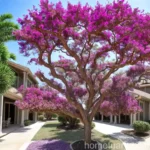
Crape Myrtle (Lagerstroemia ‘JD818’ EARLY BIRD LAVENDER)
Lagerstroemia, commonly known as crape myrtle, is a beautiful and resilient flowering shrub that has been a favorite in gardens and landscapes for generations. The ‘JD818’ EARLY BIRD LAVENDER is a specific variety of crape myrtle, known for its stunning lavender blooms and its adaptability to various growing conditions. In this comprehensive guide, we will delve into the cultural aspects, uses, care tips, common diseases, and maintenance requirements of the crape myrtle plant, focusing on the Lagerstroemia JD818 EARLY BIRD LAVENDER variety.
What is Crape Myrtle?
Crape myrtle is a deciduous shrub or small tree that belongs to the genus Lagerstroemia and is native to the Indian subcontinent, Southeast Asia, and northern Australia. Known for its vibrant and long-lasting summer blooms, crape myrtle has become a popular choice for home gardens, parks, and urban landscapes. The ‘JD818’ EARLY BIRD LAVENDER is a specific cultivar of crape myrtle that is prized for its early blooming, compact habit, and enchanting lavender-colored flowers.
Key Takeaways – Crape Myrtle (Lagerstroemia ‘JD818’ EARLY BIRD LAVENDER)
Before we explore the specific cultural aspects, care requirements, and maintenance tips for the Lagerstroemia JD818 EARLY BIRD LAVENDER, let’s outline the key takeaways for this variety of crape myrtle:
- Early Bird Lavender crape myrtle is known for its early blooming period, offering stunning lavender-colored flowers that brighten up the landscape.
- This cultivar exhibits a compact growth habit, making it suitable for small gardens, containers, or as an ornamental focal point in landscapes.
- Lagerstroemia JD818 EARLY BIRD LAVENDER is resilient and adapts well to various growing conditions, making it a versatile and low-maintenance plant for gardeners.
- Proper pruning techniques and regular maintenance are essential for promoting healthy growth and prolific flowering in crape myrtle plants.
Now, let’s delve into the specific cultural aspects, care tips, and maintenance requirements for the crape myrtle (Lagerstroemia ‘JD818’ EARLY BIRD LAVENDER) to help you grow and care for this stunning plant with confidence and success.
Culture
The culture of crape myrtle, particularly the ‘JD818’ EARLY BIRD LAVENDER variety, encompasses the plant’s natural habitat, growth patterns, and environmental preferences. Understanding the cultural requirements of this plant is crucial for creating optimal growing conditions and ensuring its overall health and vitality.
Uses
The crape myrtle (Lagerstroemia ‘JD818’ EARLY BIRD LAVENDER) offers a range of uses in gardening and landscaping, thanks to its attractive features and adaptable nature. Some common uses of this variety include:
- Ornamental accent: The vibrant lavender blooms and compact growth habit make the ‘JD818’ EARLY BIRD LAVENDER a stunning ornamental focal point in gardens, borders, and landscapes.
- Container planting: Its compact size and showy flowers make it an ideal choice for container gardening on patios, decks, or balconies.
- Hedge or border planting: When planted in groups, crape myrtle can be shaped into a beautiful flowering hedge or used as a border to delineate different areas in the landscape.
- Attracts pollinators: The nectar-rich flowers of crape myrtle attract bees, butterflies, and other pollinators, making it a valuable addition to pollinator-friendly gardens.
Water
Proper watering is crucial for the health and vigor of crape myrtle plants, including the ‘JD818’ EARLY BIRD LAVENDER variety. Understanding the water requirements and best practices for watering can help ensure that the plant thrives in its growing environment without succumbing to issues related to overwatering or underwatering.
Water Requirements:
- Crape myrtle plants, including the ‘JD818’ EARLY BIRD LAVENDER, prefer well-draining soil and moderate moisture levels.
- Newly planted crape myrtles should be watered deeply immediately after planting to encourage establishment.
- Once established, crape myrtle plants are relatively drought-tolerant and can withstand periods of reduced watering. However, consistent moisture during the growing season promotes healthy growth and abundant flowering.
Watering Techniques:
- Water deeply and infrequently to encourage deep root establishment and drought tolerance.
- Use a slow and deep watering method, allowing the water to penetrate the soil and reach the roots effectively.
- Avoid frequent light watering, as this can lead to shallow root development and reduced drought resistance.
Understanding the specific water requirements of crape myrtle, particularly the ‘JD818’ EARLY BIRD LAVENDER, is essential for providing adequate moisture while preventing water-related issues such as root rot and water stress.
Sunlight
Crape myrtle plants, including the ‘JD818’ EARLY BIRD LAVENDER, thrive in full sun and require ample sunlight to promote flowering and overall robust growth. Understanding the sunlight requirements and providing the appropriate light conditions are essential for the plant’s success in the garden or landscape.
Sunlight Requirements:
- Crape myrtle plants prefer full sun, which generally equates to at least 6-8 hours of direct sunlight per day.
- Insufficient sunlight may lead to reduced flowering, leggy growth, and overall weakened plant vigor.
- While crape myrtle can tolerate some shade, it tends to bloom more profusely and exhibit healthier growth in full sun conditions.
Understanding the sunlight preferences of the ‘JD818’ EARLY BIRD LAVENDER and providing the appropriate light conditions can contribute to the plant’s overall health, flowering potential, and visual appeal in the garden.
Fertilizer
Fertilizing crape myrtle, including the ‘JD818’ EARLY BIRD LAVENDER variety, can support healthy growth, abundant flowering, and overall plant vigor. Understanding the fertilizer requirements and best practices for application is crucial for providing essential nutrients without causing adverse effects on the plant.
Fertilizer Requirements:
- Crape myrtle plants benefit from a balanced, slow-release fertilizer that provides essential nutrients without promoting excessive vegetative growth at the expense of flowering.
- A fertilizer with a balanced NPK ratio, such as 10-10-10 or 15-15-15, can support overall plant health and flowering potential.
- Avoid high-nitrogen fertilizers, as they can encourage lush foliage at the expense of flower production.
Fertilizer Application:
- Apply fertilizer in early spring before new growth begins, ensuring that the nutrients are available as the plant enters its active growing season.
- Follow the manufacturer’s recommendations for application rates and methods, and avoid over-fertilization, which can lead to excessive vegetative growth and reduced flowering.
Understanding the specific fertilizer requirements of the ‘JD818’ EARLY BIRD LAVENDER and providing appropriate nutrients can contribute to the plant’s overall health, bloom production, and resilience in the garden or landscape.
Soil
The soil in which crape myrtle, including the ‘JD818’ EARLY BIRD LAVENDER, is planted plays a crucial role in the plant’s growth, development, and overall health. Understanding the soil preferences and implementing soil amendments if necessary can create an optimal growing environment for the plant.
Soil Preferences:
- Crape myrtle plants thrive in well-draining, slightly acidic to neutral soil with a pH range of 5.5 to 7.5.
- Amending heavy clay soils with organic matter such as compost or peat moss can improve drainage and overall soil structure, promoting healthy root development.
- Avoid waterlogged or compacted soils, as they can lead to root suffocation and disease issues.
Understanding the specific soil preferences of the ‘JD818’ EARLY BIRD LAVENDER variety and providing suitable soil conditions can contribute to the plant’s overall vigor, root health, and resilience in the garden or landscape.
[To be continued…]