What is Plant oriental hornbeam (Carpinus orientalis)
The oriental hornbeam (Carpinus orientalis) is a species of flowering tree native to Southeastern Europe and Asia Minor. This deciduous tree belongs to the Betulaceae family and is known for its hard wood and elegant appearance. The oriental hornbeam is valued for its ornamental qualities and is often used as a shade tree in landscapes and gardens.
Key Takeaways – oriental hornbeam (Carpinus orientalis)
- Scientific Name: Carpinus orientalis
- Common Name: Oriental hornbeam
- Family: Betulaceae
- Native Range: Southeastern Europe and Asia Minor
- Foliage: Deciduous
- Uses: Ornamental, shade, and timber
- Growth Rate: Moderate
- Environmental Tolerance: Tolerant of various soil types and adaptable to different light conditions
Culture
The oriental hornbeam tree (Carpinus orientalis) has a rich cultural significance in its native range. It has been cultivated for centuries for its ornamental value and has also been utilized for its durable timber in various traditional crafts.
Uses
Ornamental Value
The oriental hornbeam is cherished for its aesthetic appeal and is often used as a decorative shade tree in parks, gardens, and urban landscapes. Its finely-toothed, ovate leaves and distinctive bark provide visual interest throughout the seasons.
Timber
The wood of the oriental hornbeam is renowned for its strength and is utilized in woodworking, furniture construction, and tool handles. Due to its hardness and fine grain, the timber of the oriental hornbeam is highly prized for its durability and aesthetic appeal.
Water
The oriental hornbeam (Carpinus orientalis) is moderately tolerant of drought once established. However, for optimal growth and health, it is essential to provide regular watering, especially during prolonged periods of dry weather. A consistent watering schedule is particularly important during the tree’s early years of establishment.
Sunlight
The oriental hornbeam thrives in partial to full sunlight. It can tolerate some shade, particularly in locations with intense afternoon sun, but it generally performs best when provided with ample natural light.
Fertilizer
When it comes to fertilizing oriental hornbeam trees, a balanced, slow-release fertilizer can be applied in the spring to support healthy growth. It is important to follow the manufacturer’s instructions for application rates, taking into consideration the tree’s size and age.
Soil
The oriental hornbeam is adaptable to various soil types, but it thrives in well-draining, loamy soil with a slightly acidic to neutral pH. It is essential to avoid waterlogged or compacted soil, as poor drainage can lead to root rot and other issues.
Pruning
Proper pruning can help maintain the oriental hornbeam’s attractive shape and promote strong, healthy growth. Pruning is best carried out during the tree’s dormant season to minimize stress and damage. Removing any dead, diseased, or crossing branches is essential for the tree’s overall well-being.
Propagation
The oriental hornbeam can be propagated from seeds or through hardwood cuttings. Seed propagation requires stratification, which mimics the natural winter conditions needed to break seed dormancy. Hardwood cuttings can be taken in late winter or early spring and rooted in a suitable medium to establish new plants.
Container Popularity
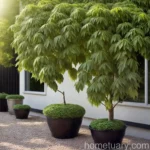
The oriental hornbeam is well-suited for container cultivation, making it a popular choice for urban gardens, patios, and smaller landscapes. Its compact size and elegant appearance make it an excellent candidate for container planting.
In container cultivation, it is essential to ensure that the potting mix is well-draining, and waterlogged conditions are avoided. Regular watering and occasional fertilization are important to support healthy growth and vigor in container-grown oriental hornbeam trees.
Container Common Diseases
While container cultivation can offer some level of protection against soil-borne diseases, it is important to be vigilant for potential issues that may arise.
Disease Diagnosis
Common diseases that may affect container-grown oriental hornbeams include:
-
Powdery Mildew: Characterized by a white, powdery growth on the leaves, powdery mildew can weaken the tree if left untreated. Proper air circulation and the use of fungicidal sprays can help manage this fungal disease.
-
Anthracnose: This fungal disease can cause dark, sunken lesions on leaves and twigs. Maintaining good sanitation practices and applying appropriate fungicides can aid in managing anthracnose.
Common Pests
The oriental hornbeam is relatively resistant to major pest infestations, but like any plant, it can be susceptible to certain pests, especially when its vigor is compromised. Keeping the tree healthy through proper cultural practices and promptly addressing any pest issues can help minimize damage and maintain its overall well-being.
Some pests that may affect oriental hornbeam trees include:
-
Aphids: These tiny insects can congregate on new growth and cause leaf curling and distortion. Natural predators such as ladybugs and lacewings can help keep aphid populations in check.
-
Scale Insects: Scale insects can appear as small, immobile bumps on the bark and leaves of the tree. In severe infestations, they can weaken the tree. Horticultural oils and insecticidal soaps can be effective in controlling scale insects.
Botanist’s Tips
For those looking to cultivate oriental hornbeam trees, here are some expert tips to ensure their success:
- Site Selection: Choose a location with well-draining soil and ample sunlight for optimal growth.
- Watering: Establish a regular watering schedule, particularly during the tree’s early years.
- Pruning: Practice proper pruning techniques to maintain the tree’s shape and remove any damaged or diseased branches.
- Fertilization: Apply a balanced, slow-release fertilizer in the spring to support healthy growth.
Fun Facts
- The wood of the oriental hornbeam is highly valued for its use in traditional woodworking, including the crafting of tool handles, furniture, and musical instruments.
- In its native range, the oriental hornbeam has cultural significance and has been used in various traditional practices and rituals.
- Oriental hornbeam trees can display stunning fall foliage, with leaves turning vibrant shades of yellow, orange, and red.
Links to External Resources
For further information on oriental hornbeam (Carpinus orientalis), consider exploring the following resources:
Using the provided links, you can delve deeper into the cultivation, characteristics, and cultural significance of the oriental hornbeam (Carpinus orientalis), gaining valuable insights from reputable botanical and horticultural sources.
In conclusion, the oriental hornbeam (Carpinus orientalis) stands as a captivating tree with both ornamental and practical qualities. Its adaptability, hard wood, and aesthetic appeal make it a cherished species in horticulture, serving as a testament to the rich diversity and beauty of the natural world.