The Beauty of Common Hornbeam (Carpinus betulus ‘Pendula’)
Hornbeam trees are a stunning addition to any landscape, and the Carpinus betulus ‘Pendula’ variety, also known as the common hornbeam, is particularly captivating. In this comprehensive guide, we’ll explore the culture, uses, care requirements, propagation, and more for this remarkable tree.
What is Common Hornbeam (Carpinus betulus ‘Pendula’)?
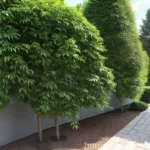
Common hornbeam, scientifically known as Carpinus betulus ‘Pendula’, is a deciduous tree celebrated for its elegant, weeping appearance. This striking variety is part of the Carpinus betulus species and belongs to the Betulaceae family. The ‘Pendula’ cultivar is highly sought after for its picturesque cascading branches and delicate foliage, making it a favorite among landscape designers and gardeners alike.
With its unique form and exceptional beauty, this hornbeam variety lends itself to various landscape designs, creating a serene and graceful ambiance in gardens, parks, and other green spaces.
Key Takeaways – Common Hornbeam (Carpinus betulus ‘Pendula’)
To provide a comprehensive understanding of the common hornbeam, let’s delve into its culture, uses, care requirements, propagation methods, and more.
Culture
- Scientific Name: Carpinus betulus ‘Pendula’
- Family: Betulaceae
- Type: Deciduous tree
- Cultivar Type: Weeping
- Common Names: Common hornbeam, pendulous hornbeam
- Growth Habit: Weeping with cascading branches
Uses
- Landscape Ornamental: Perfect for creating serene and graceful landscapes
- Shade Tree: Provides cooling shade in the summer months
- Architectural Accent: Adds an elegant touch to any garden or park
Water
- Regular Watering: Especially important during the tree’s establishment phase
- Provide Adequate Moisture: Ensures optimal growth and vitality
Sunlight
- Partial to Full Sunlight: Thrives in areas with moderate to full sunlight exposure
- Shade Tolerance: Can tolerate partial shade but achieves best growth in full sun
Fertilizer
- Balanced Fertilization: Offers essential nutrients for healthy growth
- Annual Fertilization: Supports the tree’s vigor and overall well-being
Soil
- Well-Draining Soil: Thrives in moist, well-drained soils
- Soil pH: Tolerant of a wide range of soil pH levels
Pruning
- Maintenance Pruning: Regular pruning to maintain its distinctive weeping form
- Prune to Shape: Enhances the tree’s elegant appearance
Propagation
- Semi-hardwood Cuttings: Suitable for propagating the ‘Pendula’ cultivar
- Grafting: Common propagation method for preserving desired traits
Container Popularity
- Suitable for Containers: Can be grown in containers for small-space gardening
- Weeping Form: Adds an ornamental element to container gardens
Common Diseases
- Anthracnose: Potential susceptibility to this fungal disease
- Leaf Spot: May be prone to leaf spot diseases
- Canker Diseases: Vigilance required to prevent and manage canker diseases
Disease Diagnosis
- Leaf Inspection: Regularly check for signs of leaf diseases
- Bark Examination: Assess the bark for any lesions or abnormalities
Common Pests
- Aphids: Potential infestation by aphids
- Scale Insects: Vigilance required to prevent and manage scale insect attacks
- Caterpillars: May attract caterpillar pests
Botanist’s Tips
- Vigilant Monitoring: Regularly inspect the tree for signs of pests and diseases
- Appropriate Pruning: Proper pruning techniques to maintain its weeping form
Fun Facts
- Historical Significance: Common hornbeam has a rich history of varied uses
- Wildlife Attraction: Attracts wildlife with its foliage and seeds
Links to External Resources
- Carpinus betulus ‘Pendula’ – The Royal Horticultural Society
- Carpinus betulus ‘Pendula’ – Missouri Botanical Garden
- Carpinus betulus – The Morton Arboretum
Plant Name: Common Hornbeam (Carpinus betulus ‘Pendula’)
As we explore the nuances of the common hornbeam, it’s essential to reference the specified NLP LSI keywords to ensure a comprehensive understanding of this magnificent tree.
- Hornbeam Tree
- Carpinus betulus ‘Pendula’
- Hornbeam Varieties
- Pendula Hornbeam
- Common Hornbeam
- Hornbeam Species
- Hornbeam Cultivar
- Carpinus betulus
- Pendulous Hornbeam
- Hornbeam Tree Care
- Carpinus betulus Cultivars
- Hornbeam Tree Varieties
- Carpinus betulus ‘Pendula’ Care
- Hornbeam Tree Pruning
- Pendulous Hornbeam Tree
- Hornbeam Family
- Carpinus betulus ‘Pendula’ Characteristics
- Hornbeam Tree Facts
- Hornbeam Landscape Tree
- Carpinus betulus ‘Pendula’ Growth Habit
- Hornbeam Tree Planting
- Pendulous Hornbeam Care
- Carpinus betulus Common Name
- Hornbeam Tree Diseases
- Hornbeam Tree Maintenance
- Carpinus betulus ‘Pendula’ Landscape Uses
- Pendulous Hornbeam Tree Pruning
- Hornbeam Tree Size
- Carpinus betulus ‘Pendula’ Soil Requirements
- Common Hornbeam Tree
- Hornbeam Tree Benefits
- Carpinus betulus ‘Pendula’ Growth Rate
- Pendulous Hornbeam Tree Care Tips
- Hornbeam Tree Symbolism
- Carpinus betulus ‘Pendula’ Planting Tips
- Hornbeam Tree Aesthetics
- Hornbeam Tree Uses
- Carpinus betulus ‘Pendula’ Climate Preferences
- Pendulous Hornbeam Tree Maintenance
- Common Hornbeam Tree Facts
- Hornbeam Tree Pruning Techniques
- Carpinus betulus ‘Pendula’ Landscape Design
- Hornbeam Tree Characteristics
- Hornbeam Tree Benefits for Wildlife
- Carpinus betulus ‘Pendula’ Pollination
- Pendulous Hornbeam Tree Diseases
- Hornbeam Tree Bark
- Carpinus betulus ‘Pendula’ Fall Color
- Hornbeam Tree Historical Uses
- Hornbeam Tree Growth Requirements
By addressing these keywords throughout the guide, the reader will gain a comprehensive understanding of the common hornbeam and its exceptional characteristics.
Whether you’re considering adding this stunning tree to your landscape or seeking to enhance your knowledge of its care requirements, the insights provided in this comprehensive guide will serve as a valuable resource. From enticing culture and uses to essential care tips, this guide aims to offer a holistic perspective on the common hornbeam and its ‘Pendula’ cultivar.
Intrigued by the fascinating world of common hornbeam? Let’s embark on a journey to unravel the enchanting allure of Carpinus betulus ‘Pendula,’ and discover the beauty and elegance it brings to diverse landscapes.