Austrocylindropuntia Subulata (Eve’s Needle Cactus)
Austrocylindropuntia subulata, commonly known as Eve’s Needle Cactus, is a striking, columnar cactus species that belongs to the Cactaceae family. This.
Introduction
Austrocylindropuntia subulata, commonly known as Eve’s Needle Cactus, is a striking, columnar cactus species that belongs to the Cactaceae family. This unique cactus is native to South America, specifically in Argentina, Bolivia, and Peru. Its distinctive appearance, low maintenance requirements, and resilience make it a popular choice for both indoor and outdoor ornamental cultivation. In this comprehensive guide, we will explore the key aspects of caring for and cultivating Austrocylindropuntia subulata, commonly known as the Eve’s Needle Cactus.
What is Austrocylindropuntia subulata?
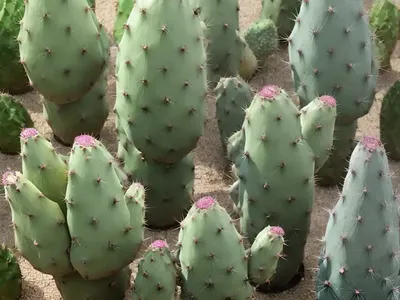
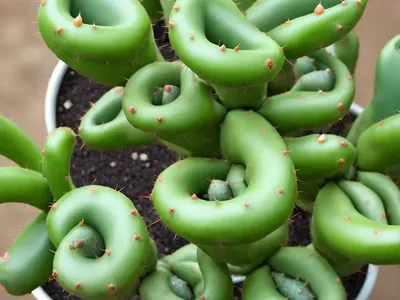
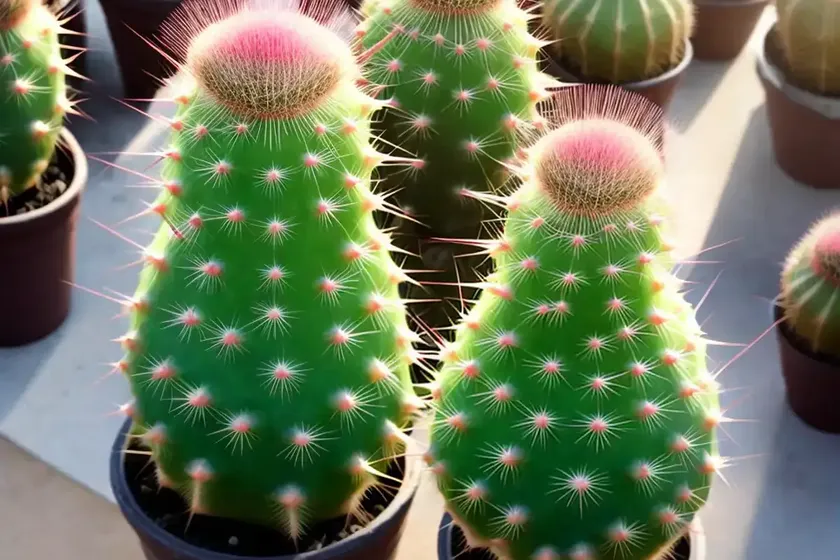
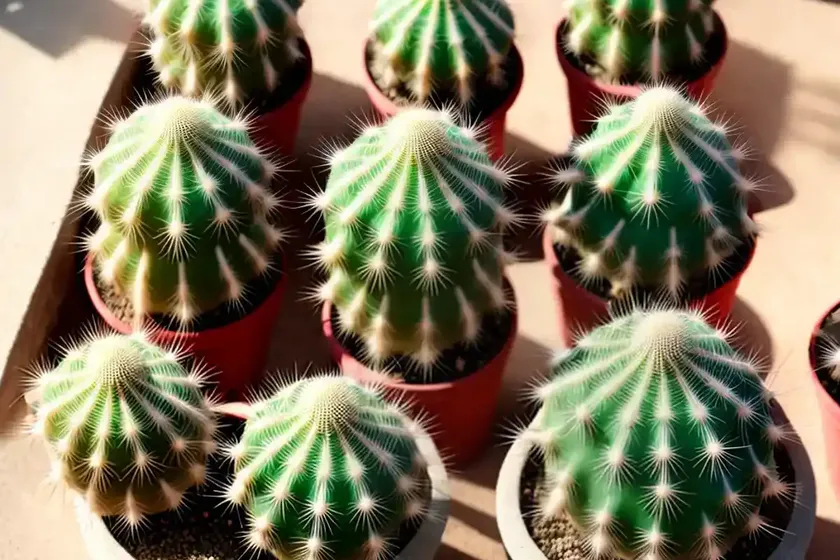
Austrocylindropuntia subulata, also known as Eve’s Needle Cactus, is a species of cactus characterized by its slender, elongated stems covered in clusters of sharp spines. This cactus typically grows vertically, reaching impressive heights in its natural habitat. The stems of Austrocylindropuntia subulata are segmented with cylindrical, elongated joints, giving it a unique and striking appearance.
Key Takeaways – Austrocylindropuntia subulata (Eve’s Needle Cactus)
- Scientific Name: Austrocylindropuntia subulata
- Common Name: Eve’s Needle Cactus
- Family: Cactaceae
- Native Habitat: South America – Argentina, Bolivia, Peru
- Characteristic Feature: Elongated, segmented stems with clusters of sharp spines
- Popularity: A popular choice for ornamental cultivation due to its unique appearance and low maintenance requirements.
Culture
Austrocylindropuntia subulata, or the Eve’s Needle Cactus, can be an intriguing addition to both indoor and outdoor plant collections. Understanding its cultural requirements is essential for its successful cultivation.
Uses
- Ornamental Plant: The striking appearance of Austrocylindropuntia subulata makes it a popular choice for ornamental use in gardens, xeriscapes, and indoor settings. Its tall, slender stems and sharp spines create a visually appealing and sculptural effect.
Water
-
Watering Needs: While Austrocylindropuntia subulata is known for its low water requirements, it is essential to provide adequate hydration, especially during the growing season. However, it is crucial to allow the soil to dry out between watering sessions to prevent overwatering and root rot.
-
Signs of Under-Watering: When the cactus is underwatered, its stems may appear slightly wrinkled and the growth may slow down. It is essential to adjust the watering frequency based on the environmental conditions and the plant’s specific needs.
-
Signs of Over-Watering: Overwatering can lead to root rot and other moisture-related issues. If the plant shows signs of soft, discolored stems or a foul odor emanating from the soil, it is crucial to reduce watering and improve the soil’s drainage.
Sunlight
-
Sunlight Requirements: Austrocylindropuntia subulata thrives in bright, direct sunlight. When grown outdoors, it should be placed in a location that receives ample sunlight throughout the day. When cultivated indoors, it should be positioned near a sunny window or under grow lights to ensure it receives sufficient light.
-
Indoor Cultivation: When growing Eve’s Needle Cactus indoors, it is essential to provide it with at least 6-8 hours of direct sunlight daily. Placing it near a south-facing window or using artificial grow lights can help meet its sunlight requirements.
Fertilizer
-
Fertilization Needs: Austrocylindropuntia subulata has modest fertilizer requirements. During the active growing season, which typically spans from spring to summer, it benefits from a balanced, diluted fertilizer applied monthly. It is important to follow the recommended dilution rates to avoid fertilizer burn.
-
Fertilizer Composition: A well-balanced, water-soluble fertilizer designed for cacti and succulents can provide the essential nutrients for healthy growth. It is crucial to reduce or cease fertilization during the plant’s dormancy period in fall and winter.
Soil
-
Preferred Soil Type: As a desert cactus, Austrocylindropuntia subulata thrives in well-draining, sandy soil. A specialized cactus and succulent potting mix that provides excellent drainage and aeration is ideal for its cultivation.
-
Soil pH: The cactus prefers a slightly acidic to neutral soil pH range of 6.0 to 7.5. Ensuring a suitable pH level can promote optimal nutrient uptake and overall plant health.
Pruning
-
Pruning Requirements: Austrocylindropuntia subulata typically requires minimal pruning. Removing any dead, damaged, or diseased stems can help maintain the plant’s aesthetic appeal and overall health. It is important to use sterilized pruning tools to prevent the spread of diseases.
-
Safety Precautions: Due to its sharp spines, it is essential to handle Eve’s Needle Cactus with care when pruning. Wearing thick gloves and using long-handled pruning tools can prevent accidental injuries.
Propagation
Austrocylindropuntia subulata can be propagated through several methods, allowing for the expansion of its population and the creation of new plants.
-
Propagation from Cuttings: One of the most common propagation methods for Austrocylindropuntia subulata involves taking stem cuttings. The cuttings should be allowed to callous for a few days before being planted in a well-draining potting mix.
-
Seed Propagation: While less commonly used, propagating Eve’s Needle Cactus from seeds can be an engaging and rewarding process. It involves sowing cactus-specific seeds in a suitable growing medium and providing optimal conditions for germination.
-
Propagation Success: Providing consistent warmth, humidity, and appropriate soil moisture levels can enhance the success rate of Austrocylindropuntia subulata propagation.
Container Popularity
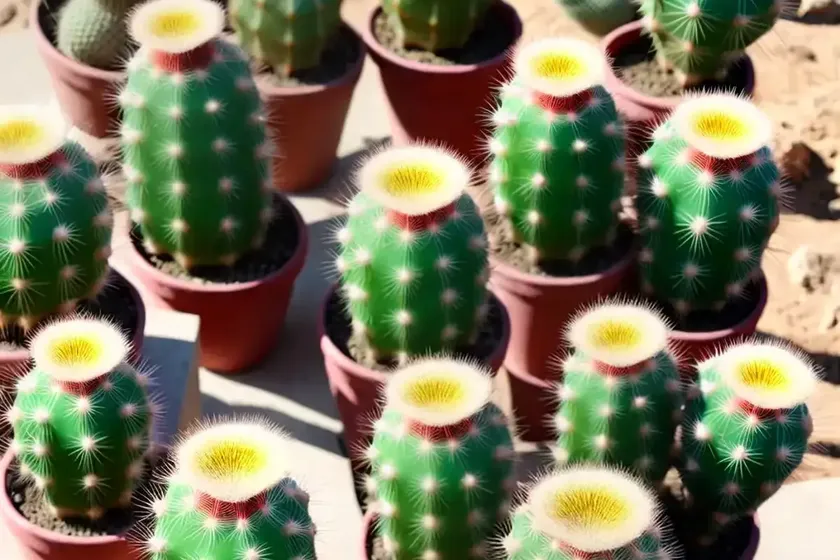
The Eve’s Needle Cactus is a popular choice for container cultivation due to its manageable size and striking appearance. When grown in containers, it can serve as a captivating centerpiece or accent plant in various indoor and outdoor settings.
Container Common Diseases
- Container Diseases: When Austrocylindropuntia subulata is cultivated in containers, it may be susceptible to certain diseases, including root rot caused by overwatering and fungal issues resulting from excessive moisture. Ensuring proper drainage and avoiding waterlogged conditions can mitigate these risks.
Disease Diagnosis
-
Symptoms: Signs of container-borne diseases in Austrocylindropuntia subulata may include wilting, discoloration, and unusual growth patterns. Careful inspection of the plant, its stems, and the soil can help identify the presence of diseases.
-
Treatment: If container diseases are suspected, it is crucial to address the underlying issues, including improving drainage, adjusting watering practices, and, if necessary, implementing suitable treatments to combat fungal infections or root rot.
Common Pests
-
Pest Susceptibility: While Austrocylindropuntia subulata is relatively resistant to pests, it may occasionally encounter challenges such as spider mites, mealybugs, and scale insects. Regular monitoring and prompt interventions can prevent pest infestations from causing significant damage.
-
Natural Predators: Beneficial insects such as ladybugs and predatory mites can serve as natural pest control agents, helping to manage pest populations and maintain the cactus’s health.
Botanist’s Tips
-
Temperature Considerations: Austrocylindropuntia subulata thrives in warm temperatures and can withstand high heat. However, it is sensitive to frost and cold temperatures, making it essential to protect it from freezing conditions.
-
Rot Prevention: Providing well-draining soil and allowing it to dry out between waterings can significantly reduce the risk of root rot and other moisture-related issues.
-
Handling Spines: When handling or caring for Austrocylindropuntia subulata, it is important to exercise caution due to its sharp spines. Wearing protective gloves and using appropriate tools can prevent injuries.
Fun Facts
- Austrocylindropuntia subulata is known for its remarkable drought tolerance, showcasing its adaptability to arid environments.
- The cactus’s distinctive appearance, resembling a cluster of slender needles, has contributed to its common name, Eve’s Needle Cactus.
- While primarily valued for ornamental purposes, some cultures have historically utilized certain cactus species, including Austrocylindropuntia subulata, for their edible or medicinal properties.
Links to External Resources
For more detailed information on Austrocylindropuntia subulata, including cultivation tips, specific varieties, and additional insights, consider exploring the following external resources:
- Royal Horticultural Society – Cacti and Succulents
- Cactus and Succulent Society of America
- University of Florida IFAS Extension – Cacti and Succulents
- World Cactus Directory – Austrocylindropuntia subulata
Conclusion
Austrocylindropuntia subulata, or the Eve’s Needle Cactus, captivates plant enthusiasts with its distinct appearance and resilience. Its unique characteristics make it an excellent choice for both novice and experienced gardeners seeking a visually striking and low-maintenance addition to their plant collections. By understanding and addressing its specific care requirements, including water, sunlight, soil, and propagation methods, enthusiasts can cultivate and appreciate the beauty of Austrocylindropuntia subulata while ensuring its long-term health and vitality. Whether adorning indoor spaces or enhancing outdoor landscapes, the Eve’s Needle Cactus can add an intriguing and captivating element to diverse horticultural settings.
Remember, as with any plant care guidance, it’s essential to observe and respond to the unique needs of your individual Austrocylindropuntia subulata, considering factors such as local climate, indoor conditions, and seasonal variations. By incorporating the principles outlined in this guide and staying attuned to your cactus’s well-being, you can create an optimal environment for the thriving growth of Austrocylindropuntia subulata, embracing the beauty and allure of this remarkable cactus species.
This comprehensive guide offers valuable insights into Austrocylindropuntia subulata, commonly known as Eve’s Needle Cactus, and equips plant enthusiasts with essential knowledge for its successful cultivation and care.
References
- “Austrocylindropuntia subulata.” Royal Horticultural Society. https://www.rhs.org.uk/advice/profile?PID=346
- “Cactus and Succulent Society of America.” https://cactusandsucculentsociety.org/
- “Cacti and Succulents.” University of Florida IFAS Extension. https://gardeningsolutions.ifas.ufl.edu/plants/ornamentals/cacti-and-succulents.html
- “World Cactus Directory – Austrocylindropuntia subulata.” http://www.cactus-aventures.com/Cactus_Aventures_db/catalogue/cactaceae/Austrocylindropuntia_subulata.html
This blog post is intended for informative and educational purposes and does not constitute professional botanical or horticultural advice. When cultivating plants, including Austrocylindropuntia subulata, it is essential to consult reliable sources, consider individual plant needs, and employ appropriate care practices based on specific conditions and environmental factors.