Olive Plant (Olea Europea (Oleaceae)
The Olive plant (Olea europaea) is a species of small tree native to the coastal areas of the eastern Mediterranean Basin and of particular importance in.
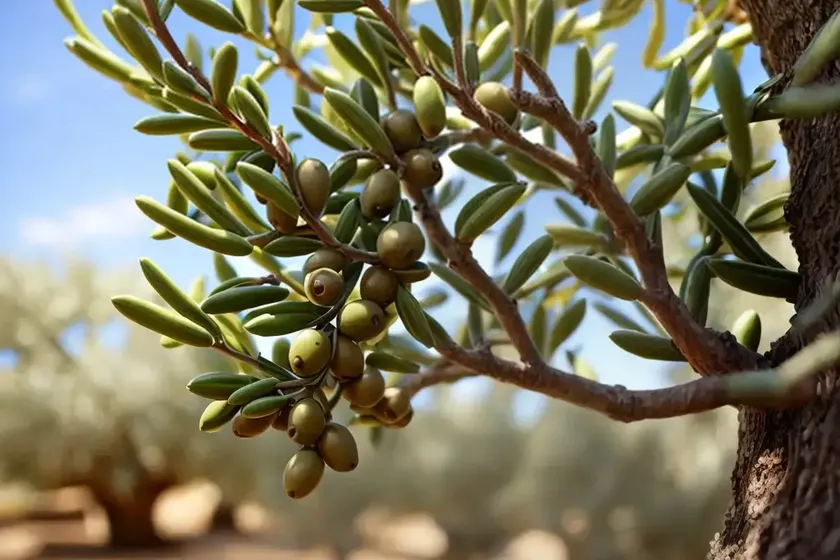
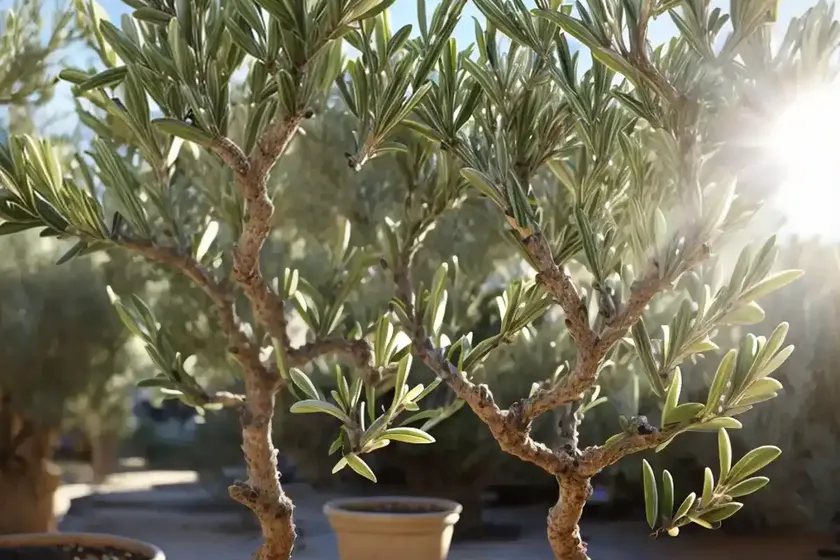
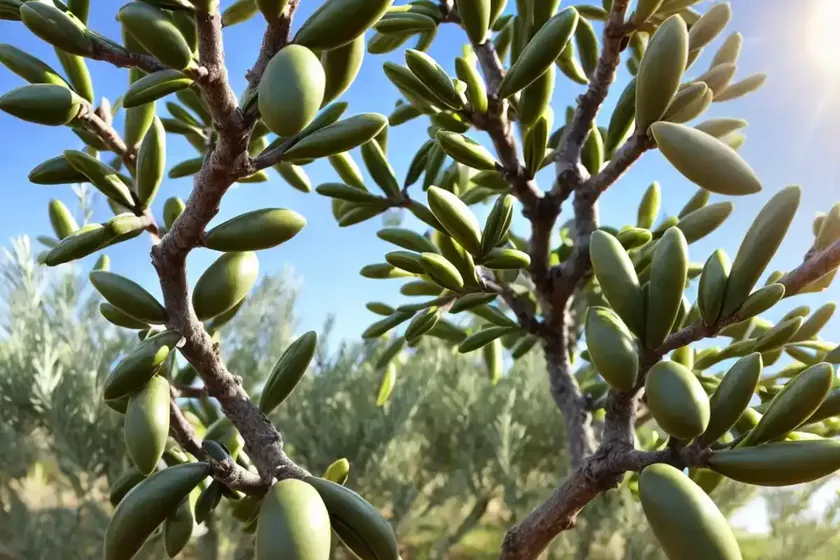
The Olive plant (Olea europaea) is a species of small tree native to the coastal areas of the eastern Mediterranean Basin and of particular importance in the Mediterranean region as the source of olive oil. This evergreen tree belongs to the family Oleaceae and is renowned for its beautiful silver-green foliage and the fruit it bears, which is known as the olive.
Key Takeaways – Olive plant (Olea europaea (Oleaceae))
Before delving into the specifics of caring for the Olive plant, let’s outline the key takeaways of this species. These points will give a wholesome overview of the plant’s culture, uses, and common maintenance practices.
- Culture
- Origin: Mediterranean Basin
- Growth: Evergreen tree
- Size: Can reach up to 50 feet in height
-
Foliage: Silver-green, leathery, and oblong
-
Uses
- Source of Olive Oil: The fruits are harvested for the extraction of olive oil.
- Culinary Uses: The olives are used in cooking and for the production of various food products.
-
Ornamental Purposes: Olive trees are often grown for their aesthetic appeal in landscapes.
-
Water
- Moderate water requirements
-
Soil should be well-draining to prevent waterlogging
-
Sunlight
- Full sunlight to partial shade
-
Thrives in Mediterranean climate with high sunlight exposure
-
Fertilizer
- Requires minimal fertilization, especially in well-fertile soils
-
Organic fertilizer or slow-release fertilizer can be applied
-
Soil
- Well-draining, slightly alkaline soil
-
Tolerant to different soil types, including poor and rocky soils
-
Pruning
- Regular pruning to control size and shape
-
Pruning to remove dead or diseased branches
-
Propagation
- Can be propagated through seeds, cuttings, or layering
-
Seed propagation is common but may result in variations in tree characteristics
-
Container Popularity
- Suitable for container growth, particularly dwarf and compact varieties
-
Ideal for urban and small-space gardening
-
Common Diseases
- Susceptible to fungal diseases such as Verticillium wilt and root rot
-
Bacterial infections like olive knot can also affect the tree
-
Disease Diagnosis
- Symptoms include wilting, leaf spots, and abnormal growth
-
Laboratory tests may be required for accurate diagnosis
-
Common Pests
- Prone to olive fruit fly and scale insects
-
Aphids and olive psyllid can also infest the plant
-
Botanist’s Tips
- Provide well-draining soil and adequate sunlight
- Monitor for pests and diseases regularly
-
Prune for shape and health maintenance
-
Fun Facts
- Olives have been cultivated for over 6,000 years
-
Olive trees symbolize peace, wisdom, and fertility in various cultures
-
Links to External Resources
- The Spruce: Grow Your Own Olive Trees
- Royal Horticultural Society: Olive
- University of California Agriculture & Natural Resources: Olive Production Manual
- Texas A&M AgriLife Extension: Growing Olives in Texas
Now that we have established an overview of the Olive plant, let’s delve into the specifics of its care and maintenance, the various uses it offers, and its significance in both historical and modern contexts.
Olive Plant Overview
The Olive plant, scientifically known as Olea europaea, is a versatile and iconic species that has been cultivated for centuries, predominantly for its culinary and ornamental qualities. Native to the Mediterranean Basin, the olive tree has an enduring association with the Mediterranean region and is celebrated for its ability to thrive in arid, sun-drenched climates.
Growing Olive Trees
The process of growing olive trees involves understanding the optimal conditions required for their cultivation. Let’s explore the essential factors governing the successful growth of olive trees.
Optimal Growing Conditions
-
Climate: Olive trees are best suited to regions with a Mediterranean climate, characterized by hot, dry summers and mild, wet winters. They thrive in full sunlight and warm temperatures, ideally between 70°F to 85°F (21°C to 29°C) during the growing season.
-
Soil: Well-draining soil is crucial for olive tree cultivation. The soil should be slightly alkaline with a pH level ranging from 7 to 8.5, ensuring that excess moisture does not accumulate around the roots.
-
Watering: While established olive trees are drought-tolerant, consistent watering is essential during the first few years of growth. However, excessive watering can lead to root rot, so it’s important to strike a balance.
-
Pruning: Regular pruning is beneficial for olive trees to maintain their shape, control size, and promote fruit production. Pruning also helps manage the tree’s overall health and vigor.
-
Fertilization: Olive trees generally have minimal fertilizer requirements, with organic or slow-release fertilizers being suitable. An annual application of a balanced fertilizer in late winter or early spring can support healthy growth.
Pruning Olive Plants
Pruning olive plants is a critical aspect of their care, benefiting both the tree’s structure and its fruit production. Proper pruning techniques can enhance the tree’s vigor and ensure a bountiful harvest. Let’s delve into the key considerations for pruning olive plants.
Pruning Objectives
-
Shape and Size Control: Pruning helps maintain the desired shape and size of the olive tree, making it more manageable and aesthetically pleasing.
-
Fruit Production: Proper pruning encourages the development of new growth, which is essential for fruit production. It also facilitates better air circulation and sunlight penetration, promoting healthy fruiting.
-
Health and Vigor: Regular pruning removes dead or diseased wood, improving the overall health and vigor of the tree.
Olive Tree Varieties
Olive tree varieties exhibit diverse characteristics, including differences in growth habits, fruit size and shape, oil content, and cold hardiness. Understanding the various olive tree varieties allows growers to select the most suitable cultivars for their specific needs. Here are some popular olive tree varieties:
Common Olive Tree Varieties
| Variety | Characteristics |
|---|---|
| Arbequina | Compact growth, highly productive, ideal for container cultivation |
| Manzanilla | Large fruit, high oil content, widely used for table olives and oil production |
| Picual | Vigorous growth, high oil yield, preferred for olive oil production |
| Frantoio | Cold hardy, adaptable, produces high-quality oil |
| Leccino | Early-ripening fruits, ideal for olive oil production |
| Koroneiki | Small fruit, high oil content, often used for high-quality olive oil |
USDA Hardiness Zones for Olive Trees
The USDA hardiness zones classify regions based on their climatic conditions, specifically the average annual minimum winter temperature. Understanding the suitable hardiness zones for olive trees is essential for growers to ensure their successful cultivation. Olive trees are generally hardy in USDA zones 8 to 11.
Mediterranean Gardens and Landscape Design
Mediterranean gardens are renowned for their distinct aesthetic appeal, drawing inspiration from the natural landscapes of the Mediterranean region. Incorporating olive trees into Mediterranean garden designs is a common practice, adding a sense of timeless elegance and a connection to the region’s rich cultural and agricultural heritage.
Mediterranean Plants
The inclusion of olive trees aligns with the broader theme of planting Mediterranean flora, which often encompasses drought-tolerant plants, aromatic herbs, and vibrant flowering species. Common Mediterranean plants that complement olive trees in garden landscapes include:
- Lavender (Lavandula spp.)
- Rosemary (Rosmarinus officinalis)
- Thyme (Thymus spp.)
- Bay Laurel (Laurus nobilis)
- Citrus Trees (Citrus spp.)
- Cistus (Cistus spp.)
Drought-Tolerant Plants
The presence of olive trees in Mediterranean gardens underscores the emphasis on drought-tolerant plant species that are well-suited to the region’s climate. Drought-tolerant plants not only conserve water but also contribute to the overall sustainability and resilience of the garden environment. Some notable drought-tolerant plants for Mediterranean landscapes include:
- Spanish Broom (Spartium junceum)
- Rock Rose (Cistus spp.)
- Jerusalem Sage (Phlomis fruticosa)
- Russian Sage (Perovskia atriplicifolia)
- Yucca (Yucca spp.)
Edible Landscape Plants
Incorporating edible landscape plants, such as olive trees, into garden designs adds a functional and culinary dimension to the landscape. Edible landscape plants are not only visually appealing but also offer a practical and sustainable way to produce food within the garden space. Alongside olive trees, other popular edible landscape plants include:
- Fig Trees (Ficus carica)
- Pomegranate (Punica granatum)
- Grapevines (Vitis spp.)
- Artichokes (Cynara cardunculus var. scolymus)
- Herbs (Basil, Mint, Oregano)
Olive trees offer an array of benefits, extending from their ornamental allure to their practical and nutritional value. Understanding the multifaceted benefits of olive trees illuminates their significance in various contexts, ranging from traditional agricultural practices to modern landscaping trends.
Culinary and Commercial Importance
Olive Oil Production
The primary commercial benefit of olive trees lies in the production of olive oil, a staple ingredient in Mediterranean cuisine and a prominent feature in international culinary contexts. Olive oil is renowned for its health benefits, versatile usage in cooking, and distinct flavor profiles. The process of olive oil production involves several key stages:
- Harvesting: The olives are carefully handpicked or mechanically harvested, ensuring that they are at the optimal stage of ripeness.
- Processing: The harvested olives undergo pressing or centrifugation to extract the oil from the fruit pulp. This yields extra virgin, virgin, or regular olive oil based on the processing method and quality of the olives.
- Filtering and Bottling: Following extraction, the olive oil is typically filtered to remove any residual impurities and then bottled for distribution.
Authentic extra virgin olive oil, obtained from the first pressing of the olives, is highly prized for its superior quality, compelling flavor, and nutritional richness.
Culinary Uses of Olives
In addition to olive oil production, the olives themselves are used in an array of culinary applications, ranging from antipasti and savory dishes to toppings and spreads. Olives are available in various forms, including:
- Green Olives
- Black Olives
- Kalamata Olives
- Spanish Manzanilla Olives
- Castelvetrano Olives
These different varieties of olives exhibit distinctive flavors, textures, and culinary profiles, making them versatile ingredients in global cuisine.
Ornamental Appeal
Aside from their economic and culinary significance, olive trees contribute to the ornamental appeal of landscapes, gardens, and urban environments. The silvery-green foliage, gnarled trunks, and overall graceful aesthetic of olive trees add an understated elegance to diverse settings, including:
- Residential Gardens
- Public Parks
- Institutional Landscapes
- Streetscapes and Boulevards
- Open Plazas and Courtyards
The timeless charm of olive trees resonates with individuals seeking to infuse their surroundings with a sense of tranquility, natural beauty, and a connection to Mediterranean culture.
While olive trees are renowned for their resilience, they are susceptible to certain diseases and pests that can impact their health and productivity. Vigilant monitoring and prompt intervention are essential for managing common diseases and pests that affect olive trees.
Common Diseases
Olive trees can fall prey to various fungal and bacterial diseases, particularly in conditions of high humidity and poor air circulation. Understanding the symptoms and management strategies for common diseases is crucial for preserving the health of olive trees.
Disease Diagnosis
Accurately diagnosing diseases affecting olive trees is vital for implementing effective treatment measures. Careful observation of the following symptoms can aid in diagnosing common olive tree diseases:
- Leaf Spots and Lesions: Discoloration, dark spots, or lesions on the leaves can indicate fungal or bacterial infections.
- Wilting and Dieback: Sudden wilting or dieback of branches may signal vascular diseases such as Verticillium wilt.
- Abnormal Growth and Decline: Stunted growth, yellowing of foliage, and a general decline in tree vigor could indicate underlying diseases.
In some cases, laboratory tests may be necessary to identify specific pathogens and confirm the nature of the disease affecting the olive trees.
Common Olive Tree Diseases
Verticillium Wilt
- Causal Agent: Verticillium dahliae, a soilborne fungus
- Symptoms: Wilting, yellowing, and premature shedding of leaves; brown discoloration in vascular tissues
- Management: Practices such as soil solarization, crop rotation, and resistant cultivar selection can help manage Verticillium wilt.
Olive Knot
- Causal Agent: Pseudomonas savastanoi, a bacterial pathogen
- Symptoms: Galls or knots on branches and twigs; shoot dieback and reduced vigor
- Management: Pruning and removing infected branches; copper-based fungicides for control
Anthracnose
- Causal Agents: Colletotrichum spp. and Glomerella spp., fungal pathogens
- Symptoms: Dark, sunken lesions on fruits and young shoots; defoliation and fruit drop
- Management: Sanitation, pruning, and application of fungicides during the growing season
Common Pests
Pests can pose a significant threat to olive trees, impacting both their foliage and fruit production. Effective pest management involves prevention, monitoring, and targeted control measures to mitigate the damage caused by common pests.
Olive Fruit Fly
The olive fruit fly (Bactrocera oleae) is a notorious pest that directly affects olive yields by infesting the fruit, leading to spoilage and reduced quality.
- Symptoms: Larval infestation causes browning, rotting, and premature dropping of olives.
- Management: Traps, bait stations, and insecticide applications are commonly used to control olive fruit fly populations.
Scale Insects
Scale insects, including the black scale (Saissetia oleae) and olive scale (Parlatoria oleae), are sap-feeding pests that can weaken olive trees and inhibit healthy growth.
- Symptoms: Honeydew secretion, sooty mold development, and yellowing of foliage
- Management: Natural predators, horticultural oils, and insecticidal treatments for severe infestations
Aphids and Olive Psyllid
Aphids and olive psyllids are sap-sucking insects that can cause leaf distortion, reduced vigor, and honeydew excretion, leading to fungal issues.
- Management: Predatory insects, cultural practices, and targeted insecticide applications to address infestations
Implementing successful olive tree care practices relies on a combination of horticultural knowledge, hands-on experience, and a deep appreciation for the distinct requirements of these iconic trees. Here are some botanist’s tips for effectively caring for olive trees:
-
Planting Location: Select a sunny, well-drained site for planting olive trees, ensuring adequate space for mature growth.
-
Pruning Techniques: Master proper pruning techniques to maintain tree health, control size, and encourage fruiting.
-
Pest and Disease Management: Regularly monitor olive trees for signs of pests and diseases, implementing preventive and curative measures as necessary.
-
Irrigation and Watering: Provide consistent watering during the establishment phase, gradually transitioning to drought-tolerant practices for mature trees.
-
Soil Health and Fertility: Ensure optimal soil conditions by incorporating organic matter, maintaining pH levels, and balancing nutrient requirements.
-
Harvesting Practices: Time the olive harvest based on ripeness, with consideration for intended use (oil production or table olives).
Olive trees have a rich history and cultural significance, with an array of interesting and lesser-known facts that highlight their enduring appeal. Let’s explore some fun facts about olive trees:
-
Symbol of Peace: The olive tree has been revered as a symbol of peace and prosperity for millennia, with its branches serving as an emblematic representation of harmony and unity.
-
Mediterranean History: Olive cultivation has been integral to the Mediterranean region’s history, playing a crucial role in the cultural, economic, and agricultural fabric of ancient civilizations.
-
Ancient Mythology: In Greek mythology, the olive tree was considered a gift from the goddess Athena, symbolizing wisdom, victory, and regeneration.
-
Longevity: Olive trees are known for their remarkable longevity, with some specimens estimated to be several centuries old, embodying resilience and endurance.
The Olive plant (Olea europaea) stands as an emblem of resilience, culinary richness, and timeless natural beauty. From its origins in the Mediterranean Basin to its widespread presence in gardens, landscapes, and commercial orchards, the olive tree continues to captivate and inspire. Its intrinsic ties to Mediterranean culture, cuisine, and historical symbolism underscore the profound significance of this enduring species. By embracing the principles of proper care, preservation, and awareness of its unique attributes, we can uphold and celebrate the legacy of the Olive plant for generations to come.
Through the exploration of olive tree care, the diverse uses of olives, the management of common diseases and pests, and the cultivation of olive tree varieties, we delve into a world infused with tradition, flavor, and natural splendor. As we cherish the timeless allure of the Olive plant, the spirit of the Mediterranean and the legacy of the ancient olive tree continue to thrive, beckoning us to partake in its enduring journey.
We invite you to further explore the realm of olive tree culture, folklore, and practical tips, drawing inspiration from its rich tapestry of history, ecological adaptability, and unparalleled contributions to the fabric of horticulture and human heritage.
In the spirit of cultivating harmony and growth, may the olive tree stand as a symbol of unity, perpetuity, and the enduring essence of nature’s evergreen embrace.
This blog post has been prepared by a dedicated team of plant scientists and horticultural enthusiasts, drawing upon their collective expertise and passion for botanical exploration. May the olive tree kindle new journeys and endeavors in the realm of horticulture and appreciation for the natural world.
References:
– The Spruce: Grow Your Own Olive Trees (https://www.thespruce.com/growing-olive-trees-1402970)
– Royal Horticultural Society: Olive (https://www.rhs.org.uk/plants/17590/i-olea-europaea-i/details)
– University of California Agriculture & Natural


