Oenothera Speciosa ‘Rosea’ (Evening Primrose)
Oenothera speciosa ‘Rosea’, commonly known as Evening Primrose, is a stunning perennial plant that is valued for its delicate pink blooms and.
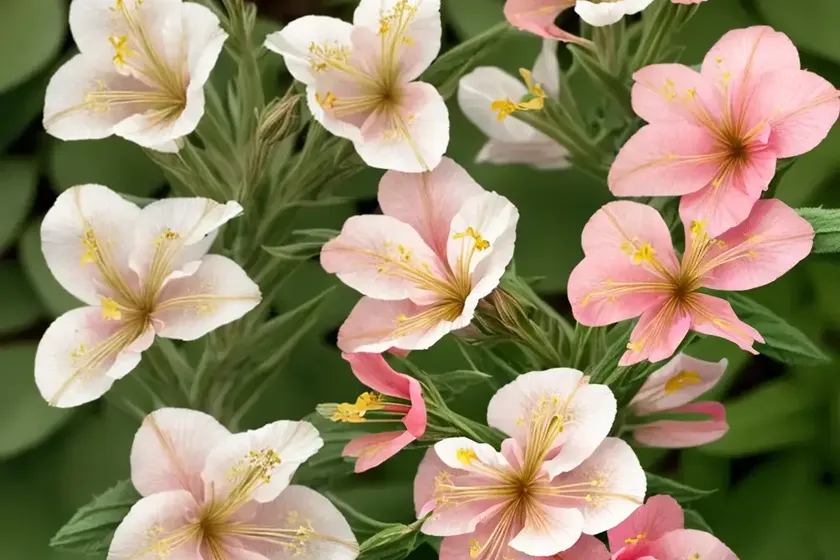
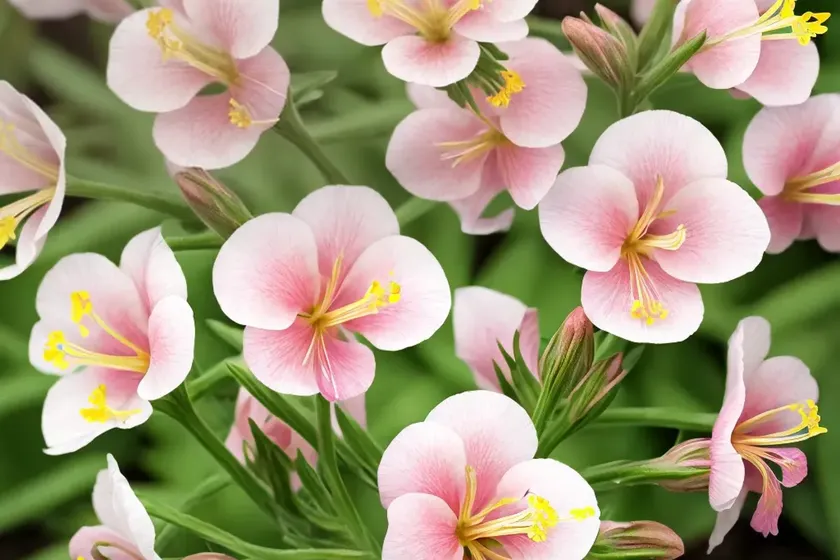
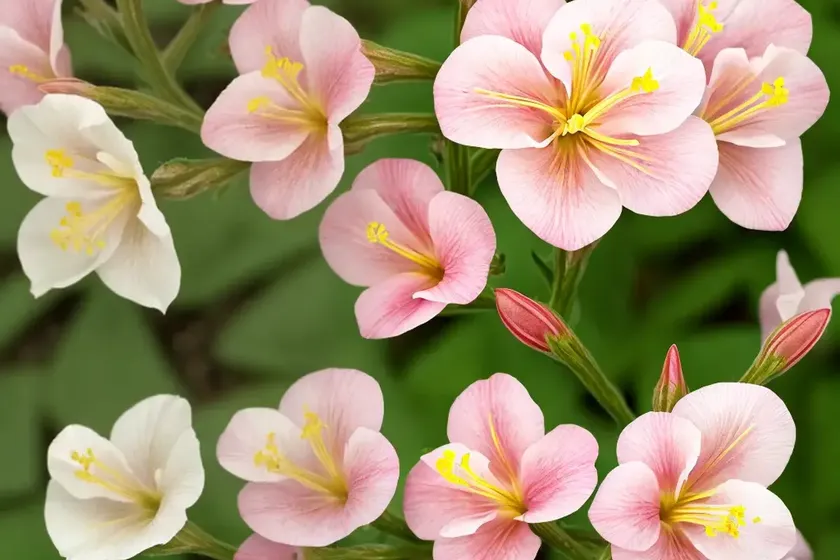
Oenothera speciosa ‘Rosea’, commonly known as Evening Primrose, is a stunning perennial plant that is valued for its delicate pink blooms and easy-to-maintain nature. This plant variety belongs to the Onagraceae family and is native to North America. With its enchanting flowers and numerous benefits, Oenothera speciosa ‘Rosea’ has become a favorite among gardeners and horticulturists.
In this comprehensive guide, we will explore the remarkable characteristics of Oenothera speciosa ‘Rosea’, along with essential care tips, propagation techniques, landscape uses, and much more. Whether you are a seasoned gardener or a novice plant enthusiast, this guide aims to provide you with valuable insights and practical advice for cultivating and enjoying the beauty of Evening Primrose in your garden.
What is Oenothera speciosa ‘Rosea’ (Evening Primrose)?
Oenothera speciosa ‘Rosea’ is a herbaceous perennial plant that typically reaches a height of 8-12 inches and spreads to about 12-24 inches. Its narrow, lance-shaped green leaves add to the plant’s aesthetic appeal, but it is the delicate pink flowers that truly steal the show. The blossoms open during the evening, emitting a sweet fragrance that attracts nocturnal pollinators such as moths.
The Evening Primrose plant is characterized by its sprawling growth habit and its ability to thrive in diverse environmental conditions. This resilience, coupled with its captivating floral display, makes Oenothera speciosa ‘Rosea’ a popular choice for both domestic and professional landscaping projects.
Key Takeaways – Oenothera speciosa ‘Rosea’
Before delving into the specifics of caring for Oenothera speciosa ‘Rosea’, let’s take a look at the key takeaways that will be discussed in this guide:
- Characteristics – Exploring the unique attributes of Oenothera speciosa ‘Rosea’.
- Culture – Understanding the environmental requirements and conditions favorable for the plant’s growth.
- Uses – Unveiling the diverse applications of Evening Primrose, from ornamental purposes to medicinal utilization.
- Water – Nurturing the plant with the right amount of hydration to ensure its well-being.
- Sunlight – Determining the optimal sunlight exposure for promoting healthy growth and prolific flowering.
- Fertilizer – Learning about the nutritional needs of Oenothera speciosa ‘Rosea’ and the role of fertilizers in enhancing its vitality.
- Soil – Examining the soil preferences of the plant and how to create an ideal growing medium.
- Pruning – Understanding the significance of pruning and the techniques suitable for Evening Primrose.
- Propagation – Exploring different methods of propagating Oenothera speciosa ‘Rosea’ to expand its presence in the garden.
- Container – Discovering the potential for growing Evening Primrose in containers and suitable practices for container gardening.
- Popularity – Highlighting the widespread appeal and recognition of Oenothera speciosa ‘Rosea’.
- Common Diseases – Identifying potential diseases that can affect the plant and implementing preventive measures.
- Common Pests – Recognizing the pests that may pose a threat to Evening Primrose and strategies for pest management.
- Botanist’s Tips – Leveraging expert advice and insights for successfully cultivating Oenothera speciosa ‘Rosea’.
- Fun Facts – Unearthing intriguing and lesser-known facts about Evening Primrose.
Through these focal points, we aim to provide a comprehensive and informative guide that will empower you to nurture and appreciate the beauty of Oenothera speciosa ‘Rosea’.
Oenothera speciosa ‘Rosea’ (Evening Primrose) Characteristics
Oenothera speciosa ‘Rosea’ exhibits several distinctive characteristics that make it an appealing addition to gardens and landscapes. Understanding the plant’s unique attributes is essential for creating an environment that fosters its growth and development.
-
Growth Habit: The plant features a low-growing, spreading habit, forming dense mats of foliage and flowering stems. Its sprawling nature makes it suitable for ground cover and border plantings.
-
Flowers: Evening Primrose produces striking, four-petaled, cup-shaped flowers that are pale pink in color. These blossoms measure approximately 1-2 inches in diameter and appear atop slender, upright stems.
-
Foliage: Its lance-shaped leaves are arranged alternately along the stems, imparting a lush and verdant appearance to the plant. The foliage remains evergreen in milder climates, providing year-round interest.
-
Fragrance: The flowers of Oenothera speciosa ‘Rosea’ emit a sweet, delicate fragrance that is most pronounced during the evening hours. The aromatic allure of the blooms enhances the sensory experience of the garden.
-
Flowering Period: Evening Primrose typically blooms from late spring through summer, offering an extended period of floral display. The continuous production of blossoms contributes to its ornamental value.
These unique characteristics combine to make Oenothera speciosa ‘Rosea’ an exceptional choice for adorning various outdoor spaces and creating visually captivating landscapes. Whether planted en masse or as a standalone specimen, the plant’s attributes contribute to its widespread popularity among gardeners and horticulture enthusiasts.
Oenothera speciosa ‘Rosea’ (Evening Primrose) Care Tips
Culture
Cultivating Oenothera speciosa ‘Rosea’ involves providing an environment that mimics its native habitat while accommodating its adaptability and resilience. Understanding the culture requirements of the plant is crucial for fostering its health and promoting vigorous growth.
-
Hardiness Zones: Evening Primrose is well-suited to thrive in USDA hardiness zones 5-8, where it can endure a wide range of temperatures and climatic conditions. It exhibits remarkable adaptability to varying environmental factors, making it an ideal choice for diverse landscapes.
-
Watering: It is essential to maintain consistent soil moisture, particularly during the plant’s establishment phase and periods of prolonged drought. While Evening Primrose demonstrates good drought tolerance once established, regular watering during dry spells is beneficial for promoting robust flowering.
-
Soil Conditions: Oenothera speciosa ‘Rosea’ prefers well-draining, fertile soil with a neutral to slightly acidic pH. Amending the soil with organic matter, such as compost or peat moss, can enhance its fertility and structure, contributing to the plant’s overall well-being.
-
Planting Location: Select a planting site that receives ample sunlight, as Evening Primrose thrives in full sun to partial shade conditions. Providing adequate sunlight is vital for stimulating abundant flowering and maintaining the plant’s compact growth habit.
-
Mulching: Applying a layer of organic mulch, such as wood chips or shredded bark, around the base of the plant can help conserve soil moisture, suppress weed growth, and insulate the roots during temperature fluctuations.
-
Companion Planting: Evening Primrose complements a variety of plants in garden borders and mixed beds. Pairing it with species that share similar cultural requirements can create visually appealing and harmonious plant combinations.
Uses
The versatile nature of Oenothera speciosa ‘Rosea’ extends beyond its ornamental value, encompassing a range of practical and aesthetic applications. Understanding the diverse uses of Evening Primrose allows gardeners and landscape designers to capitalize on its attributes effectively.
-
Ornamental Value: The enchanting pink blooms of Evening Primrose make it a sought-after choice for enhancing the visual appeal of gardens, landscapes, and naturalistic plantings. Its sprawling growth habit and prolonged flowering period contribute to its ornamental desirability.
-
Medicinal Properties: Some varieties of Evening Primrose, particularly Oenothera biennis, are renowned for their medicinal properties, with the oil extracted from the plant’s seeds being utilized in traditional and alternative medicine practices.
-
Wildlife Attraction: The flowers of Oenothera speciosa ‘Rosea’ are attractive to pollinators, including bees, butterflies, and moths, making it a valuable addition to pollinator-friendly gardens and wildlife habitats. By supporting pollinators, the plant contributes to ecosystem health and biodiversity.
-
Naturalized Landscapes: Due to its adaptability and low-maintenance nature, Evening Primrose is conducive to naturalized landscapes, including meadows, prairies, and wildflower gardens. Its ability to thrive in diverse ecological settings makes it a valuable asset for ecological restoration projects and sustainable landscaping initiatives.
-
Container Gardening: The compact size and sprawling growth habit of Oenothera speciosa ‘Rosea’ make it suitable for container gardening, allowing individuals with limited outdoor space to enjoy its captivating blooms on patios, balconies, and terraces.
By recognizing the myriad uses of Oenothera speciosa ‘Rosea’, both as an ornamental plant and for its ecological contributions, individuals can harness its potential to create diverse and purposeful landscapes.
Water
Proper water management is essential for nurturing healthy growth and vibrant blooms in Oenothera speciosa ‘Rosea’. Understanding the plant’s water requirements and implementing appropriate irrigation practices contribute to its overall vitality.
-
Establishment Phase: During the initial establishment phase, it is crucial to provide consistent moisture to the plant, ensuring that the soil remains evenly moist but not waterlogged. This facilitates root development and helps the plant acclimate to its new environment.
-
Drought Tolerance: Once established, Evening Primrose exhibits good drought tolerance and can endure periods of reduced water availability. However, in regions experiencing prolonged dry spells, supplemental watering can promote continuous flowering and prevent undue stress on the plant.
-
Irrigation Practices: Water the plant at the base to avoid wetting the foliage, as excessive moisture on the leaves can promote fungal diseases. A drip irrigation system or soaker hose can deliver water directly to the root zone, minimizing water loss through evaporation and runoff.
-
Monitoring Moisture Levels: Regularly check the soil moisture to gauge the need for watering. Adjust the frequency and volume of irrigation based on environmental conditions, such as temperature, humidity, and rainfall patterns.
By adhering to appropriate watering practices, gardeners can optimize the health and performance of Oenothera speciosa ‘Rosea’ while conserving water resources and promoting sustainable gardening practices.
Sunlight
Sunlight is a critical factor influencing the growth, flowering, and overall well-being of Oenothera speciosa ‘Rosea’. Understanding the plant’s sunlight requirements and providing appropriate exposure are essential for fostering robust and prolific growth.
-
Full Sun Exposure: Evening Primrose thrives in full sun conditions, defined as a minimum of 6-8 hours of direct sunlight daily. Placing the plant in a location with ample sunlight stimulates vigorous flowering and maintains its compact growth habit.
-
Partial Shade Tolerance: While Evening Primrose prefers full sun, it can also tolerate partial shade, especially in regions with intense afternoon heat or prolonged periods of high temperatures. Providing some respite from the midday sun can prevent stress and sunburn on the foliage.
-
Site Selection: When choosing a planting location for Oenothera speciosa ‘Rosea’, prioritize spots that receive abundant sunlight, such as open garden beds, borders, or rockeries. Avoid areas shaded by tall trees, buildings, or structures that obstruct sunlight.
-
Optimizing Sun Exposure: Periodically assess the site’s sun exposure throughout the day to ensure that the plant receives the requisite amount of sunlight. Adjust the positioning of containers or planting beds if necessary to maximize sunlight exposure.
Maintaining appropriate sunlight levels is vital for promoting the robust growth, prolific flowering, and overall resilience of Oenothera speciosa ‘Rosea’ in diverse garden settings.
Fertilizer
While Oenothera speciosa ‘Rosea’ is relatively low-maintenance, providing appropriate nutrition through fertilization can enhance its vigor, flowering capacity, and overall aesthetic appeal. Understanding the plant’s fertilizer requirements is essential for promoting optimal growth and performance.
-
Fertilizer Type: Apply a balanced, all-purpose fertilizer with a formulation such as 10-10-10 or 20-20-20 to supply essential macro- and micronutrients to the plant. Alternatively, utilize a slow-release fertilizer that gradually releases nutrients over an extended period.
-
Application Timing: Fertilize Evening Primrose in early spring before the onset of new growth, providing a boost of nutrients to support flowering and foliage development. Refrain from fertilizing during the plant’s dormant or dormant period to avoid stimulating unnecessary growth.
-
Dosage and Frequency: Follow the manufacturer’s instructions for the recommended dosage and frequency of fertilization. Avoid over-fertilizing, as excessive nutrients can lead to lush foliage at the expense of floral production.
-
Incorporating Organic Matter: Amending the soil with organic matter, such as compost or well-rotted manure, can supplement the plant’s nutritional needs and improve soil structure. Incorporating organic amendments during planting or topdressing existing plantings can contribute to long-term soil fertility.
Understanding the role of fertilization and implementing appropriate feeding practices can bolster the health and resilience of Oenothera speciosa ‘Rosea’, contributing to its longevity and ornamental value in garden settings.
Soil
Creating an optimal growing medium is crucial for providing a conducive environment for Oenothera speciosa ‘Rosea’ to thrive. Understanding the plant’s soil preferences and implementing suitable soil management practices are essential for promoting healthy growth and flowering.
-
Well-Draining Soil: Evening Primrose thrives in well-draining soil that prevents waterlogging and facilitates adequate aeration of the root system. Amending heavy or compacted soils with organic matter can improve drainage and promote root health.
-
pH Level: Aim for a neutral to slightly acidic soil pH in the range of 6.0-7.0, as Oenothera speciosa ‘Rosea’ prefers slightly acidic growing conditions. Conduct a soil test to assess the pH level and make necessary adjustments using lime or sulfur to achieve the desired range.
-
Soil Composition: Utilize a blend of loam, sand, and organic matter to create a fertile, friable growing medium that is conducive to root development and water retention. Avoid soils that are excessively clayey or prone to compaction.
-
Topdressing and Mulching: Periodically topdress the soil around the plant with compost or organic mulch to replenish nutrients, improve soil structure, and conserve soil moisture. Mulching also helps suppress weed growth and insulate the roots from temperature extremes.
By creating an optimal soil environment tailored to the preferences of Oenothera speciosa ‘Rosea’, gardeners can establish a foundation for the plant’s long-term health and vitality, facilitating its ornamental value and overall resilience.
Pruning
Pruning Oenothera speciosa ‘Rosea’ is an important maintenance practice that contributes to the plant’s appearance, flowering performance, and overall health. Understanding the significance of pruning and implementing appropriate techniques are essential for managing the plant’s growth and appearance.
-
Deadheading: Remove spent flowers promptly to stimulate continuous blooming and prevent the formation of seeds. Deadheading redirects the plant’s energy toward producing new flowers, prolonging the flowering period and enhancing the plant’s ornamental appeal.
-
Thinning and Shaping: Periodically thin out dense or overcrowded stems to improve air circulation, reduce the risk of disease, and promote a more open, balanced growth habit. Shaping the plant through selective pruning can help maintain its compact form and prevent it from becoming leggy.
-
Renewal Pruning: In late winter or early spring, consider performing renewal pruning to rejuvenate the plant and encourage vigorous new growth. Prune back old, woody stems to ground level to stimulate the emergence of fresh, healthy growth.
-
Sterilizing Tools: Use clean, sharp pruning tools to make precise cuts and prevent the spread of diseases. Sterilize the blades of pruning shears or loppers with rubbing alcohol or a 10% bleach solution before and after each use.
By incorporating regular pruning into the care regimen for Oenothera speciosa ‘Rosea’, gardeners can promote its overall vitality, flowering capacity, and aesthetic appeal, ensuring its continued success in the garden.
Propagation
Expanding the presence of Oenothera speciosa ‘Rosea’ in the garden or sharing its beauty with others often involves propagating the plant through various methods. Understanding the techniques for propagating Evening Primrose allows individuals to multiply their plant stock and enjoy its enchanting blooms throughout their landscape.
-
Seed Propagation: Evening Primrose can be propagated from seeds collected from mature seed heads. Sow the seeds in prepared seed trays or directly in the garden bed, covering them lightly with soil. Keep the soil consistently moist until germination occurs.
-
Division: Mature clumps of Oenothera speciosa ‘Rosea’ can be divided in early spring or early fall to create new plantings. Carefully lift the plant from the ground, loosen the root ball, and separate it into smaller sections, each containing several shoots and a portion of the root system.
-
Root Cuttings: Take softwood or semi-hardwood cuttings from young, healthy stems in spring or early summer. Dip the cuttings in rooting hormone and plant them in a well-draining potting mix. Provide adequate warmth and moisture to encourage root development.
-
Container Gardening: Propagate Evening Primrose in containers by sowing seeds or transplanting divisions into well-draining, nutrient-rich potting mix. Select spacious containers that allow for unrestricted root growth and ensure adequate drainage.
By mastering the art of propagating Oenothera speciosa ‘Rosea’, individuals can derive immense satisfaction from cultivating new plantings and expanding the presence of this captivating perennial in diverse garden settings.
Container
While Oenothera speciosa ‘Rosea’ is often planted directly in garden beds, it also lends itself well to container gardening, offering versatility and visual appeal in a compact form. Understanding the nuances of container cultivation and implementing suitable practices are essential for successfully growing Evening Primrose in pots.
-
Container Selection: Choose spacious containers with adequate drainage holes to accommodate the plant’s root system and prevent waterlogging. Select containers made of durable, weather-resistant materials that complement the plant’s aesthetic and endure outdoor conditions.
-
Potting Mix: Utilize a well-draining, nutrient-rich potting mix tailored to the requirements of flowering perennials. Incorporate organic matter to enhance soil fertility and moisture retention, promoting robust growth and prolific flowering.
-
Watering and Fertilization: Monitor the soil moisture in containers and water the plant as needed to maintain even moisture levels. Regularly feed the plant with a balanced, water-soluble fertilizer to supplement its nutritional needs throughout the growing season.
-
Site Selection: Position the containers in locations that receive ample sunlight, ensuring a minimum of 6-8 hours of direct sunlight daily. Rotate the containers periodically to promote uniform growth and flowering on all sides of the plants.
-
Maintenance: Monitor the plant for signs of stress, such as wilting or leaf discoloration, and make necessary adjustments to watering, sunlight exposure, and overall care. Inspect the containers for drainage efficiency and perform periodic maintenance to keep them in optimal condition.
With careful attention to the unique requirements of container gardening, individuals can enjoy the beauty and charm of Oenothera speciosa ‘Rosea’ in confined outdoor spaces such as patios, balconies, and terraces.
Popularity
Oenothera speciosa ‘Rosea’ has garnered widespread popularity and recognition among gardeners, landscapers,


