Common Evening-primrose (Oenothera Biennis)
By Plant Scientist
By Plant Scientist
What is a Plant?
Plants are multidimensional organisms that play a crucial role in maintaining life on Earth. They are essential for various ecological processes, including oxygen production, carbon sequestration, and providing habitats for numerous organisms. Besides their ecological significance, plants are also vital for human life, serving as sources of food, medicine, materials, and aesthetic pleasure.
One fascinating species that exemplifies the marvels of the plant kingdom is the Common Evening-Primrose (Oenothera biennis). Boasting a rich history of medicinal and cultural significance, this plant holds a revered place in the hearts of botanists, herbalists, and nature enthusiasts alike.
Common Evening-Primrose (Oenothera biennis)
Key Takeaways
Let’s delve into the enchanting world of Common Evening-Primrose (Oenothera biennis) by exploring its characteristics, cultivation techniques, medicinal uses, and much more. This comprehensive guide will provide a deep understanding of this captivating plant and equip you with the knowledge to nurture it in your own garden.
Culture
Overview of Common Evening-Primrose
Scientific Name: Oenothera biennis
Family: Onagraceae
Genus: Oenothera
Common Names: Evening Primrose, Sundrop
Native Habitat: North America
Description
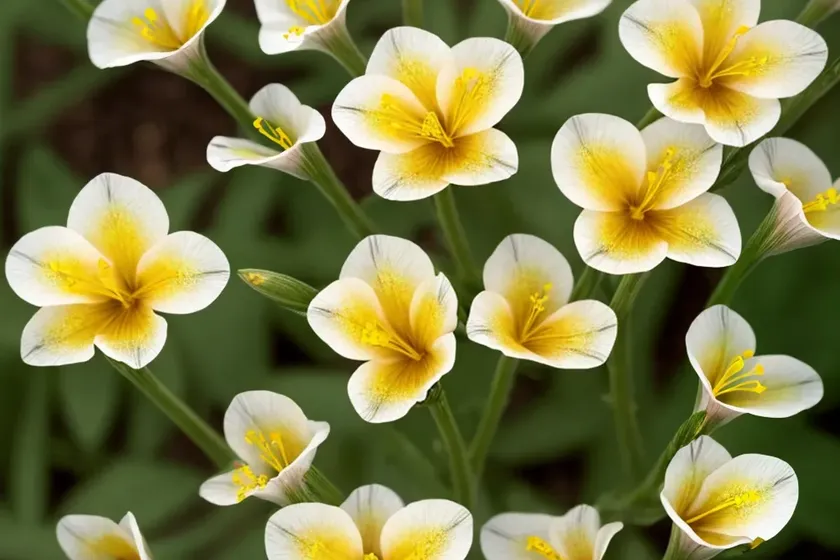
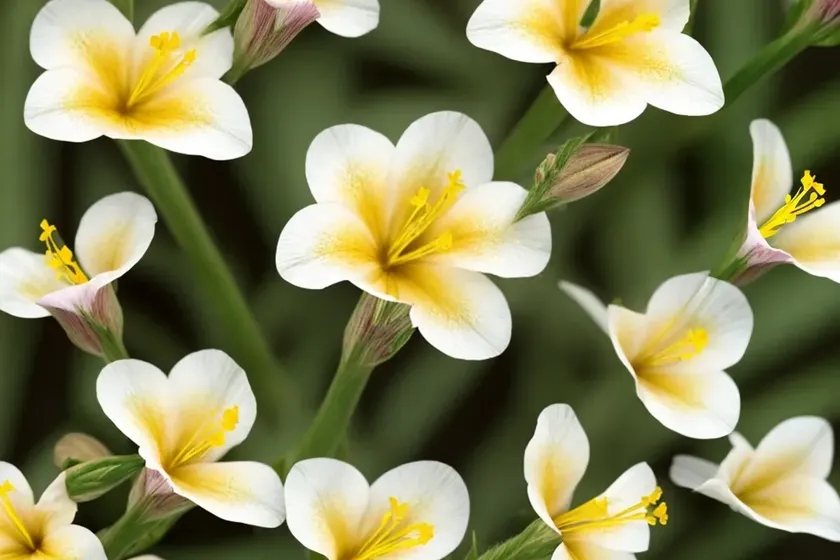
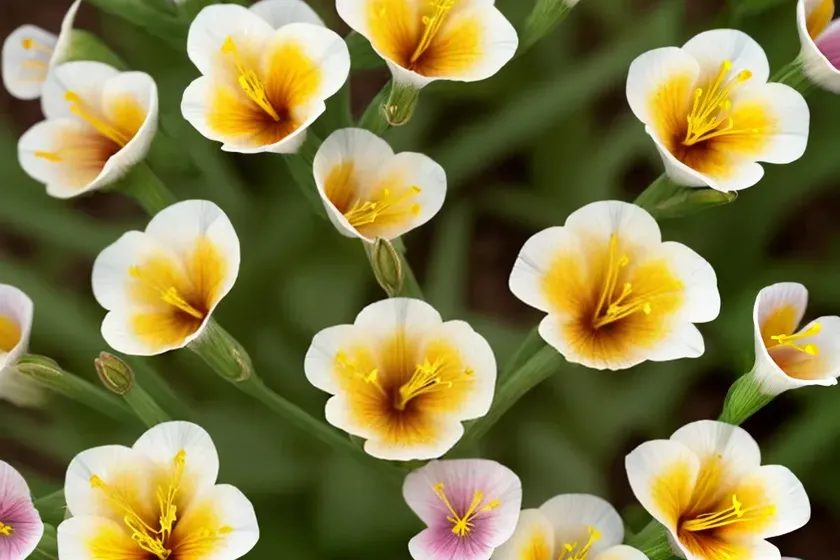
Common evening-primrose is a biennial plant known for its stunning yellow flowers that bloom in the evening, giving it its common name. The plant typically grows between 3 to 5 feet in height and features lance-shaped leaves. The flowers, which are pollinated by moths, bees, and other insects, give way to seed capsules containing numerous tiny seeds.
Uses
Medicinal Properties
The Common Evening-Primrose has a rich history of medicinal use, particularly in traditional and herbal medicine. Its oil, extracted from the seeds, is renowned for its rich source of gamma-linolenic acid (GLA), an essential fatty acid with diverse health benefits. Research indicates that evening primrose oil may be beneficial in managing conditions such as eczema, arthritis, and hormonal imbalances.
Culinary and Nutritional Uses
While the plant is primarily valued for its medicinal properties, its young leaves can be consumed as a nutritious leafy green, adding a distinct flavor to salads and other dishes. Additionally, the seeds of the evening primrose are edible and can be ground into a nutritious flour.
Water
Watering Needs
Common evening-primrose thrives in well-drained soil and prefers moderate watering. During dry spells, particularly in the blooming season, supplement the plant’s water needs to ensure robust growth and blooming.
Sunlight
Sun Requirements
Being a sun-loving plant, the Common Evening-Primrose thrives in full sunlight. When selecting a location for planting, prioritize areas that receive ample sunlight, preferably at least 6 to 8 hours of direct sunlight per day.
Fertilizer
Fertilization
To support the optimal growth and flowering of Oenothera biennis, consider feeding it with a balanced, all-purpose fertilizer during the growing season. A slow-release fertilizer applied in early spring can provide the necessary nutrients for robust growth and prolific blooms.
Soil
Soil Requirements
Common evening-primrose thrives in well-drained, moderately fertile soil. It adapts well to various soil types, including loamy, sandy, and rocky soils. However, it’s crucial to ensure that the soil is well-draining to prevent waterlogging, which can be detrimental to the plant’s health.
Pruning
Pruning Guidelines
Pruning is generally unnecessary for Common Evening-Primrose. However, to promote a tidy appearance and encourage continuous blooming, you can deadhead spent flowers regularly. This practice not only maintains the plant’s aesthetic appeal but also directs its energy towards producing more blooms.
Propagation
Propagation Methods
Common evening-primrose can be propagated through seeds and division. The following steps can be followed for successful propagation:
– Seed Propagation: Sow the seeds in well-prepared soil in the desired location after the last frost date. Keep the soil moist and ensure consistent watering until the seeds germinate.
– Division: In early spring, divide mature plants and replant the divisions in suitable locations. This method can help rejuvenate overcrowded plants and expand their presence in the garden.
Container Popularity
Growing in Containers
While Common Evening-Primrose is commonly grown in garden beds, it also thrives in containers. The plant’s compact size, combined with its striking blooms, makes it an excellent choice for container gardening. Select a well-draining potting mix and a container of adequate size to support the plant’s growth.
Common Diseases
Disease Diagnosis
Common evening-primrose is relatively resistant to diseases, but it may occasionally encounter issues such as powdery mildew and rust. Regular monitoring of the plant’s foliage for signs of discoloration, wilting, or powdery growth can aid in early disease detection.
Common Pests
Pest Management
Insects such as aphids and spider mites may infest Common Evening-Primrose. Inspect the plant regularly for pest infestations and employ appropriate measures such as insecticidal soaps to control the population and mitigate potential damage.
Botanist’s Tips
Tips for Successful Cultivation
- Select a sunny location with well-drained soil for planting Common Evening-Primrose.
- Provide regular, moderate watering, particularly during dry spells, to promote healthy growth and blooming.
- Deadhead spent flowers to encourage continuous blooming and maintain the plant’s appearance.
- Monitor for signs of pests and diseases, and take prompt action to prevent and address potential issues.
Fun Facts
- The flowers of Common Evening-Primrose typically bloom in the evening, emitting a sweet, delicate fragrance.
- The oil extracted from the plant’s seeds has garnered attention for its potential health benefits and is used in various medicinal and cosmetic formulations.
Links to External Resources
- Evening Primrose Health Benefits
- Oenothera biennis Cultivation Tips
- Medicinal Properties of Common Evening-Primrose
- Growing Common Evening-Primrose in Gardens
- Evening Primrose Seed Germination
- Uses of Oenothera biennis in Herbal Medicine
As we conclude this comprehensive guide to the captivating Common Evening-Primrose, it’s evident that Oenothera biennis is a plant of immense value and significance. From its alluring blooms and medicinal properties to its adaptability in various growing conditions, this plant enthralls plant enthusiasts and herbalists alike. Whether you’re considering adding it to your garden for its aesthetic appeal or its potential health benefits, Oenothera biennis is a compelling addition to any green space. Embrace the enchantment of this remarkable plant and witness the splendor it bestows upon your natural haven.


