Ocimum Basilicum Var. Thyrsiflora (Thai Basil)
Plants have been an essential part of human existence since the beginning of time. They provide us with food, medicine, oxygen, and so much more. Among the.
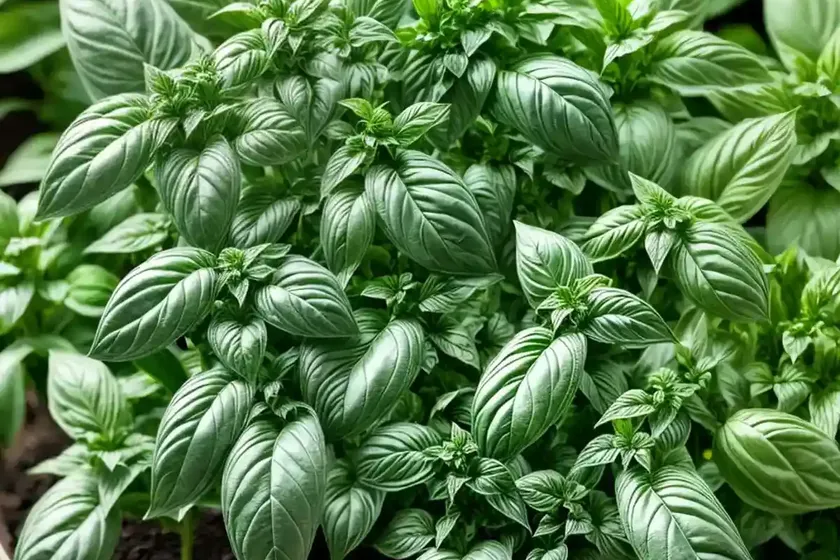
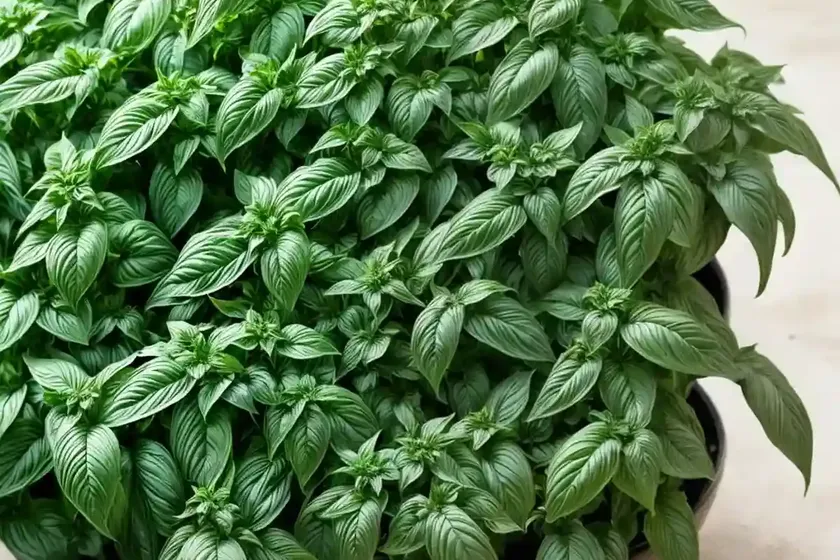
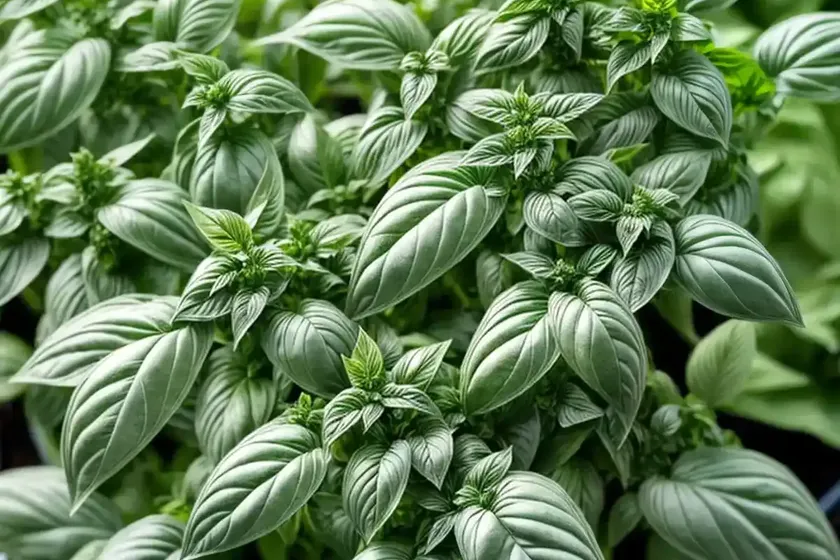
Plants have been an essential part of human existence since the beginning of time. They provide us with food, medicine, oxygen, and so much more. Among the countless plant species that grace our planet, the Ocimum basilicum var. thyrsiflora, commonly known as Thai Basil, is a herbaceous plant that holds great cultural, culinary, and medicinal significance.
In this comprehensive guide, we will explore the various aspects of Thai Basil, from its cultural heritage to its uses, growth requirements, common diseases, and maintenance tips. By the end of this article, you will have a deep understanding of this fascinating plant and be equipped with the knowledge to cultivate and care for it effectively.
Key Takeaways – Ocimum basilicum var. thyrsiflora (Thai Basil)
Before delving into the specifics of Thai Basil, let’s summarize some key takeaways for quick reference:
- Scientific Name: Ocimum basilicum var. thyrsiflora
- Common Name: Thai Basil
- Cultural and Culinary Significance: Integral part of Thai cuisine, widely used in a variety of dishes including curries, soups, and stir-fries
- Growth Requirements: Thrives in well-drained soil, requires ample sunlight and moderate watering
- Propagation: Can be propagated from seeds or cuttings
- Common Diseases: Susceptible to fungal diseases such as Fusarium wilt and root rot
- Common Pests: Vulnerable to attacks from aphids, whiteflies, and spider mites
Now, let’s explore each of these aspects in detail.
What is Ocimum basilicum var. thyrsiflora (Thai Basil)?
Thai Basil, or Ocimum basilicum var. thyrsiflora, is a member of the Lamiaceae family, which also includes other well-known herbs such as mint, rosemary, and lavender. This particular variety of basil is native to Southeast Asia, particularly Thailand, where it plays a central role in the country’s culinary traditions.
With its distinctive aroma and flavor, Thai Basil is a favorite ingredient in Thai cuisine, adding a unique and refreshing herbal note to various dishes. The plant is characterized by its narrow, pointed leaves and a slightly spicy, anise-like fragrance, setting it apart from the more common sweet basil (Ocimum basilicum), which is widely used in Mediterranean cuisine.
Botanical Characteristics
| Aspect | Description |
|---|---|
| Scientific Name | Ocimum basilicum var. thyrsiflora |
| Common Name | Thai Basil |
| Plant Type | Herbaceous |
| Growth Habit | Upright, branching |
| Leaf Shape | Narrow and pointed |
| Stem Color | Green |
| Flowers | Small, white, and purple tinged |
| Aroma | Intensely aromatic, with a spicy and slightly anise-like scent |
Culture
Uses
Thai Basil is a versatile herb with a wide range of uses, extending beyond culinary applications. Here are some principal uses of Thai Basil:
-
Culinary Delight: The primary use of Thai Basil is in cooking, where it imparts a distinctive flavor to a variety of dishes. It is a key ingredient in Thai curries, soups, stir-fries, and noodle dishes, where its unique aroma and taste elevate the overall culinary experience.
-
Medicinal Properties: In addition to its culinary uses, Thai Basil is valued for its medicinal properties. It is believed to have antioxidant, anti-inflammatory, and antibacterial properties, making it a popular choice in traditional herbal remedies and holistic medicine practices.
-
Aromatherapy and Perfumery: The essential oil extracted from Thai Basil is used in aromatherapy and perfumery for its refreshing and invigorating scent.
Water
Proper watering is crucial for the health and vigor of Thai Basil. The plant thrives in well-drained soil and requires consistent moisture to flourish. Here are some essential points to consider when watering Thai Basil:
-
Consistent Moisture: Thai Basil prefers consistently moist soil. However, it’s essential to avoid overwatering, as excessive water can lead to root rot and other water-related issues.
-
Watering Frequency: Depending on the climate and soil conditions, Thai Basil typically requires watering every 2-3 days, especially during hot and dry periods. Always assess the moisture level of the soil before watering to prevent waterlogging.
-
Avoid Waterlogging: Ensure that the pot or planting area has proper drainage to prevent waterlogging, which can be detrimental to the plant’s health.
Sunlight
As with most culinary herbs, sunlight plays a vital role in the growth and development of Thai Basil. Adequate exposure to sunlight ensures strong and flavorful growth. Here are some key considerations in providing the right amount of sunlight for Thai Basil:
-
Full Sun: Thai Basil thrives in full sun, requiring at least 6-8 hours of direct sunlight per day. In regions with extremely hot climates, some partial shade during the hottest part of the day can be beneficial.
-
Indoor Cultivation: When grown indoors, Thai Basil should be placed in a sunny window or provided with artificial grow lights to ensure it receives an adequate amount of light for healthy growth.
-
Sunlight for Flowering: To promote flowering, Thai Basil benefits from extended daylight hours. When the plant approaches maturity, decreasing the exposure to light can encourage the initiation of flowering.
Fertilizer
Appropriate fertilization is essential for maintaining the vigor and flavor of Thai Basil. Providing the plant with the necessary nutrients ensures robust growth and a bountiful harvest. Here’s a guide to fertilizing Thai Basil effectively:
-
Balanced Fertilizer: Use a balanced, water-soluble fertilizer with equal amounts of nitrogen, phosphorus, and potassium. A general-purpose fertilizer with an N-P-K ratio of 10-10-10 or 20-20-20 works well for Thai Basil.
-
Frequency: Apply fertilizer every 3-4 weeks during the growing season, typically spring through fall. Reduce or discontinue fertilization during the plant’s dormant period in winter.
-
Application Method: Dilute the fertilizer according to the instructions on the label and apply it to the soil around the base of the plant, ensuring it is well watered immediately after application.
Soil
The soil type and quality play a crucial role in the overall health and productivity of Thai Basil. By providing the right soil conditions, you can ensure that the plant has a strong foundation for growth. Here’s what you need to know about the ideal soil requirements for Thai Basil:
-
Well-Drained Soil: Thai Basil thrives in well-drained, fertile soil that retains moisture without becoming waterlogged. A loamy or sandy soil with good drainage is ideal for growing Thai Basil.
-
Soil pH: The optimal soil pH for Thai Basil ranges between 6.0 and 7.5. Slightly acidic to neutral soil provides the best growing environment for the plant.
-
Container Cultivation: When growing Thai Basil in containers, choose a high-quality potting mix that offers good drainage. Adding perlite or coarse sand to the potting mix can further improve drainage and aeration.
Pruning
Pruning is an essential aspect of maintaining the health and productivity of Thai Basil. Proper pruning helps the plant maintain a compact and bushy growth habit and encourages the continuous production of fresh leaves. Here are the key points to keep in mind when pruning Thai Basil:
-
Regular Maintenance: Regularly pinch or trim the growing tips of Thai Basil to promote branching and prevent the plant from becoming leggy. Pinching the stems just above a pair of leaves helps stimulate new growth.
-
Harvesting Leaves: When harvesting leaves for culinary use, prune the plant by removing individual leaves or small clusters, leaving the growing tips intact to encourage new growth.
-
Removing Flowers: To prolong the leafy growth phase, promptly remove flower buds as they appear. Continuous harvesting and flower removal can prolong the plant’s productive lifespan.
Propagation
Successfully propagating Thai Basil allows you to expand your plant collection and share this flavorful herb with others. Whether from seeds or cuttings, propagating Thai Basil is a rewarding endeavor. Here are the primary methods for propagating Thai Basil:
-
Propagation from Seeds: Start Thai Basil seeds indoors 6-8 weeks before the last expected frost date. Sow the seeds thinly on the surface of moist seed starting mix, and lightly cover them with a thin layer of the mix. Maintain consistent moisture and warmth, and the seeds will germinate within 5-10 days.
-
Cutting Propagation: Thai Basil can also be propagated from stem cuttings. Select a healthy, non-flowering stem and snip a 4-6 inch cutting just below a node. Remove the lower leaves from the cutting and place it in a jar of water or directly in a potting mix. Within a few weeks, roots will develop, and the cutting can be transplanted into a larger container.
Container Popularity
The popularity of container gardening has been steadily increasing, and Thai Basil is a fantastic addition to any container garden. Whether on a patio, balcony, or windowsill, growing Thai Basil in containers offers versatility and accessibility. Here are some reasons why Thai Basil is popular for container cultivation:
-
Compact Size: Thai Basil has a compact growth habit, making it well-suited for cultivation in containers of various sizes, from small pots to larger planters.
-
Convenience: Container-grown Thai Basil can be placed near the kitchen for easy access, allowing you to harvest fresh leaves for culinary use without having to venture far from the cooking area.
-
Adaptability: Containers provide the flexibility to move the plant to different locations to optimize sunlight exposure and protect it from inclement weather.
Common Diseases
As with any plant, Thai Basil is susceptible to certain diseases, with fungal infections being particularly prevalent. Identifying and addressing these diseases promptly is essential for preventing extensive damage to the plant. Here are some common diseases that affect Thai Basil and their management strategies:
Disease Diagnosis
| Disease | Symptoms | Management |
|---|---|---|
| Fusarium Wilt | Wilting, yellowing leaves | Remove and destroy affected plants, practice crop rotation, improve drainage, and avoid waterlogged conditions |
| Root Rot | Yellowing, wilting, and damping-off of seedlings | Avoid overwatering, ensure proper soil drainage, and use disease-free soil and seeds |
| Downy Mildew | Yellow patches on leaves, fuzzy growth on the undersides | Use disease-resistant varieties, provide good air circulation, and avoid overhead watering |
| Gray Mold | Brown spots and fuzzy gray growth on leaves | Remove and destroy affected plant parts, provide good air circulation, and avoid excessive humidity |
It is crucial to take proactive measures to prevent these diseases, such as maintaining proper soil moisture levels, providing adequate air circulation, and using disease-resistant varieties when available.
Common Pests
Pests can also pose a threat to the health and productivity of Thai Basil. Monitoring the plant regularly and taking appropriate measures can help prevent pest infestations and minimize damage. Here are some common pests that affect Thai Basil and recommended control methods:
Pest Management
| Pest | Symptoms | Management |
|---|---|---|
| Aphids | Clusters of small, soft-bodied insects on the underside of leaves | Use insecticidal soap or neem oil, introduce natural predators such as ladybugs |
| Whiteflies | White, tiny insects flying around the plant | Remove affected leaves, use yellow sticky traps, and apply neem oil |
| Spider Mites | Fine webbing and stippling on leaves | Spray with a forceful stream of water, apply neem oil or insecticidal soap, and regularly wipe leaves |
Implementing integrated pest management practices, such as maintaining plant hygiene, using physical and biological control methods, and employing organic pest control products, can help manage pest infestations effectively.
Botanist’s Tips
Cultivating and caring for Thai Basil can be a rewarding and enjoyable experience. To ensure successful growth and a bountiful harvest, here are some valuable tips from botanists and herb gardening experts:
-
Harvest Regularly: Regularly harvesting the leaves of Thai Basil encourages branching and promotes continuous leaf production. It is best to harvest in the morning when the essential oils are most concentrated.
-
Provide Good Air Circulation: Ensuring adequate air circulation around the plants can help prevent the occurrence of fungal diseases such as downy mildew and gray mold. Proper spacing and avoiding overhead watering contribute to improved air circulation.
-
Use Well-Drained Soil Mix: Whether growing Thai Basil in the ground or in containers, using a well-drained soil mix that offers good aeration and moisture retention is crucial for the plant’s health.
-
Watch for Pests: Regular inspection for pests and early intervention are key to preventing pest infestations from causing significant damage to Thai Basil. Promptly addressing pest issues helps maintain the plant’s vitality.
Fun Facts
- In Thai cuisine, Thai Basil is often used fresh as a garnish or added to dishes at the last moment, as heat can rapidly diminish its flavor.
- Thai Basil is frequently interplanted with chili peppers in kitchen gardens, as the two plants complement each other in flavor and are commonly used together in Thai cooking.
- The essential oil extracted from Thai Basil is valued for its uplifting and clarifying properties, making it a popular choice for aromatherapy and massage treatments.
- Thai Basil is not only cherished for its culinary uses but also holds cultural significance as a symbol of good luck and protection in Thai tradition.
With its aromatic leaves, rich cultural heritage, and culinary versatility, Thai Basil continues to captivate gardeners, chefs, and herbal enthusiasts around the world. Whether used to infuse vibrant flavors into aromatic Thai curries or to create refreshing herbal teas, this exceptional herb has firmly established itself as an indispensable part of global culinary landscapes.
Links to External Resources
To further expand your knowledge about Thai Basil and explore additional insights, here are some valuable external resources for reference:
I hope you found this guide to Thai Basil informative and inspiring, whether you are an enthusiastic gardener, a culinary aficionado, or someone passionate about the rich botanical heritage of herbs. Understanding the cultural significance, growth requirements, and utilization of Thai Basil opens up a world of culinary possibilities and enhances the appreciation of this remarkable herb. Happy growing, harvesting, and savoring the aromatic delights of Thai Basil!
With a rich, aromatic profile and a multitude of uses, Thai Basil is a cherished herb in culinary and cultural traditions. This extensive guide explores every aspect of Ocimum basilicum var. thyrsiflora, from its growth requirements to its role in Thai cooking and holistic medicine. Whether you’re a seasoned gardener or an aspiring herbal enthusiast, this comprehensive resource equips you with the knowledge to cultivate, care for, and fully appreciate the captivating Thai Basil.


