Lysimachia Nummularia ‘Goldilocks’ (Creeping Jenny)
Lysimachia nummularia ‘Goldilocks’, commonly known as Creeping Jenny, is a delightful and versatile perennial plant appreciated for its charming, trailing.
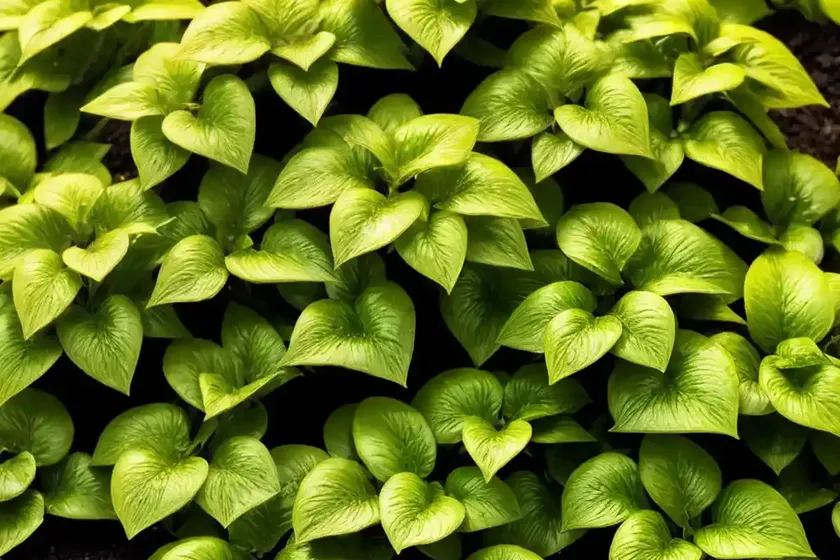
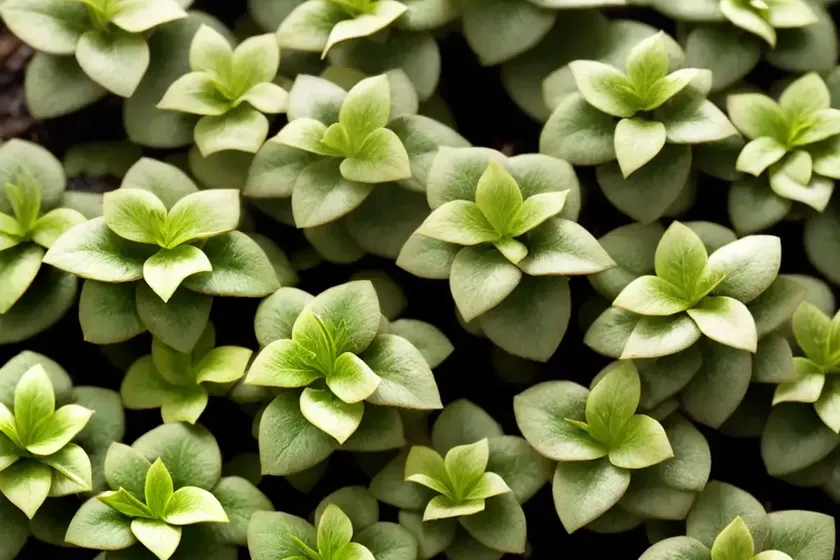
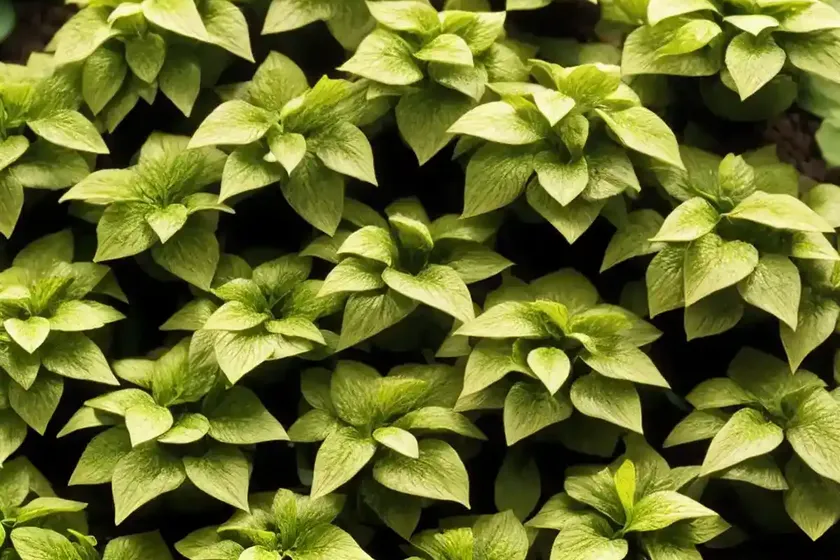
Lysimachia nummularia ‘Goldilocks’, commonly known as Creeping Jenny, is a delightful and versatile perennial plant appreciated for its charming, trailing growth habit and bright, cheerful foliage. This plant serves as an excellent groundcover and is favored by gardeners for its low-maintenance nature and decorative appeal. In this comprehensive guide, we will delve into the various aspects of cultivating and caring for Lysimachia nummularia ‘Goldilocks’, providing valuable insights into its culture, uses, maintenance, and considerations for its successful growth. Whether you are a seasoned horticulturist or a novice gardener, this detailed exploration will equip you with the knowledge to nurture and appreciate the beauty of the Creeping Jenny plant.
What is Lysimachia nummularia ‘Goldilocks’ (Creeping Jenny)?
Lysimachia nummularia ‘Goldilocks’, a member of the Primulaceae family, is a perennial plant recognized for its vigorous, spreading nature and vibrant, golden foliage. As its common name suggests, Creeping Jenny features a low-growing, trailing habit, making it an excellent choice for groundcover and container gardening. Native to Europe, this species has become a popular ornamental plant across various regions, valued for its ornamental appeal and adaptability to diverse growing conditions.
Key Takeaways – Lysimachia nummularia ‘Goldilocks’ (Creeping Jenny)
Before we delve into the specific aspects of Lysimachia nummularia ‘Goldilocks’ cultivation and maintenance, let’s outline the key takeaways associated with this delightful plant:
- Vibrant Foliage: The bright, golden foliage of Creeping Jenny adds a striking visual element to gardens and landscapes, making it a popular choice for ornamental planting.
- Trailing Growth Habit: Its trailing and spreading nature enables Creeping Jenny to function effectively as a groundcover, filling in bare spaces and providing an attractive carpet of greenery.
- Adaptability: Lysimachia nummularia ‘Goldilocks’ demonstrates a high degree of adaptability, thriving in different light conditions and soil types, contributing to its versatility in landscaping.
- Low Maintenance: With minimal care requirements, this plant is favored for its low-maintenance characteristics, making it an accessible option for both experienced gardeners and beginners.
Now, let’s explore the various dimensions of cultivating and caring for Lysimachia nummularia ‘Goldilocks’, encompassing its culture, uses, maintenance practices, and considerations for optimal growth and health.
Culture of Lysimachia nummularia ‘Goldilocks’
Water
Consistent moisture is crucial for the health and vigor of Lysimachia nummularia ‘Goldilocks’. While it appreciates well-draining soil, it is essential to ensure that the plant receives adequate water, especially during dry periods. However, it is equally important to avoid waterlogging as this can lead to root rot and other detrimental issues. Regular monitoring of soil moisture and providing sufficient hydration is fundamental to the successful cultivation of Creeping Jenny.
Sunlight
As a versatile plant, Lysimachia nummularia ‘Goldilocks’ exhibits adaptability to varying light conditions. While it thrives in partial shade to full sun, it is essential to find a balance, particularly in regions with intense summer heat. Providing dappled sunlight or partial shade during the hottest parts of the day can aid in maintaining the vitality and luster of its golden foliage. In contrast, insufficient light can lead to reduced vigor and diminished coloration in the leaves.
Fertilizer
When considering fertilizer application for Creeping Jenny, a balanced, all-purpose fertilizer can be employed during the growing season to bolster its growth and appearance. It is recommended to fertilize the plant in early spring as new growth emerges, and then again in midsummer to support its continued development. Care should be taken to follow the manufacturer’s instructions regarding application rates and methods to prevent over-fertilization, which can be detrimental to the plant.
Soil
Lysimachia nummularia ‘Goldilocks’ appreciates well-draining soil that retains adequate moisture without becoming waterlogged. It can thrive in various soil types, but a fertile, loamy soil that is rich in organic matter is conducive to its optimal growth. Ensuring proper soil preparation, including amending with organic compost and maintaining good soil structure, contributes to the sustained health and vigor of Creeping Jenny.
Pruning Lysimachia nummularia ‘Goldilocks’
Pruning plays an essential role in the maintenance of Lysimachia nummularia ‘Goldilocks’, particularly in managing its expansive growth and preserving its aesthetic appeal. Regular pruning helps to contain its spreading habit and prevent it from encroaching on neighboring plants or pathways. Additionally, the removal of spent blooms and straggly stems contributes to a tidier and more attractive appearance.
Propagation
Creeping Jenny can be propagated through division, stem cuttings, or seed, offering several viable methods for expanding its presence in the garden. Division is a popular and effective technique, typically carried out in spring or fall, where the plant is carefully separated into smaller sections, each with healthy roots and shoots. Stem cuttings can also be utilized, with the best results achieved by taking cuttings from vigorous, non-flowering stems and rooting them in a suitable growing medium. While growing from seed is possible, it is a less commonly used method due to the time required for germination and establishment.
Container Popularity
The cascading growth habit and vibrant foliage of Lysimachia nummularia ‘Goldilocks’ make it well-suited for container cultivation, where it can serve as a trailing accent or fill in the spill of garden containers and hanging baskets. Its adaptability to various light conditions further enhances its suitability for container gardening, allowing for versatile placement in different outdoor spaces.
Common Diseases of Lysimachia nummularia ‘Goldilocks’
Disease Diagnosis
While Lysimachia nummularia ‘Goldilocks’ is generally resilient, it may be susceptible to certain diseases under unfavorable growing conditions. Common issues that may affect Creeping Jenny include:
- Root Rot: Excessive moisture and poor drainage can lead to root rot, manifesting as wilted, stunted growth and yellowing of the foliage. Preventative measures, such as proper soil preparation and moderation in watering, are essential in reducing the risk of root rot.
- Powdery Mildew: Humid conditions and inadequate air circulation can promote the development of powdery mildew, characterized by a white, powdery growth on the leaves. Ensuring good air circulation and promptly addressing moisture-related issues can help mitigate this fungal infection.
Common Pests Affecting Lysimachia nummularia ‘Goldilocks’
Botanist’s Tips
Understanding the potential pests that may target Lysimachia nummularia ‘Goldilocks’ is critical for implementing proactive pest management strategies. While this plant is relatively resistant to pest infestations, it may attract certain pests, including:
- Aphids: These small, soft-bodied insects feed on the plant’s sap and can cause distorted growth and reduced vigor. Monitoring for early signs of aphid infestation and employing natural predators or horticultural oils can help control their population.
- Slugs and Snails: These mollusks are drawn to the lush, moist environment provided by Creeping Jenny, posing a threat to its foliage. Use of physical barriers and organic controls, such as diatomaceous earth, can aid in deterring and managing slug and snail populations.
Fun Facts About Lysimachia nummularia ‘Goldilocks’
As you delve into the world of Lysimachia nummularia ‘Goldilocks’, consider these intriguing and delightful facts about the plant:
- The genus name Lysimachia is derived from Lysimachus, a king of Sicily and a valued companion of Alexander the Great, in honor of his exceptional skills as a botanist.
- Creeping Jenny’s elegant appearance and resilience have made it a popular choice for embellishing rock gardens, border edges, and pathway borders, where its trailing nature creates a charming visual impact.
Links to External Resources
For further exploration of Lysimachia nummularia ‘Goldilocks’ and its cultivation, the following external resources provide valuable information and insights:
- Royal Horticultural Society – Plant Selector: Lysimachia nummularia ‘Goldilocks’
- Missouri Botanical Garden – Creeping Jenny (Lysimachia nummularia)
The provided links furnish an array of beneficial details, ranging from specific plant characteristics and care guidelines to landscaping applications and potential uses in garden design.
In conclusion, the allure of Lysimachia nummularia ‘Goldilocks’ (Creeping Jenny) lies in its captivating appearance, ease of cultivation, and diverse landscaping possibilities. Whether utilized as a groundcover, container accent, or embellishment for pathways and borders, this resilient and alluring plant adds a touch of natural elegance to any outdoor setting.
With proper understanding and attention to its culture, maintenance, and potential considerations, Lysimachia nummularia ‘Goldilocks’ can thrive and enchant in varied garden environments, perpetuating its status as a beloved and versatile ornamental plant.
As always, I encourage you to explore and experience the beauty of Creeping Jenny firsthand, and I trust that the insights shared in this guide will enrich your journey in cultivating and appreciating the enchanting Lysimachia nummularia ‘Goldilocks’.
Disclaimer: The information provided in this blog post is for educational and informational purposes only. It is essential to undertake thorough research and, when applicable, seek advice from qualified professionals before initiating any plant cultivation or management practices.
Thank you for reading.
References:
1. Royal Horticultural Society. (n.d.). Plant Selector: Lysimachia nummularia ‘Goldilocks’. https://www.rhs.org.uk/Plants/92418/i-Lysimachia-nummularia-i-Goldilocks/Details
2. Missouri Botanical Garden. (n.d.). Creeping Jenny (Lysimachia nummularia). https://www.missouribotanicalgarden.org/PlantFinder/PlantFinderDetails.aspx?taxonid=283483


