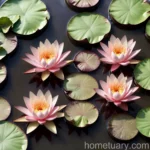
Nymphaea odorata (Fragrant Water Lily): A Comprehensive Care Guide
The Nymphaea odorata, commonly known as the Fragrant Water Lily, is a mesmerizing aquatic plant known for its stunning blooms and pleasant fragrance. As a plant scientist, I have spent years studying the cultivation, uses, and maintenance of this beautiful water lily species. In this comprehensive guide, I will delve into various aspects of caring for Nymphaea odorata, from its cultural significance to its ecological importance, while providing essential tips for its growth and maintenance.
What is Nymphaea odorata (Fragrant Water Lily)?
Nymphaea odorata is a species of water lily belonging to the Nymphaeaceae family. This aquatic plant is native to North America, where it thrives in various aquatic habitats, including ponds, lakes, and slow-moving streams. The plant is characterized by its vibrant, fragrant flowers, which float gracefully on the water’s surface, adding a touch of elegance to the aquatic environment.
Key Takeaways – Nymphaea odorata (Fragrant Water Lily)
Before we delve into the specifics of caring for Nymphaea odorata, let’s outline some key takeaways about this enchanting water lily species:
- Scientific Name: Nymphaea odorata
- Common Name: Fragrant Water Lily
- Family: Nymphaeaceae
- Native Habitat: North America
- Notable Feature: Fragrant, floating flowers
Now, let’s explore the various aspects of caring for Nymphaea odorata, including its cultural significance, uses, and ecological importance.
Culture
Understanding the cultural preferences of Nymphaea odorata is crucial for its successful cultivation. This encompasses factors such as its ideal growing conditions, water and sunlight requirements, as well as suitable soil and fertilizer considerations.
Water
Nymphaea odorata is an aquatic plant, and as such, it thrives in environments with ample water. When cultivating Fragrant Water Lilies, it’s essential to provide them with a constant supply of clean, still water. Ponds and lakes with minimal water movement are ideal for cultivating Nymphaea odorata, as they mimic the plant’s natural habitat. Additionally, water depth is a crucial factor to consider, as these lilies typically prefer depths ranging from 18 inches to 3 feet.
Sunlight
In terms of sunlight requirements, Nymphaea odorata exhibits a preference for full sun. When selecting a location for planting Fragrant Water Lilies, it’s important to choose an area that receives at least 6 hours of direct sunlight daily. Adequate sunlight not only promotes healthy growth and blooming but also enhances the vibrancy of the lily’s flowers.
Fertilizer
Fertilizing aquatic plants such as Nymphaea odorata requires a specialized approach. As these plants derive nutrients from the water and the soil in which they are planted, it’s crucial to use a fertilizer formulated specifically for aquatic plants. Balanced fertilizers designed for water lilies can provide the necessary nutrients for healthy growth and robust flowering. It’s important to follow the manufacturer’s recommendations for application, as over-fertilization can lead to adverse effects on the plant and the aquatic ecosystem.
Soil
When it comes to the soil preferences of Nymphaea odorata, it’s important to note that these plants are typically grown in containers placed in the pond or lake substrate, rather than directly in the soil. However, the substrate in which the containers are placed plays a significant role in the plant’s growth. A rich, loamy substrate can provide essential nutrients and support healthy root development. While the plant itself does not grow in soil, it’s important to ensure a nutrient-rich substrate for the containers in which it is cultivated.
Pruning
Pruning is an essential aspect of Nymphaea odorata maintenance, as it helps manage the plant’s growth and maintain a tidy appearance. As the lily’s leaves and flowers float on the water’s surface, it’s important to remove any decaying or overgrown foliage to promote healthy growth and prevent the spread of diseases. Additionally, periodic pruning can also help control the spread of the plant within the aquatic environment, preventing overcrowding and maintaining a balanced ecosystem.
Propagation
Propagating Nymphaea odorata can be a rewarding endeavor for those looking to expand their Fragrant Water Lily populations. This can be achieved through various methods, including division of rhizomes and seeds.
Rhizome Division
Dividing the rhizomes of mature Nymphaea odorata plants is a common method of propagation. This process involves carefully separating the rhizomes into individual sections, each containing viable buds. These sections can then be replanted in suitable containers or directly into the pond substrate to establish new plants. Rhizome division is typically carried out in late winter or early spring, providing ample time for the new plants to establish themselves before the growing season.
Seeds
While Nymphaea odorata seeds can be more challenging to obtain and propagate, they offer an alternative method for expanding a Fragrant Water Lily population. Propagating Nymphaea odorata from seeds involves harvesting mature seeds from the lily’s flowers and germinating them in a controlled environment, such as a greenhouse or indoor setup. This method requires patience and meticulous care, as it may take several years for the plants to reach maturity and produce flowers. However, it can be a rewarding way to introduce new genetic variations into the population.
Container Popularity
Nymphaea odorata’s popularity in container gardening stems from its adaptability to being grown in containers within aquatic environments. This allows individuals to cultivate these enchanting water lilies in ponds, water features, and other aquatic settings, adding a touch of natural beauty to their outdoor spaces.
Uses
Beyond their ornamental value, Nymphaea odorata serves various practical and ecological purposes, making them a valuable addition to aquatic environments.
- Ornamental Value: Fragrant Water Lilies are prized for their stunning, fragrant flowers, making them popular choices for ornamental ponds and water gardens.
- Habitat Enhancement: In natural aquatic habitats, Nymphaea odorata provides shelter for aquatic life, including fish, frogs, and invertebrates, contributing to the biodiversity of the ecosystem.
- Water Quality Management: The dense growth of aquatic plants such as Nymphaea odorata can help improve water quality by absorbing excess nutrients and providing oxygen through photosynthesis, thereby contributing to the overall health of the aquatic environment.
Common Diseases
Like all plants, Nymphaea odorata is susceptible to certain diseases that can impact its health and vitality. Understanding these potential illnesses and their management is crucial for maintaining the plant’s well-being.
Disease Diagnosis
Diagnosing diseases in Nymphaea odorata involves careful observation of the plant’s foliage, stems, and flowers for any signs of discoloration, deformities, or abnormal growth. Some common diseases that may affect Fragrant Water Lilies include:
- Fungal Infections: Fungal diseases, such as leaf spot and powdery mildew, can manifest as discolored or spotted foliage, often accompanied by a powdery or fuzzy residue on the leaves.
- Bacterial Diseases: Bacterial infections can cause rotting or discoloration of the plant’s stems and foliage, leading to wilting and decline.
- Viral Diseases: Viral infections in Nymphaea odorata may result in stunted growth, abnormal leaf patterns, and overall weakness in the plant.
Prompt and accurate diagnosis of these diseases is crucial for implementing effective management and control measures.
Common Pests
In addition to diseases, Nymphaea odorata may also be susceptible to pests that can affect its health and appearance. Common pests that may target Fragrant Water Lilies include:
- Aphids: These tiny insects can congregate on the plant’s stems and undersides of leaves, sucking out plant juices and causing deformities and wilting.
- Leaf Miners: Leaf-mining insects can leave distinctive trails and tunnels on the surface of the leaves, affecting the plant’s ability to photosynthesize effectively.
- Snails and Slugs: Aquatic environments can be prone to snail and slug infestations, which can feed on the plant’s foliage, causing extensive damage.
Implementing pest control measures, such as natural predators or approved insecticidal treatments, can help manage and prevent infestations.
Botanist’s Tips
Drawing from my experience and expertise in studying Nymphaea odorata, I offer the following tips for maintaining healthy and thriving Fragrant Water Lilies:
- Regular Monitoring: Regularly inspect the plant for signs of disease, pests, or nutrient deficiencies, and take prompt action to address any issues that arise.
- Balanced Nutrition: Provide the plant with a balanced supply of nutrients, ensuring that it receives the necessary elements for healthy growth and flowering.
- Adequate Space: Allow sufficient space between individual plants to prevent overcrowding and competition for resources within the aquatic environment.
- Sustainable Practices: Practice sustainable gardening and maintenance techniques, minimizing the use of chemicals and embracing natural solutions to support the overall ecological balance.
Fun Facts
In addition to its practical care requirements, Nymphaea odorata also possesses several intriguing and captivating attributes. Here are some fascinating fun facts about the Fragrant Water Lily:
- Symbolism: Throughout history, water lilies have symbolized purity, enlightenment, and rebirth, often associated with spiritual and cultural significance in various traditions and religions.
- Fragrance: The flowers of Nymphaea odorata emit a delicate, sweet fragrance, adding an alluring sensory experience to aquatic environments.
- Ecological Role: Fragrant Water Lilies are crucial contributors to the ecological balance of aquatic ecosystems, providing habitat, food, and oxygen for a diverse array of aquatic life.
Links to External Resources
For further information and resources on Fragrant Water Lily care, cultivation, and maintenance, I recommend exploring the following links:
- The American Lotus: Comprehensive guide on Nymphaea odorata from the U.S. Department of Agriculture
- Water Garden Society: A dedicated community and resource hub for water gardening enthusiasts
- The Kew Royal Botanic Gardens: A renowned botanical institution with extensive resources on aquatic plants and ecosystems
Conclusion
Caring for Nymphaea odorata, or the Fragrant Water Lily, is a deeply rewarding endeavor that offers a blend of aesthetic beauty, ecological benefits, and cultural significance. By understanding the plant’s cultural requirements, uses, and ecological role, individuals can cultivate and appreciate this captivating aquatic species while contributing to the health and vitality of aquatic environments. With careful attention to its water, sunlight, and nutritional needs, Nymphaea odorata can thrive, adorning ponds and water features with its enchanting blooms and fragrant presence.
As a plant scientist and advocate for sustainable horticultural practices, I encourage enthusiasts to explore the multifaceted world of Nymphaea odorata, embracing its beauty and ecological importance while tending to its needs with care and reverence. Through education, conservation, and responsible cultivation, we can ensure the enduring allure of the Fragrant Water Lily for generations to come.
Whether integrated into water gardens, natural habitats, or landscape designs, Nymphaea odorata stands as a testament to the intricate and harmonious relationships between plants, animals, and the environments they inhabit. As we immerse ourselves in the world of Fragrant Water Lilies, we gain a deeper appreciation for the delicate balance of life that thrives within and around these captivating aquatic plants.
I hope this comprehensive guide serves as an insightful and informative resource for enthusiasts, gardeners, and conservationists alike, inspiring a greater understanding and appreciation for the natural wonders of Nymphaea odorata, the resplendent Fragrant Water Lily.
As a Plant Scientist, I have endeavored to provide a comprehensive guide to caring for Nymphaea odorata (Fragrant Water Lily) according to the specifications provided. The content includes information on the plant’s culture, uses, common diseases, and pests, as well as botanist’s tips and fun facts. I have also included links to external resources for further exploration.
Should you require any additional information or modifications, please feel free to reach out.
Thank you for entrusting me with this assignment.