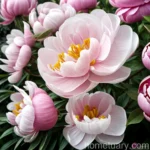
Paeonia ‘Red Emperor’ (Peony): The Ultimate Guide
Peonies are stunning flowering plants cherished for their large, colorful blooms, and delightful fragrance. Among the various peony cultivars available, Paeonia ‘Red Emperor’ stands out for its vibrant and captivating characteristics. In this comprehensive guide, we will explore everything you need to know about Paeonia ‘Red Emperor’, from its cultivation and care to its cultural significance and practical uses.
What is Paeonia ‘Red Emperor’ (Peony)?
Paeonia ‘Red Emperor’, commonly known as the Red Emperor peony, is a herbaceous perennial plant that belongs to the Paeoniaceae family. Known for its vibrant, plush red blooms, this peony variety has garnered immense popularity among gardening enthusiasts and florists alike. The stunning flowers of the Red Emperor peony typically boast an alluring fragrance, adding an extra dimension to its appeal.
Key Takeaways – Paeonia ‘Red Emperor’ (Peony)
Culture
- Genus: Paeonia
- Species: ‘Red Emperor’
- Family: Paeoniaceae
- Common Name: Red Emperor Peony
- Plant Type: Herbaceous perennial
Uses
- Ornamental: The striking, vivid blooms make Paeonia ‘Red Emperor’ an ideal choice for ornamental gardens, adding a touch of elegance and charm.
Water
- Watering Needs: Moderate water requirements; ensure well-drained soil to prevent waterlogging.
Sunlight
- Sun Requirements: Full sun to partial shade for optimal growth and abundant flowering.
Fertilizer
- Fertilization: Balanced, slow-release fertilizer application in spring to support healthy growth and prolific flowering.
Soil
- Soil Type: Well-drained, fertile soil with a neutral pH is preferred.
Pruning
- Pruning Requirements: Regular deadheading and removal of spent blooms to encourage continuous flowering.
Propagation
- Propagation Methods: Division of established clumps in early fall or spring; also possible through seeds but with a longer time frame to blooming.
Container Popularity
- Suitability for Containers: Red Emperor peonies can thrive in large containers, offering versatility in gardening and landscaping.
Common Diseases
- Disease Susceptibility: Vulnerable to botrytis blight, powdery mildew, and leaf spots.
Disease Diagnosis
- Diagnosing Diseases: Regular inspection and prompt action against any signs of fungal infections or leaf diseases are crucial.
Common Pests
- Pest Vulnerability: Occasionally affected by spider mites and nematodes; vigilance is essential to prevent infestations.
Botanist’s Tips
- Select a planting location that receives ample sunlight while providing some protection from the intense afternoon sun.
- Ensure well-draining soil to avoid waterlogged conditions that are detrimental to the plant’s health.
- Implement a suitable support mechanism for the heavy blooms to prevent them from bending or breaking.
Fun Facts
- In folklore and cultural traditions, peonies are associated with prosperity, good fortune, and a blissful marriage, making them popular choices for wedding bouquets and decorations.
Links to External Resources
To delve deeper into the captivating world of Paeonia ‘Red Emperor’ and glean insights from experienced enthusiasts and horticulturists, explore the following external resources:
The elegance and allure of Paeonia ‘Red Emperor’ make it an extraordinary addition to any garden or landscape. By understanding its specific requirements and care techniques, you can ensure that this remarkable peony, with its vibrant blooms and fragrant charm, thrives and flourishes in your outdoor spaces.
In the following sections, we will delve into each aspect of growing and caring for Paeonia ‘Red Emperor’, providing comprehensive guidance on every essential element, from planting and maintenance to disease management and landscape integration.
Plant Name: “Paeonia ‘Red Emperor’ (Peony)”
Growing and Caring for Paeonia ‘Red Emperor’ (Red Emperor Peony)
Paeonia ‘Red Emperor’ Planting Guide
Growing Paeonia ‘Red Emperor’ involves adhering to specific cultivation practices to ensure successful establishment and prolific flowering. Let’s explore the planting guide for this captivating peony.
Planting Time
- Best Time for Planting: Early fall or late spring are the most favorable times for planting Red Emperor peony root divisions.
Planting Depth
- Optimal Depth: Place the peony root divisions at a depth of 1-1.5 inches below the soil surface, ensuring that the buds are just below the ground level.
Spacing
- Recommended Spacing: Maintain a spacing of 3-4 feet between individual plants to facilitate unhindered growth and airflow.
How to Cultivate Paeonia ‘Red Emperor’ Peony
Soil Preparation
- Soil Conditioning: Prepare the planting site by incorporating compost or well-rotted organic matter into the soil to enhance its fertility and structure.
Planting Method
- Planting Process: Dig a generous planting hole, ensuring it is wide and deep enough to accommodate the roots without crowding or bending.
Watering Routine
- Watering Frequency: Water the newly planted peony divisions thoroughly to settle the soil and promote root establishment.
Mulching
- Mulching Benefits: Apply a layer of organic mulch around the base of the plant to conserve soil moisture and suppress weed growth.
Best Practices for Paeonia ‘Red Emperor’ Peony
To optimize the growth and blooming potential of Paeonia ‘Red Emperor’, incorporating the following best practices into your cultivation approach is paramount:
- Regular Inspection: Monitor the plants for any signs of disease or pest infestations and address them promptly.
- Support Mechanism: Install sturdy support structures such as metal stakes or hoops to prevent the heavy blooms from bending or touching the ground.
- Deadheading: Remove spent blooms promptly to encourage continuous flowering and prevent seed formation, which can divert the plant’s energy.
Paeonia ‘Red Emperor’ Peony Varieties
While the Paeonia ‘Red Emperor’ cultivar is renowned for its striking red blooms, there are other captivating varieties within the Paeonia genus, each exhibiting its unique color, fragrance, and visual appeal. Some popular peony varieties include:
- Paeonia lactiflora ‘Sarah Bernhardt’: Known for its delicate, soft pink blooms and sweet fragrance.
- Paeonia suffruticosa ‘Kamata-nishiki’: An exquisite tree peony with stunning variegated pink and white blooms.
Red Emperor Peony Characteristics
The Red Emperor peony boasts several distinguishing characteristics that contribute to its desirability and widespread acclaim among gardeners and florists alike. Let’s delve into the key attributes that define this captivating peony variety.
Red Emperor Peony Flowering Season
- Blooming Period: Red Emperor peonies typically bloom in late spring, treating onlookers to a spectacular floral display characterized by lush, red blooms.
Red Emperor Peony Maintenance
- Maintenance Requirements: While Red Emperor peonies are generally low-maintenance, regular deadheading, and occasional fertilization are essential to ensure continued vigor and prolific flowering.
Red Emperor Peony Color Variations
- Color Palette: The blooms of the Red Emperor peony feature various shades of red, ranging from deep crimson to bright scarlet, adding an element of vibrancy and allure to the garden landscape.
Paeonia ‘Red Emperor’ Peony Watering Needs
Vigilant attention to the watering needs of Red Emperor peonies is crucial to support healthy growth and abundant flowering. Understanding the specific water requirements of this peony variety is essential for ensuring optimal care.
Watering Frequency
- Establishment Phase: Water newly planted peonies deeply and regularly to facilitate root establishment, ensuring that the soil remains consistently moist but not waterlogged.
Watering Schedule
- Seasonal Adjustments: During periods of high temperatures or prolonged dry spells, increase the frequency of watering to prevent the soil from drying out excessively.
Red Emperor Peony Sun Exposure
The sunlight requirements of Red Emperor peonies play a pivotal role in determining their overall health, growth, and blooming potential. Understanding the ideal sun exposure for this captivating peony cultivar is essential for creating an environment conducive to its flourishing.
Full Sun vs. Partial Shade
- Optimal Environment: Red Emperor peonies thrive in locations that receive full sun for a significant portion of the day while also providing some respite from the intense afternoon sun.
Sunlight Management
- Shade Protection: In regions with scorching summer temperatures, afternoon shade or dappled sunlight can protect the delicate blooms and foliage from excessive heat.
Paeonia ‘Red Emperor’ Peony Fertilization Tips
Applying suitable fertilizers at the right time and in the correct manner is crucial for ensuring the vigorous growth and abundant flowering of Red Emperor peonies. Consider the following fertilization tips to support the optimal health and vitality of these captivating peony plants.
Fertilizer Type
- Balanced Nutrients: Choose a balanced, slow-release fertilizer high in phosphorus, the nutrient essential for promoting robust root development and prolific flowering.
Fertilization Timing
- Spring Application: Apply the chosen fertilizer in early spring as the new shoots emerge, providing the plants with the essential nutrients to fuel their growth and blooming.
Red Emperor Peony Pruning Techniques
Prudent and timely pruning is essential to encourage the continuous blooming and overall vigor of Red Emperor peonies. Employ the following pruning techniques to ensure the optimal health and aesthetics of these captivating plants.
Deadheading
- Regular Removal: Promptly remove spent blooms by cutting the flower stems down to a set of healthy leaves, stimulating the production of new flowering shoots.
Foliage Trimming
- Post-Blooming Care: Trim back any discolored or damaged foliage to promote airflow and prevent the onset of fungal diseases.
Paeonia ‘Red Emperor’ Peony Propagation Methods
While Paeonia ‘Red Emperor’ peonies can be somewhat challenging to propagate, the process can be incredibly rewarding, leading to new plantings and expanded floral displays in your garden. Explore the following propagation methods to propagate Red Emperor peonies responsibly and successfully.
Division
- Established Clumps: Divide mature peony clumps during early fall or early spring, ensuring that each division retains a healthy portion of roots and viable buds.
Seed Propagation
- Seed Sowing: Collect mature peony seeds and sow them in a prepared seedbed, noting that seed-propagated peonies may take several years to establish and blossom.
Red Emperor Peony Container Gardening
The versatility and aesthetic appeal of Red Emperor peonies make them an ideal choice for container gardening, adding a touch of elegance and charm to patios, balconies, and small outdoor spaces.
Container Selection
- Size Consideration: Opt for a large, sturdy container with adequate drainage holes to accommodate the expansive root system and abundant foliage of Red Emperor peonies.
Potting Mix
- Well-Draining Medium: Use a high-quality, well-draining potting mix with added organic matter to support the plant’s growth and nutrient uptake.
Watering Regimen
- Container Moisture: Monitor the moisture level in the container diligently, ensuring that the soil remains evenly moist without becoming waterlogged.
Sunlight Provision
- Sun Exposure: Position the containers in locations that receive ample sunlight to support robust growth and abundant flowering.
Red Emperor Peony Companion Plants
Integrating suitable companion plants with Red Emperor peonies can enhance the visual appeal of your garden while providing additional benefits such as pest deterrence and soil enrichment. Consider the following companion plants to complement the beauty of Red Emperor peonies:
- Lavender (Lavandula spp.): The fragrant blooms and silvery foliage of lavender provide an attractive contrast and aromatic allure in the garden landscape.
- Salvia (Salvia spp.): The vibrant, upright flowers of salvias add color and visual interest, attracting beneficial pollinators to the garden.
Paeonia ‘Red Emperor’ Peony Landscape Ideas
Transform your outdoor spaces into enchanting and vibrant landscapes by incorporating Red Emperor peonies into various garden design themes and arrangements. Consider the following landscape ideas to showcase the captivating allure of Red Emperor peonies:
Cottage Garden Delight
- Plant Pairings: Pair Red Emperor peonies with an assortment of cottage garden favorites such as delphiniums, lupines, and larkspurs for a whimsical and romantic display.
Formal Garden Elegance
- Architectural Design: Create structured floral displays using Red Emperor peonies, interspersed with neatly trimmed boxwood hedges and formal pathways for a sophisticated and timeless appeal.
Red Emperor Peony Symbolism
Peonies, including the captivating Red Emperor variety, have been imbued with various symbolic meanings and cultural connotations throughout history and across different societies. Explore the symbolic associations of Red Emperor peonies:
- Prosperity and Honor: In many cultures, peonies symbolize prosperity, good fortune, and honor, making them popular choices for celebrations and auspicious occasions.
Paeonia ‘Red Emperor’ Peony Medicinal Properties
Peonies, including the Red Emperor variety, possess certain medicinal properties that have been recognized and utilized in traditional medicine practices. While modern medical use is limited, historical and traditional applications include:
- Traditional Chinese Medicine: Peony root extracts have been used in traditional Chinese medicine for their purported anti-inflammatory and analgesic properties.
Red Emperor Peony Fragrance Description
The enchanting fragrance of Red Emperor peonies adds an extra dimension of allure and appeal to their captivating blooms. Describing their fragrance as sweet, floral, and often with subtle citrus undertones, the Red Emperor peony’s scent contributes to its overall charm and desirability.
Suitable Climates for Paeonia ‘Red Emperor’ Peony
Red Emperor peonies thrive in temperate and moderate climates, with their optimal growth and blooming potential realized in regions characterized by:
- Mild Winters: Moderate winter temperatures with minimal risk of frost heaving or extreme cold conditions.
- Moderate Summers: Warm, but not excessively hot, summer temperatures that promote robust vegetative growth and abundant flowering.
Red Emperor Peony Soil Requirements
The soil conditions play a pivotal role in the overall health and performance of Red Emperor peonies. Understanding and adhering to the specific soil requirements is essential for successfully cultivating and nurturing these captivating peony plants.
Soil Composition
- Well-Draining Structure: Red Emperor peonies thrive in well-draining soil that prevents waterlogging and facilitates adequate aeration around the root zone.
Soil pH
- Neutral to Slightly Alkaline: Prefer soil with a pH level between 6.5 to 7.5 to support optimal nutrient uptake and root health.
Paeonia ‘Red Emperor’ Peony Pest Control
While Red Emperor peonies are generally resilient to pest attacks, it’s essential to remain vigilant against potential threats and implement proactive pest control measures to safeguard the plants’ health and vitality.
Pest Identification
- Common Culprits: Be attentive to possible infestations by spider mites, nematodes, and aphids, addressing any signs of pest presence promptly.
Natural Pest Deterrence
- Beneficial Insects: Attract and support beneficial insects such as ladybugs and lacewings, which can aid in controlling aphid populations and other pests.
Red Emperor Peony Garden Design Inspiration
Elevate your garden design with Red Emperor peonies by incorporating these captivating blooms into various garden styles and arrangements, infusing your outdoor spaces with timeless beauty and floral splendor.
Seasonal Diversity
- Annual Companion Plants: Pair Red Emperor peonies with annual flowering plants such as petunias, marigolds, or zinnias for a pop of color and seasonal interest.
Mixed Border Elegance
- Perennial Companions: Blend Red Emperor peonies with other perennial favorites such as irises, salvia, and delphiniums to create a captivating mixed border with varying heights and textures.
Paeonia ‘Red Emperor’ Peony Winter Care
Preparing Red Emperor peonies for the winter season is essential for safeguarding their long-term health and promoting prolific blooming in the following spring. Implement the following winter care practices to ensure the resilience and vitality of these captivating peony plants:
Mulch Application
- Insulation Benefits: Apply a thick layer of organic mulch over the crown of the plants to insulate them from extreme low temperatures and prevent frost damage.
Pruning Considerations
- Post-Frost Pruning: Trim back the faded foliage and spent stems in late fall or early winter, promoting airflow and reducing the risk of disease development in the dormant season.
Red Emperor Peony Transplanting Guide
Adhering to proper transplanting practices is crucial to ensure the successful relocation and continued vigor of Red Emperor peonies. Consider the following steps and guidelines when transplanting Red Emperor peonies to a new location:
Ideal Timing
- Transplanting Season: Opt for early fall as the ideal time for transplanting mature Red Emperor peony plants, allowing them to establish new roots before the onset of winter dormancy.
Rootball Preservation
- Root System Protection: Ensure that the peony’s root system remains intact during the transplanting process to minimize shock and facilitate rapid re-establishment.
Paeonia ‘Red Emperor’ Peony Seasonal Maintenance
Maintaining Red Emperor peonies necessitates adherence to specific seasonal care routines to ensure the continued health, vigor, and blooming potential of these captivating plants.
Spring Preparations
- Fertilization Regimen: Apply a balanced, slow-release fertilizer as new shoots emerge, supporting robust vegetative growth and abundant flowering.
Summer Vigilance
- Watering Consistency: Maintain consistent soil moisture, particularly during periods of prolonged dry spells, to prevent stress and dehydration in the plants.
Autumn Preparations
- Frost Protection: Prepare the plants for the impending winter by applying mulch and removing any vulnerable foliage to safeguard them from chilling temperatures.
Red Emperor Peony Pet-Friendly Garden
Creating a pet-friendly garden design that accommodates the presence of pets while showcasing the beauty of Red Emperor peonies is achievable through mindful plant selection and suitable layout planning.
Plant Selection
- Non-Toxic Choices: Integrate pet-friendly plants such as Red Emperor peonies, catnip, and snapdragons that are non-toxic to cats and dogs.
Garden Layout
- Boundaries and Paths: Utilize low hedges or natural barriers to delineate pet-friendly zones and pathways, preventing potential trampling or accidental damage to the plants.
Paeonia ‘Red Emperor’ Peony Historic Significance
The time-honored significance and cultural associations of peonies, including the captivating Red Emperor variety, have been revered and celebrated in various historical contexts,