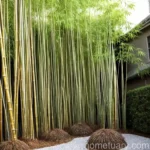
Phyllostachys bambusoides (Japanese Timber Bamboo)
In this blog post, we will explore the fascinating world of Phyllostachys bambusoides, commonly known as Japanese Timber Bamboo. We will delve into the culture, uses, and care requirements of this beautiful and versatile bamboo species.
What is Phyllostachys bambusoides?
Phyllostachys bambusoides is a species of bamboo native to Japan and is renowned for its tall, straight culms and lush foliage. It belongs to the genus Phyllostachys within the family Poaceae. This species is widely cultivated for its aesthetic appeal, as well as for its numerous practical uses.
Key Takeaways – Phyllostachys bambusoides (Japanese Timber Bamboo)
To provide a comprehensive understanding of Phyllostachys bambusoides, we will explore various aspects of this bamboo species, including its culture, uses, water requirements, sunlight preferences, fertilizer needs, soil preferences, pruning techniques, propagation methods, common diseases, pest management, and more.
Culture
Uses
– Ornamental: Phyllostachys bambusoides is widely used as an ornamental plant in gardens and landscapes due to its elegant appearance and fast growth rate.
– Construction: The culms of Japanese Timber Bamboo are used in construction, particularly for traditional Japanese buildings and furniture.
– Crafts: The flexible nature of bamboo makes it suitable for crafting various items such as baskets, mats, and artworks.
Water
- Phyllostachys bambusoides generally prefers consistently moist, well-drained soil. Regular watering, especially during dry periods, is essential for optimum growth and health.
Sunlight
- This bamboo species thrives in full to partial sunlight. While it can tolerate some shade, providing ample sunlight encourages robust growth and vibrant foliage.
Fertilizer
- Fertilization can support the growth of Phyllostachys bambusoides, especially when the soil lacks essential nutrients. A balanced, slow-release fertilizer applied in the spring can promote healthy growth.
Soil
- Well-drained, loamy soil with a slightly acidic to neutral pH is ideal for Japanese Timber Bamboo. Amending the soil with organic matter can improve its structure and fertility.
Pruning
- Regular pruning helps maintain the desired shape and promotes air circulation within the bamboo stand. It is essential to remove dead or damaged culms to encourage new growth.
Propagation
- Phyllostachys bambusoides can be propagated through division or by planting culm cuttings. Dividing established clumps during the spring can create new plants, while culm cuttings can be rooted to produce additional specimens.
Container Popularity
- Due to its non-invasive clumping growth habit, Phyllostachys bambusoides is a popular choice for container planting in gardens and urban landscapes.
Container Common Diseases
- While being grown in containers can reduce the risk of certain soil-borne diseases, it is important to monitor the plants for signs of stress, inadequate watering, or pest infestations.
Disease diagnosis
- Yellowing or spotted leaves, stunted growth, and wilting can be signs of disease in Phyllostachys bambusoides. Prompt diagnosis and treatment are crucial to prevent the spread of diseases within the bamboo stand.
Common Pests
- Aphids, mealybugs, and bamboo mites are common pests that can affect Phyllostachys bambusoides. Regular inspection and the use of environmentally friendly control methods can help manage pest infestations.
Botanist’s Tips
- For optimal growth and development, it is advisable to provide consistent care, including watering, fertilization, and monitoring for pests and diseases. Observing the plant’s response to environmental conditions can guide adjustments in care practices.
Fun Facts
- Phyllostachys bambusoides is known for its rapid growth, with some culms reaching their maximum height of over 50 feet within a few months.
- In Japan, bamboo holds significant cultural and historical importance and is used in various traditional ceremonies and practices.
Links to External Resources
For further information on Phyllostachys bambusoides, consider exploring the following resources:
Conclusion
Phyllostachys bambusoides possesses remarkable qualities that make it a valuable addition to gardens, landscapes, and various human activities. Understanding its cultural significance, growth requirements, and practical uses can enhance the appreciation for this elegant bamboo species.
By recognizing the distinct characteristics and requirements of Phyllostachys bambusoides, individuals can harness its potential for aesthetic, functional, and environmental benefits, further highlighting the importance of sustainable plant care and utilization.
In conclusion, the exploration of Phyllostachys bambusoides provides insights into the diverse and intriguing world of bamboo plants, offering a bridge between nature, culture, and human ingenuity.
References
- Anthony, J. L., & Sugimoto, K. (2013). Handbook of bamboo. Scientific Publishers.
- Janick, J., & Paull, R. E. (2008). The encyclopedia of fruit and nuts. CABI.
- Janzen, D. (1976). Costa Rican natural history. University of Chicago Press.