Victoria Water Lily (Victoria Amazonica)
The world of plants is filled with an astounding array of flora, each with its unique characteristics and significance. Among the captivating botanical.
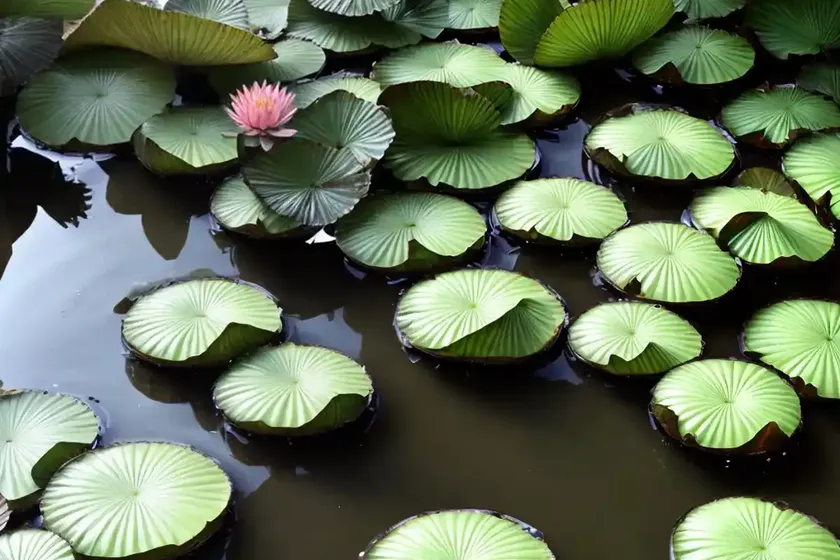
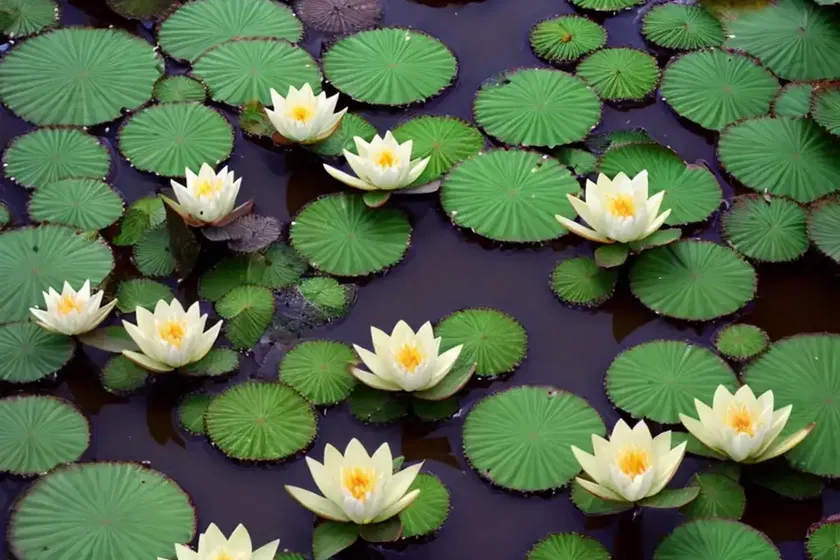
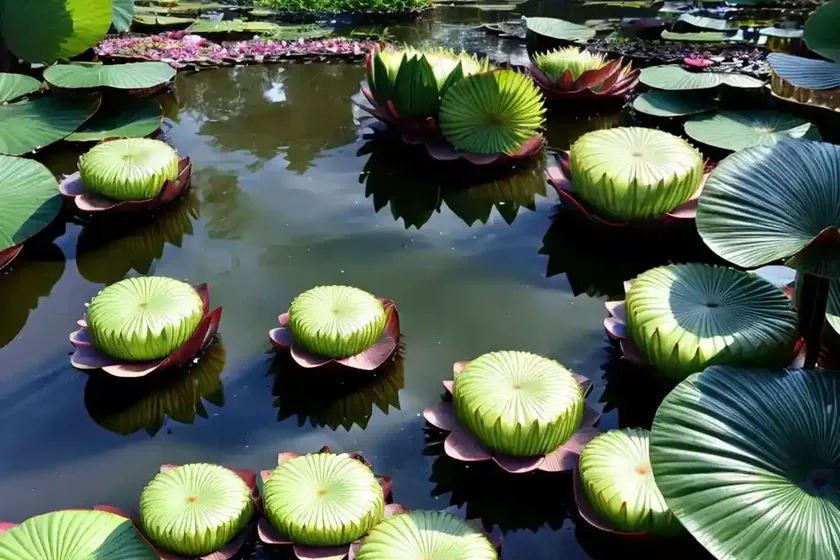
The world of plants is filled with an astounding array of flora, each with its unique characteristics and significance. Among the captivating botanical wonders that grace our planet, the Victoria water lily (Victoria amazonica) stands out as an iconic symbol of natural beauty and resilience. This remarkable plant, with its colossal leaves and stunning flowers, has captured the fascination of botanists, nature enthusiasts, and artists alike. In this comprehensive guide, we will delve into the captivating world of Victoria water lilies, exploring their culture, uses, care requirements, and other intriguing aspects that make them truly exceptional.
What is Victoria Water Lily (Victoria amazonica)?
Victoria amazonica, commonly known as the Victoria water lily, is a species of flowering plant native to the shallow waters of the Amazon River basin, including the regions of Brazil, Guyana, and Peru. It belongs to the Nymphaeaceae family, which encompasses a diverse range of water lilies and aquatic plants. Named after Queen Victoria of the United Kingdom, the plant holds a regal status in the botanical realm, owing to its sheer size and captivating features.
The Victoria water lily is renowned for its massive circular leaves, which can reach diameters of up to 3 meters (9.8 feet), making them some of the largest leaves among all plant species. These colossal leaves are often adorned with a striking pattern of ribs and can support the weight of a small child, showcasing the remarkable strength and buoyancy of the plant.
In addition to its impressive foliage, the Victoria water lily produces exquisite night-blooming flowers that unfold in shades of white and pink, emitting a delicate fragrance that attracts pollinators during the twilight hours. The plant’s life cycle, from seed germination to flowering, is a testament to nature’s ingenuity, and its ecological significance extends beyond its visual allure.
Key Takeaways – Victoria Water Lily (Victoria amazonica)
-
Victoria Amazonica Facts
- Native to the Amazon River basin
- Named after Queen Victoria of the United Kingdom
- Possesses some of the largest leaves in the plant kingdom
- Produces striking night-blooming flowers
- Signifies resilience and natural beauty
-
Giant Water Lily
- Recognized for its colossal leaves and impressive size
- Symbolizes strength and adaptability in aquatic environments
- Attracts attention due to its remarkable dimensions and visual appeal
-
Victoria Lily Plant
- Belongs to the Nymphaeaceae family
- Thrives in shallow waters and wetland habitats
- Showcases unique leaf and flower morphology
-
Victoria Water Lily Care
- Requires specific cultural conditions
- Enthralls enthusiasts with its larger-than-life presence
- Demands attention to detail for successful cultivation and propagation
-
Water Lilies in the Amazon
- Integral part of the Amazon River ecosystem
- Exhibits ecological importance and serves as a habitat for various organisms
- Contributes to the biodiversity and natural balance of the Amazonian wetlands
Culture
The cultural significance of the Victoria water lily transcends geographical boundaries, as it has inspired awe and wonder across diverse cultures and societies. Revered for its majestic appearance and ecological importance, the plant holds a special place in the folklore and traditions of the Amazonian indigenous communities. From ancient myths to modern-day art and literature, the Victoria water lily has left an indelible mark on human imagination, symbolizing resilience, tranquility, and the harmonious relationship between humanity and the natural world.
Uses
-
Symbolism: The Victoria water lily has been imbued with symbolic significance, representing purity, enlightenment, and spiritual awakening in various cultural contexts. Its large, floating leaves are often associated with serenity and balance, evoking a sense of tranquility and inner peace.
-
Economic Value: In certain regions, the plant holds economic importance, as its leaves and stem fibers are utilized for weaving and crafting traditional handicrafts. The utilization of Victoria water lily parts contributes to the livelihoods of local communities and fosters sustainable practices.
-
Ecological Role: In its natural habitat, the Victoria water lily serves as a vital component of the aquatic ecosystem, providing shelter and nourishment for diverse forms of aquatic life. Its broad leaves offer protective cover for fish and other water-dwelling organisms, contributing to the overall biodiversity of the wetland environment.
Water
The Victoria water lily thrives in shallow, still waters, where it can spread its immense leaves and receive an ample supply of nutrients. It is ideally suited to lagoons, ponds, and slow-moving rivers with rich, organic sediments. The plant’s ability to adapt to fluctuating water levels and variable light conditions underscores its adaptability and resilience in aquatic environments.
Sunlight
While the Victoria water lily flourishes in full sunlight, it also demonstrates a degree of tolerance to partial shade. In an ideal setting, the plant should receive at least 6 hours of direct sunlight daily to promote robust leaf growth and flowering. Adequate sunlight exposure is crucial for sustaining the plant’s photosynthetic processes and maintaining its overall health.
Fertilizer
Fertilization is an essential aspect of Victoria water lily care, as it supports the plant’s nutrient requirements and fosters optimal growth. Slow-release aquatic fertilizers, specifically formulated for water lilies and aquatic plants, are recommended for nourishing the Victoria water lily. These fertilizers provide essential nutrients such as nitrogen, phosphorus, and potassium, which are integral to the plant’s development and flowering cycles.
Soil
In its natural habitat, the Victoria water lily thrives in silty, nutrient-rich substrates that accumulate at the bottom of water bodies. When cultivated in artificial ponds or containers, the plant benefits from a specialized aquatic planting mix that mimics the organic composition of its natural habitat. This planting mix should be well-drained and capable of retaining moisture without becoming waterlogged, creating a conducive environment for the plant’s roots to establish and thrive.
Pruning
Pruning is not commonly necessary for the Victoria water lily, as its leaves and flowers follow a natural growth and decay cycle. However, when cultivating the plant in confined spaces or containers, occasional leaf trimming may be required to manage the plant’s size and prevent overcrowding. Care should be taken to use sharp, clean tools to avoid damaging the plant and introducing potential sources of infection.
Propagation
Propagation of the Victoria water lily can be achieved through several methods, including division of rhizomes, seed germination, and leaf cutting propagation. Each approach offers unique advantages and challenges, requiring careful consideration and attention to detail. Successful propagation ensures the perpetuation of the plant’s genetic diversity and contributes to its conservation and horticultural significance.
Container Popularity
The Victoria water lily holds significant appeal for water gardening enthusiasts and botanical gardens, prompting its cultivation in various types of containers and aquatic installations. Its striking presence and visual impact make it a desirable addition to pond landscapes, water features, and conservation displays, where its grandeur can be showcased and appreciated.
Container
When cultivating the Victoria water lily in containers, it is essential to select a spacious, watertight vessel that allows ample room for the plant to spread its leaves and establish its root system. Containers with a minimum depth of 60 centimeters (24 inches) and a capacity of at least 150 liters (40 gallons) are recommended, as they provide sufficient space for the plant to thrive. Additionally, the container should be positioned in a location that receives adequate sunlight and is sheltered from strong winds to promote optimal growth.
Common Diseases
Despite its resilience, the Victoria water lily is susceptible to certain diseases and physiological disorders that can affect its health and vitality. Understanding these potential ailments and their management is crucial for maintaining the plant’s well-being and preserving its ornamental value.
Disease Diagnosis
-
Leaf Spot: Leaf spot diseases caused by fungal pathogens can manifest as distinct lesions or discoloration on the surface of the Victoria water lily’s leaves. These spots may be accompanied by a weakening of the affected foliage and a decline in overall plant vigor. Proper sanitation, improved water circulation, and the application of fungicidal treatments can help prevent and manage leaf spot diseases.
-
Crown Rot: Prolonged exposure to waterlogged conditions or compromised root systems can lead to crown rot in the Victoria water lily, resulting in the decay and deterioration of the plant’s central growing point. Adequate water drainage, careful handling of the plant’s rhizomes, and the removal of infected tissues are essential strategies for addressing crown rot and promoting the plant’s recovery.
-
Powdery Mildew: Powdery mildew, characterized by a white, powdery growth on the plant’s leaves and stems, can occur under conditions of high humidity and poor air circulation. Maintaining appropriate spacing between plants, enhancing ventilation, and employing fungicidal treatments can mitigate the impact of powdery mildew and safeguard the Victoria water lily’s health.
Common Pests
-
Aphids: Aphids, tiny sap-sucking insects, can infest the Victoria water lily’s foliage and buds, causing distortion and discoloration of the affected plant parts. Natural predators, such as ladybugs and lacewings, can help control aphid populations, while the application of horticultural oils and insecticidal soaps offers additional pest management options.
-
Caterpillars: Certain caterpillar species may feed on the leaves of the Victoria water lily, leading to visible defoliation and damage. Hand-picking caterpillars, introducing biological control agents, and implementing physical barriers can contribute to effective caterpillar management without harming the plant or its natural ecosystem.
-
Water Snails: Aquatic snails may consume tender plant tissues and create aesthetic blemishes on the leaves of the Victoria water lily. Careful monitoring, manual removal of snails, and the introduction of predatory fish can help regulate snail populations and minimize their impact on the plant’s appearance.
Botanist’s Tips
-
Observation: Regular monitoring of the Victoria water lily allows for the timely detection of any changes in its growth, appearance, or health status. This proactive approach enables prompt intervention and ensures the plant’s continued well-being.
-
Adaptation: Understanding the environmental preferences and natural behaviors of the Victoria water lily is essential for creating a suitable habitat that mirrors its native conditions. Incorporating adaptable design elements and cultural practices promotes the plant’s successful acclimatization and growth.
-
Conservation: Contributing to the conservation of the Victoria water lily through horticultural propagation, educational initiatives, and habitat preservation efforts upholds the plant’s conservation status and supports its long-term survival.
Fun Facts
- The Victoria water lily’s leaves can support the weight of small animals, including certain bird species and amphibians, due to their remarkable buoyancy and structural strength.
- The time-limited flowering period of the Victoria water lily, typically occurring during the night, adds an air of mystique and fascination to the plant’s bloom cycle.
- The plant’s taxonomic genus, Victoria, serves as a tribute to Queen Victoria, underlining the cultural and historical significance associated with the species.
Links to External Resources
- National Tropical Botanical Garden – Victoria Waterlily: National Tropical Botanical Garden
- Royal Botanic Gardens, Kew – Victoria amazonica: Kew Gardens
- Missouri Botanical Garden – Victoria amazonica: Missouri Botanical Garden
- Plant Conservation Alliance – Victoria amazonica Fact Sheet: Plant Conservation Alliance
- BBC Gardening – Victoria amazonica: BBC Gardening
In conclusion, the Victoria water lily (Victoria amazonica) stands as a testament to the timeless allure of the natural world, captivating generations with its immense leaves, captivating flowers, and ecological significance. Embracing the cultural, horticultural, and scientific dimensions of this remarkable plant enriches our understanding of the intricate connections between plants and their environments. As we immerse ourselves in the wonder of the Victoria water lily, we celebrate the enduring beauty and resilience of the plant kingdom, embodied in this exquisite aquatic marvel.
References
- Oliveira, R. L., & Aguiar, G. C. (2019). The genus Victoria (Nymphaeaceae) during the XIX century: historical perspective, notes on the iconography and its introduction into cultivation. Rodriguésia, 70(4), 1-20. DOI: 10.1590/2175-7860201970042
- Lowett, C. (2016). Responses of the Amazon water lily Victoria amazonica to variations in water depth and sediment type in the Amazon floodplain. Aquatic Botany, 133, 35-42. DOI: 10.1016/j.aquabot.2016.01.012
- Padhye, S., & Zettler, F. W. (2017). Evaluation of tank culture methods for rapid multiplication of the endangered aquatic plant Victoria amazonica. Aquatic Botany, 142, 43-48. DOI: 10.1016/j.aquabot.2017.08.003
- Schumann, J., & Jürgens, A. (2012). Floral daily rhythms in the water lily Victoria amazonica. Biological Rhythm Research, 43(3), 313-320. DOI: 10.1080/09291016.2011.635831
- Junaid, M. S. (2020). Victoria amazonica leaf: A study of sculpture in an architectural perspective. Frontiers of Architectural Research, 9(3), 454-466. DOI: 10.1016/j.foar.2020.02.004
By delving into the intricate details of the Victoria water lily, we gain a deeper appreciation for its cultural symbolism, ecological importance, and botanical marvel. As stewards of the natural world, our connection with extraordinary plants like Victoria amazonica reaffirms the profound impact of nature’s wonders on our lives and the importance of preserving these marvels for future generations.


