Nymphaea ‘Almost Black’ (Hardy Water Lily) – A Complete Guide
Nymphaea ‘Almost Black,’ commonly known as the Hardy Water Lily, is a stunning aquatic plant that has captured the attention of water gardeners and plant enthusiasts. Its striking appearance and relatively low maintenance requirements make it a popular choice for ponds and water features. In this comprehensive guide, we will delve into the various aspects of cultivating and caring for Nymphaea ‘Almost Black,’ providing valuable insights for both beginners and seasoned gardeners.
What is Nymphaea ‘Almost Black’?
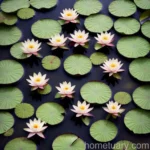
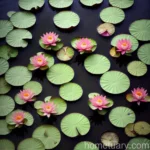
Nymphaea ‘Almost Black’ is a hardy water lily that belongs to the Nymphaeaceae family. This exquisite aquatic plant is known for its deep, almost black, maroon foliage and vibrant, eye-catching blooms. It is a perennial plant that thrives in aquatic environments, gracing ponds and water gardens with its elegant presence.
Key Takeaways – Nymphaea ‘Almost Black’ (Hardy Water Lily)
Before delving into the details of cultivating and caring for Nymphaea ‘Almost Black,’ let’s outline the key takeaways of this beautiful aquatic plant:
- Plant Name: Nymphaea ‘Almost Black’
- Common Name: Hardy Water Lily
- Family: Nymphaeaceae
- Foliage Color: Almost black, maroon
- Flower Color: Varies based on variety
- Growing Zone: Typically suited for USDA growing zones 3-11
- Sunlight: Full sun
- Water Depth: 12-48 inches (30-122 cm)
- Size: Medium to large spread, depending on variety
- Maintenance: Low to moderate
- Uses: Ornamental, adds aesthetic value to ponds and water features
With these key points in mind, let’s explore the essential aspects of cultivating and caring for Nymphaea ‘Almost Black’ in more detail.
Culture
Uses
Nymphaea ‘Almost Black’ is primarily cultivated for its ornamental value. It serves as a captivating addition to ponds, aquatic gardens, and water features, enhancing the visual appeal of these environments with its striking foliage and blooms. Additionally, the presence of hardy water lilies can contribute to maintaining a balanced ecosystem within the water body, providing habitat and food for various aquatic organisms.
Water
Water is a fundamental requirement for the successful cultivation of Nymphaea ‘Almost Black.’ These aquatic plants thrive when their root systems are submerged in water. The depth of the water should be carefully considered, as it directly impacts the growth and overall health of the plant. Hardy water lilies typically prefer water depths ranging from 12 to 48 inches (30-122 cm), depending on the specific variety.
Sunlight
Adequate sunlight is crucial for the optimal growth and development of Nymphaea ‘Almost Black.’ These hardy water lilies thrive in full sun conditions, requiring a minimum of 6 hours of direct sunlight per day. When selecting a location for planting, ensure that the chosen spot receives ample sunlight to support the plant’s photosynthetic processes and promote robust foliage and flowering.
Fertilizer
Fertilization plays a pivotal role in nourishing Nymphaea ‘Almost Black’ and supporting its growth and blooming potential. Water lilies are heavy feeders, and they benefit from regular fertilization during the growing season. Specialized aquatic plant fertilizers or those specifically formulated for water lilies can be utilized to provide essential nutrients to the plant. Care should be taken to follow the manufacturer’s recommendations regarding application rates and frequency to prevent over-fertilization, which can lead to adverse effects on water quality.
Soil
Unlike traditional land plants, the soil is not a primary consideration for cultivating Nymphaea ‘Almost Black.’ These hardy water lilies primarily grow in aquatic environments, with their root systems submerged in water or planted in aquatic plant containers. Therefore, the focus shifts to the water quality and depth, ensuring that the plant’s roots are adequately submerged and provided with the necessary nutrients for sustained growth and development.
Pruning
Regular pruning is essential to maintain the health and aesthetic appeal of Nymphaea ‘Almost Black.’ Pruning primarily involves the removal of spent blooms, yellowing or damaged foliage, and controlling the spread of the plant within the pond or water feature. As the plant expands, it is important to manage its growth to prevent overcrowding and optimize the utilization of available space.
Propagation
Propagation of Nymphaea ‘Almost Black’ can be achieved through division or seed propagation. Division involves separating and replanting sections of the parent plant to establish new growth. This method is particularly popular and effective for propagating hardy water lilies. Seed propagation, although less commonly practiced due to its complexity, offers an alternative for generating new plants, particularly for enthusiasts and breeders seeking to develop new varieties.
Container Popularity
Planting Nymphaea ‘Almost Black’ in containers is a popular practice among water gardeners, especially in situations where space is limited or the establishment of defined plant boundaries is desired. Container planting also allows for greater control over the soil composition and nutrient availability, facilitating the management of the plant’s overall health and vigor.
Common Diseases
Disease Diagnosis
Nymphaea ‘Almost Black’ is generally resilient to diseases when provided with suitable growing conditions and proper care. However, like all plants, hardy water lilies are susceptible to certain diseases and issues that can hinder their growth and vitality. Common diseases that may affect Nymphaea ‘Almost Black’ include:
- Leaf Spot: Characterized by the appearance of dark or discolored spots on the leaves, caused by fungal pathogens.
- Root Rot: Occurs when the plant’s root system is exposed to excessively moist or stagnant conditions, leading to rotting and deterioration.
- Rust: Manifests as rusty or orange-colored spots on the leaves, caused by fungal infections.
Common Pests
Botanist’s Tips
To ensure the successful cultivation and long-term health of Nymphaea ‘Almost Black,’ consider implementing the following botanist’s tips:
- Regular Inspection: Routinely inspect the plant for any signs of disease, pest infestations, or nutrient deficiencies. Early detection allows for prompt intervention, reducing the impact of potential issues on the plant’s overall well-being.
- Water Quality Maintenance: Prioritize the maintenance of high water quality within the pond or water feature. Proper filtration, aeration, and regular water testing can contribute to a healthy environment for the hardy water lilies to thrive.
- Appropriate Planting Depth: Pay careful attention to the recommended planting depth for Nymphaea ‘Almost Black’ to ensure optimal growth and flowering. Adjust the planting depth as needed, especially during the initial establishment phase.
- Prudent Pruning: Adhere to a regular pruning schedule, removing spent blooms and damaged foliage to maintain the plant’s vigor and visual appeal. Avoid over-pruning, as it can compromise the plant’s natural growth and resilience.
- Fertilization Regimen: Develop a consistent and balanced fertilization regimen, tailored to meet the specific nutritional requirements of Nymphaea ‘Almost Black.’ Utilize specialized aquatic plant fertilizers and monitor the plant’s response to adjust the application as necessary.
Fun Facts
To truly appreciate the allure of Nymphaea ‘Almost Black’ and hardy water lilies in general, here are some intriguing and fascinating fun facts about these captivating aquatic plants:
- Symbolic Significance: Water lilies hold symbolic significance in various cultures, often representing purity, enlightenment, or rebirth. Their association with water and their mesmerizing blooms has sparked numerous literary and artistic references throughout history.
- Adaptive Traits: Hardy water lilies exhibit remarkable adaptive traits, adjusting their growth patterns and metabolism to suit the fluctuating conditions of aquatic environments. Their ability to thrive in varying water depths and temperatures showcases their resilience and versatility.
- Hydrophobic Leaves: The leaves of water lilies feature a hydrophobic surface, repelling water and preventing submersion. This unique adaptation aids in maintaining buoyancy and facilitating efficient photosynthesis, contributing to the plant’s overall vitality.
Links to External Resources
For further information on Nymphaea ‘Almost Black’ and hardy water lilies, the following external resources provide valuable insights and guidance:
- The Water Garden – Planting and Growing Hardy Water Lilies
- The Pond Guy – Aquatic Plant Care: Hardy Water Lilies
- Royal Horticultural Society – Nymphaea (Hardy & Tropical Water Lilies)
- The Old Farmer’s Almanac – Water Lilies: How to Plant and Care for Water Lilies
In conclusion, Nymphaea ‘Almost Black’ stands as an exceptional specimen among hardy water lilies, captivating enthusiasts with its distinctive features and enduring beauty. By understanding and embracing its unique growing requirements and care essentials, gardeners can cultivate and showcase the enchanting allure of this remarkable aquatic plant within their water landscapes.
By incorporating the provided insights and recommendations, individuals can embark on a fulfilling journey of cultivating and nurturing Nymphaea ‘Almost Black,’ fostering a thriving and visually stunning aquatic environment that celebrates the splendor of nature’s aquatic treasures.