Ophiopogon Jaburan ‘Vittatus’ (Giant Lilyturf)
Plants, as we know, are the foundation of all life on earth. They not only provide us with oxygen, food, and medicines but also enhance the beauty of our.
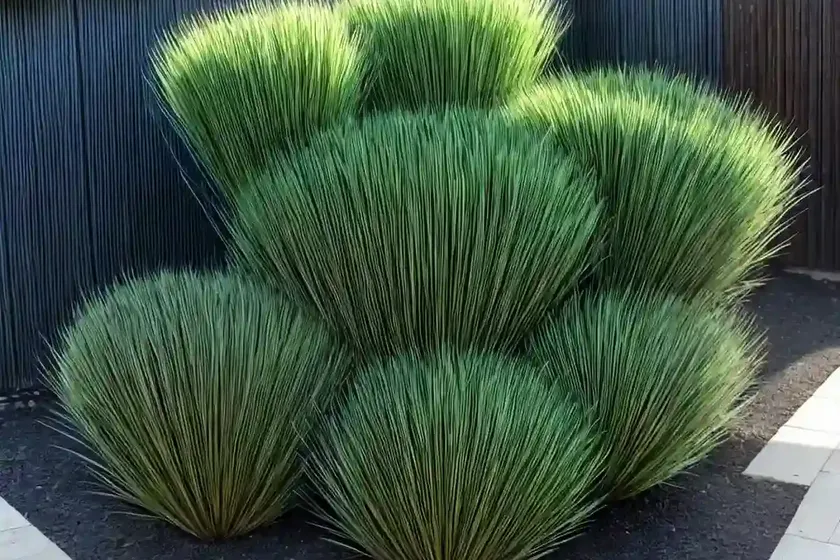
Plants, as we know, are the foundation of all life on earth. They not only provide us with oxygen, food, and medicines but also enhance the beauty of our surroundings. One such fascinating plant is Ophiopogon jaburan “Vittatus”, commonly known as Giant Lilyturf. In this comprehensive guide, we’ll delve into the cultivation, characteristics, and maintenance of this captivating plant.
What is Ophiopogon jaburan ‘Vittatus’ (Giant Lilyturf)?
Ophiopogon jaburan ‘Vittatus’ is a species of flowering plant in the family Asparagaceae. It is native to East Asia and is known for its striking ornamental foliage. This evergreen perennial is characterized by its long, narrow, arching leaves with creamy white stripes, making it a popular choice for landscaping and ornamental gardening.
As a plant scientist, I have always been captivated by the unique features and growing characteristics of the Giant Lilyturf. Let’s explore the key aspects of this plant in detail.
Key Takeaways – Ophiopogon jaburan ‘Vittatus’ (Giant Lilyturf)
Culture
- Scientific Name: Ophiopogon jaburan ‘Vittatus’
- Common Name: Giant Lilyturf
- Family: Asparagaceae
- Origin: East Asia
- Foliage: Evergreen, Long and Narrow with Creamy White Stripes
Characteristics
- Foliage Color: Dark Green with Creamy White Stripes
- Size: Up to 8-12 inches tall and 12-18 inches wide
- Growth Habit: Clumping, Spreading
Uses
- Landscape Design: Borders, Groundcover, Mass Plantings
- Garden Types: Rock Gardens, Woodland Gardens, Cottage Gardens
- Container Gardening: Suitable for Containers and Troughs
Water
- Water Requirements: Medium to Wet Soil
- Watering: Regular Watering, Especially in Dry or Hot Conditions
Sunlight
- Light Preferences: Partial to Full Shade
- Sun/Shade Tolerance: Shade Tolerant, Can Handle Some Sunlight
Fertilizer
- Fertilization: Light Feeding with a Balanced Fertilizer in Spring
Soil
- Soil Type: Moist, Well-Draining Soil
- pH Level: Slightly Acidic to Slightly Alkaline
Pruning
- Maintenance: Low Maintenance
- Pruning: Occasional Trimming to Maintain Shape and Remove Dead Foliage
Propagation
- Propagation: Division of Rhizomes in Spring or Fall
- Seed Propagation: Possible, but Less Common
Popularity
- Popularity: Increasing Popularity in Ornamental Landscaping
- Demand: High Demand for Ornamental Gardening
Now, let’s delve deeper into each of these aspects and provide insights into the best practices for cultivating Ophiopogon jaburan ‘Vittatus’.
Cultivation of Ophiopogon jaburan ‘Vittatus’
Water
Giant Lilyturf thrives in medium to wet soil conditions. While it can tolerate short periods of drought, consistent and regular watering is essential, especially during dry or hot periods.
Sunlight
This plant prefers partial to full shade and can also tolerate shaded areas with minimal sunlight. It is important to provide adequate shade, especially in regions with intense sunlight, to prevent leaf scorching.
Fertilizer
When it comes to fertilization, Giant Lilyturf requires light feeding with a balanced, slow-release fertilizer in the early spring to support healthy growth and vibrant foliage.
Soil
For optimal growth, plant Ophiopogon jaburan ‘Vittatus’ in moist, well-draining soil with a slightly acidic to slightly alkaline pH level. Good soil conditions are crucial for the overall health and vigor of the plant.
Pruning
Maintenance of this ornamental plant is relatively low, and pruning is generally limited to occasional trimming to maintain its shape and remove any dead or damaged foliage.
Propagation
Propagation of Ophiopogon jaburan ‘Vittatus’ can be achieved through the division of rhizomes in spring or fall. While seed propagation is possible, it is less common and may not produce true-to-type plants.
Container
The Giant Lilyturf is well-suited for container gardening and can be grown in containers and troughs, adding a touch of elegance to patios, porches, and other outdoor living spaces.
Common Diseases and Pests
As a plant scientist, I understand the importance of being proactive in preventing and addressing potential diseases and pests that may affect Ophiopogon jaburan ‘Vittatus’.
Common Diseases
Giant Lilyturf is generally resistant to diseases, and with proper cultural practices and maintenance, the plant can thrive without being significantly impacted by diseases.
Disease Diagnosis
It is important to monitor the plant for any signs of fungal diseases, particularly in conditions of excessive moisture or poor air circulation. Swift action, including proper sanitation and potential fungicidal treatments, can prevent the spread of diseases.
Common Pests
While relatively resistant to pests, occasional pest issues may include mealybugs, aphids, and snails. Regular inspection and appropriate pest management practices can effectively control these infestations.
Disease Prevention and Pest Management
Adopting good cultural practices such as proper watering, well-drained soil, and adequate air circulation can significantly reduce the risk of diseases. Additionally, organic or chemical control measures can be implemented as needed for pest management.
Botanist’s Tips for Successful Cultivation
As a plant scientist with an affinity for ornamental plants, I have some valuable tips to share for the successful cultivation of Ophiopogon jaburan ‘Vittatus’:
- Soil Preparation: Ensure the soil is well-draining and of good quality to support healthy growth.
- Watering: Provide regular, consistent watering, especially during dry spells, to maintain optimal soil moisture.
- Light Conditions: Select planting locations that offer partial to full shade, avoiding intense sunlight.
- Fertilization: Use a balanced, slow-release fertilizer in the spring to provide essential nutrients for the plant’s growth.
- Pruning: Periodically trim the plant to maintain a neat and tidy appearance, removing any dead or damaged foliage.
Fun Facts about Ophiopogon jaburan ‘Vittatus’
Ophiopogon jaburan ‘Vittatus’ is more than just an ornamental plant. Here are some fascinating fun facts about this captivating species:
- The variegated foliage of Giant Lilyturf adds a touch of elegance and visual interest to any garden or landscape.
- It is often used as a groundcover plant to create lush, low-maintenance green spaces in gardens and public landscapes.
- The plant’s resilience and adaptability make it a popular choice for urban landscaping and low-maintenance gardens.
Links to External Resources
For further information on Ophiopogon jaburan ‘Vittatus’ and its cultivation, characteristics, and uses, I recommend exploring the following external resources:
- Royal Horticultural Society – Ophiopogon jaburan ‘Vittatus’
- Missouri Botanical Garden – Giant Lilyturf
- North Carolina State University Extension – Ophiopogon jaburan ‘Vittatus’ Care Guide
In conclusion, Ophiopogon jaburan ‘Vittatus’ is a remarkable ornamental plant with a striking appearance and versatile uses in landscaping and gardening. Its unique characteristics, low maintenance requirements, and adaptability make it a valuable addition to any garden or landscape setting. By understanding the best practices for its cultivation, addressing potential diseases and pests, and appreciating its ornamental value, enthusiasts can experience the beauty and benefits of this captivating plant.
As a plant scientist, I find joy in exploring and sharing insights into the diverse world of plants, and Giant Lilyturf, with its distinct features and ornamental appeal, continues to fascinate enthusiasts and horticulturists alike. I hope this comprehensive guide serves as a valuable resource for those seeking to cultivate, appreciate, and harness the beauty of Ophiopogon jaburan ‘Vittatus’ in their own gardening endeavors.
Remember, the world of plants is full of wonders, and each species offers its own unique charm and contributions to our natural environment and our lives.
Happy Gardening!
[Note: The information provided in this guide is based on scientific knowledge and horticultural practices. It is important to consider local growing conditions and consult with gardening experts for specific cultivation advice.]