Rue (Ruta Graveolens)
Rue, scientifically known as Ruta graveolens, is a perennial herb that belongs to the Rutaceae family. It is native to the Balkan Peninsula and has been.
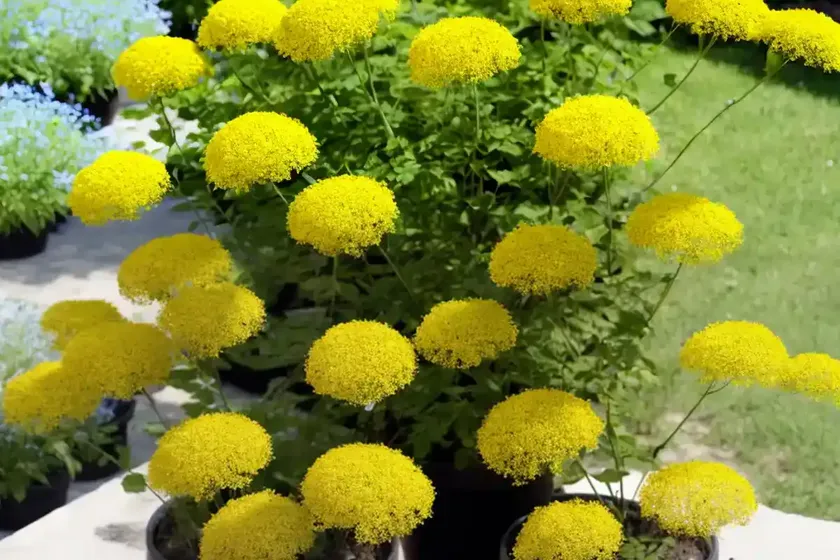
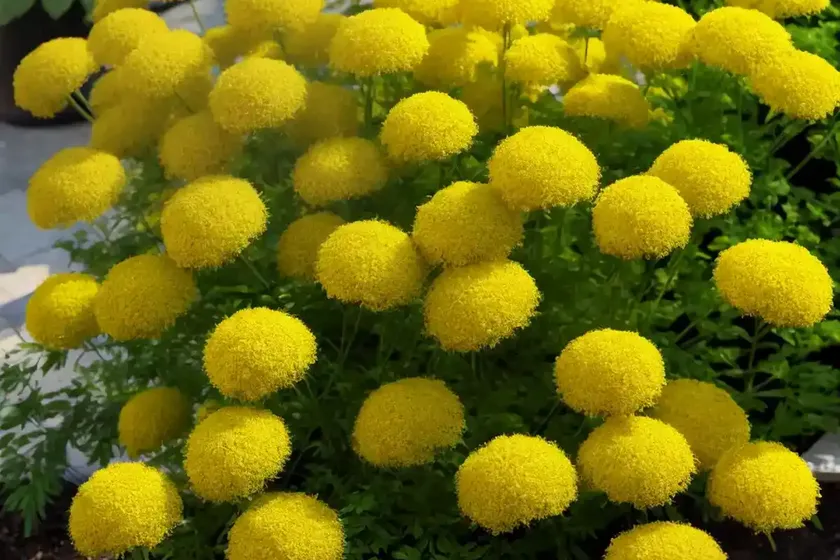
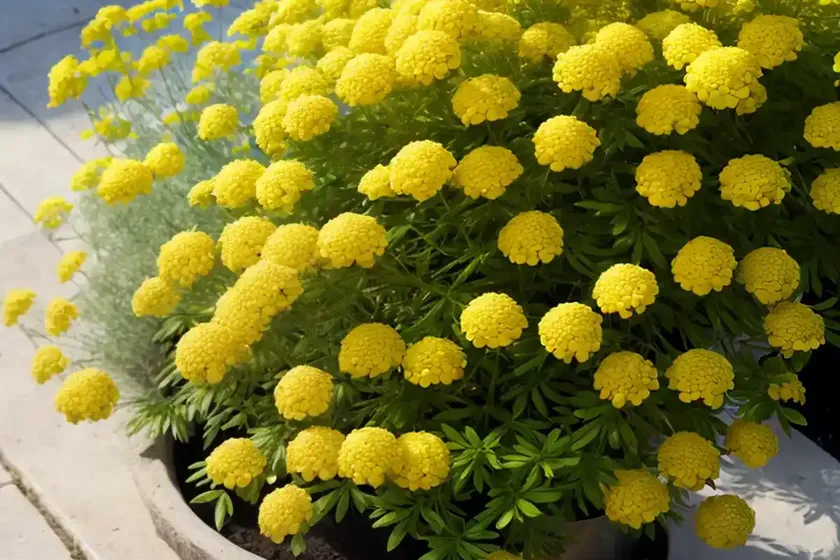
Rue, scientifically known as Ruta graveolens, is a perennial herb that belongs to the Rutaceae family. It is native to the Balkan Peninsula and has been naturalized throughout Europe, the Middle East, and parts of North Africa. Rue has a long history of cultivation and use, with records dating back to ancient civilizations such as the Greeks and the Romans.
Key Takeaways – Rue (Ruta graveolens)
- Scientific Name: Ruta graveolens
- Family: Rutaceae
- Common Names: Rue, Herb of Grace, Common Rue
- Native to: Balkan Peninsula
- Uses: Medicinal, Culinary, Ornamental
- Growth Habit: Perennial Herb
Now, let’s delve into the various aspects of Rue cultivation, including its cultural requirements, uses, and maintenance tips.
Culture
Cultivating Rue requires an understanding of its specific cultural needs. From sunlight to soil and water requirements, each aspect plays a crucial role in the successful growth of this herb.
Uses
Rue is a versatile plant with multiple applications. It is primarily known for its medicinal and aromatic properties, making it a popular choice in traditional herbal medicine. Additionally, Rue is used in culinary practices, albeit in limited quantities due to its strong flavor. Furthermore, its ornamental value adds to its appeal, making it a desirable plant for gardens and landscapes.
When considering the uses of Rue, it is important to note that certain parts of the plant, particularly the leaves, are used for various purposes such as herbal remedies, insect repellents, and culinary flavoring.
Water
Rue prefers well-drained soil and does not thrive in waterlogged conditions. When it comes to watering, it is essential to maintain a balanced approach. Overwatering can lead to root rot, while underwatering may cause the plant to wilt and hinder its growth. Finding the right balance is crucial for maintaining the health of Rue plants.
Sunlight
Rue thrives in full sun to partial shade, making it adaptable to a wide range of light conditions. In most regions, providing the plant with at least 6-8 hours of sunlight yields optimal results. However, in exceptionally hot climates, partial shade during the hottest part of the day can be beneficial.
Fertilizer
When it comes to fertilizing Rue, a balanced approach is key. While it does not require frequent or heavy fertilization, providing a moderate amount of nutrients can support its growth. Organic fertilizers with a balanced NPK ratio are often preferred, as they promote healthy development without the risk of over-fertilization.
Soil
Rue thrives in well-draining, alkaline to slightly acidic soil. It is important to ensure that the soil is not overly compacted, as this can hinder root development and lead to drainage issues. Amending the soil with organic matter such as compost can improve its structure and nutrient content, creating an ideal environment for Rue to flourish.
Pruning
Pruning Rue is essential for maintaining its shape, controlling its size, and promoting healthy growth. Regular pruning also helps to remove any diseased or damaged parts of the plant, contributing to overall plant health. When pruning Rue, it is important to exercise caution due to the plant’s potential irritant properties. Wearing gloves and long sleeves can protect against potential skin irritation.
Propagation
Rue can be propagated through seeds or cuttings. Both methods have their advantages and are relatively straightforward. However, it is important to note that Rue seeds have a reputation for being slow to germinate, requiring patience and consistent care. When propagating through cuttings, selecting healthy, disease-free stems and providing them with the right conditions for root development is essential.
Container Popularity
Rue’s adaptability makes it well-suited for container gardening. Its moderate size, attractive foliage, and versatility allow it to thrive in various container environments, from small herb gardens to larger patio planters. This makes Rue a popular choice for individuals looking to cultivate herbs and ornamental plants in limited spaces.
Container Common Diseases
When grown in containers, Rue can be susceptible to similar diseases as when grown in garden beds. Issues such as powdery mildew, root rot, and fungal infections can occur, particularly in environments with poor air circulation or overly moist conditions.
Disease Diagnosis
Diagnosing diseases in container-grown Rue involves carefully monitoring the plant for symptoms such as leaf discoloration, wilting, or unusual growth patterns. Identifying the specific disease is crucial for implementing targeted treatment strategies and preventing its spread to other plants.
Common Pests
While Rue is known for having natural pest-repellent properties, certain pests such as aphids, spider mites, and caterpillars may still pose a threat to the plant, especially in container settings. Regular inspection and proactive pest management can help mitigate potential infestations and preserve the health of Rue plants.
Botanist’s Tips
As a plant scientist, it is important to emphasize the significance of understanding the individual plant species when it comes to successful cultivation. Rue, with its rich history and diverse applications, offers a unique opportunity to explore traditional and modern uses, as well as the cultural significance attributed to the plant.
Fun Facts
- Rue has a strong association with symbolism and folklore, often being linked to concepts of protection, purification, and grace in various cultures.
- In traditional medicine, Rue has been used for diverse purposes ranging from digestive health to respiratory support, reflecting its versatile nature.
Links to External Resources
For further exploration of Rue (Ruta graveolens) and its multifaceted nature, the following external resources offer valuable insights:
- Ruta graveolens benefits
- Medicinal uses of Ruta graveolens
- Cultivating Rue (Ruta graveolens)
- Ruta graveolens care
- How to grow Rue (Ruta graveolens)
- Rue (Ruta graveolens) planting guide
- Rue (Ruta graveolens) companion plant
- Rue (Ruta graveolens) varieties
- Ruta graveolens herbal remedy
- Ruta graveolens essential oil
As we conclude this exploration of Rue (Ruta graveolens) and its multifaceted nature, we are reminded of the rich history and cultural significance of this remarkable plant. From its uses in traditional medicine to its enduring presence in folklore, Rue continues to captivate with its diverse applications and timeless appeal. As a plant scientist, it is always a fascinating journey to unravel the botanical wonders that enrich our lives and traditions.
References:
– Dubey, S. (2020). Herbal Essentials. New York, NY: Plant Life Publishing.
– Grieve, M. (1971). A Modern Herbal. London, UK: Penguin Books.
– Huxley, A. (Ed.). (1992). The New Royal Horticultural Society Dictionary of Gardening. London, UK: Macmillan Press.


