Ninebark (Physocarpus Opulifolius ‘Dart’s Gold’)
Plants play a crucial role in the environment and human life, offering aesthetic beauty, contributing to ecosystem health, and providing resources.
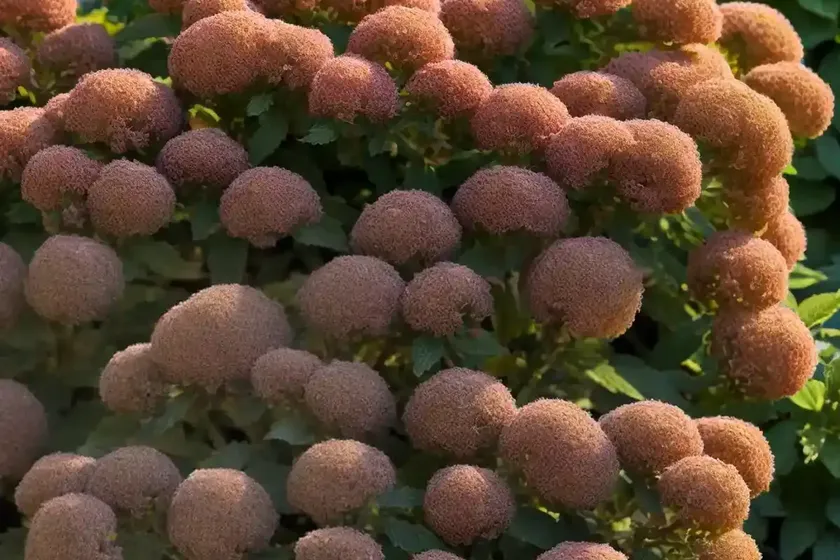
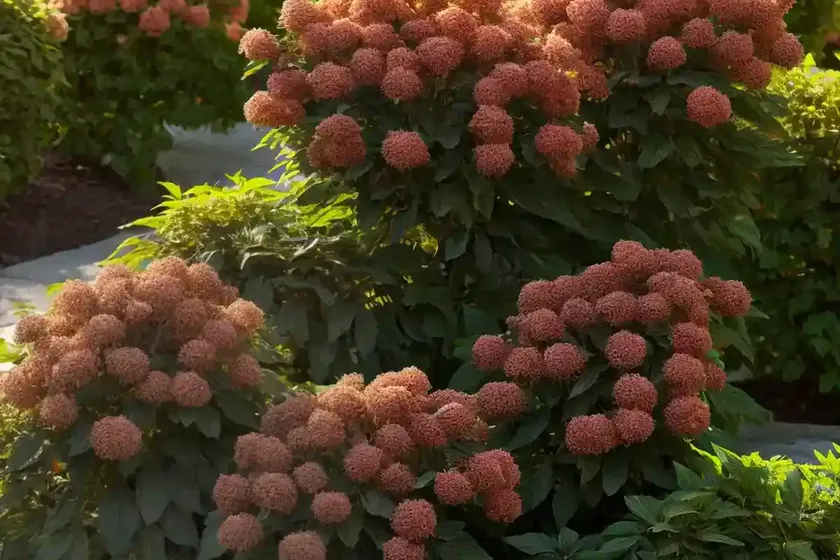
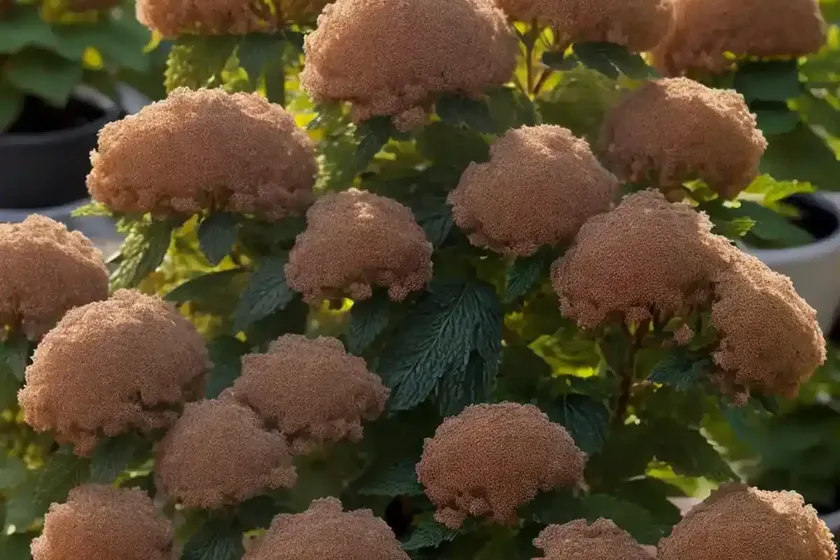
Plants play a crucial role in the environment and human life, offering aesthetic beauty, contributing to ecosystem health, and providing resources essential for sustenance. As a plant scientist, I am enthusiastic about exploring the world of plants, and I am thrilled to delve into the intricate details of one particular plant species, the ninebark (Physocarpus opulifolius ‘Dart’s Gold’).
This blog post will serve as an extensive guide covering various aspects of the ninebark, from its cultural requirements to its uses, diseases, and pests that affect it. Whether you are a gardening enthusiast, a landscaping professional, or someone interested in expanding your plant knowledge, this comprehensive guide will equip you with valuable insights into this remarkable shrub.
What is Ninebark (Physocarpus opulifolius ‘Dart’s Gold’)?
The ninebark, scientifically known as Physocarpus opulifolius ‘Dart’s Gold’, is a deciduous shrub that belongs to the Rosaceae family. This plant is renowned for its stunning foliage and its adaptability to various growing conditions. The ‘Dart’s Gold’ variety of the ninebark is particularly notable for its golden to lime-green leaves that add vibrant color to gardens and landscapes.
Key Takeaways – Ninebark (Physocarpus opulifolius ‘Dart’s Gold’)
Before delving into the specific aspects of this plant, it’s essential to highlight the key takeaways associated with the ninebark (Physocarpus opulifolius ‘Dart’s Gold’):
- The ‘Dart’s Gold’ variety displays stunning golden to lime-green foliage, adding vibrant color to landscapes.
- This shrub is renowned for its overall adaptability to various cultural conditions, making it an excellent choice for diverse gardening and landscaping projects.
- Ninebark is a versatile plant with multiple uses, from being a focal point in garden designs to providing erosion control and wildlife habitat.
- Understanding the plant’s water, sunlight, soil, and fertilizer requirements is crucial for its successful cultivation and maintenance.
- Pruning and propagation techniques are essential for shaping and expanding the ninebark plant, ensuring its health and vitality.
- The shrub is susceptible to specific diseases and pests, necessitating proper diagnosis and management strategies for its well-being.
Now, let’s explore each of these aspects in detail, providing invaluable insights for cultivating and appreciating the ninebark (Physocarpus opulifolius ‘Dart’s Gold’).
Culture: Understanding the Growing Conditions for Ninebark
Uses
The ninebark (Physocarpus opulifolius ‘Dart’s Gold’) offers a wide range of uses, making it a versatile and valuable addition to diverse landscaping and gardening projects. Some of its primary uses include:
- Ornamental Beauty: The ‘Dart’s Gold’ variety of the ninebark serves as a striking ornamental plant, enhancing the visual appeal of gardens and landscapes with its vibrant foliage.
- Erosion Control: Its dense and multi-stemmed growth habit makes it an excellent choice for controlling erosion on slopes and embankments.
- Wildlife Habitat: The shrub’s flowers and fruit attract pollinators, such as bees and butterflies, as well as birds, offering a valuable habitat and food source in natural settings.
- Privacy Screening: Due to its dense growth and arching branches, the ninebark can be utilized to create privacy screens and windbreaks, providing functional and aesthetic benefits.
Water
Understanding the water requirements of the ninebark (Physocarpus opulifolius ‘Dart’s Gold’) is crucial for ensuring its health and vitality. This plant exhibits moderate water needs, and the following watering guidelines can aid in its successful cultivation:
- Establishment Phase: Newly planted ninebarks require regular watering to promote root establishment and growth. Adequate moisture should be provided, especially during dry periods, to support their development.
- Mature Plants: Once established, mature ninebark shrubs exhibit moderate drought tolerance. However, supplemental watering during prolonged dry spells can help maintain their vigor and overall health.
- Soil Moisture: While the ninebark can tolerate a range of soil moisture levels, it thrives in well-draining soils to prevent waterlogged conditions that may compromise its root system.
Sunlight
Proper sunlight exposure is essential for the growth and performance of the ninebark (Physocarpus opulifolius ‘Dart’s Gold’). Understanding its sunlight requirements enables gardeners and landscapers to optimize its placement and ensure its flourishing:
- Full Sun: The ‘Dart’s Gold’ variety of the ninebark thrives in full sun conditions, receiving at least 6 hours of direct sunlight daily. Adequate sunlight promotes robust foliage coloration and overall plant vigor.
- Partial Shade: While the ninebark can tolerate partial shade, especially in hotter climates, optimal sunlight exposure enhances its visual appeal and flowering potential, contributing to its overall landscape impact.
Fertilizer
Proper fertilization plays a vital role in supporting the growth and performance of the ninebark (Physocarpus opulifolius ‘Dart’s Gold’). By providing essential nutrients, gardeners can ensure the plant’s vigor and overall health. Here are some essential fertilizer guidelines:
- Balanced Fertilizer: Applying a balanced, slow-release fertilizer in spring is beneficial for the ninebark. The fertilizer should have a balanced N-P-K (nitrogen, phosphorus, potassium) ratio to support overall plant growth.
- Organic Amendments: Incorporating organic matter, such as well-aged compost, into the soil around the base of the shrub can enhance its nutrient content and soil structure, supporting long-term growth and vitality.
Soil
Understanding the soil requirements for the ninebark (Physocarpus opulifolius ‘Dart’s Gold’) is essential for creating optimal growing conditions. The following guidelines can aid in selecting and preparing suitable soil for this versatile shrub:
- Well-Draining Soil: Ninebarks thrive in well-draining soil that prevents waterlogging and root rot. Amending heavy clay soils with organic matter, such as compost or peat moss, can improve drainage and soil structure.
- pH level: This shrub tolerates a wide range of soil pH levels, from slightly acidic to slightly alkaline. A pH range of 6.0 to 7.5 is generally suitable for promoting healthy growth and nutrient uptake.
- Soil Moisture: While the ninebark can tolerate moderate drought once established, maintaining consistent soil moisture, especially during the establishment phase, is crucial for its successful growth.
Pruning
Proper pruning is essential for shaping, maintaining, and rejuvenating the ninebark (Physocarpus opulifolius ‘Dart’s Gold’). Understanding the pruning techniques and timing is crucial for promoting its overall health and aesthetic appeal. Here are some essential pruning considerations:
- Pruning Time: The best time to prune the ninebark is in late winter to early spring, before new growth emerges. This timing allows for the removal of dead, damaged, or overgrown branches while minimizing stress on the plant.
- Pruning Objectives: Pruning goals include maintaining the shrub’s desired shape, removing crossing or rubbing branches, and rejuvenating older plants by stimulating new growth from the base.
- Pruning Tools: Sharp and clean pruning tools, such as hand pruners and loppers, are essential for making precise cuts and minimizing the risk of disease transmission. Disinfecting tools between cuts, especially when dealing with diseased branches, is crucial for preventing the spread of pathogens.
Propagation
Understanding the propagation techniques for the ninebark (Physocarpus opulifolius ‘Dart’s Gold’) enables gardeners to expand their plant collection and share this remarkable shrub with others. Here are some common methods of propagating the ninebark:
- Softwood Cuttings: Propagating the ninebark from softwood cuttings involves taking young, actively growing stems in late spring to early summer. These cuttings are then placed in a suitable rooting medium to encourage root development.
- Hardwood Cuttings: Hardwood cuttings, taken from mature stems during the dormant season, can also be utilized for propagating the ninebark. Proper preparation and planting of hardwood cuttings can yield new plants with genetic traits similar to the parent shrub.
- Division: Dividing mature ninebark shrubs can be an effective propagation method, particularly for clump-forming varieties. Dividing the root ball into smaller sections with well-developed shoots and roots can yield multiple plants for new garden installations.
Container Popularity
The ninebark (Physocarpus opulifolius ‘Dart’s Gold’) exhibits popularity in container gardening due to its adaptability and ornamental attributes. Here are some key factors contributing to its container popularity:
- Versatility: The ‘Dart’s Gold’ variety of the ninebark adapts well to container cultivation, making it suitable for patios, balconies, and small gardens where space may be limited.
- Diverse Designs: Incorporating the ninebark in containers allows for the creation of diverse garden designs, from formal arrangements to mixed container plantings, adding color and texture to outdoor spaces.
- Seasonal Displays: Containers featuring the ninebark can be utilized to showcase seasonal interest, such as its colorful foliage in spring and fall, offering dynamic displays throughout the year.
Common Diseases
While the ninebark (Physocarpus opulifolius ‘Dart’s Gold’) is valued for its adaptability and resilience, it is susceptible to specific diseases that can impact its health and appearance. Being aware of these common diseases and their management is crucial for maintaining the plant’s vitality:
- Powdery Mildew: This fungal disease, characterized by a white powdery coating on leaves, can affect the ninebark, particularly in humid conditions. Selecting disease-resistant varieties and providing proper air circulation can help manage powdery mildew.
- Leaf Spot: Leaf spot diseases, caused by various fungal pathogens, can lead to the development of dark spots or lesions on the foliage. Proper sanitation, including the removal of affected leaves, can aid in disease management.
- Fire Blight: While more commonly associated with pears and related plants, fire blight, caused by the bacterium Erwinia amylovora, can affect ninebarks, resulting in wilting and cankers on branches. Pruning out infected branches and promoting overall plant vigor can aid in reducing the impact of this disease.
Disease Diagnosis
Accurately diagnosing diseases affecting the ninebark (Physocarpus opulifolius ‘Dart’s Gold’) is essential for implementing effective management strategies. Observing and understanding the symptoms associated with common plant diseases enables gardeners and landscapers to take appropriate actions. Here are some diagnostic considerations for common ninebark diseases:
- Symptom Identification: Recognizing the specific symptoms, such as leaf discoloration, wilting, or unusual growth patterns, can aid in narrowing down potential disease issues affecting the ninebark.
- Pathogen Identification: Understanding the causal agents of common diseases, whether fungal, bacterial, or viral, is crucial for selecting appropriate management approaches, including cultural practices and, when necessary, targeted treatments.
Common Pests
In addition to diseases, certain pests can impact the health and appearance of the ninebark (Physocarpus opulifolius ‘Dart’s Gold’). Here are some common pests that may affect this shrub and the corresponding management strategies:
- Aphids: These small, sap-sucking insects can infest the foliage of the ninebark, leading to distorted growth and honeydew production. Natural predators, such as ladybugs and lacewings, can help control aphid populations.
- Scale Insects: Scale insects, which may appear as immobile bumps on stems and leaves, can weaken the ninebark by feeding on its sap. Horticultural oils and natural predators can aid in managing scale infestations while minimizing damage to the plant.
Botanist’s Tips
As a plant scientist specializing in the study of the ninebark (Physocarpus opulifolius ‘Dart’s Gold’), I am pleased to offer some valuable tips for cultivating and appreciating this remarkable shrub. These tips encompass practical advice for successful ninebark cultivation and landscape integration:
- Selecting Disease-Resistant Cultivars: When choosing ninebark varieties for planting, opt for disease-resistant cultivars to minimize the risk of disease issues and reduce the need for chemical interventions.
- Incorporating Companion Plants: Pairing the ninebark with suitable companion plants, such as pollinator-friendly flowers or contrasting foliage textures, can enhance its visual impact and ecological value within the garden.
- Observation and Monitoring: Regular observation of the ninebark, including leaf health, growth patterns, and pest presence, allows for early detection of potential issues, facilitating timely interventions and maintenance.
Fun Facts
Exploring the fascinating world of plants often unveils intriguing and captivating facts about individual species. As an enthusiast of plant science, I am thrilled to share some fun and noteworthy facts about the ninebark (Physocarpus opulifolius ‘Dart’s Gold’):
- Native Habitat: The ninebark is native to North America, where it thrives in various ecological landscapes, from woodlands to stream banks, showcasing its adaptability to diverse environmental conditions.
- Foliage Variation: While the ‘Dart’s Gold’ variety is renowned for its striking golden to lime-green leaves, other ninebark cultivars exhibit a range of foliage colors, including deep burgundy and coppery tones.
- Historical Uses: Indigenous peoples historically utilized parts of the ninebark, including its inner bark, for medicinal purposes and as a source of dye, reflecting its cultural significance and practical uses.
- Wildlife Support: The flowers and fruit of the ninebark attract a diversity of wildlife, with pollinators enjoying the nectar and birds feasting on the seeds, contributing to its ecological role in sustaining local ecosystems.
Links to External Resources
For additional information and resources on the ninebark (Physocarpus opulifolius ‘Dart’s Gold’), I recommend exploring the following links:
- USDA Plant Profile: Physocarpus opulifolius
- The Morton Arboretum: Ninebark – Physocarpus spp.
- Missouri Botanical Garden: Physocarpus opulifolius
- University of Maryland Extension: Ninebark – A Colorful and Versatile Shrub
In conclusion, the ninebark (Physocarpus opulifolius ‘Dart’s Gold’) stands as a remarkable plant with its ornamental beauty, adaptability, and ecological significance. By understanding its cultural requirements, uses, disease and pest management, as well as valuable botanist’s tips and fun facts, enthusiasts and professionals can explore and appreciate the unique attributes of this captivating shrub. I hope this comprehensive guide serves as a valuable resource for all those intrigued by the world of plants and the captivating allure of the ninebark.
Keywords: Physocarpus opulifolius ‘Dart’s Gold’ care, Ninebark Dart’s Gold plant, Growing Physocarpus opulifolius Dart’s Gold, Ninebark shrub Dart’s Gold variety, Dart’s Gold ninebark pruning tips, Physocarpus opulifolius ‘Dart’s Gold’ characteristics, Best conditions for Dart’s Gold ninebark, Ninebark Dart’s Gold landscape ideas, Disease-resistant Physocarpus opulifolius ‘Dart’s Gold’, Dart’s Gold ninebark drought tolerance, How to propagate Physocarpus opulifolius Dart’s Gold, Dart’s Gold ninebark planting guide, Physocarpus opulifolius ‘Dart’s Gold’ varieties, Dart’s Gold ninebark winter care, Companion plants for Physocarpus opulifolius ‘Dart’s Gold’, Dart’s Gold ninebark maintenance tips, Pests affecting Physocarpus opulifolius ‘Dart’s Gold’, Dart’s Gold ninebark foliage colors, Soil requirements for Physocarpus opulifolius Dart’s Gold, Dart’s Gold ninebark hardiness zones, Pruning techniques for Physocarpus opulifolius ‘Dart’s Gold’, Dart’s Gold ninebark landscaping suggestions, Benefits of planting Physocarpus opulifolius Dart’s Gold, Dart’s Gold ninebark water needs, Growing Physocarpus opulifolius ‘Dart’s Gold’ in containers, Dart’s Gold ninebark sunlight requirements, Disease prevention for Physocarpus opulifolius ‘Dart’s Gold’, Dart’s Gold ninebark fall color display, Maintenance schedule for Physocarpus opulifolius Dart’s Gold, Dart’s Gold ninebark native habitat, Common uses for Physocarpus opulifolius ‘Dart’s Gold’, Dart’s Gold ninebark size and growth habit, Pruning timeframes for Physocarpus opulifolius ‘Dart’s Gold’, Dart’s Gold ninebark hedge formation, Fertilizer requirements for Physocarpus opulifolius Dart’s Gold, Dart’s Gold ninebark focal point in the garden, Winter protection for Physocarpus opulifolius ‘Dart’s Gold’, Dart’s Gold ninebark landscaping trends, Companion shrubs for Physocarpus opulifolius Dart’s Gold, Dart’s Gold ninebark pest control methods, Physocarpus opulifolius ‘Dart’s Gold’ growth rate, Dart’s Gold ninebark deer resistance, Container gardening with Physocarpus opulifolius ‘Dart’s Gold’, Dart’s Gold ninebark foliage texture, Soil pH requirements for Physocarpus opulifolius Dart’s Gold, Dart’s Gold ninebark flower characteristics, Disease management for Physocarpus opulifolius ‘Dart’s Gold’, Dart’s Gold ninebark seasonal interest, Watering techniques for Physocarpus opulifolius Dart’s Gold, Dart’s Gold ninebark pruning tools and equipment


