New Zealand Hebe (Hebe Speciosa)
New Zealand Hebe, scientifically known as Hebe Speciosa, is a stunning and versatile plant that has captured the hearts of garden enthusiasts and.
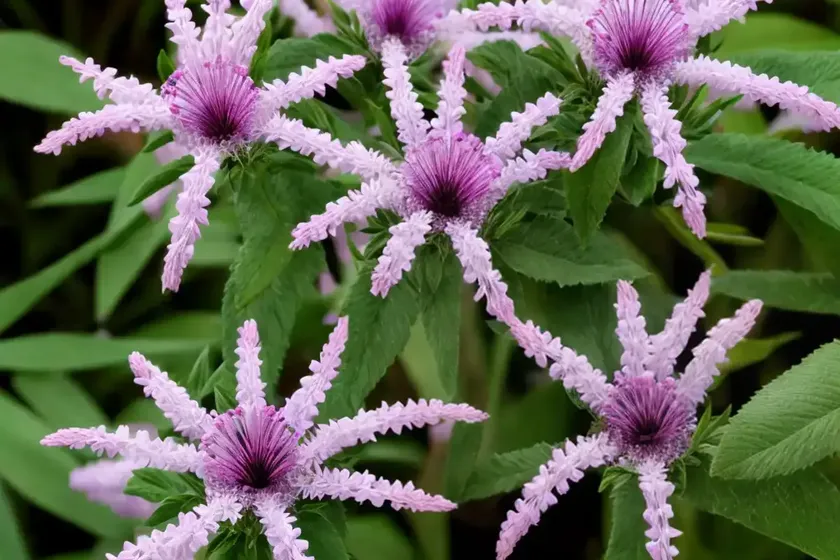
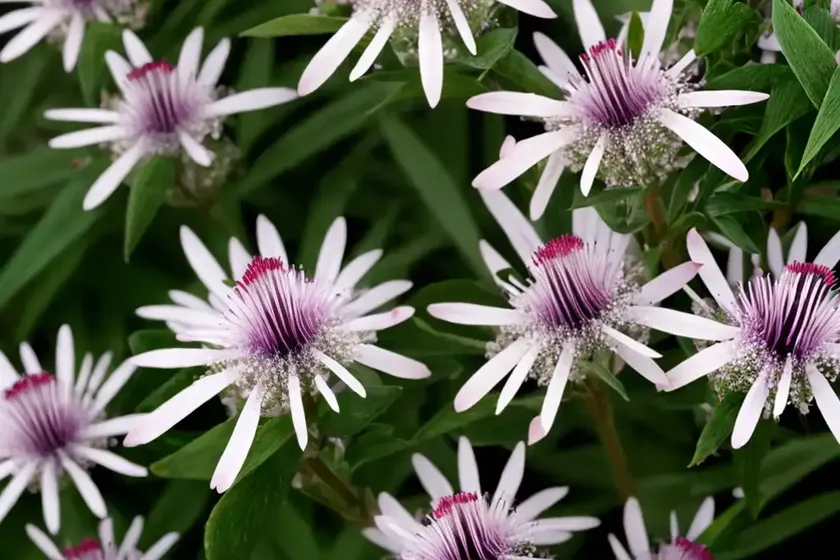
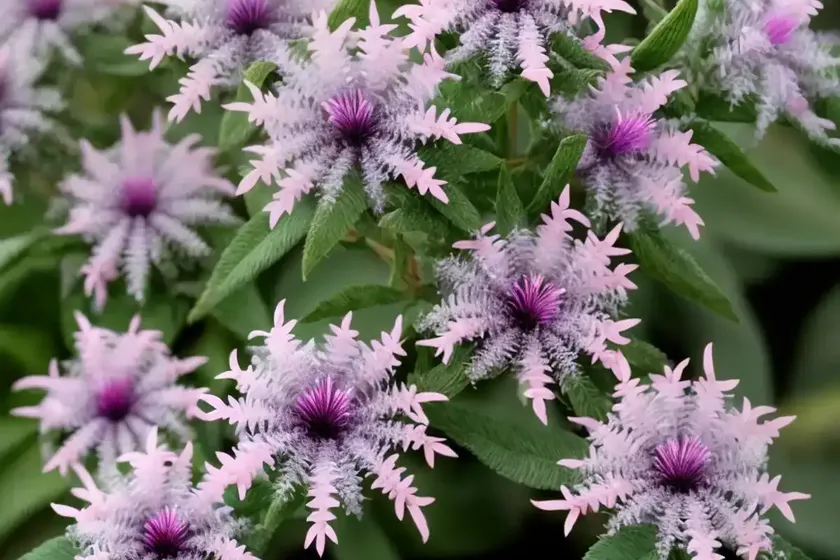
New Zealand Hebe, scientifically known as Hebe Speciosa, is a stunning and versatile plant that has captured the hearts of garden enthusiasts and horticulturists worldwide. Native to New Zealand, this ornamental plant showcases an array of beautiful characteristics and traits that make it a must-have for any garden. In this comprehensive guide, we will explore the key features, cultivation practices, care tips, and the ecological significance of the New Zealand Hebe.
What is Plant: New Zealand Hebe (Hebe Speciosa)
New Zealand Hebe is a species of flowering plant that belongs to the genus Hebe, which is part of the family Plantaginaceae. This evergreen shrub is known for its striking foliage and vibrant flowers, making it an attractive addition to gardens, landscapes, and natural habitats. The Hebe Speciosa is characterized by its compact growth habit, glossy leaves, and exquisite inflorescences that adorn the plant during the blooming season. Its native range includes various regions of New Zealand, where it thrives in diverse environmental conditions.
Key Takeaways – New Zealand Hebe (Hebe Speciosa)
New Zealand Hebe Characteristics
- Evergreen shrub with a compact growth habit
- Glossy, ovate leaves with a dark green hue
- Showcases vibrant and fragrant inflorescences
- Native to New Zealand, thriving in diverse climates
Hebe Speciosa Features
- Displays ornamental flowers in various colors
- Well-adapted to gardens, landscapes, and containers
- Resilient and low-maintenance plant species
Best Practices for Growing Hebe Speciosa
- Requires well-draining soil and adequate sunlight
- Regular watering, especially during the establishment phase
- Pruning to maintain shape and encourage robust growth
New Zealand Hebe Care Guide
- Suitable for diverse climates and gardening styles
- Adds color, texture, and biodiversity to the garden
- Resistant to pests and diseases, making it ideal for beginners
Hebe Speciosa Plant Profile
- Botanical name: Hebe Speciosa
- Family: Plantaginaceae
- Common names: New Zealand Hebe, Hebe
Culture
Uses
New Zealand Hebe is widely utilized for its ornamental value in gardens, landscapes, and naturalized areas. Its vibrant foliage and attractive flowers make it a popular choice for various landscaping projects, including:
- Borders and edging: The compact growth habit and striking flowers of Hebe Speciosa make it an excellent choice for defining borders and creating visual interest in garden beds.
- Container gardening: Due to its adaptability to container cultivation, New Zealand Hebe is often featured in patio planters, terracotta pots, and decorative containers, adding a touch of natural beauty to outdoor spaces.
- Landscaping: Hebe Speciosa is frequently used in landscape designs to enhance the visual appeal of residential and commercial properties, offering year-round interest and color.
Water
Proper watering is essential for the health and vitality of New Zealand Hebe. During the establishment period, consistent watering is crucial to support root development and ensure the plant’s resilience. Once established, Hebe Speciosa exhibits a moderate tolerance to drought, making it suitable for low-water landscaping and xeriscaping projects. However, during prolonged dry periods, supplementary watering may be necessary to maintain optimal growth and flowering.
Sunlight
New Zealand Hebe thrives in locations that receive ample sunlight, preferably in full to partial sun. Adequate sunlight is essential for promoting lush foliage, stimulating flower production, and enhancing the overall vigor of the plant. When cultivated in shadier conditions, the plant may experience reduced flowering and a less compact growth habit. Therefore, positioning Hebe Speciosa in a sunny location is crucial for maximizing its ornamental value in the garden.
Fertilizer
Applying a balanced and slow-release fertilizer can benefit the growth and flowering of New Zealand Hebe. During the growing season, a light application of a general-purpose fertilizer, formulated for flowering shrubs, can be administered to provide essential nutrients. It is important to follow the manufacturer’s recommendations regarding the frequency and dosage of fertilizer application, ensuring that the plant receives adequate nourishment without the risk of over-fertilization.
Soil
New Zealand Hebe thrives in well-drained soil with a slightly acidic to neutral pH range. The soil should be rich in organic matter, providing a nutritious and conducive environment for the plant’s root system. Additionally, Hebe Speciosa is well-adapted to various soil types, including sandy loam, clay loam, and coastal soils, reflecting its versatility in different growing conditions. Proper soil preparation and maintenance are crucial for supporting the long-term health and resilience of the plant.
Pruning
Pruning is an essential aspect of maintaining the shape, vigor, and floral abundance of New Zealand Hebe. Regular pruning can be conducted to remove dead or damaged branches, promote air circulation within the canopy, and shape the plant to the desired form. Additionally, light pruning after the flowering period can help stimulate new growth and encourage a compact, bushy habit. When pruning Hebe Speciosa, it is recommended to use sharp and sanitized pruning tools to minimize the risk of damage or disease transmission.
Propagation
Propagation of New Zealand Hebe can be achieved through various methods, including:
- Softwood cuttings: Softwood cuttings taken from the current season’s growth can be rooted in a well-draining propagation medium under controlled conditions, leading to the development of new plants.
- Semi-hardwood cuttings: Semi-hardwood cuttings from slightly matured stems can be propagated using rooting hormone and appropriate rooting conditions, resulting in the establishment of new Hebe Speciosa specimens.
- Division: Established Hebe plants can be divided into separate sections, each containing viable roots and shoots, to produce multiple plants and expand the garden’s Hebe population.
Propagating New Zealand Hebe allows for the preservation and propagation of desirable cultivars, the introduction of new genetic variations, and the sharing of the plant’s beauty with others in the gardening community.
Container Popularity
The adaptability of New Zealand Hebe to container cultivation has contributed to its popularity among gardening enthusiasts. When grown in containers, Hebe Speciosa serves as a versatile and eye-catching addition to outdoor spaces, such as patios, balconies, and courtyards. The compact growth habit and ornamental features of the plant make it well-suited for container gardening, allowing individuals with limited garden space to enjoy the beauty of Hebe Speciosa in a portable and manageable form.
Common Diseases
New Zealand Hebe is relatively resistant to many common plant diseases, thanks to its resilience and adaptability. However, certain environmental conditions and cultural practices may influence the susceptibility of Hebe Speciosa to potential diseases. Some of the common diseases that may affect New Zealand Hebe include:
- Powdery mildew: A fungal disease that manifests as powdery white patches on the foliage, leading to reduced photosynthetic activity and potential decline in plant health. Proper air circulation and moisture management can help minimize the risk of powdery mildew.
- Root rot: Excessive moisture in poorly drained soil can create conditions conducive to root rot, causing root damage and compromising the plant’s overall vigor. Well-draining soil and mindful watering practices are essential for preventing root rot in Hebe Speciosa.
- Leaf spot: Fungal infections or bacterial pathogens can cause leaf spots on the foliage, affecting the plant’s aesthetics and potentially leading to leaf defoliation. Maintaining good sanitation and promptly removing affected plant material can help manage leaf spot diseases.
Disease Diagnosis
When diagnosing potential diseases affecting New Zealand Hebe, it is important to consider the symptoms observed, the prevailing environmental conditions, and the plant’s cultivation history. Conducting a thorough inspection of the foliage, stems, and root system can aid in identifying the presence of diseases or pests. In cases where disease diagnosis is uncertain, seeking advice from experienced horticulturists or plant pathologists can provide valuable insights and guidance for effective disease management strategies.
Common Pests
New Zealand Hebe is generally resistant to many common garden pests, contributing to its suitability for low-maintenance gardening. However, certain pests may occasionally pose a threat to the health and aesthetics of Hebe Speciosa. Some of the common pests that may affect New Zealand Hebe include:
- Aphids: Small, sap-feeding insects that can cluster on the foliage and young shoots, potentially causing distortion of plant tissues and the secretion of honeydew.
- Scale insects: These pests can attach themselves to the stems and leaves of Hebe Speciosa, sapping plant juices and causing yellowing or wilting of affected plant parts.
- Leafhoppers: Fast-moving insects that feed on the sap of plant tissues, often leading to stippling, discoloration, or deformation of leaves.
Botanist’s Tips
As a plant scientist with a passion for ornamental plants and ecological conservation, I am delighted to provide the following expert tips for cultivating and caring for New Zealand Hebe:
-
Environmental placement: When selecting planting locations for New Zealand Hebe, consider the native habitat of the plant, ensuring that the chosen site provides suitable conditions for its growth and development.
-
Companion planting: Explore the potential for companion planting with Hebe Speciosa, integrating complementary plant species to enhance biodiversity, ecological balance, and aesthetic appeal in the garden.
-
Educational outreach: Utilize the beauty and resilience of New Zealand Hebe as an educational tool to engage community members, school groups, and gardening enthusiasts in the exploration of native flora and sustainable gardening practices.
-
Conservation efforts: Contribute to conservation initiatives and biodiversity preservation by incorporating native plants like Hebe Speciosa into garden designs, supporting the protection of New Zealand’s natural heritage.
-
Observational gardening: Encourage individuals to observe and appreciate the seasonal changes, growth patterns, and ecological interactions of New Zealand Hebe, fostering a deeper connection with nature and the environment.
Fun Facts
- Hebe Speciosa is named after the Greek goddess of youth, Hebe, reflecting the plant’s association with vitality, beauty, and rejuvenation.
- The ornamental flowers of New Zealand Hebe attract pollinators, such as bees and butterflies, contributing to the ecological significance of the plant.
- In traditional Maori practices, certain species of Hebe hold cultural and medicinal significance, showcasing the plant’s historical and cultural relevance.
Links to External Resources
For further information on New Zealand Hebe (Hebe Speciosa) and its cultivation, care, and ecological importance, the following external resources are recommended:


