Calathea Zebrina (Calathea Zebrina)
Calathea zebrina, commonly known as the Zebra plant, is a strikingly beautiful and vibrant plant with unique patterns on its leaves, making it a popular.
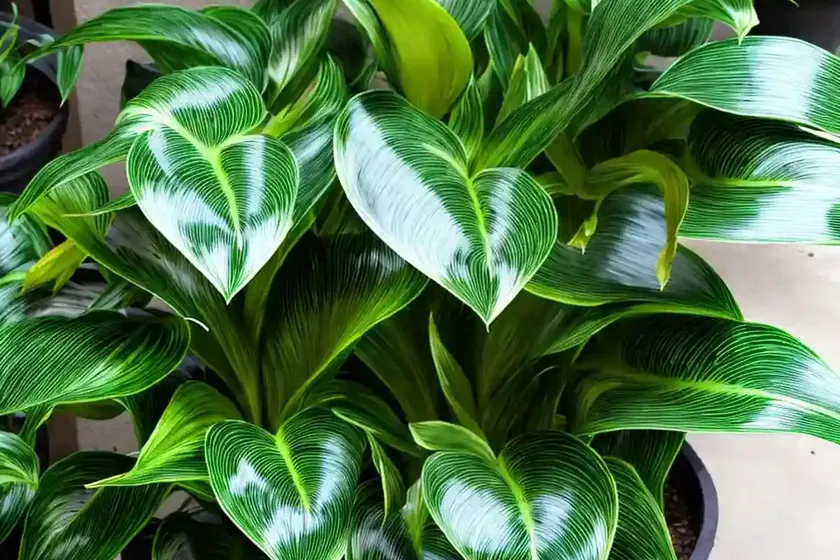
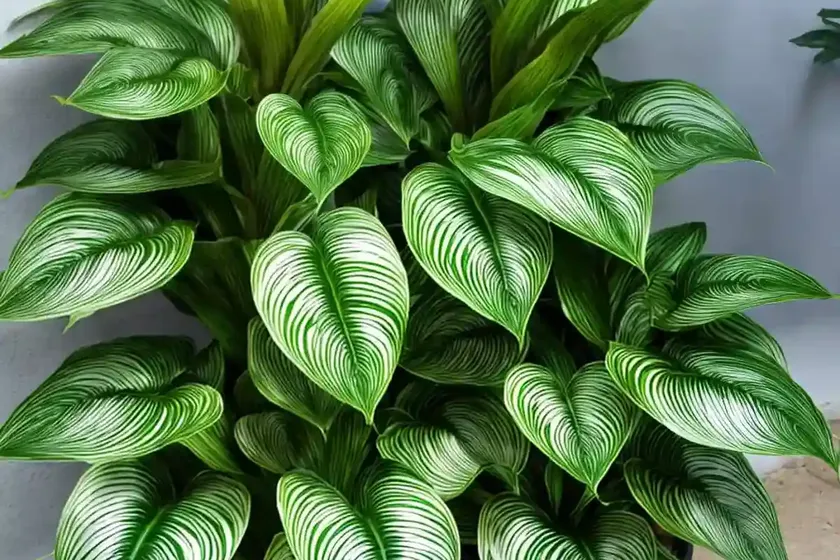
Calathea zebrina, commonly known as the Zebra plant, is a strikingly beautiful and vibrant plant with unique patterns on its leaves, making it a popular choice among plant enthusiasts. This tropical plant is native to the Brazilian rainforest and belongs to the Marantaceae family. The Calathea genus comprises several species, each with its distinct characteristics, and Zebrina is no exception.
In this comprehensive guide, we will delve into every aspect of caring for Calathea zebrina, including its cultural requirements, uses, watering needs, preferred sunlight conditions, fertilizer application, soil preferences, pruning techniques, propagation methods, common diseases and pests, and much more. Whether you are a novice plant parent or an experienced gardener looking to expand your indoor garden, this guide will equip you with all the knowledge you need to nurture and showcase the beauty of Calathea zebrina effectively.
What is Calathea Zebrina (Calathea zebrina)?
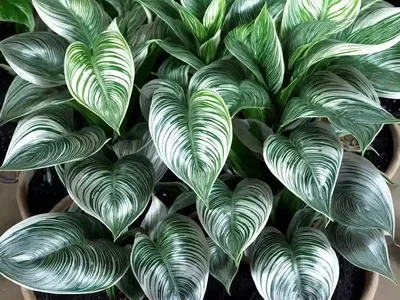
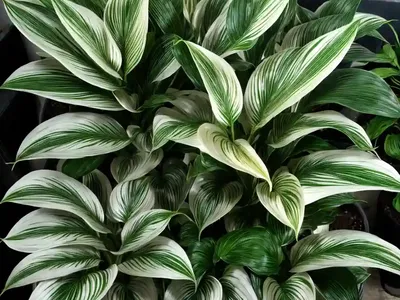
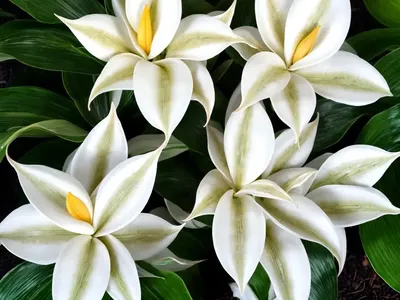
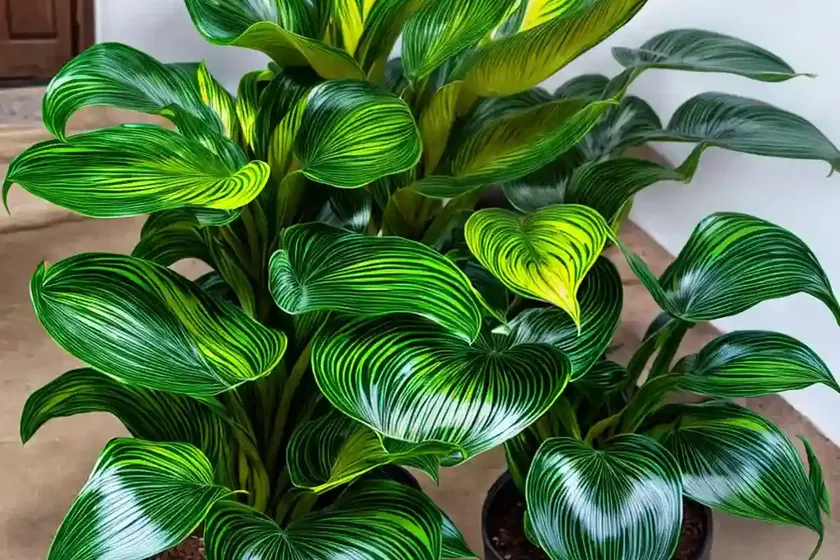
Calathea zebrina, also known as the Zebra plant, is a tropical evergreen species renowned for its distinctive zebra-like patterns on its long, lance-shaped leaves. The deep green foliage is adorned with bold, thick stripes in a lighter shade of green, creating a captivating visual display. This striking foliage, coupled with its air-purifying qualities, makes Calathea zebrina a sought-after choice for indoor spaces.
The plant’s striking appearance and air-purifying properties make it an ideal addition to homes, offices, and public spaces. While often grown as a houseplant, it can also thrive in outdoor gardens under specific conditions. Calathea zebrina’s unique leaf movements, known as nyctinasty, add an engaging element to its appeal. The leaves open and close in response to light, with their upward movement during the day and downward folding at night, giving them the appearance of “praying.”
With proper care and attention, Calathea zebrina can grow to be a lush and vibrant addition to any indoor or outdoor plant collection.
Key Takeaways – Calathea Zebrina (Calathea zebrina)
Before diving into the specifics of caring for Calathea zebrina, let’s summarize the key takeaways associated with this stunning plant:
- Scientific Name: Calathea zebrina
- Common Name: Zebra plant
- Family: Marantaceae
- Native Region: Brazilian rainforest
- Foliage: Long, lance-shaped leaves with distinct zebra-like patterns
- Leaf Movement: Exhibits nyctinasty – leaves open during the day and close at night
- Uses: Ornamental plant for indoor and outdoor spaces, with air-purifying properties
- Growth Rate: Moderate
- Maintenance Level: Moderate
- Light Requirements: Indirect, bright light
- Watering Needs: Consistent moisture, avoid waterlogging
- Soil Type: Well-draining, peat-based mix
- Humidity Preferences: High humidity levels
- Fertilization: Diluted, balanced fertilizer
- Propagation: Division or stem cuttings
- Container Size: Depends on the plant size and growth stage
- Popularity: Increasing due to its unique foliage and air-purifying qualities
Now that we have outlined the essential characteristics of Calathea zebrina, let’s delve into the detailed care guidelines for this captivating plant.
Culture
Cultivating Calathea zebrina involves understanding its specific cultural requirements, such as water, sunlight, humidity, soil, and fertilization. By creating an environment that mimics its natural habitat, you can ensure the plant thrives and displays its stunning foliage to its full potential.
Uses
Ornamental Display
Calathea zebrina is primarily grown for its ornamental value, elevating interior spaces with its captivating foliage. Whether showcased in a living room, office, or communal area, the striking zebra-like patterns on its leaves make it a visually arresting addition to any environment.
Air Purification
In addition to its aesthetic appeal, Calathea zebrina contributes to indoor air quality by removing toxins and impurities, thus enhancing the overall well-being of its surroundings. This dual functionality underscores its popularity as an indoor plant.
Now, let’s explore the specific care requirements for nurturing a thriving Calathea zebrina.
Water
Maintaining appropriate moisture levels is crucial to the well-being of Calathea zebrina. As a tropical plant, it thrives in a consistently moist environment, but it is essential to avoid waterlogging the soil, which can lead to root rot and other detrimental conditions.
Watering Schedule
- Spring and Summer: Water the plant regularly to keep the soil consistently moist, but not waterlogged. Allow the top inch of the soil to dry out slightly between waterings.
- Autumn and Winter: Reduce the frequency of watering, ensuring that the soil remains moist but not saturated. Aim to water less frequently than during the growing season, as the plant’s water requirements decrease in cooler months.
Watering Technique
When watering your Calathea zebrina, use room temperature water to avoid shocking the plant’s roots. Pour water evenly across the soil surface until it begins to drain from the bottom of the pot, ensuring that the entire root system receives adequate moisture.
Sunlight
Calathea zebrina thrives in bright, indirect light, making it well-suited for placement near east or west-facing windows. Exposure to direct sunlight can scorch its leaves, leading to unsightly burns and damage. To maintain the plant’s vibrant appearance, it is essential to shield it from harsh sun rays while providing sufficient ambient brightness.
Light Requirements
Position your Calathea zebrina in a location that receives bright, indirect light for most of the day. If natural light is limited, you can supplement with grow lights to meet its requirements. Avoid placing the plant in direct sunbeams, as this can result in leaf discoloration and diminished overall health.
Fertilizer
Proper fertilization supports the growth and vitality of Calathea zebrina, ensuring that it receives essential nutrients for lush foliage and overall well-being. However, excessive or imbalanced fertilizer application can harm the plant, so it is essential to follow appropriate guidelines.
Fertilization Schedule
- Spring and Summer: Apply a balanced, diluted liquid fertilizer every 4-6 weeks to provide essential nutrients during the plant’s active growing season.
- Autumn and Winter: Reduce or cease fertilization, as the plant’s growth rate decreases and its nutrient requirements diminish during the cooler months.
When selecting a fertilizer, opt for a balanced, water-soluble formula designed for foliage plants. Dilute the fertilizer to half strength to avoid overwhelming the plant with concentrated nutrients.
Soil
Choosing the right soil composition is crucial to supporting the growth and health of Calathea zebrina. The soil should offer the ideal balance of moisture retention and drainage, ensuring that the plant’s roots receive sufficient water without becoming waterlogged.
Soil Type
A well-draining, peat-based potting mix provides an optimal growing medium for Calathea zebrina. The mix should retain moisture without becoming compacted, allowing for adequate aeration and water distribution throughout the root system.
Ensure that the potting mix is loose and airy, as overly dense soil can impede drainage and lead to root issues. Additionally, incorporating organic matter into the mix can further enhance its water retention capabilities, supporting the plant’s moisture needs.
Pruning
Periodic pruning is beneficial for maintaining the appearance and health of Calathea zebrina. By removing damaged or discolored foliage, you can encourage new growth and prevent disease or pest issues from spreading throughout the plant.
Pruning Technique
When pruning your Calathea zebrina, use clean, sharp scissors or pruning shears to make precise cuts. Focus on removing any yellowing, browned, or distorted leaves, as well as spent flower stalks, if applicable. Additionally, pruning can help shape the plant and prevent overcrowding, promoting an open and balanced growth habit.
Be mindful of the frequency and intensity of pruning, as excessive removal of foliage can stress the plant and impede its ability to photosynthesize effectively. Aim to maintain a harmonious balance between preserving the plant’s natural form and removing any unsightly or compromised growth.
Propagation
Propagating Calathea zebrina allows you to expand your plant collection and share its beauty with others. While the process may require patience and attention to detail, successful propagation can result in new, thriving plants for your indoor garden.
Propagation Methods
Calathea zebrina can be propagated through division or stem cuttings. Both techniques offer viable means of producing new plants, allowing you to choose the method that best aligns with your preferences and resources.
Division
Dividing a mature Calathea zebrina plant involves separating its root system and individual shoots to create multiple plants. This method is ideally performed during the plant’s active growing season, as it enables the separated sections to establish and thrive more efficiently.
To propagate through division:
1. Carefully remove the plant from its pot, gently separating the root mass into smaller sections.
2. Ensure that each division contains healthy roots and foliage, promoting its ability to thrive independently.
3. Repot the divided sections into suitable containers filled with a well-draining potting mix, maintaining consistent moisture and light levels as they establish new growth.
Stem Cuttings
Using stem cuttings to propagate Calathea zebrina involves harvesting healthy stems from the parent plant and encouraging them to develop roots. This method offers a straightforward and effective means of producing new plants, provided the cuttings are nurtured in a conducive environment.
To propagate through stem cuttings:
1. Select a healthy, non-flowering stem from the parent plant, ensuring it contains several nodes or leaf joints.
2. Trim the stem just below a node using clean, sharp scissors or shears.
3. Place the cutting in a suitable rooting medium, such as a mix of perlite and peat, ensuring consistent moisture and warmth to stimulate root development.
4. Monitor the cutting’s progress and provide the necessary care to support its establishment as a new plant.
By following these propagation methods with diligence and care, you can multiply your Calathea zebrina collection and share its beauty with others.
Container Popularity
The popularity of Calathea zebrina as a container plant has surged in recent years, owing to its stunning visual appeal and suitability for indoor cultivation. As an adaptable and visually striking species, it has captured the attention of plant enthusiasts and interior designers alike, becoming a favored choice for adding vibrancy and elegance to diverse indoor settings.
When selecting a container for your Calathea zebrina, prioritize functionality and aesthetics, choosing a vessel that accommodates the plant’s root system and complements its foliage. Consider the following container features to enhance the plant’s growth and showcase its visual allure:
- Drainage Holes: Opt for containers with drainage holes to prevent waterlogging and promote optimal moisture levels within the soil.
- Adequate Size: Select a container that accommodates the plant’s root system comfortably, allowing for sufficient space for growth while preventing overcrowding.
- Material and Design: Choose a container material and design that aligns with the overall aesthetic of its surroundings, enhancing the visual impact of the plant while facilitating its care.
By pairing Calathea zebrina with a well-suited container, you can create an engaging and harmonious display that elevates the ambiance of any indoor space.
Common Diseases
Caring for Calathea zebrina involves vigilance against common diseases that can compromise the plant’s health and appearance. By recognizing the symptoms and implementing appropriate measures, you can safeguard your Zebra plant from potential ailments.
Disease Diagnosis
Several common diseases that may affect Calathea zebrina include:
- Leaf Spot: Manifests as dark, water-soaked lesions on the foliage, often caused by overwatering or high humidity levels.
- Root Rot: Results from waterlogging and excessive moisture in the soil, leading to decay and deterioration of the plant’s roots.
- Powdery Mildew: Presents as a white, powdery coating on the leaves, indicative of fungal infestation favored by high humidity and poor air circulation.
By promptly identifying these issues and addressing their underlying causes, you can mitigate their impact and restore your Calathea zebrina to optimal health.
Common Pests
In addition to diseases, Calathea zebrina may be susceptible to pest infestations that can compromise its appearance and vitality. Recognizing the signs of common pests and implementing suitable control measures is essential for maintaining a healthy and thriving Zebra plant.
Common Pests
Common pests that may affect Calathea zebrina include:
- Spider Mites: Tiny arachnids that may create fine webbing on the plant’s leaves and cause stippling or discoloration.
- Mealybugs: Small, cottony insects that may gather in the leaf axils and along the stems, feeding on the plant’s sap and causing weakening or distortion.
- Aphids: Small, soft-bodied insects that may congregate on new growth, causing distortion and yellowing of the affected foliage.
By routinely inspecting your Calathea zebrina for signs of pest activity and promptly addressing any infestations, you can protect the plant from potential harm and maintain its vibrant, healthy appearance.
Botanist’s Tips
As a botanist with a passion for the exquisite Calathea zebrina, I would like to share some additional insights and recommendations for nurturing this captivating plant to its full potential. These tips draw from my experience and expertise in cultivating Calathea species, offering valuable guidance for plant enthusiasts seeking to care for their Zebra plants with precision and attentiveness.
Fun Facts
- Calathea zebrina belongs to the Marantaceae family, which is known for its diverse and visually striking species. The family encompasses various ornamental plants with vibrant foliage patterns, making them popular choices for indoor cultivation and ornamental display.
- The nyctinastic leaf movements of Calathea zebrina add an intriguing and dynamic element to its visual appeal. The plant’s leaves exhibit a pronounced upward and downward movement in response to light, creating a captivating display and a sense of rhythmic vitality.
- Calathea zebrina’s timeless elegance has earned it the nickname “Zebra plant,” paying homage to the distinct zebra-like patterns adorning its lush foliage. This moniker highlights the plant’s visual resemblance to the majestic patterns found on zebra coats, underscoring its innate allure and charm.
Links to External Resources
In addition to the comprehensive information provided in this guide, I recommend exploring additional resources and references to deepen your understanding of Calathea zebrina and its care requirements. The following links offer valuable insights and perspectives from experts and fellow gardening enthusiasts, enriching your knowledge and nurturing your passion for cultivating this exceptional plant:
Conclusion
Calathea zebrina, with its captivating foliage and air-purifying qualities, represents a captivating addition to any indoor or outdoor plant collection. By adhering to the care guidelines outlined in this comprehensive guide and leveraging the insights shared, you can cultivate a thriving and visually arresting Zebra plant that enriches its surroundings and captivates all who encounter it.
From understanding its cultural requirements and specific maintenance needs to recognizing and addressing potential diseases and pests, this guide equips you with the knowledge and expertise to nurture Calathea zebrina with confidence and proficiency. Embrace the beauty and elegance of this exceptional plant, and embark on a rewarding journey of cultivating and showcasing the captivating allure of Calathea zebrina.
By immersing yourself in the care and cultivation of Calathea zebrina, you can create a vibrant and harmonious oasis within your living spaces, elevating the ambiance and infusing joy and vitality into your daily life. Cherish the unique beauty and dynamic presence of the Zebra plant, and delight in the ongoing growth and flourishing of this exceptional botanical treasure.