Fishbone Prayer Plant (Ctenanthe Burle-marxii)
Plants have been an integral part of human life for centuries, adding beauty, tranquility, and a sense of nature to our living spaces. From their aesthetic.
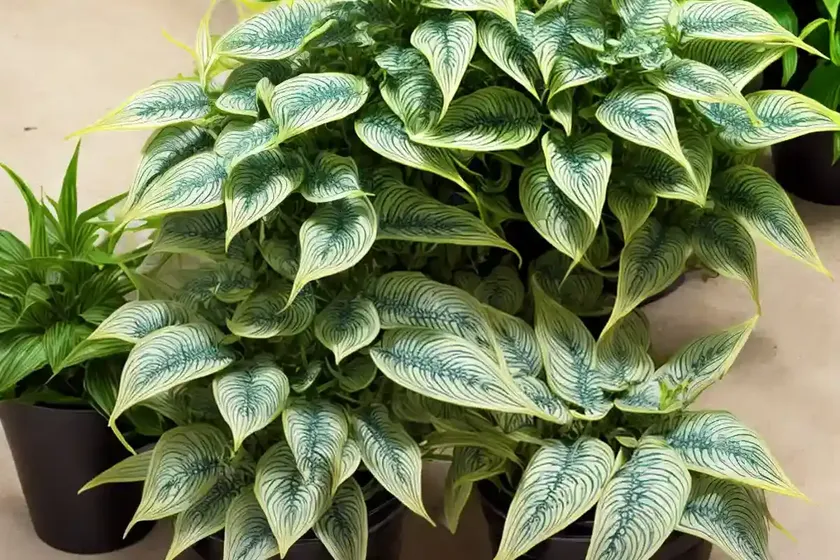
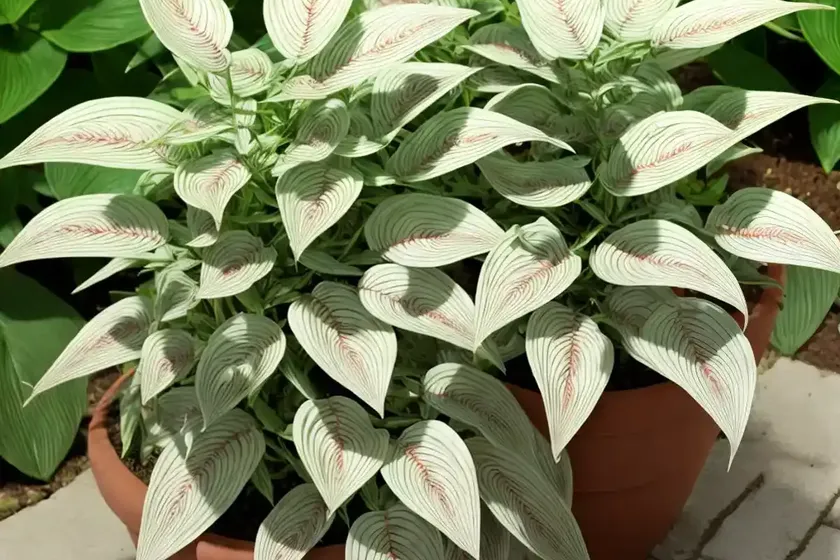
Plants have been an integral part of human life for centuries, adding beauty, tranquility, and a sense of nature to our living spaces. From their aesthetic appeal to their air purifying properties, plants bring numerous benefits to our homes and workplaces. One such captivating plant that has been gaining popularity in the world of indoor gardening is the Fishbone Prayer Plant, scientifically known as Ctenanthe Burle-marxii. In this detailed guide, we will explore the intriguing world of this unique plant species, covering its care requirements, uses, propagation techniques, and much more.
What is a Plant?
Plants are living organisms belonging to the kingdom Plantae and encompass a wide range of species, including trees, shrubs, herbs, grasses, vines, ferns, mosses, and more. They play a crucial role in the ecosystem by producing oxygen, providing food for other organisms, and contributing to the overall balance of nature. Additionally, plants offer an array of benefits to humans, such as food, medicine, shelter, and aesthetic appeal.
Plants utilize the process of photosynthesis to convert light energy into chemical energy, using this energy to synthesize organic compounds. Through this process, plants play a significant role in maintaining the balance of carbon dioxide and oxygen in the atmosphere. In addition to their biological importance, plants hold cultural and aesthetic significance, often being used to enhance the beauty of indoor and outdoor spaces.
Fishbone Prayer Plant (Ctenanthe Burle-marxii)
One of the most visually captivating and intriguing plants in the world of indoor gardening is the Fishbone Prayer Plant, scientifically known as Ctenanthe Burle-marxii. This plant species is prized for its striking foliage, unique growth habits, and relatively manageable care requirements, making it a popular choice for plant enthusiasts, interior decorators, and anyone looking to add a touch of nature to their living spaces.
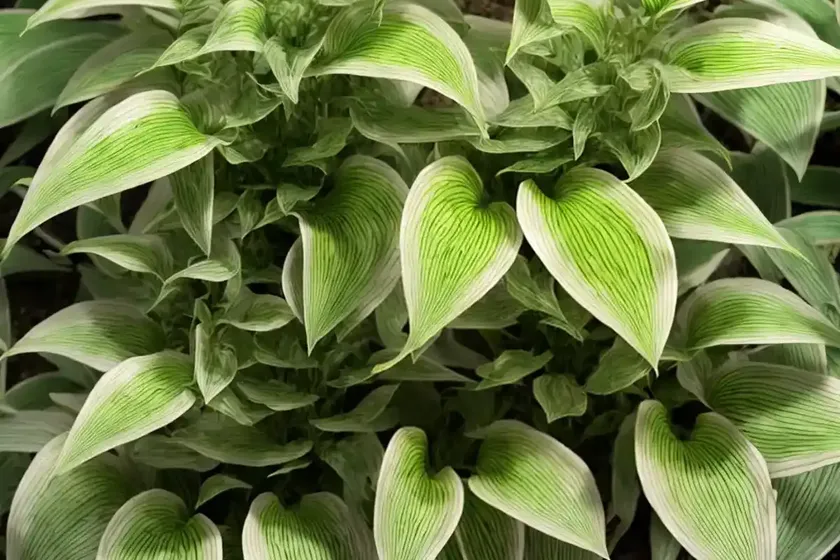
The Fishbone Prayer Plant is a member of the Marantaceae family and is native to the Brazilian rainforest. It derives its common name from the distinct fishbone-like patterns on its leaves, which contribute to its visual appeal and charm. This plant is revered for its ability to thrive in indoor environments, bringing a sense of tropical lushness to homes, offices, and indoor gardens.
Key Takeaways – Fishbone Prayer Plant (Ctenanthe Burle-marxii)
Before delving into the specifics of caring for the Fishbone Prayer Plant, let’s explore some key takeaways about this remarkable species:
- Scientific Name: Ctenanthe Burle-marxii
- Common Name: Fishbone Prayer Plant
- Habitat: Native to the Brazilian rainforest
- Characteristics: Striking fishbone-like patterns on the leaves
- Growth Habit: Clumping, non-invasive
- Sunlight: Thrives in filtered or indirect light
- Watering: Requires consistently moist but not waterlogged soil
- Soil: Well-draining, peat-based mix
- Fertilization: Benefits from regular, diluted fertilizer during the growing season
- Container: Suitable for various types of containers, preferably with drainage holes
- Propagation: Can be propagated through division or stem cuttings
- Popularity: Increasingly sought-after as a trendy houseplant
- Uses: Lends itself well to indoor landscaping, decorative displays, and air purification
Understanding these key characteristics and care requirements is essential for successfully cultivating and enjoying the unique beauty of the Fishbone Prayer Plant in your indoor spaces.
Culture of Fishbone Prayer Plant
Caring for the Fishbone Prayer Plant involves understanding and creating an environment that mimics its native habitat, allowing it to thrive and display its captivating foliage to its full potential. From light and water requirements to soil conditions and humidity levels, providing the right cultural conditions is crucial for the health and vitality of this remarkable plant.
Uses of the Fishbone Prayer Plant
The Fishbone Prayer Plant offers a multitude of uses, beyond its aesthetic appeal. Here are some common uses of this captivating species:
- Indoor Landscaping: Its lush, tropical foliage makes it an excellent addition to indoor landscapes, adding a touch of natural beauty and tranquility to living spaces.
- Decorative Displays: The unique leaf patterns and growth habit of the Fishbone Prayer Plant make it an ideal choice for decorative displays, whether as a standalone accent or as part of a larger plant arrangement.
- Air Purification: Like many houseplants, the Fishbone Prayer Plant contributes to air purification indoors, helping to remove pollutants and improve air quality.
- Mindfulness and Relaxation: The presence of indoor plants, including the Fishbone Prayer Plant, has been associated with promoting feelings of mindfulness, relaxation, and stress relief.
- Biophilic Design: Incorporating the Fishbone Prayer Plant into interior design aligns with the principles of biophilic design, which seeks to connect people with nature in their built environments.
Understanding these diverse uses can inspire creative ways to incorporate the Fishbone Prayer Plant into your indoor spaces, whether for aesthetic appeal, air purification, or promoting a sense of well-being.
Watering the Fishbone Prayer Plant
Proper watering is essential for the health and vitality of the Fishbone Prayer Plant. Maintaining the right moisture levels in the soil is crucial for preventing issues such as root rot or dehydration. Here are some key considerations when it comes to watering this plant:
- Consistent Moisture: The soil should be kept consistently moist, but not waterlogged. Avoid allowing the soil to dry out completely between waterings, as this can cause stress to the plant.
- Room Temperature Water: Use room temperature water when watering the Fishbone Prayer Plant, as cold or hot water can shock the roots.
- Water Quality: Use filtered or distilled water if your tap water contains high levels of chlorine, fluoride, or other chemicals that may be harmful to the plant.
- Humidity: In addition to regular watering, maintaining high humidity levels around the plant, such as through the use of a humidifier or pebble tray, can contribute to its overall health.
By paying attention to the moisture needs of the Fishbone Prayer Plant and providing it with a consistent watering routine, you can help it thrive in its indoor environment.
Sunlight Requirements
Understanding the lighting preferences of the Fishbone Prayer Plant is crucial for ensuring its healthy growth and vibrant foliage. While it appreciates gentle sunlight, direct exposure to intense sunlight can cause leaf burn and other issues. Here’s what you need to know about its sunlight requirements:
- Filtered Light: The Fishbone Prayer Plant thrives in bright, indirect light. This can be achieved by placing it near a window with sheer curtains or in a location where it receives gentle, filtered sunlight.
- Avoid Direct Sun: Direct exposure to harsh sunlight, especially during the peak hours of the day, can cause the leaves to become scorched and damaged.
- Low-Light Tolerance: While it prefers bright, indirect light, the Fishbone Prayer Plant can also tolerate lower light conditions, making it suitable for various indoor settings.
By providing the right balance of light and shade, you can ensure that the Fishbone Prayer Plant maintains its visually striking appearance while thriving in its indoor environment.
Fertilizing the Fishbone Prayer Plant
Proper fertilization plays a key role in supporting the growth and vitality of the Fishbone Prayer Plant, providing essential nutrients that may be depleted from the soil over time. Here are some important considerations when it comes to fertilizing this unique species:
- Balanced Fertilizer: Use a balanced, water-soluble fertilizer with an N-P-K ratio of 20-20-20 or similar, diluted to half or one-quarter of the recommended strength.
- Frequency: During the active growing season, typically from spring to early fall, fertilize the Fishbone Prayer Plant every 4-6 weeks.
- Winter Rest: Reduce or halt fertilization during the plant’s dormancy period in the winter, as its growth slows down during this time.
By following a regular fertilization schedule using a balanced fertilizer, you can help ensure that the Fishbone Prayer Plant receives the nutrients it needs for healthy, vibrant growth.
Soil Preferences
The right soil composition is vital for promoting healthy root development and overall growth in the Fishbone Prayer Plant. Providing a well-draining, nutrient-rich soil mix can help create an optimal environment for this species to thrive. Consider the following soil preferences for this unique plant:
- Well-Draining Mix: Use a well-draining potting mix that retains moisture without becoming waterlogged. A recommended mix for the Fishbone Prayer Plant is one that contains peat, perlite, and a small amount of compost for added nutrients.
- Acidic pH: The soil pH should be slightly acidic, ideally ranging from 5.5 to 6.5, to support nutrient uptake and overall plant health.
- Container Selection: When selecting a container for the Fishbone Prayer Plant, choose one with adequate drainage holes to prevent water from accumulating at the bottom, which can lead to root rot.
By providing the right soil conditions, you can create an environment that supports the growth and well-being of the Fishbone Prayer Plant, allowing it to showcase its stunning foliage to its full potential.
Pruning the Fishbone Prayer Plant
While the Fishbone Prayer Plant is relatively low-maintenance, occasional pruning can help promote a tidy appearance and prevent the plant from becoming leggy or overgrown. Here are some key considerations when it comes to pruning this species:
- Remove Yellowed Leaves: Trim away any yellowed or damaged leaves using clean, sharp scissors or pruning shears, making clean cuts close to the base of the stem.
- Controlled Growth: Pruning back leggy or excessively long stems can help encourage a more compact and bushy growth habit in the Fishbone Prayer Plant.
- Propagation: Stem cuttings taken during pruning can be rooted to propagate new plants, allowing you to expand your collection of Fishbone Prayer Plants or share them with fellow plant enthusiasts.
By incorporating regular pruning into your plant care routine, you can help maintain the Fishbone Prayer Plant’s attractive appearance and prevent the accumulation of old, unhealthy foliage.
Propagation Techniques
Propagating the Fishbone Prayer Plant allows you to create new plants for your collection or share the beauty of this species with others. There are several techniques for propagating this captivating plant, each with its own unique benefits. Here are some common propagation methods for the Fishbone Prayer Plant:
- Division: Divide mature plants by carefully separating the rhizomes and root mass into smaller clumps, each with multiple stems and healthy roots. Replant the divisions in individual containers to allow them to establish and grow.
- Stem Cuttings: Take 4-6 inch stem cuttings from healthy, mature plants, ensuring that each cutting has at least one leaf and a portion of the stem. Root the cuttings in a suitable potting mix, keeping them consistently moist until they develop roots.
- Aerial Layering: Encourage the development of roots on the stems of the Fishbone Prayer Plant while they are still attached to the parent plant, allowing for seamless separation and establishment of new plants once the roots have formed.
By exploring these propagation techniques, you can expand your collection of Fishbone Prayer Plants or share the joy of cultivating this captivating species with others.
Container Selection
Choosing the right container for the Fishbone Prayer Plant is essential for providing adequate space for root development, good drainage, and overall plant health. Consider the following factors when selecting a container for this species:
- Drainage Holes: Opt for containers with drainage holes to allow excess water to drain freely, preventing waterlogging and potential root rot.
- Size and Space: Select a container that provides ample space for the plant to grow, with a diameter that accommodates the root system and allows for future growth.
- Material: Choose containers made from materials such as terracotta, ceramic, or plastic, each with its own benefits in terms of moisture retention and breathability.
By paying attention to the container selection process, you can create an optimal environment for the Fishbone Prayer Plant to thrive and showcase its distinctive foliage.
Popularity of the Fishbone Prayer Plant
The Fishbone Prayer Plant has been gaining popularity as a sought-after houseplant, prized for its unique leaf patterns, relative ease of care, and versatility in indoor environments. Whether as a standalone accent plant or as part of a larger indoor garden display, this species has captured the attention of plant enthusiasts, interior designers, and individuals looking to enhance their living spaces with the beauty of nature.
The rising popularity of the Fishbone Prayer Plant is a testament to its visual appeal, low-maintenance nature, and ability to create a sense of lushness and tranquility in indoor settings. As more people discover and appreciate the charm of this species, it continues to gain attention as a trendy and captivating addition to indoor spaces.
Common Diseases and Pest Management
Like all plants, the Fishbone Prayer Plant is susceptible to certain diseases and pests that can affect its overall health and appearance. Being vigilant and proactive in disease and pest management is crucial for ensuring that the plant remains vibrant and free from infestations. Here are some common issues to watch for and how to address them:
Disease Diagnosis
- Leaf Spot: The development of dark, water-soaked spots on the leaves may indicate a fungal or bacterial infection. Address this issue by improving air circulation and avoiding overhead watering, as well as applying a suitable fungicide if necessary.
- Root Rot: Excessive moisture in the soil can lead to root rot, causing the plant to wilt and exhibit signs of decline. Adjust the watering routine and repot the plant in fresh, well-draining soil to prevent further damage.
Common Pests
- Spider Mites: These tiny pests can cause stippling and webbing on the leaves, leading to a weakened, unhealthy appearance in the plant. Use a gentle spray of water or insecticidal soap to control and manage spider mite infestations.
- Mealybugs: These soft-bodied insects can cluster on the undersides of leaves and along stems, sapping the plant’s vitality. Utilize a cotton swab dipped in rubbing alcohol to remove mealybugs and monitor the plant for any signs of reinfestation.
By staying informed about common diseases and pests that affect the Fishbone Prayer Plant and taking proactive measures to address them, you can help maintain the plant’s health and vibrancy.
Botanist’s Tips for the Fishbone Prayer Plant
To ensure the success of cultivating and enjoying the Fishbone Prayer Plant, here are some expert tips and insights to keep in mind:
- Monitor Light Levels: Regularly monitor the plant’s exposure to light and adjust its placement as needed to provide the ideal balance of brightness and shade.
- Maintain Consistent Humidity: Use strategies such as misting, a humidifier, or a pebble tray to maintain high humidity levels around the plant, supporting its overall well-being.
- Regular Inspection: Routinely inspect the plant for any signs of diseases or pests, catching and addressing issues early to prevent them from spreading.
- Adequate Space: Provide sufficient space for the Fishbone Prayer Plant to grow, allowing it to exhibit its natural clumping growth habit without becoming overcrowded.
- Mindful Watering: Practice mindfulness when watering, ensuring that the soil remains consistently moist without becoming waterlogged, a key factor in promoting plant health.
By incorporating these tips into your care routine, you can create an environment that encourages the healthy growth and vitality of the Fishbone Prayer Plant.
Fun Facts About the Fishbone Prayer Plant
Here are some fun and intriguing facts about the Fishbone Prayer Plant that showcase its unique characteristics and appeal:
- Prayer Movement: Like other members of the Marantaceae family, the leaves of the Fishbone Prayer Plant exhibit nyctinastic movements, folding up at night and unfurling in the morning.
- Tropical Origin: Originating from the Brazilian rainforest, the Fishbone Prayer Plant brings a touch of tropical lushness to any indoor environment.
- Natural Air Purifier: The broad leaves of the Fishbone Prayer Plant contribute to air purification, enhancing indoor air quality and creating a healthier living space.
- Visual Appeal: With its distinct fishbone-like patterns and vibrant green hues, the leaves of this plant make it a captivating focal point in any room.
Discovering these fun and fascinating facts about the Fishbone Prayer Plant adds to the enjoyment and appreciation of this unique species, showcasing its charm and the natural wonders it brings to indoor spaces.
Links to External Resources
For further information and insights on the care, cultivation, and enjoyment of the Fishbone Prayer Plant, consider exploring the following external resources:
- Caring for Fishbone Prayer Plant
- Prayer Plant Varieties
- How to Grow Fishbone Prayer Plant
- Fishbone Prayer Plant Watering Tips
- Fishbone Prayer Plant Light Requirements
- Prayer Plant Propagation Techniques
- Best Fertilizers for Ctenanthe Burle-marxii
- Fishbone Prayer Plant Common Issues
- Fishbone Prayer Plant Pests and Diseases
Exploring these external resources can provide valuable insights, tips, and guidance for cultivating and caring for the captivating Fishbone Prayer Plant in your indoor spaces.
In Conclusion
The Fishbone Prayer Plant, with its visually stunning foliage and unique growth habits, holds a special place in the world of indoor gardening and plant enthusiasts. With the right care, attention, and an understanding of its cultural requirements, this species can thrive and bring a sense of natural wonder to your living spaces. Whether as a decorative accent, a natural air purifier, or a mindfulness-promoting presence, the Fishbone Prayer Plant adds value, beauty, and tranquility to indoor environments, making it a cherished and sought-after addition to any plant collection.
As interest in indoor gardening, plant parenting, and sustainable living continues to grow, the Fishbone Prayer Plant stands out as a versatile, visually captivating, and low-maintenance option, delighting plant enthusiasts and individuals looking to enhance their living spaces with the natural charm of this unique species.
By embracing the art of plant care and understanding the distinctive characteristics of the Fishbone Prayer Plant, you can embark on a rewarding journey of cultivating, appreciating, and enjoying the timeless beauty of this captivating species in your indoor spaces.