Stromanthe Plants (Stromanthe Sanguinea)
As a plant scientist with a passion for exploring the intricacies of botanical life, I am excited to delve into the world of Stromanthe sanguinea, a.
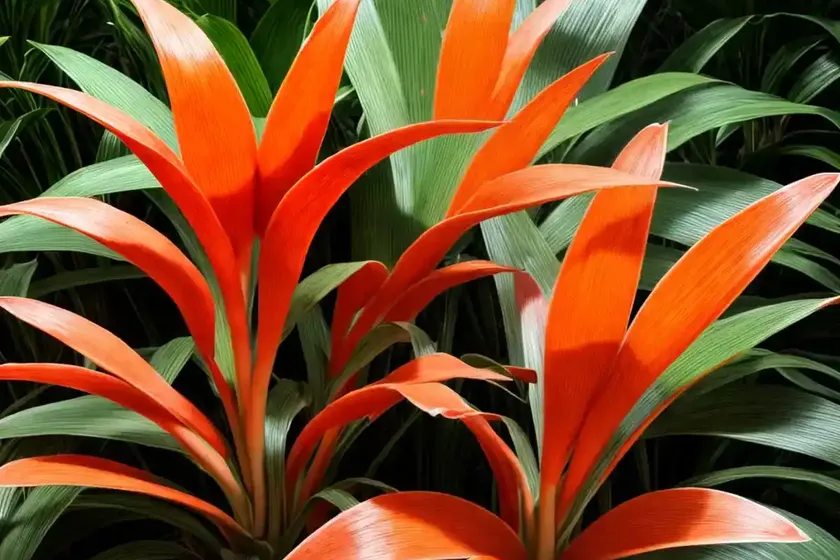
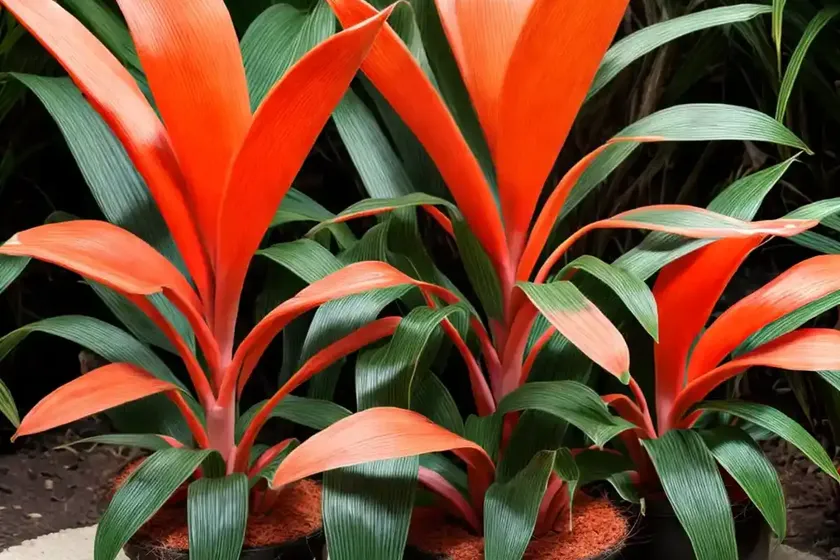
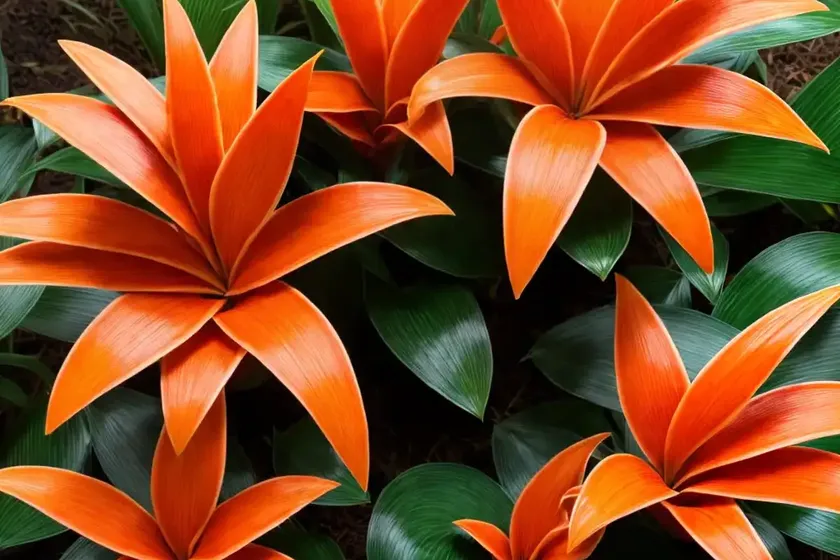
As a plant scientist with a passion for exploring the intricacies of botanical life, I am excited to delve into the world of Stromanthe sanguinea, a captivating species that mesmerizes with its vibrant foliage and unique characteristics. In this comprehensive guide, we will explore the key aspects of Stromanthe plant care, including its cultural requirements, common issues, propagation methods, and much more. So, let’s embark on this fascinating journey into the realm of Stromanthe plants.
What is Stromanthe sanguinea?
Stromanthe sanguinea, commonly known as the Stromanthe plant, is a member of the Marantaceae family, which encompasses a diverse range of tropical plants. Its native habitat includes regions of Brazil. This evergreen perennial is revered for its strikingly colorful leaves, making it a popular choice for indoor and outdoor ornamental purposes.
The Stromanthe plant is characterized by its broad, ovate leaves that exhibit an enchanting blend of colors, including shades of green, cream, and pink, often marked with intricate patterns. Its vibrant foliage and graceful growth habit make it a visually appealing addition to gardens, landscapes, and interior spaces.
Key Takeaways – Stromanthe Plants (Stromanthe sanguinea)
Let’s begin our exploration of the Stromanthe plant by understanding its key cultural requirements and essential care guidelines. By delving into the following aspects, we can ensure that this stunning plant thrives and flourishes in diverse environments:
- Culture
- Uses
- Water
- Sunlight
- Fertilizer
- Soil
- Pruning
- Propagation
- Container
- Popularity
- Common Diseases
- Disease Diagnosis
- Common Pests
- Botanist’s Tips
- Fun Facts
- Links to External Resources
Culture of Stromanthe Plants
Stromanthe sanguinea, with its captivating foliage and graceful demeanor, serves as an excellent ornamental plant for both indoor and outdoor settings. With the right cultural approach, this plant can thrive and enhance the aesthetic appeal of its surroundings. Here are essential cultural aspects to consider when caring for Stromanthe plants:
-
Temperature: Stromanthe plants thrive in warm and humid environments, ideally with temperatures ranging from 65°F to 80°F (18°C to 27°C). They are sensitive to cold and must be protected from drafts and chilly winds.
-
Humidity: These tropical plants prefer high humidity levels, making them well-suited for bathrooms and kitchens where natural moisture levels are relatively high. In drier environments, regular misting or the use of humidifiers can help maintain adequate humidity.
-
Potting Medium: When growing Stromanthe plants in containers, it is crucial to use a well-draining potting mix that retains moisture without becoming waterlogged. A blend of peat moss, perlite, and pine bark can create an ideal growing medium for these plants.
-
Pruning: Regular pruning and removal of old, damaged, or yellowing leaves are essential for maintaining the plant’s aesthetic appeal and overall health. Trimming away any leggy or straggly growth can promote a bushy and compact form.
-
Toxicity: It’s important to note that Stromanthe plants are non-toxic to humans and pets, making them a safe and delightful addition to homes and gardens.
By embracing these cultural guidelines, plant enthusiasts can create an environment that fosters the growth and vitality of Stromanthe sanguinea, allowing it to showcase its captivating beauty to the fullest extent.
Uses of Stromanthe Plants
Stromanthe sanguinea holds a prominent place in horticulture due to its versatile uses and decorative qualities. Whether utilized as an indoor accent plant, an outdoor border plant, or a striking focal point in garden landscapes, the Stromanthe plant offers a multitude of uses that enchant and captivate enthusiasts. Some of its primary uses include:
-
Indoor Décor: With its vibrant foliage and graceful presence, Stromanthe sanguinea is an ideal choice for enhancing the interior spaces of homes, offices, and commercial establishments. It can be displayed in decorative pots and planters to add a touch of natural elegance to indoor environments.
-
Outdoor Landscaping: In garden landscapes, Stromanthe plants can be employed as ground cover, border plants, or ornamental accents, adding color, texture, and visual interest to outdoor settings. Planting them alongside other tropical species can create captivating tropical-themed gardens.
-
Focal Point Plant: With its stunning foliage patterns and striking leaf colors, Stromanthe sanguinea often serves as a captivating focal point plant that draws attention and admiration. Its unique visual qualities make it an excellent choice for creating eye-catching arrangements and compositions within garden landscapes.
-
Container Gardening: Stromanthe plants thrive in containers, making them well-suited for patios, balconies, and indoor settings. They can be showcased as standalone specimens or combined with other tropical plants to create lush and vibrant container gardens.
By leveraging its decorative appeal and versatile nature, Stromanthe sanguinea elevates the aesthetic appeal of various environments and offers a multitude of uses to plant enthusiasts and landscape designers.
Water Requirements for Stromanthe Plants
Proper watering is essential for the health and vitality of Stromanthe sanguinea, ensuring that it maintains adequate moisture levels without becoming waterlogged. By adhering to the following watering guidelines, enthusiasts can optimize the growth and well-being of their Stromanthe plants:
-
Moisture Control: Stromanthe sanguinea thrives in consistently moist but not waterlogged soil. It is important to maintain a balance, avoiding both prolonged dryness and excessive saturation. Regular assessments of soil moisture levels enable effective moisture management.
-
Watering Frequency: During the growing season, it is advisable to water Stromanthe plants when the top inch of the soil becomes dry. This may necessitate watering every 1-2 weeks, depending on environmental conditions and the specific needs of the plant.
-
Watering Technique: When watering Stromanthe plants, it is beneficial to use room-temperature or tepid water, evenly saturating the soil to ensure thorough moisture penetration. Watering from the bottom through a saucer or top watering can be employed, allowing the roots to access the moisture effectively.
-
Humidity Support: In drier climates or indoor settings with low humidity, supplemental measures such as regular misting or the use of humidity trays can provide additional moisture to Stromanthe plants, promoting optimal growth and foliar health.
By adopting a calculated and attentive approach to watering, plant caretakers can establish a conducive moisture regimen that safeguards the well-being of Stromanthe sanguinea and sustains its lush and vibrant foliage.
Sunlight Requirements for Stromanthe Plants
In harnessing its photosynthetic potential and ensuring robust growth, Stromanthe sanguinea relies on access to adequate sunlight, yet it must be shielded from intense, direct sun exposure. By orchestrating a balanced sunlight regimen, enthusiasts can optimize the plant’s health and vibrant foliage. Consider the following sunlight guidelines when caring for Stromanthe plants:
-
Light Conditions: Stromanthe sanguinea thrives in bright, indirect light, making it well-suited for locations with ample natural illumination but minimal direct sunlight exposure. Placing it near east or north-facing windows can provide the ideal balance of light.
-
Sun Protection: Protecting Stromanthe plants from direct sunlight is crucial to prevent leaf scorch and maintain the integrity of their vibrant foliage. Sheer curtains or light-filtering window treatments can be employed to diffuse intense sunlight and safeguard the plant from potential harm.
-
Outdoor Environments: When cultivating Stromanthe plants outdoors, it is advisable to position them in partially shaded areas that receive dappled sunlight. This can be achieved by planting them beneath taller trees, alongside structures, or in areas shielded from direct midday sun.
-
Light Assessment: Regularly monitoring the plant’s response to light exposure can help in determining the most conducive locations for optimal growth. Observing leaf color, texture, and overall vitality can guide adjustments in light placement as necessary.
By harmonizing Stromanthe sanguinea’s light requirements with its environmental conditions, plant enthusiasts can create an optimal setting for the plant to thrive and showcase its resplendent foliage to the fullest extent.
Fertilization of Stromanthe Plants
Fertilization plays a pivotal role in providing Stromanthe sanguinea with essential nutrients and sustaining robust growth and vibrant foliage. By administering a balanced fertilizer regimen and adhering to appropriate guidelines, enthusiasts can fortify the plant’s health and ornamental appeal. Consider the following fertilizer recommendations when caring for Stromanthe plants:
-
Fertilizer Type: Stromanthe sanguinea benefits from a balanced, water-soluble fertilizer with a formulation such as 10-10-10 or 20-20-20. This ensures a comprehensive supply of essential nutrients, including nitrogen, phosphorus, and potassium, to support the plant’s growth and vitality.
-
Application Frequency: During the growing season, which typically spans from spring to early fall, Stromanthe plants can be fertilized every 4-6 weeks to replenish nutrient levels and sustain vigorous growth. Fertilization can be withheld during the winter months when the plant’s growth rate decreases.
-
Dilution and Application: Diluting the fertilizer to half or quarter strength and applying it to moist soil can prevent root burn and ensure effective nutrient uptake. Evenly distributing the fertilizer around the plant’s root zone and avoiding direct contact with the foliage is crucial for prudent application.
-
Foliage Health: Monitoring the plant’s foliage for signs of nutrient deficiencies, such as yellowing leaves or diminished growth, can alert caretakers to the potential need for fertilization adjustments or nutrient supplementation.
By incorporating a judicious fertilization regimen into Stromanthe plant care practices, plant enthusiasts can bolster the plant’s growth and vigor, nurturing its resplendent and captivating foliage.
Soil Conditions for Stromanthe Plants
The selection of an appropriate soil composition is instrumental in providing Stromanthe sanguinea with a conducive growing medium that fosters robust growth and nutrient accessibility. By opting for well-draining, moisture-retentive soil, enthusiasts can establish an optimal soil environment for their Stromanthe plants. Consider the following soil guidelines when cultivating Stromanthe sanguinea:
-
Soil Composition: Stromanthe plants thrive in a peat-based potting mix that offers both moisture retention and effective drainage. A blend of peat moss, perlite, and pine bark creates an ideal growing medium that supports root health and overall plant vitality.
-
Acidity Levels: Stromanthe sanguinea flourishes in slightly acidic to neutral soil with a pH range of 5.5 to 7.0. Ensuring proper soil pH levels can facilitate nutrient uptake and mitigate the risk of nutrient deficiencies or toxicities.
-
Drainage Considerations: Adequate drainage is essential for preventing waterlogging and root rot, which can compromise the plant’s health. Utilizing pots with drainage holes and incorporating well-draining soil promote efficient moisture management.
-
Moisture Retention: While facilitating effective drainage, the soil composition should also possess moisture-retention capabilities to sustain consistent soil moisture levels that are conducive to Stromanthe plant growth.
By meticulously attending to soil considerations and selecting a well-suited potting mix, plant caretakers can establish an optimal foundation for the growth and flourishing of Stromanthe sanguinea in both container and garden settings.
Pruning of Stromanthe Plants
Pruning is an integral aspect of Stromanthe plant maintenance, serving to enhance their appearance, promote healthy growth, and optimize their ornamental qualities. By adhering to prudent pruning practices, enthusiasts can refine the plant’s form and sustain the vigor of its vibrant foliage. Consider the following guidelines for pruning Stromanthe sanguinea:
-
Removal of Dead Foliage: Regularly eliminating dead, damaged, or yellowing leaves maintains the plant’s aesthetics and eliminates potential sources of disease or pest issues. Pruning shears or scissors can be utilized for precise leaf removal.
-
Size Management: Trimming of leggy or straggly growth can promote a more compact and bushy form, contributing to an attractive and well-proportioned plant appearance.
-
Propagation Material: Pruned foliage can often serve as viable propagation material, enabling enthusiasts to propagate new plants from the cuttings and expand their Stromanthe collection.
-
Sterilization: When employing cutting tools for pruning, it is essential to sterilize the equipment to minimize the risk of transmitting diseases between plants. Disinfecting pruning tools with a solution of 70% isopropyl alcohol ensures a hygienic pruning process.
By embracing a conscientious approach to pruning, plant enthusiasts can refine the aesthetic appeal of Stromanthe sanguinea, foster robust growth, and maintain a visually captivating and healthy plant specimen.
Propagation Methods for Stromanthe Plants
For those who are eager to expand their Stromanthe collection or share the beauty of this plant with others, propagation offers a means of obtaining new plants from existing specimens. By exploring effective propagation methods, enthusiasts can embark on the journey of multiplying their Stromanthe sanguinea population. Consider the following propagation techniques for Stromanthe plants:
-
Division: Dividing mature Stromanthe plants through root division allows enthusiasts to obtain new individual plants that can be potted or planted separately. Dividing the plant during the repotting process or when it has outgrown its current container presents an opportunity for propagation.
-
Stem Cuttings: Propagation through stem cuttings involves selecting healthy, non-flowering stems, typically with a few leaves, and rooting them in a suitable growing medium. The use of a rooting hormone can facilitate the rooting process and enhance cutting viability.
-
Offshoots and Rhizomes: Offshoots that emerge from the base of the plant and rhizomes can be carefully separated from the parent plant and transplanted to establish new Stromanthe specimens, expanding the plant’s population through natural propagation mechanisms.
-
Propagation Environment: Providing an environment with adequate warmth, moisture, and indirect light supports the successful rooting and establishment of propagated Stromanthe cuttings or divisions.
By delving into these propagation methods, plant enthusiasts can partake in the rewarding process of creating new Stromanthe plants and sharing the allure of this species with fellow plant enthusiasts and admirers.
Container Gardening with Stromanthe Plants
Stromanthe sanguinea’s adaptability to container culture renders it an ideal candidate for vibrant and visually captivating container gardens, adding a touch of tropical elegance to patios, balconies, and indoor spaces. By aligning container guidelines with Stromanthe plant care principles, enthusiasts can create lush and stunning container displays. Consider the following key considerations for Stromanthe container gardening:
-
Pot Selection: Utilizing pots or containers with adequate drainage holes promotes efficient moisture management and helps prevent waterlogging, fostering a healthy root environment.
-
Potting Mix: Employing a well-draining, moisture-retentive potting mix that consists of peat moss, perlite, and pine bark creates an optimal growing medium for Stromanthe plants in containers.
-
Size and Space: Selecting pots that accommodate the plant’s current size with room for future growth ensures that the plant has the space and resources needed to thrive. Upgrading the pot size as the plant grows helps prevent root-bound conditions.
-
Placement: Positioning Stromanthe containers in locations with bright, indirect light avoids direct sun exposure while providing the requisite illumination for robust growth and foliage vibrancy.
By integrating Stromanthe plants into container gardening endeavors, plant enthusiasts can amplify the allure of their outdoor and indoor spaces, infusing them with the natural grace and resplendent foliage of this captivating tropical species.
Popularity of Stromanthe Plants
The popularity of Stromanthe sanguinea stems from its striking visual appeal, adaptability to diverse environments, and suitability for both indoor and outdoor ornamental use. With its captivating foliage and enchanting growth habits, the Stromanthe plant has garnered attention and admiration from plant enthusiasts, landscape designers, and horticultural specialists. The plant’s popularity is underscored by its various appealing attributes:
-
Ornamental Elegance: Stromanthe sanguinea captivates with its vibrant, variegated foliage and graceful growth, serving as an ornamental centerpiece in gardens, landscapes, and interior settings.
-
Adaptability: Its adaptability to both indoor and outdoor environments allows Stromanthe plants to flourish in diverse settings, from residential and commercial interiors to garden landscapes and outdoor retreats.
-
Low Maintenance: While exhibiting remarkable ornamental qualities, Stromanthe plants also offer relative ease of care, making them accessible to plant enthusiasts with varying levels of gardening expertise.
-
Popular Demand: The captivating allure and aesthetic versatility of Stromanthe sanguinea have contributed to its popularity in the plant industry, with high demand in nurseries, botanical gardens, and horticultural markets.
Stromanthe sanguinea’s popularity is a testament to its visual enchantment, adaptability, and appeal as a cherished and revered addition to diverse horticultural settings.
Common Diseases of Stromanthe Plants
Despite its innate resilience, Stromanthe sanguinea may be susceptible to certain diseases that can impact its health and ornamental appeal. By familiarizing ourselves with common plant diseases and their management, we can better equip ourselves to uphold the well-being of Stromanthe plants. Consider the following common diseases that may affect Stromanthe sanguinea:
-
Leaf Spot Diseases: Various fungal pathogens can lead to the development of leaf spot diseases, characterized by the formation of dark, necrotic spots on the foliage. Adjusting watering practices, improving air circulation, and using fungicidal treatments can mitigate leaf spot issues.
-
Root Rot: Excessive soil moisture or poor drainage can predispose Stromanthe plants to root rot, resulting in root disintegration and impaired nutrient uptake. Proper watering practices and well-draining soil contribute to preventing root rot.
-
Powdery Mildew: Powdery mildew, caused by fungal pathogens, manifests as a powdery white coating on the leaf surfaces. Fostering proper air circulation and employing fungicidal treatments can help manage powdery mildew.
-
Bacterial Leaf Blight: Bacterial leaf blight can lead to the development of dark, water-soaked lesions on the foliage, posing a threat to the plant’s health. Employing proper sanitation practices and avoiding overhead watering can aid in disease prevention.
By remaining vigilant and promptly addressing potential disease issues, plant caretakers can safeguard the Stromanthe sanguinea against common diseases, ensuring its continued vigor and opulent foliage.
Disease Diagnosis and Management
DIagnosing and managing diseases that affect Stromanthe sanguinea are essential aspects of plant care, enabling prompt interventions and effective mitigation of disease impacts. By acquriing essential knowledge on disease symptoms and management strategies, enthusiasts can be empowered to preserve the health of their Stromanthe plants. Consider the fllowing aspects of disease diagnosis and management:
-
Symptom Identification: Familiarizing oneself with common disease symptoms on Stromanthe sanguinea, such as leaf spots, necrotic lesions, or abnormal discoloration, facilitates early diagnosis and targeted intervention.
-
Cultural Adjustments: Adapting cultural practices, such as adjusting watering routines, enhancing air circulation, and implementing proper sanitation procedures, can help manage disease susceptibility and reduce disease incidence.
-
Integrated Pest and Disease Management: Employing a holistic approach to plant health management that encompasses preventive measures, cultural adjustments


