Nerine sarniensis (Guernsey Lily): A Complete Guide
Plants have been an essential part of our ecosystem for centuries, providing beauty, sustenance, and even medicinal value. Among the plethora of plant species, the Nerine sarniensis, commonly known as the Guernsey Lily, stands out as a stunning and unique flowering plant. This comprehensive guide aims to provide an in-depth understanding of Nerine sarniensis, covering its characteristics, growing conditions, care requirements, and much more.
What is Nerine sarniensis (Guernsey Lily)?
Introduction to Nerine sarniensis
Nerine sarniensis, a member of the Amaryllidaceae family, is a bulbous perennial plant that is native to South Africa. It is widely cultivated for its striking, brightly colored flowers, making it a popular choice for gardens, landscapes, and floral arrangements. The plant’s genus, Nerine, comprises about 30 species, with Nerine sarniensis being one of the most admired and cultivated varieties.
Taxonomy of Nerine sarniensis
- Kingdom: Plantae
- Clade: Angiosperms
- Order: Asparagales
- Family: Amaryllidaceae
- Genus: Nerine
- Species: Nerine sarniensis
Key Takeaways – Nerine sarniensis (Guernsey Lily)
Nerine sarniensis is renowned for its captivating flowers and relatively easy cultivation, making it a popular choice among gardening enthusiasts. Here are the key takeaways that will be further explored in this guide:
- Cultural Significance: The Guernsey Lily holds cultural and symbolic significance in various traditions and rituals.
- Unique Characteristics: Its vibrant and long-lasting flowers make it a standout addition to any garden or floral display.
- Growing Conditions: Understanding its specific environmental requirements is essential for successful cultivation.
- Care and Maintenance: Proper care practices contribute to the plant’s health and prolific flowering.
- Propagation Techniques: Learning how to propagate Nerine sarniensis ensures the expansion of its presence in various settings.
Now, let’s delve deeper into the various aspects of Nerine sarniensis, encompassing its culture, uses, cultivation requirements, and much more.
Culture and Uses of Nerine sarniensis
Flowers and Ornamental Use
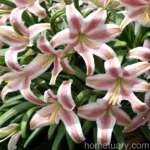
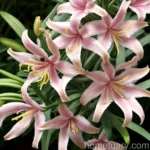
The Guernsey Lily, or Nerine sarniensis, is primarily cultivated for its exquisite and decorative flowers. The trumpet-shaped blooms exhibit a range of vibrant hues, including shades of pink, red, and white, adding a touch of elegance to any garden or floral arrangement. Owing to their alluring appearance and long vase life, Nerine sarniensis flowers are popular in the floriculture industry, gracing bouquets and indoor displays with their enchanting presence.
Symbolism and Meanings
In addition to its aesthetic appeal, Nerine sarniensis holds symbolic significance in various cultures. The flowers are often associated with sentiments of love, beauty, and femininity. Furthermore, in some traditions, they symbolize resilience and endurance, as they can thrive and bloom under challenging growing conditions.
Medicinal and Therapeutic Properties
Beyond its ornamental value, Nerine sarniensis has been explored for its potential medicinal properties. Some studies have investigated the plant’s bioactive compounds and their pharmacological activities, prompting interest in its therapeutic applications. However, it’s crucial to note that further research is warranted to elucidate the full extent of its medicinal potential and ensure safe usage.
Growing Nerine sarniensis: Essential Requirements
Successfully cultivating Nerine sarniensis requires a comprehensive understanding of its specific environmental needs, including water, sunlight, soil, and maintenance practices. Let’s explore each of these factors in detail to ensure the optimal growth and flourishing of this remarkable plant.
Water Requirements
Nerine sarniensis thrives in well-draining soil and prefers moderate moisture levels. During the active growing season, which typically occurs in spring and summer, it’s crucial to maintain consistent soil moisture without allowing the bulbs to sit in waterlogged conditions. Adequate irrigation is essential for supporting healthy foliage and flower development.
Key Points:
- Water the plants when the top inch of the soil becomes dry, ensuring thorough yet controlled watering.
- Reduce watering during the plant’s dormant period in late summer and early autumn to prevent excessive moisture retention, which can lead to bulb rot.
Sunlight Needs
As a flowering bulb, Nerine sarniensis necessitates ample sunlight to facilitate robust growth and prolific flowering. Optimal exposure to sunlight is instrumental in stimulating flower bud formation and enhancing the plant’s overall vigor. When selecting a planting site or positioning potted specimens, ensure that they receive sufficient sunlight to meet their energy requirements.
Key Points:
- Choose a location with full to partial sunlight, providing at least 6 hours of direct sunlight daily.
- In regions with intense summer heat, partial shade during the hottest part of the day can prevent sunscald and excessive soil moisture evaporation.
Soil Preferences
The soil quality and composition play a pivotal role in the successful cultivation of Nerine sarniensis. Well-draining soil with good aeration is essential to prevent waterlogging, which can impede root health and lead to various issues, including bulb rot. Additionally, incorporating organic matter into the soil can improve its structure and nutrient content, fostering an ideal growing environment for the Guernsey Lily.
Key Points:
- Utilize a well-draining, sandy loam soil mixture enriched with organic compost to promote optimal root development.
- Consider adding perlite or coarse sand to the soil to enhance drainage, especially in heavy or clay-based soil types.
Fertilizer Application and Pruning Practices
Feeding and pruning are integral aspects of Nerine sarniensis care, contributing to its overall health, flowering potential, and aesthetic appeal. By adhering to proper fertilizer application schedules and pruning techniques, gardeners can support the plant’s growth and ensure an abundance of vibrant blooms.
Fertilizer Recommendations
When it comes to fertilizing Nerine sarniensis, a balanced approach is essential to avoid excessive nutrient buildup and potential adverse effects on the plant. Incorporating a slow-release, low-potency fertilizer into the soil during the growing season can provide a steady supply of essential nutrients without overwhelming the plant’s root system.
Key Points:
- Apply a balanced fertilizer with a lower nitrogen content to avoid promoting excessive foliage growth at the expense of flower production.
- Administer fertilizer at the beginning of the growing season and reduce or discontinue applications during the plant’s dormant phase.
Pruning Guidelines
Proper pruning not only maintains the aesthetic appeal of Nerine sarniensis but also contributes to its long-term health and vitality. Removing spent flower stems, dead foliage, and any signs of disease or pest damage helps prevent potential issues and redirects the plant’s energy towards new growth and flower bud formation.
Key Points:
- After the blooming period, trim off the faded flower stalks to encourage the plant to focus on bulb development and storage for the following season.
- Remove any yellowing or withered leaves to maintain a tidy appearance and minimize the risk of fungal diseases.
Propagation Methods for Nerine sarniensis
Propagating Nerine sarniensis allows for the expansion of its presence in diverse settings, from home gardens to professional landscapes. By utilizing suitable propagation techniques, including division and seed sowing, individuals can propagate this captivating plant and share its beauty with others.
Division of Bulbs
Dividing mature Nerine sarniensis bulbs is a commonly practiced method of propagation, enabling gardeners to create new plantings and rejuvenate existing ones. The division process involves carefully separating the bulb offsets and replanting them in suitable growing conditions, promoting their establishment and subsequent flowering.
Key Points:
- Divide mature bulbs during the plant’s dormant period, ensuring that each division possesses viable roots and healthy growth points.
- Plant the divisions at the appropriate depth, allowing for sufficient root development and stability in their new location.
Seed Propagation
While seed propagation may require more time and patience compared to bulb division, it offers an alternative approach to expanding Nerine sarniensis populations. Collecting ripe seeds, sowing them in a well-prepared seed-starting medium, and providing optimal germination conditions can lead to the development of new plants with genetic variability.
Key Points:
- Harvest seeds from mature Nerine sarniensis capsules, ensuring that they are fully ripe and viable for germination.
- Sow the seeds in a well-draining, sterile seed-starting mix and maintain consistent moisture levels to support germination and early seedling growth.
Cultivating Nerine sarniensis in Containers
The versatile nature of Nerine sarniensis makes it well-suited for container cultivation, offering an opportunity to showcase its stunning flowers in various outdoor and indoor settings. When growing Nerine sarniensis in containers, specific considerations regarding soil, watering, and container size are crucial for ensuring the plant’s well-being and ornamental value.
Container Selection and Soil Mix
Choosing an appropriately sized container with adequate drainage capacity is essential for container-grown Nerine sarniensis. Selecting a well-draining soil mix that replicates its preferred growing conditions in the ground is instrumental in promoting healthy root development and overall growth.
Key Points:
- Use containers with drainage holes to prevent waterlogging and root rot, selecting a size that accommodates the plant’s bulb and root system comfortably.
- Incorporate a well-draining soil mix comprising sandy loam, perlite, and organic matter to support optimal growth and moisture retention.
Watering and Maintenance
Container-grown Nerine sarniensis may require more frequent watering compared to those grown in garden beds, as they are more susceptible to drying out in the confined space of a container. Monitoring soil moisture levels and implementing a consistent watering regimen are essential for sustaining the plant’s vitality and flowering capacity.
Key Points:
- Check the moisture levels in the container regularly, adjusting the watering frequency based on environmental conditions and the plant’s growth stage.
- Conduct routine maintenance, including removing spent flowers, dead foliage, and inspecting for signs of pests or diseases to uphold the plant’s overall health and appearance.
Popularity of Nerine sarniensis and Common Uses
Ornamental Gardens and Landscapes
Nerine sarniensis has earned widespread popularity in ornamental gardens and landscaping projects, where its vibrant flowers provide a captivating visual element. The plant’s ability to thrive in various climates and soil conditions, paired with its relatively low maintenance requirements, makes it an attractive choice for gardeners seeking to introduce vibrant colors and unique textures to their outdoor spaces.
Key Points:
- Utilize Nerine sarniensis as a focal point in garden beds, borders, and rock gardens, allowing its eye-catching blooms to enhance the overall aesthetic appeal.
- Incorporate the Guernsey Lily in mixed plantings or container arrangements, creating striking color contrasts and floral combinations.
Floral Industry and Cut Flowers
The striking flowers of Nerine sarniensis are highly sought after in the floral industry, gracing bouquets, centerpieces, and various floral arrangements with their enduring beauty. Their unique form, vivid colors, and long vase life contribute to their popularity as cut flowers, inspiring floral designers and enthusiasts to incorporate them into diverse floral creations.
Key Points:
- Harvest Nerine sarniensis flowers for fresh and dried floral arrangements, taking advantage of their lasting quality and visual impact.
- Showcase the flowers in standalone displays or combine them with complementary blooms to create stunning and distinctive floral compositions.
Common Diseases and Pests Affecting Nerine sarniensis
Although Nerine sarniensis is generally resilient to many pests and diseases, it can still be vulnerable to certain issues that may compromise its health and appearance. By familiarizing oneself with common problems and implementing preventive measures, gardeners can safeguard their Nerine sarniensis plants and mitigate potential challenges.
Common Diseases
Bulb Rot (Fusarium and Botrytis)
Bulb rot, caused by fungal pathogens such as Fusarium and Botrytis, can affect Nerine sarniensis bulbs, leading to decay, discoloration, and diminished viability. Preventing excessive moisture accumulation and ensuring proper ventilation are essential to mitigate the risk of bulb rot.
Leaf Spot Diseases
Leaf spot diseases, characterized by the appearance of dark or discolored spots on the foliage, can diminish the plant’s overall vigor and aesthetic appeal. Maintaining good airflow, avoiding overhead watering, and promptly removing affected foliage can help manage and prevent leaf spot diseases.
Common Pests
Aphids and Spider Mites
Aphids and spider mites are among the common pests that may target Nerine sarniensis, feeding on plant sap and potentially causing leaf curling, yellowing, and stunted growth. Regular inspection and the use of insecticidal soaps or horticultural oils can help control aphid and spider mite infestations.
Bulb Nematodes
Bulb nematodes, microscopic roundworms that infest plant bulbs, can pose a threat to Nerine sarniensis, leading to stunted growth, discoloration, and reduced bulb quality. Practicing proper sanitation and avoiding overcrowding of bulbs can aid in the prevention of nematode infestations.
Botanist’s Tips for Successful Nerine sarniensis Cultivation
To optimize the growth and flowering potential of Nerine sarniensis, consider the following tips from experienced botanists and gardening experts:
- Ample Drainage: Ensure that the planting site or container incorporates effective drainage to prevent waterlogging and maintain optimal soil moisture levels.
- Proactive Monitoring: Regularly monitor the plants for signs of stress, disease, or pest activity, allowing for timely intervention and preventive measures.
Fun Facts about Nerine sarniensis
- The specific epithet “sarniensis” is derived from the Latin word “Sarnia,” which is an ancient name for the island of Guernsey, where the plant was first recorded in cultivation.
- Nerine sarniensis bulbs can remain dormant for several weeks or even months, often resuming growth and flowering after receiving suitable cues such as cooler temperatures and increased moisture.
Further Reading and External Resources
For a more comprehensive understanding of Nerine sarniensis and its diverse aspects, as well as opportunities to explore its rich cultural, historical, and horticultural significance, consider exploring the following resources:
- Royal Horticultural Society: Nerine sarniensis cultivation guide
- American Society for the Prevention of Cruelty to Plants: The enchanting world of Nerine sarniensis
- The Guernsey Lily Society: Exploring the captivating beauty of Nerine sarniensis
- Botanical Gardens International: Unveiling the hidden treasures of Nerine sarniensis
In conclusion, Nerine sarniensis, the captivating Guernsey Lily, captivates enthusiasts and horticulturists alike with its enchanting flowers, cultural significance, and relatively straightforward cultivation. By embracing its unique attributes and meeting its specific growing requirements, individuals can experience the timeless allure and enduring charm of this remarkable flowering plant.
Remember, successful cultivation of Nerine sarniensis involves understanding its environmental needs, proactive care practices, and an appreciation for its symbolic and ornamental value. Whether adorning garden beds, terraces, or indoor spaces, the Guernsey Lily continues to inspire and delight with its vibrant blooms and timeless elegance.
By incorporating the insights and practices shared in this guide, aspiring gardeners and seasoned horticulturists can embark on a journey of discovery and appreciation for the exquisite Nerine sarniensis, fostering its legacy and captivating beauty amidst diverse landscapes and horticultural traditions.
Keywords: Nerines: A Guide to Growing and Caring for Nerine sarniensis, Guernsey Lily: An Overview of Nerine sarniensis, Nerine sarniensis: The Exquisite Guernsey Lily Flower, Natural Habitat of Nerine sarniensis: Guernsey Lily Insights, Nerine sarniensis Characteristics and Growing Conditions, Guernsey Lily Care Tips for a Thriving Nerine sarniensis, Everything You Need to Know About Nerine sarniensis (Guernsey Lily), Nerine sarniensis: A Beautiful Addition to Your Garden, Guernsey Lily Varieties and Their Unique Features, Cultivating Nerine sarniensis: Guernsey Lily Planting Guide, Nerine sarniensis: Stunning Blooms for Your Flower Bed, Guernsey Lily: How to Propagate Nerine sarniensis Successfully, Unveiling the Hidden Beauty of Nerine sarniensis (Guernsey Lily), Nerine sarniensis: Unique Characteristics of the Guernsey Lily, Guernsey Lily: All You Need to Know About Nerine sarniensis, The Enchanting Nerine sarniensis (Guernsey Lily): Plant Profile, Growing Nerine sarniensis: Tips and Tricks for the Guernsey Lily, Guernsey Lily: Captivating Color Variations of Nerine sarniensis, Understanding Nerine sarniensis: Guernsey Lily Structure and Anatomy, Enhance Your Garden with Nerine sarniensis (Guernsey Lily), Guernsey Lily: Pruning and Maintenance of Nerine sarniensis, Nerine sarniensis: Guernsey Lily’s Symbolism and Meaning, Guernsey Lily: Growing Nerine sarniensis from Bulbs, A Closer Look at Nerine sarniensis (Guernsey Lily) Blooming Season, Guernsey Lily: The Fragrance and Perfume of Nerine sarniensis, Medicinal and Therapeutic Properties of Nerine sarniensis (Guernsey Lily), Guernsey Lily: Pests and Diseases Affecting Nerine sarniensis, Hardy Nerine sarniensis Varieties for Your Garden (Guernsey Lily), Guernsey Lily: Tips for Growing Nerine sarniensis Indoors, The History and Origin of Nerine sarniensis (Guernsey Lily), Guernsey Lily: Frequently Asked Questions about Nerine sarniensis, How to Divide and Propagate Nerine sarniensis (Guernsey Lily), Guernsey Lily: Enhance Your Landscape with Nerine sarniensis, Nerine sarniensis: Guernsey Lily’s Role in Traditional Medicine, Guernsey Lily: Growing Nerine sarniensis as Cut Flowers, Nerine sarniensis: Guernsey Lily’s Role in Gardening Trends, Creating a Beautiful Flower Arrangement with Nerine sarniensis (Guernsey Lily), Guernsey Lily: Nerine sarniensis for Pollinator-Friendly Gardens, Nerine sarniensis: Guernsey Lily for Indoor and Outdoor Décor, Guernsey Lily: Harvesting and Storing Nerine sarniensis Bulbs, Landscaping Ideas with Nerine sarniensis (Guernsey Lily), Guernsey Lily: Choosing the Right Soil for Nerine sarniensis, Nerine sarniensis: Guernsey Lily as a House