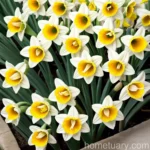
Narcissus ‘Canaliculatus’ (Tazetta Daffodil): A Complete Guide for Plant Enthusiasts
Introduction
Welcome to the complete guide to Narcissus ‘Canaliculatus,’ also known as Tazetta Daffodil. This article aims to provide plant enthusiasts, gardeners, and botany enthusiasts with detailed information about this particular plant species. From its origins to its care requirements, propagation, and common pests and diseases, everything you need to know about Narcissus ‘Canaliculatus’ will be covered.
What is Narcissus ‘Canaliculatus’?
Narcissus ‘Canaliculatus’ is a species of daffodil that belongs to the Tazetta group. With its delicate and charming flowers, it is a popular choice for gardens and landscapes. This perennial plant is native to the Mediterranean region, where it thrives in sunny, well-drained locations.
Key Takeaways – Narcissus ‘Canaliculatus’ (Tazetta Daffodil)
Before delving into the details, let’s have a quick look at the key takeaways for Narcissus ‘Canaliculatus’:
- Plant Name: Narcissus ‘Canaliculatus’ (Tazetta Daffodil)
- Botanical Family: Amaryllidaceae
- Origin: Mediterranean region
- Type: Perennial bulbous plant
- Hardiness Zones: 6 to 9
- Notable Feature: Clusters of small, fragrant, white flowers
- Growing Season: Late winter to early spring
Now that we have a brief overview, let’s delve into the details of caring for Narcissus ‘Canaliculatus’ and how to make it thrive in your garden or landscape.
Culture
Uses
Narcissus ‘Canaliculatus’ has several uses, all of which contribute to its popularity in gardens and landscapes. Some common uses of this plant include:
- Ornamental Purposes: The charming white flowers with a sweet fragrance make Narcissus ‘Canaliculatus’ a popular ornamental plant.
- Landscaping: Its naturalizing ability and low maintenance requirements make it a great choice for naturalizing in grassy areas or under trees.
- Cut Flowers: The cut flowers are often used in flower arrangements and floral designs due to their delicate appearance and pleasant fragrance.
Water
Understanding the water requirements of Narcissus ‘Canaliculatus’ is crucial for its successful growth. Here are some key points to consider when watering this plant:
- Well-Drained Soil: Narcissus ‘Canaliculatus’ prefers well-drained soil to avoid waterlogged conditions that can lead to bulb rot.
- Moisture Needs: While it can tolerate some drought, consistent moisture is crucial during the active growth and blooming period.
Sunlight
Sunlight plays a vital role in the growth and flowering of Narcissus ‘Canaliculatus.’ Here’s what you need to know about its sunlight requirements:
- Full Sun to Partial Shade: This plant thrives in full sun to partial shade, making it versatile for various garden settings.
- Optimal Exposure: Providing it with at least 6 hours of direct sunlight is ideal for robust growth and abundant flowering.
Fertilizer
Appropriate fertilization can enhance the growth and blooming of Narcissus ‘Canaliculatus.’ Consider the following when fertilizing this plant:
- Balanced Fertilizer: Use a balanced fertilizer with a higher potassium content to promote flowering and enhance bulb development.
- Timing: Apply fertilizer in early spring before the active growth phase starts.
Soil
The right soil conditions are essential for the health and vigor of Narcissus ‘Canaliculatus.’ Take note of the following soil preferences for this plant:
- Well-Drained Soil: Ensure that the planting site has well-drained soil to prevent waterlogging, which can lead to bulb rot.
- pH Range: It thrives in neutral to slightly acidic soil with a pH range of 6.0 to 7.0.
Pruning
Pruning practices can help maintain the health and appearance of Narcissus ‘Canaliculatus.’ Here are some key aspects to consider when pruning this plant:
- Deadheading: Remove spent flowers to prevent the plant from expending energy on seed production and promote continuous blooming.
- Post-Blooming Care: Once the flowers fade, allow the foliage to wither naturally to ensure the bulb recharges for the next growing season.
Propagation
Narcissus ‘Canaliculatus’ can be propagated through various methods, allowing gardeners to expand their plantings or share this delightful species with others. Here are the common propagation methods for this plant:
- Division: Divide mature clumps in early summer, ensuring each division has sufficient bulbs for independent growth.
- Seed Propagation: While it is possible, seed propagation is a longer process compared to division or bulb offsets.
Container Popularity
Narcissus ‘Canaliculatus’ is well-suited for container gardening, offering an opportunity to appreciate its beauty up close. Consider these factors when growing Narcissus ‘Canaliculatus’ in containers:
- Well-Drained Soil: Use a well-draining potting mix to prevent waterlogged conditions, which can be detrimental to the bulbs.
- Container Size: Select a container that provides ample space for the bulbs and accommodates their growth over multiple seasons.
Common Diseases
While Narcissus ‘Canaliculatus’ is generally resilient, it is susceptible to specific diseases that can affect its growth and vitality. It is essential for gardeners to be aware of these potential issues:
Disease Diagnosis
Recognizing the symptoms of common daffodil diseases can help in early intervention and treatment. Here are some prevalent diseases that can affect Narcissus ‘Canaliculatus’:
- Narcissus Bulb Fly (Merodon equestris): The larvae of this fly can cause damage to daffodil bulbs, leading to rot and eventual plant decline.
- Basal Rot: Fusarium species can cause basal rot in daffodils, leading to wilting, yellowing, and eventual collapse of the foliage.
- Botrytis Blight: This fungal disease can affect the flowers and foliage, causing browning, wilting, and decay.
Common Pests
In addition to diseases, Narcissus ‘Canaliculatus’ may also face challenges from pests that can impact its health and vigor. Some common pests that affect daffodils include:
- Aphids
- Thrips
- Narcissus Bulb Mites
- Slugs and Snails
Botanist’s Tips
To ensure the success of growing and caring for Narcissus ‘Canaliculatus,’ here are some expert tips from botanists and experienced gardeners:
- Rotate Bulb Plantings: Avoid replanting bulbs in the same location for multiple seasons to reduce the risk of disease buildup in the soil.
- Provide Adequate Drainage: Whether in the ground or in containers, ensuring proper drainage is crucial for the long-term health of the plant.
- Monitor for Pests and Diseases: Regular inspection for signs of pests and diseases can aid in early intervention and prevention of severe infestations.
Fun Facts
To appreciate the unique characteristics of Narcissus ‘Canaliculatus,’ here are some interesting and fun facts about this beautiful plant:
- Sweet Fragrance: The flowers of Narcissus ‘Canaliculatus’ emit a delightful, sweet fragrance, making them a joy to have in the garden.
- Naturalizing Ability: This species has a remarkable ability to naturalize in the right conditions, creating a stunning display of spring flowers.
Conclusion
Narcissus ‘Canaliculatus’ is a captivating daffodil species admired for its elegant flowers, delightful fragrance, and ease of care. By understanding its cultural requirements, propagation methods, potential challenges, and expert tips, enthusiasts can cultivate thriving displays of these charming daffodils in their gardens and landscapes.
This comprehensive guide aims to empower plant enthusiasts with the knowledge and insights needed to appreciate and grow Narcissus ‘Canaliculatus’ successfully.
Whether you are a beginner seeking to venture into daffodil cultivation or an experienced gardener looking to enhance your existing plantings, the allure of Narcissus ‘Canaliculatus’ is undeniable. With its timeless beauty and graceful presence, this Tazetta daffodil is a welcome addition to any garden or landscape.
References
- Royal Horticultural Society. “Narcissus.” https://www.rhs.org.uk/plants/search-results?query=narcissus
- American Daffodil Society. “Narcissus Planting Instructions.” https://daffodilusa.org/growing-daffodils/planting-instructions/#:~:text=The%20soil%20needs%20to%20be,weeks%20of%20bloom%20time%20left
- Cornell University Plant Disease Diagnostic Clinic. “Diseases of Daffodils.” https://plantclinic.cornell.edu/factsheets/diseases/dffnd/spprt/dffndlrg.htm
- University of Florida IFAS Extension. “Daffodil Insect Pests.” https://edis.ifas.ufl.edu/topic_daffodil_insect_pests
- American Daffodil Society. “Plant Care.” https://daffodilusa.org/growing-daffodils/plant-care/
- North Carolina State University Extension Gardener Handbook. “Bulbs for North Carolina.” https://content.ces.ncsu.edu/bulbs-for-north-carolina
- Daffodil Hill. “Tazetta Daffodil Varieties.” https://www.daffodilhill.com/daffodils/group-lemon-aqua/double-tazettas.html
Note: This blog post is a general guide based on research and informational resources. Specific growth conditions and care requirements may vary based on individual gardening environments and regional climates.