Nerine bowdenii ‘Albivetta’ (Guernsey Lily): A Complete Guide
Plants bring life and beauty to our surroundings, and one such mesmerizing plant is the Nerine bowdenii ‘Albivetta,’ also commonly known as the Guernsey Lily. This stunning flower is cherished for its delicate blooms and easy-to-maintain nature. As a plant scientist, I am delighted to share my insights and expertise on this exquisite plant.
In this comprehensive guide, we will delve into the various aspects of Nerine bowdenii ‘Albivetta,’ including its cultural requirements, uses, care tips, and much more. Whether you are a seasoned gardener or a novice plant enthusiast, this guide will equip you with valuable knowledge to cultivate and appreciate the beauty of Nerine bowdenii ‘Albivetta’ to the fullest.
What is Nerine bowdenii ‘Albivetta’?
Nerine bowdenii ‘Albivetta’ is a species of flowering bulbous plant that belongs to the Amaryllidaceae family. It is native to South Africa and is characterized by its stunning clusters of trumpet-shaped flowers that appear in late summer or early autumn. The plant typically reaches a height of 18-24 inches (45-60 cm) and produces long, slender leaves that add an elegant touch to its overall appearance.
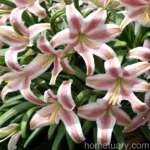
The ‘Albivetta’ cultivar is particularly renowned for its striking white flowers with delicate pink markings, making it a captivating addition to gardens and floral arrangements. This cultivar’s allure lies in its ability to thrive in various growing conditions and its ability to attract pollinators, making it a delightful choice for both amateur and experienced gardeners.
Key Takeaways – Nerine bowdenii ‘Albivetta’
Before we delve into the specific aspects of caring for Nerine bowdenii ‘Albivetta,’ let’s highlight the key takeaways that will guide our exploration of this enchanting plant:
- Flowering Season: Late summer to early autumn
- Flower Color: White with pink markings
- Height: 18-24 inches (45-60 cm)
- Cultural Requirements: Full sunlight, well-draining soil, and minimal water requirements
- Uses: Garden borders, container gardening, cut flower arrangements
- Special Features: Attracts pollinators, easy to maintain
Now that we have a brief overview of Nerine bowdenii ‘Albivetta,’ let’s delve into the specifics of its care, uses, and unique attributes in detail.
Culture
Cultivating Nerine bowdenii ‘Albivetta’ requires an understanding of its specific cultural needs, including its water, sunlight, soil, and fertilizer requirements. By providing the ideal growing conditions, you can ensure that this charming plant thrives and graces your garden with its exquisite blooms.
Water
One of the defining characteristics of Nerine bowdenii ‘Albivetta’ is its minimal water requirements. This plant is well-suited to drier conditions and thrives in well-draining soil that prevents waterlogging. When watering the plant, it is essential to allow the soil to dry out between watering sessions to prevent rot and fungal diseases.
- Watering Frequency: Water sparingly, allowing the soil to dry out between waterings
- Watering Method: Direct water at the base of the plant to avoid wetting the foliage
- Seasonal Variations: Increase watering during the growing season (late spring to summer) and reduce frequency during the plant’s dormant phase (late autumn to winter)
Sunlight
Nerine bowdenii ‘Albivetta’ is a sun-loving plant that thrives in full sunlight. When selecting a planting location, ensure that the plant receives ample sunlight throughout the day to promote robust growth and prolific flowering.
- Sunlight Requirements: Full sunlight (6-8 hours of direct sunlight daily)
- Ideal Growing Locations: Open garden beds, sunny borders, and containers placed in sunny spots
- Sunlight Benefits: Enhances flower production, intensifies flower color, and promotes overall plant vigor
Fertilizer
Applying a balanced fertilizer can support the healthy growth and flowering of Nerine bowdenii ‘Albivetta.’ However, it is essential to be mindful of the timing and dosage of fertilizer to prevent overfeeding, which can lead to excessive foliage growth at the expense of flower production.
- Fertilizer Type: Balanced, water-soluble fertilizer with equal N-P-K (Nitrogen, Phosphorus, Potassium) ratio
- Fertilizing Schedule: Apply fertilizer in early spring as new growth emerges, and once more after the flowering period to support bulb development
- Dosage: Follow the manufacturer’s recommendations for dilution and application frequency
Soil
The soil composition plays a pivotal role in the health and vitality of Nerine bowdenii ‘Albivetta.’ Well-draining soil with good aeration is essential to prevent waterlogging and root rot, ensuring that the bulbous roots of the plant remain healthy and disease-free.
- Ideal Soil Type: Sandy loam or well-draining soil enriched with organic matter
- Soil pH: Neutral to slightly acidic (pH 6.5-7.0)
- Soil Texture: Loose and friable to promote root development and water infiltration
Pruning
Pruning is a beneficial practice that can help maintain the overall health and aesthetic appeal of Nerine bowdenii ‘Albivetta.’ By removing spent blooms and yellowing foliage, you can promote continuous flowering and prevent the plant from expending energy on seed production.
- Pruning Technique: Gently remove faded flowers by snipping the stalk at its base using clean, sharp scissors or pruning shears
- Foliage Maintenance: Trim yellowing or withered leaves to keep the plant looking tidy while allowing for new growth to emerge
- Post-Flowering Pruning: After the flowering season, trim back the flower stalks and any dead or yellowing foliage to encourage the plant to focus its energy on bulb development
Propagation
Propagating Nerine bowdenii ‘Albivetta’ allows you to expand your plant collection and share the beauty of this cultivar with fellow gardening enthusiasts. The most common methods of propagation include division of bulbs and seed sowing, each with its unique requirements and timelines.
Bulb Division
Dividing mature Nerine bowdenii ‘Albivetta’ bulbs is a reliable method of propagation that allows you to create new plantings and rejuvenate established clumps. This process is typically carried out after the flowering season or during the plant’s dormant phase to minimize stress on the parent plant.
- Division Timing: Late summer to early autumn, after the foliage has withered
- Division Steps:
- Carefully dig up the clump of bulbs, ensuring that the roots remain intact
- Gently separate the individual bulbs, ensuring that each division has sufficient roots and a healthy bulb
- Replant the divisions in prepared soil, ensuring proper spacing and adequate sun exposure
Seed Sowing
While seed propagation is a viable option for Nerine bowdenii ‘Albivetta,’ it is important to note that this method requires patience and may result in variations in flower color and characteristics due to the genetic diversity of seedlings.
- Seed Harvesting: Collect mature seeds from the plant after the flowering season
- Sowing Timeline: Sow seeds in early spring, providing adequate warmth and moisture for germination
- Seedling Care: Shield seedlings from direct sunlight initially and ensure consistent moisture levels until they develop into robust young plants
Container Popularity
Nerine bowdenii ‘Albivetta’ is lauded for its versatility in container gardening, adding a touch of elegance to patios, balconies, and outdoor living spaces. The sleek, architectural form of the plant and its striking blooms make it a favored choice for container enthusiasts seeking to create captivating displays and focal points.
- Container Selection: Choose well-draining containers with sufficient depth for bulb growth and stability
- Soil Mix: Utilize a well-draining potting mix with added perlite to enhance aeration
- Placement: Position containers in sunny locations to ensure that the plant receives the requisite sunlight for flowering
- Maintenance: Monitor soil moisture levels, water moderately, and provide occasional fertilization during the growing season
Common Diseases
As with any plant, Nerine bowdenii ‘Albivetta’ is susceptible to certain diseases and environmental stressors that can affect its overall health and vigor. Being aware of common diseases helps in early detection and prompt intervention to mitigate their impact on the plant.
Disease Diagnosis
Recognizing the symptoms of common diseases affecting Nerine bowdenii ‘Albivetta’ is crucial for implementing targeted remedies and preventing the spread of infections. Some of the prevalent diseases include:
- Bulb Rot: Characterized by mushy, discolored bulbs and foul odor, often caused by waterlogging and poor drainage
- Leaf Spot: Manifests as small, dark lesions on the foliage, potentially leading to leaf yellowing and premature defoliation
- Botrytis Blight: Presents as gray mold on flowers and foliage, thriving in moist, humid conditions
Disease Management
To safeguard Nerine bowdenii ‘Albivetta’ from diseases, implement proactive measures such as:
- Cultural Practices: Ensure proper soil drainage, avoid overhead watering, and maintain adequate spacing between plants to promote air circulation
- Sanitation: Remove and dispose of infected plant material promptly to prevent the spread of diseases
- Fungicidal Treatments: Apply appropriate fungicides preventively or as directed upon disease onset, following label instructions diligently
Common Pests
While Nerine bowdenii ‘Albivetta’ is relatively resistant to pests, certain insects may pose a threat to its well-being. Recognizing the signs of pest infestations enables timely intervention and the implementation of effective pest management strategies.
Pest Identification
Common pests that may affect Nerine bowdenii ‘Albivetta’ include:
- Aphids: Small, pear-shaped insects that cluster on foliage and flower buds, feeding on plant sap and causing distortion of new growth
- Thrips: Tiny, slender insects that may cause stippling and silvering of leaves, along with distortion of flowers
- Narcissus Bulb Fly: Larvae of this fly may infest Nerine bowdenii bulbs, leading to damage and eventual decline of the plant
Pest Control
Combatting pest infestations involves employing targeted control measures while minimizing harm to beneficial organisms and the environment. Effective strategies include:
- Hand Removal: Physically remove aphids and thrips from the plant using a gentle stream of water or by handpicking
- Natural Predators: Encourage the presence of natural predators such as ladybugs and lacewings to feed on aphids and thrips
- Organic Sprays: Utilize organic insecticidal sprays based on neem oil or insecticidal soap to manage pest populations effectively
Botanist’s Tips
As a seasoned botanist, I have gathered valuable insights and recommendations for cultivating and appreciating Nerine bowdenii ‘Albivetta’ based on my experience and observations. These botanist’s tips aim to enhance your gardening endeavors and foster a deeper understanding of this exceptional plant.
Tip 1: Embrace Minimalism in Watering
Nerine bowdenii ‘Albivetta’ thrives in drier conditions and benefits from minimal water intake. Embrace the natural rhythm of the plant by allowing the soil to dry out partially between watering sessions, preventing the risk of overwatering and associated root issues.
Tip 2: Prioritize Sunlight Accessibility
Position Nerine bowdenii ‘Albivetta’ in locations that receive ample sunlight throughout the day, enhancing its flower production and intensity. Ensure that the plant is shielded from excessive shade to optimize its growth and blooming potential.
Tip 3: Monitor Bulb Health
Regularly monitor the condition of Nerine bowdenii ‘Albivetta’ bulbs, ensuring that they remain firm and free from signs of rot or damage. Healthy bulbs are vital for the plant’s longevity and capacity to produce vigorous blooms.
Tip 4: Prune with Precision
When carrying out pruning tasks, exercise precision by removing spent flowers and yellowing foliage without causing undue stress to the plant. Pruning promotes a tidy appearance and encourages the plant to allocate its energy towards new growth and bulb development.
Tip 5: Foster Soil Aeration
Prioritize soil aeration by cultivating well-draining soil and supplementing it with organic matter to enhance its structure and water infiltration. Healthy soil composition is crucial for fostering robust root development and overall plant health.
Tip 6: Embrace Container Creativity
Explore the creative potential of container gardening by incorporating Nerine bowdenii ‘Albivetta’ into captivating displays and arrangements. Experiment with various container styles and placements to showcase the plant’s elegance and adaptability.
Tip 7: Vigilance in Disease Management
Stay vigilant and proactive in disease management by monitoring the plant for signs of distress or infection, promptly addressing any issues to prevent their escalation and impact on the plant’s well-being.
Tip 8: Promote Natural Pest Control
Encourage the presence of natural predators and beneficial organisms in your garden to support the natural balance and minimize reliance on chemical interventions for pest control.
Fun Facts
Dive into the intriguing world of Nerine bowdenii ‘Albivetta’ with these captivating fun facts that shed light on its unique qualities and historical significance:
- Botanical Rarity: Despite its widespread cultivation, Nerine bowdenii ‘Albivetta’ is a rare and sought-after plant due to its captivating white flowers with delicate pink markings.
- Cultural Symbolism: In Victorian flower language, Nerine bowdenii ‘Albivetta’ conveys messages of purity, elegance, and everlasting beauty, making it a cherished choice for sentimental floral arrangements.
- Medicinal Folklore: Historically, certain species of Nerine were attributed with medicinal properties, with the bulbs being used in traditional medicine to alleviate various ailments.
- Architectural Allure: The sleek, upright growth habit of Nerine bowdenii ‘Albivetta’ lends a touch of architectural elegance to garden borders and container arrangements, making it a favored choice for landscape designers.
- Native Habitat: In its native habitat in South Africa, Nerine bowdenii ‘Albivetta’ thrives in rocky, well-drained soils and is often found in proximity to mountainous regions and coastal areas.
The allure of Nerine bowdenii ‘Albivetta’ extends beyond its visual appeal, encompassing its cultural significance, adaptability, and enduring charm in the world of plants.
Links to External Resources
For further exploration and in-depth knowledge about Nerine bowdenii ‘Albivetta’ and related topics, consider referencing the following reputable external resources:
- Royal Horticultural Society (RHS): Explore comprehensive information on Nerine bowdenii ‘Albivetta’ care, cultivation, and varieties through the RHS’s authoritative guidance.
- American Society for the Prevention of Cruelty to Plants (ASPCP): Access valuable insights into disease management and pest control strategies for Nerine bowdenii ‘Albivetta’ through the ASPCP’s educational materials.
- Botanical Gardens and Conservation International (BGCI): Delve into the historical significance and native habitat of Nerine bowdenii ‘Albivetta’ through BGCI’s botanical databases and conservation initiatives.
These resources serve as invaluable references for plant enthusiasts, researchers, and gardening aficionados seeking to expand their knowledge and appreciation for Nerine bowdenii ‘Albivetta’ and its botanical counterparts.
In conclusion, Nerine bowdenii ‘Albivetta’ encapsulates timeless elegance, captivating beauty, and versatility, making it a treasured addition to diverse garden settings and plant collections. By embracing its cultural requirements, engaging in meticulous care practices, and cherishing its intrinsic allure, enthusiasts can foster a deeper connection with this remarkable plant, perpetuating its legacy of grace and enchantment for generations to come.
To summarize, we have covered the comprehensive guide for Nerine bowdenii ‘Albivetta’ (Guernsey Lily), spanning its cultural requirements, propagation, disease management, and fun facts. Additionally, the external resource links offer valuable references for further exploration of this captivating plant. If you have any questions or need further information, feel free to reach out!