Nerine bowdenii (Guernsey Lily): A Comprehensive Plant Care Guide
Nerine bowdenii, commonly known as the Guernsey Lily, is a striking bulbous perennial that is cherished for its exquisite beauty and vibrant blooms. This flowering plant belongs to the Amaryllidaceae family and is native to South Africa, where it graces the landscape with its graceful presence. The plant is adored by gardeners and horticulturists alike for its alluring flowers, making it a popular choice for gardens, landscapes, and even indoor settings.
In this comprehensive plant care guide, we will delve into the various aspects of nurturing and growing Nerine bowdenii, including its cultural requirements, uses, how to propagate and prune it, common diseases and pests, and fascinating facts about this charming plant. Whether you are a seasoned gardener or a novice enthusiast, this guide will equip you with the knowledge and insights to cultivate and appreciate the beauty of Nerine bowdenii.
Key Takeaways – Nerine bowdenii (Guernsey Lily)
First, let’s take a brief look at the key takeaways about Nerine bowdenii:
- Common Name: Guernsey Lily
- Family: Amaryllidaceae
- Native Habitat: South Africa
- Cultural Requirements: Well-draining soil, ample sunlight, moderate watering, and protection from frost.
- Uses: Garden beds, borders, containers, and cut flowers.
- Pruning: Deadheading spent flowers and removing dead or damaged foliage.
- Propagation: Division of bulbs and seeds.
- Common Diseases: Rot diseases.
- Common Pests: Aphids and spider mites.
Now, let’s explore each aspect of Nerine bowdenii’s care in detail.
What is Nerine bowdenii?
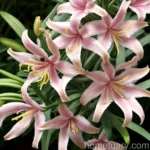
Nerine bowdenii, also known as the Guernsey Lily, is an enchanting flowering plant that boasts clusters of lily-like, tubular flowers in vibrant shades of pink, coral, and red. The plant’s slender, erect stems emerge from strappy green foliage, creating a captivating display when in bloom. Nerine bowdenii typically blooms in late summer to early autumn, adding a splash of color to the garden when many other perennial plants are waning.
Beyond its ornamental value, Nerine bowdenii holds historical and cultural significance, and it has been celebrated in folklore and traditional ceremonies. With its graceful form and stunning blooms, this plant has captured the hearts of many plant enthusiasts and has become a staple in gardens around the world.
Now, let’s dig into the details of caring for Nerine bowdenii to ensure that it thrives and continues to enchant with its captivating blooms.
Culture
Water
Nerine bowdenii thrives best in well-draining, slightly sandy soil, and it requires moderate watering during its growing season. The bulbs should be kept moderately moist during active growth but should be allowed to dry out somewhat between waterings to prevent waterlogged conditions, which can lead to rot. In the winter, reduce watering to minimal levels, as the plant is dormant during this period. It is essential to strike the right balance, as both underwatering and overwatering can be detrimental to the plant’s health.
Sunlight
To ensure optimal growth and prolific flowering, Nerine bowdenii should be planted in a location that receives full sunlight or partial shade. Adequate sunlight is crucial for the plant’s photosynthetic processes and for the development of sturdy, vibrant flowers. When grown in areas with insufficient sunlight, the plant may become leggy, and its blooming may be compromised.
Fertilizer
During the growing season in spring and summer, Nerine bowdenii benefits from the application of a balanced, water-soluble fertilizer that is formulated for flowering bulbs. This will provide the plant with the essential nutrients it needs to fuel its growth and flower production. Fertilization should be done sparingly to avoid excessive vegetative growth at the expense of blooming.
Soil
The ideal soil for Nerine bowdenii is well-draining and slightly acidic to neutral. Sandy or loamy soils are preferable, as they allow for efficient drainage and aeration, which are critical for preventing bulb rot and fungal diseases. Amending the soil with organic matter, such as compost or peat moss, can further improve its texture and fertility, creating an optimal growing environment for the plant.
Pruning
Pruning Nerine bowdenii is a simple but essential task that helps to maintain the plant’s health and appearance. Deadheading spent flowers – removing the faded blooms – not only keeps the plant looking tidy but also encourages further flowering by redirecting resources from seed production to bulb development. Additionally, any yellowing or withered foliage should be trimmed away to promote the plant’s overall vigor and aesthetics. When pruning, it is crucial to use clean, sharp tools to minimize damage and the risk of introducing diseases.
Propagation
Nerine bowdenii can be propagated through division of its bulbs or by sowing seeds. Bulb division is the most common and reliable method of propagation. It is best carried out in late summer or early autumn when the bulbs are dormant. The bulbs can be carefully separated, ensuring that each division has several healthy scales and a portion of the basal plate. Alternatively, seeds collected from the plant’s spent blooms can be sown in well-draining soil in the spring, where they will germinate and develop into new plants over time.
Container Popularity
Nerine bowdenii’s striking appearance, combined with its relatively compact size, makes it an excellent candidate for container gardening. Whether grown in pots, urns, or other suitable containers, this plant can add a touch of elegance and color to patios, balconies, and other outdoor spaces. Furthermore, its adaptability to container cultivation makes it a versatile choice for gardens with limited space and for individuals who wish to enjoy its beauty indoors.
Container Common Diseases
When grown in containers, Nerine bowdenii may be susceptible to certain diseases, particularly those related to overwatering and poor drainage. These include root rot and bulb rot caused by fungal pathogens such as Botrytis and Rhizoctonia. To mitigate the risk of these diseases, it is essential to use well-draining potting mix and to ensure that excess water can escape through drainage holes in the container. Regularly inspecting the bulbs and foliage for signs of disease and promptly addressing any issues can help maintain the plant’s health.
Disease Diagnosis
Diagnosing diseases in Nerine bowdenii involves observing the plant for symptoms such as yellowing, wilting, or rotting of the foliage or bulbs, as well as the presence of mold or fungal growth. If the plant shows signs of distress or disease, it is essential to isolate it from other plants to prevent the spread of infection. Additionally, affected plant parts should be promptly removed and disposed of to prevent further contamination. Fungicidal treatments may be necessary in severe cases, and it is advisable to consult a plant pathologist or horticulturist for expert guidance.
Common Pests
Nerine bowdenii is generally resistant to most pests; however, it may occasionally fall prey to aphids, spider mites, and mealybugs. These pests can cause damage to the foliage and flowers, leading to aesthetic and physiological stress on the plant. Regular monitoring of the plant for signs of pest infestation, such as stippling, webbing, or distorted growth, is essential for early detection. Control measures may include the use of insecticidal soaps, horticultural oils, or natural predators, depending on the severity of the infestation. Integrated pest management practices, including promoting natural enemies of pests and maintaining plant health, are also effective in preventing pest problems.
Botanist’s Tips
-
Mulching: Applying a layer of organic mulch, such as shredded bark or compost, around the base of Nerine bowdenii helps conserve soil moisture, suppress weeds, and provide insulation during temperature fluctuations. However, care should be taken not to apply mulch directly against the bulbs, as this can create favorable conditions for rot and fungal diseases.
-
Winter Protection: In regions with cold winters, providing winter protection for Nerine bowdenii is crucial. This can be achieved by applying a thick layer of mulch around the base of the plant to insulate the bulbs from freezing temperatures. In colder climates, the bulbs can also be dug up in the fall, stored in a cool, dry location, and replanted in the spring once the risk of frost has passed.
-
Companion Planting: Pairing Nerine bowdenii with other compatible plants can enhance its visual appeal and create harmonious garden compositions. Consider combining it with low-growing perennials, ornamental grasses, or spring-blooming bulbs to create captivating and cohesive plantings.
-
Herbal Medicine: In addition to its ornamental value, Nerine bowdenii has historical uses in herbal medicine. It is believed to possess medicinal properties and has been used in traditional remedies for various ailments. However, caution should be exercised when handling and using plant materials for medicinal purposes, and it is advisable to consult with herbalists or healthcare professionals for guidance.
Fun Facts
-
The genus name “Nerine” is derived from the Greek sea nymph Nerine, associated with mythology and marine landscapes, possibly alluding to the plant’s coastal habitat in its native range.
-
Nerine bowdenii is commonly referred to as the Guernsey Lily, a name that likely stems from its historical association with the island of Guernsey, where it was extensively cultivated and admired.
-
The plant’s vivid blooms make it a favorite choice for flower arrangements and bouquets, adding a touch of elegance and color to floral displays.
-
While often associated with South Africa, Nerine bowdenii has found popularity and cultivation in various regions with suitable growing conditions, showcasing its adaptability and allure across different landscapes and climates.
Links to External Resources
For further information on Nerine bowdenii, plant care, and related topics, the following external resources are valuable references:
- Royal Horticultural Society – Nerine bowdenii
- Missouri Botanical Garden – Nerine bowdenii
- American Society for the Prevention of Cruelty to Plants – Nerine bowdenii Care Guide
- Gardeners’ World – Growing Nerine bowdenii
- Florissa – Guernsey Lily Planting Guide
In conclusion, Nerine bowdenii, the illustrious Guernsey Lily, captivates with its resplendent blooms and graceful presence. By understanding and fulfilling its cultural requirements, embracing its uses, and staying vigilant against potential issues, gardeners can cultivate this captivating plant with confidence. Whether adorning garden beds, containers, or indoor spaces, Nerine bowdenii enchants with its vibrant colors and timeless elegance, earning its place as a cherished addition to horticultural endeavors.
Should you wish to learn more about the multifaceted world of Nerine bowdenii, the resources mentioned above and additional research will provide a deeper insight into its care, natural history, and cultural significance, enriching your journey in growing and appreciating this beautiful plant.
Remember, with attentive care and a fondness for botanical beauty, the Guernsey Lily will continue to thrive and inspire, weaving its allure into the tapestry of gardens and landscapes worldwide.