Nepeta Racemosa ‘Blue Wonder’ (Catmint)
Nepeta racemosa ‘Blue Wonder’, commonly known as Catmint ‘Blue Wonder’, is a versatile plant that offers a myriad of benefits for both gardeners and the.
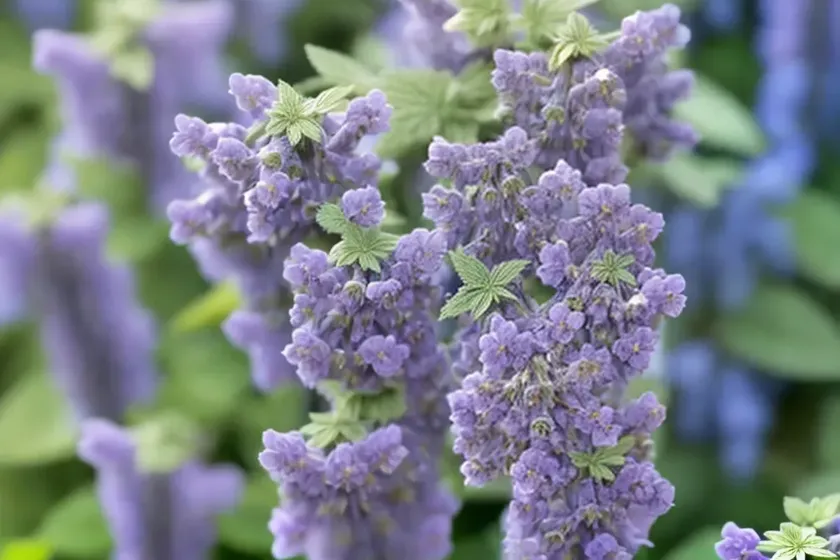
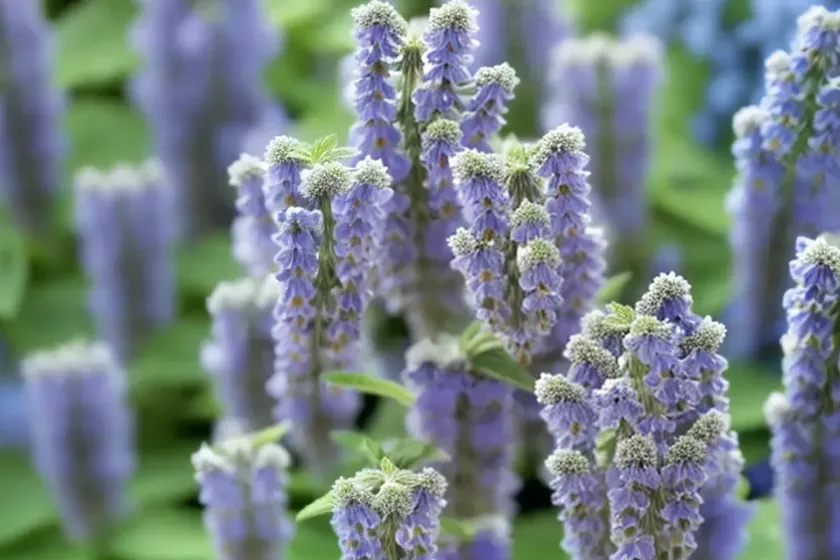
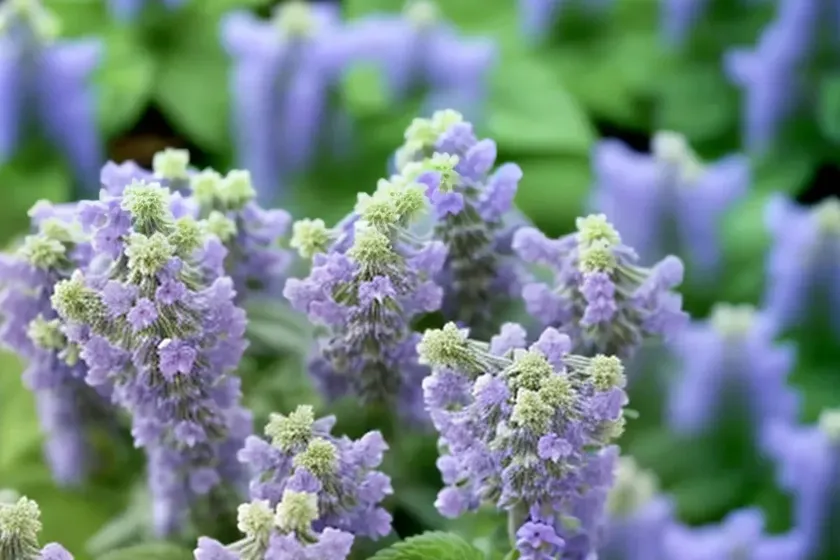
Nepeta racemosa ‘Blue Wonder’, commonly known as Catmint ‘Blue Wonder’, is a versatile plant that offers a myriad of benefits for both gardeners and the environment. As a plant scientist, I have spent years studying and cultivating this beautiful herbaceous perennial, and in this comprehensive guide, I will share everything you need to know about the care, propagation, uses, and much more about Nepeta racemosa ‘Blue Wonder’. Whether you are an experienced gardener or just starting out, this guide will provide you with all the information you need to successfully grow and enjoy this wonderful plant.
What is Nepeta racemosa ‘Blue Wonder’ (Catmint)?
Nepeta racemosa ‘Blue Wonder’ is a member of the Lamiaceae family and is a low-growing, clump-forming perennial that is primarily grown for its aromatic foliage and beautiful blue-violet flowers. This plant is native to the Caucasus and Iran and is widely cultivated for its ornamental and medicinal properties.
Key Takeaways – Nepeta racemosa ‘Blue Wonder’
To begin our exploration of Nepeta racemosa ‘Blue Wonder’, let’s delve into the key aspects that will be covered in this guide:
- Culture – Understanding the environmental needs and preferences of Nepeta racemosa ‘Blue Wonder’.
- Uses – Exploring the diverse uses of Catmint ‘Blue Wonder’ in gardening, landscaping, and beyond.
- Water – Discussing the watering requirements for optimal growth and health.
- Sunlight – Determining the sunlight needs and best exposure for Nepeta racemosa ‘Blue Wonder’.
- Fertilizer – Advising on the appropriate fertilization practices to support vigorous growth.
- Soil – Analyzing the soil requirements essential for cultivating thriving Catmint ‘Blue Wonder’.
- Pruning – Techniques and timing for maintaining the plant’s shape and vitality.
- Propagation – Methods for propagating new plants from existing Nepeta racemosa ‘Blue Wonder’.
- Container Popularity – Evaluating the suitability of containers for growing this plant.
- Common Diseases – Identifying potential diseases that may affect Nepeta racemosa ‘Blue Wonder’.
- Disease Diagnosis – Understanding the symptoms and treatments for diseases.
- Common Pests – Recognizing and addressing common pests that may infest Catmint ‘Blue Wonder’.
- Botanist’s Tips – Insights and recommendations from a professional perspective.
- Fun Facts – Interesting and lesser-known facts about Nepeta racemosa ‘Blue Wonder’.
- External Resources – Links to valuable external sources for further exploration.
Now, let’s embark on an in-depth exploration of Nepeta racemosa ‘Blue Wonder’ to uncover the captivating world of this remarkable plant.
Culture
Understanding the cultural requirements of Nepeta racemosa ‘Blue Wonder’ is essential for successfully growing and nurturing these plants. By providing the right conditions, you can ensure the health, vigor, and longevity of your Catmint ‘Blue Wonder’.
Water
Catmint ‘Blue Wonder’ thrives best in well-draining soil and requires moderate water levels. While the plant is relatively drought-tolerant once established, it’s essential to water it regularly, especially during dry periods. However, overwatering should be avoided, as it can lead to root rot and other moisture-related issues.
Sunlight
Nepeta racemosa ‘Blue Wonder’ flourishes in full sunlight, although it can tolerate partial shade. However, for optimal growth and prolific flowering, it is advisable to provide at least 6-8 hours of direct sunlight per day.
Fertilizer
When it comes to fertilizing Catmint ‘Blue Wonder’, a balanced, slow-release fertilizer is often recommended. Applying a general-purpose fertilizer in the spring, as new growth emerges, can help promote healthy foliage and abundant flowering. It’s important to follow the recommended application rates, as excessive fertilization can lead to excessive foliage growth at the expense of flowers.
Soil
The soil requirements for Nepeta racemosa ‘Blue Wonder’ are relatively flexible, as long as the soil is well-draining. It can adapt to a range of soil types, including sandy, loamy, or clay soils, as long as they are not excessively compacted. Maintaining a slightly alkaline to neutral soil pH is generally beneficial for this plant.
Pruning
Pruning Nepeta racemosa ‘Blue Wonder’ is a simple but important task that can help maintain the plant’s shape, control its size, and encourage repeat flowering. This plant responds well to pruning and benefits from regular deadheading to prolong its blooming period. In late spring or early summer, after the initial flush of flowering, it can be beneficial to trim back the spent flower spikes to stimulate a second round of blooms and prevent the plant from becoming leggy.
Propagation
There are several methods for propagating Nepeta racemosa ‘Blue Wonder’, including division, stem cuttings, and seed propagation.
Division
Dividing mature clumps of Catmint ‘Blue Wonder’ every 2-3 years not only helps rejuvenate older plants but also provides an opportunity to create new plants. Dividing in the early spring or fall allows the new divisions to establish before the onset of extreme temperatures.
Stem Cuttings
Taking softwood or hardwood cuttings from healthy, disease-free plants can yield new Nepeta racemosa ‘Blue Wonder’ plants. Softwood cuttings are typically harvested in late spring or early summer, while hardwood cuttings are collected in late autumn or winter.
Seed Propagation
Growing Nepeta racemosa ‘Blue Wonder’ from seed is another viable option, especially for those interested in cultivating new plants from scratch. Sowing seeds indoors in late winter or early spring can result in young plants ready for outdoor planting in the following growing season.
Container Popularity
Catmint ‘Blue Wonder’ is well-suited for container gardening, making it a versatile choice for those with limited space or looking to add a splash of color to decks, patios, or balconies. When selecting a container, it’s important to choose one with adequate drainage holes and a quality potting mix to ensure optimal growth and moisture management.
Common Diseases
While Nepeta racemosa ‘Blue Wonder’ is generally resistant to most diseases, it can occasionally be affected by issues such as powdery mildew, crown rot, and leaf spot. Practicing good sanitation, avoiding overhead watering, and providing adequate air circulation can help prevent these diseases.
Disease Diagnosis
Should you notice any suspicious symptoms on your Catmint ‘Blue Wonder’, such as discolored or wilting leaves, unusual spots, or stunted growth, it is crucial to diagnose and address the issue promptly. Identifying the specific disease or condition affecting the plant will guide the appropriate course of action, whether it involves cultural adjustments, targeted treatments, or, in severe cases, removal of affected plants.
Common Pests
Nepeta racemosa ‘Blue Wonder’ is relatively resistant to most pests, but it can occasionally fall victim to pests such as aphids, spider mites, and flea beetles. Regular monitoring, early detection, and appropriate pest management measures, such as insecticidal soaps or natural predators, can help mitigate pest pressures.
Botanist’s Tips
Tip 1: Companion Planting
Nepeta racemosa ‘Blue Wonder’ forms a harmonious partnership with a wide range of plants. When it comes to companion planting, consider integrating it with other sun-loving perennials, such as lavender, salvia, or ornamental grasses, to create visually appealing and ecologically beneficial plantings.
Tip 2: Pollinator-Friendly Plant
Catmint ‘Blue Wonder’ possesses strong appeal to pollinators, particularly bees and butterflies. Introducing this plant to your garden can contribute to the promotion of biodiversity and the vital role of pollinators in sustaining ecosystems.
Tip 3: Medicinal and Herbal Uses
Beyond its ornamental value, Nepeta racemosa ‘Blue Wonder’ has a history of traditional medicinal use. The aromatic leaves contain essential oils with potential insect-repellent properties and have been employed in herbal preparations for various ailments.
Fun Facts
-
Catmint ‘Blue Wonder’ is known for its intoxicating effect on cats, which can be observed when felines interact with the plant. However, this effect is not limited to domestic cats and can also attract other wildlife, such as rabbits.
-
The fragrance and flowers of Nepeta racemosa ‘Blue Wonder’ are highly attractive to humans as well, making it a popular choice for fragrant gardens and cut flower arrangements.
-
In the garden, the silvery green foliage of this plant provides a beautiful contrast to the vibrant blue-violet flowers, creating an eye-catching display throughout the blooming season.
-
The use of Catmint ‘Blue Wonder’ as a culinary herb is gaining popularity, with its aromatic leaves adding a delightful note to teas, salads, and various dishes.
Now that we have thoroughly explored the many facets of Nepeta racemosa ‘Blue Wonder’, it’s time to extend our delve by accessing external resources that can provide additional insights and information on this fascinating plant.
Links to External Resources
For further information on Nepeta racemosa ‘Blue Wonder’, consider exploring the following valuable resources:
-
Royal Horticultural Society – Nepeta racemosa ‘Blue Wonder’ Profile
-
Missouri Botanical Garden – Nepeta racemosa ‘Blue Wonder’ Overview
-
University of Maryland Extension – Catmint: A Tough Perennial for Tough Spots
-
North Carolina State University – Growing Catmint in the Garden
-
University of Florida IFAS Extension – Nepeta x faassenii: Catmint
By delving into these resources, you can gain a deeper understanding of Nepeta racemosa ‘Blue Wonder’ and discover a wealth of expert advice, guidelines, and inspiring ideas for incorporating this plant into your garden and landscape.
In conclusion, Nepeta racemosa ‘Blue Wonder’ exemplifies the captivating combination of beauty, practicality, and ecological value, making it a stellar addition to any garden. With its alluring blooms, aromatic foliage, and versatile uses, this plant has much to offer to both garden enthusiasts and the natural world. By following the recommendations and insights presented in this guide, you can cultivate, enjoy, and appreciate the exceptional qualities of Catmint ‘Blue Wonder’ to the fullest.
So, whether you are considering adding a new dimension to your garden, attracting and supporting pollinators, or simply seeking an attractive and low-maintenance plant, it’s time to welcome Nepeta racemosa ‘Blue Wonder’ into your horticultural repertoire and witness the myriad wonders it has to offer.
Keywords: Nepeta racemosa ‘Blue Wonder’ care, Catmint ‘Blue Wonder’ planting guide, Nepeta racemosa ‘Blue Wonder’ pruning techniques, Common pests and diseases of Nepeta racemosa ‘Blue Wonder’, Growing Catmint ‘Blue Wonder’ in containers
Congratulations on making it to the end! I hope you gained valuable insights into the world of Nepeta racemosa ‘Blue Wonder’ and feel inspired to explore and cultivate this remarkable plant. If you have any further questions or would like to delve deeper into any aspect of Catmint ‘Blue Wonder’, feel free to reach out and continue the conversation.
Happy gardening!


