Nepeta Racemosa ‘Walker’s Low’ (Catmint)
Nepeta racemosa ‘Walker’s Low,’ commonly known as Catmint, is a delightful perennial plant that is cherished by gardeners and landscapers alike. Its.
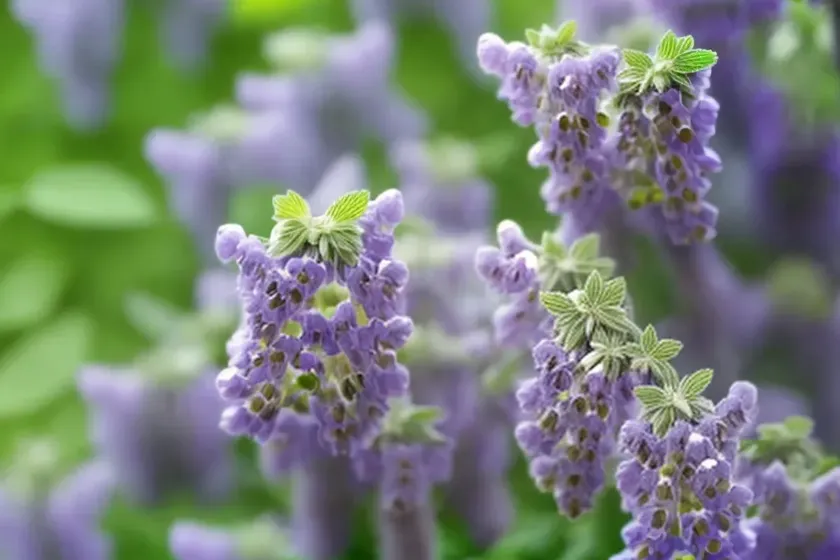
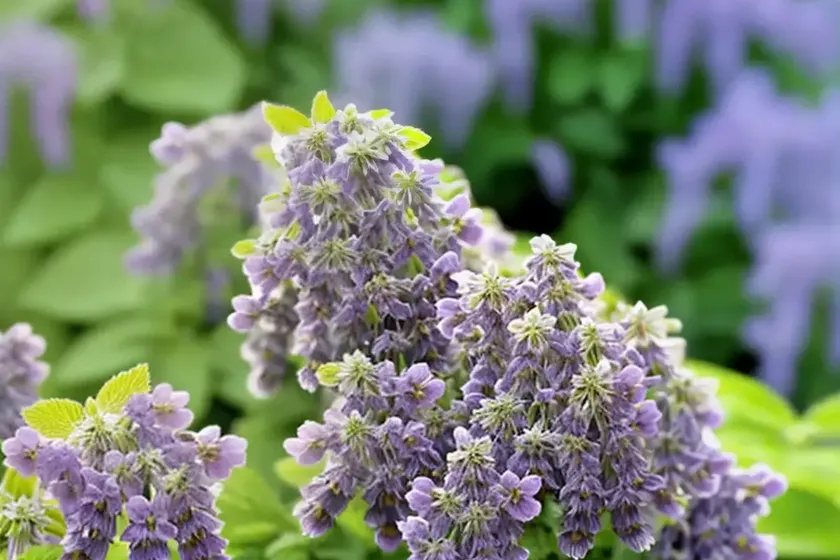
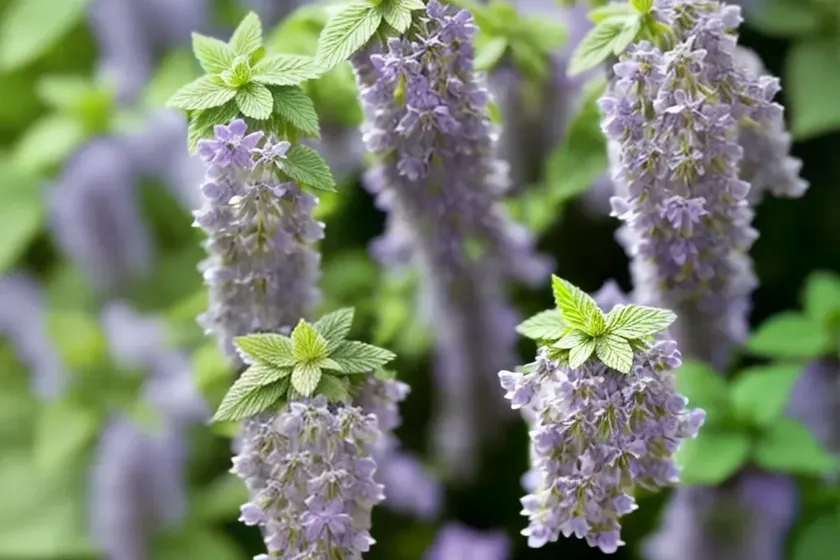
Nepeta racemosa ‘Walker’s Low,’ commonly known as Catmint, is a delightful perennial plant that is cherished by gardeners and landscapers alike. Its charming blue-violet blossoms and aromatic foliage make it a must-have for any garden or landscaping design. In this comprehensive guide, we will explore the characteristics, cultivation, uses, care tips, and much more about this enchanting plant.
Plant Name: Nepeta Racemosa ‘Walker’s Low’ (Catmint)
Nepeta racemosa ‘Walker’s Low’ is a member of the Lamiaceae family and is native to the Caucasus, Iran, and Turkey. It is a clump-forming perennial plant with a low-growing, spreading habit. The cultivar ‘Walker’s Low’ was introduced by Walters Gardens, Inc. in 1988 and has since gained immense popularity for its exceptional performance in gardens and landscapes.
Key Takeaways – Nepeta racemosa ‘Walker’s Low’ (Catmint):
Below are the key takeaways that we will delve into in this guide:
- Characteristics: Understanding the distinct features of Nepeta racemosa ‘Walker’s Low.’
- Planting and Growing: Tips on how to grow and care for Catmint ‘Walker’s Low’.
- Best Uses: Exploring the various uses and applications of Catmint ‘Walker’s Low’.
- Varieties: Learning about different varieties and cultivars of Nepeta racemosa.
- Maintenance and Care: Understanding the maintenance and care requirements of Catmint ‘Walker’s Low’.
- Diseases and Pests: Identifying common diseases and pests and their management.
Now, let’s peel back the layers of this captivating plant and uncover its beauty and care intricacies.
Characteristics of Nepeta Racemosa ‘Walker’s Low’
Nepeta racemosa ‘Walker’s Low’ boasts several captivating characteristics that make it a favorite among gardeners. From its low-maintenance nature to its aromatic foliage, here are the standout features of this delightful plant.
-
Foliage: The leaves are gray-green, aromatic, and resemble those of the common culinary herb, mint. The foliage emits a pleasant fragrance when crushed, making it a charming addition to any garden.
-
Flowers: This plant produces abundant clusters of small, trumpet-shaped, lavender-blue flowers with spotted throats. The blooms are visually stunning and are highly attractive to pollinators such as bees and butterflies.
-
Habit: ‘Walker’s Low’ catmint has a compact and bushy growth habit, reaching a height of 18-24 inches and a spread of 24-36 inches. Its low-growing nature makes it an excellent choice for ground cover or edging in garden beds and borders.
-
Hardiness: It is well-suited for USDA hardiness zones 4-8, thriving in temperate climates and displaying resilience against cold temperatures.
-
Bloom Time: The plant typically blooms from late spring to early summer, adding a burst of color to the garden during this period.
-
Winter Interest: Even in winter, the dried seed heads of Nepeta racemosa ‘Walker’s Low’ continue to provide visual interest, making it a valuable addition to the winter landscape.
These characteristics collectively contribute to the appeal and versatility of Nepeta racemosa ‘Walker’s Low’ in various garden settings.
Growing Nepeta Racemosa ‘Walker’s Low’
Cultivating Nepeta racemosa ‘Walker’s Low’ involves understanding its specific cultural requirements and ideal growing conditions. Let’s dive into the essential aspects of growing this delightful perennial.
Culture
Water
-
Watering: Catmint ‘Walker’s Low’ prefers well-draining soil and thrives in average moisture conditions. While it is drought-tolerant once established, regular watering is essential during the initial establishment period and prolonged dry spells.
-
Overwatering: Avoid overwatering, as excessive moisture can lead to root rot and other health issues. Allow the soil to dry out slightly between watering sessions.
Sunlight
-
Sun Requirements: This plant flourishes in full sun to partial shade. However, for optimal blooming and vigorous growth, it is advisable to provide it with at least 6 hours of direct sunlight per day.
-
Shade Tolerance: While it can tolerate partial shade, insufficient sunlight may lead to reduced flowering and potential legginess.
Soil
-
Soil Type: Nepeta racemosa ‘Walker’s Low’ thrives in well-drained, slightly alkaline to neutral soil. It is adaptable to various soil types, including sandy, loamy, or clay soils, as long as they offer good drainage.
-
Soil Amendment: Incorporating organic matter such as compost into the soil before planting can improve its fertility and drainage.
Fertilizer
-
Fertilization: Catmint ‘Walker’s Low’ generally does not require heavy fertilization. A balanced, slow-release fertilizer applied in early spring can provide the necessary nutrients for healthy growth and abundant flowering.
-
Organic Fertilizers: Alternatively, organic fertilizers such as compost or well-rotted manure can be incorporated into the soil to enhance its nutrient content naturally.
Pruning
-
Pruning Frequency: Regular pruning helps maintain the plant’s shape, promotes bushiness, and encourages continuous blooming. Deadheading spent flowers throughout the growing season can prolong the flowering period.
-
Spring Pruning: A light pruning in early spring, before new growth emerges, can rejuvenate the plant and stimulate fresh growth.
Propagation
-
Division: Nepeta racemosa ‘Walker’s Low’ can be propagated through division, typically in the spring or early fall. Dividing established clumps every 3-4 years rejuvenates the plant and prevents overcrowding.
-
Root Cuttings: Root cuttings can also be taken in late spring or early summer to propagate new plants. Select healthy, non-flowering shoots for the best results.
Container Popularity
- Container Gardening: Catmint ‘Walker’s Low’ is well-suited for container gardening, adding a burst of color and fragrance to patio areas, balconies, or small urban gardens. Ensure that the containers have adequate drainage holes to prevent waterlogged soil.
The cultural aspects of growing Nepeta racemosa ‘Walker’s Low’ form the foundation for its successful cultivation and long-term health.
Best Uses for Catmint ‘Walker’s Low’
Nepeta racemosa ‘Walker’s Low’ is a versatile plant with numerous uses in garden landscapes and beyond. From its role as a pollinator magnet to its aromatic foliage, here are the best applications for this charming perennial.
Garden Beds and Borders
-
Versatile Border Plant: The low, spreading habit and attractive flowers make Catmint ‘Walker’s Low’ well-suited for edging borders and pathways, adding visual appeal to garden beds.
-
Mass Planting: When planted in drifts or clusters, the stunning blue-violet flowers create a striking visual impact and provide a sea of color in the landscape.
-
Underplanting: It serves as an excellent underplanting for taller perennials or shrubs, adding a lower layer of interest and texture to mixed borders.
Pollinator Garden
-
Bee and Butterfly Magnet: The nectar-rich flowers of Catmint ‘Walker’s Low’ attract bees, butterflies, and other beneficial pollinators, contributing to the overall biodiversity of the garden.
-
Wildlife Garden: Its aromatic foliage and attractive blooms also appeal to birds and beneficial insects, making it a valuable addition to wildlife-friendly gardens.
Container Gardening
-
Patio and Balcony Planting: Nepeta racemosa ‘Walker’s Low’ thrives in containers, making it an excellent choice for urban or small-space gardens, where it can add a pop of color and fragrance to patios and balconies.
-
Container Combinations: It can be combined with other annuals or perennials in container plantings, creating captivating arrangements and providing a focal point in outdoor living spaces.
Ground Cover
-
Low-Maintenance Ground Cover: Its low-growing nature and spreading habit make it an ideal ground cover, particularly in sunny, dry areas where other plants may struggle to thrive.
-
Weed Suppression: Once established, the dense foliage of Catmint ‘Walker’s Low’ can help suppress weed growth, contributing to a low-maintenance landscape.
Aromatic Garden
- Fragrance and Aesthetic Appeal: The aromatic foliage releases a delightful minty fragrance, adding sensory appeal to the garden and creating a pleasant ambiance when planted near walkways or seating areas.
Cut Flower and Herb Gardens
-
Cut Flowers: The long-lasting cut flowers of Nepeta racemosa ‘Walker’s Low’ are suitable for floral arrangements, adding a touch of elegance and color to indoor spaces.
-
Culinary Herb Companion: While not as potent as true culinary mints, the leaves can be used to infuse teas or add a subtle mint flavor to dishes, expanding its utility beyond ornamental purposes.
Landscaping and Public Spaces
-
Municipality Plantings: Its resilience, low maintenance requirements, and visual appeal make it a popular choice for public landscapes, parks, and urban beautification projects.
-
Commercial Landscaping: Catmint ‘Walker’s Low’ is often utilized in commercial landscapes, adding charm and color to shopping centers, office complexes, and other public spaces.
The diverse uses of Nepeta racemosa ‘Walker’s Low’ underscore its adaptability and significance in various gardening and landscaping contexts.
Nepeta Racemosa ‘Walker’s Low’ Care Guide
Caring for Nepeta racemosa ‘Walker’s Low’ involves a combination of maintenance practices, disease prevention, and thoughtful attention to its growing environment. Here’s a comprehensive care guide to ensure the health and vitality of this enchanting perennial.
Disease Diagnosis
-
Powdery Mildew: The plant may be susceptible to powdery mildew, particularly in crowded, poorly ventilated conditions or during periods of high humidity. Monitor for white powdery spots on the foliage and take preventive measures if observed.
-
Botrytis: Botrytis can affect the plant during periods of prolonged wetness, causing gray mold to form on the leaves and stems. Adequate air circulation and well-draining soil can help prevent this fungal disease.
-
Root Rot: Overwatering and waterlogged soil can lead to root rot, causing the plant to exhibit symptoms such as wilting, yellowing foliage, and stunted growth. Adjust watering practices to prevent this issue.
Common Pests
-
Nepeta Leafhopper: The Nepeta leafhopper may feed on the foliage, causing stippling or yellowing of the leaves. Regular inspection and the use of insecticidal soap can help manage these pests.
-
Spider Mites: These tiny arachnids can cause stippling and webbing on the foliage. Spraying the plant with a strong stream of water and applying horticultural oil can help control spider mite infestations.
-
Aphids: Aphids may occasionally colonize the plant, particularly on tender new growth. Pruning infested parts and introducing natural predators such as ladybugs can aid in aphid control.
Botanist’s Tips
-
Companion Planting: Pairing Nepeta racemosa ‘Walker’s Low’ with plants such as salvias, rudbeckias, and ornamental grasses can create visually appealing combinations and provide a diverse array of textures and colors in the garden.
-
Deer Resistance: Catmint ‘Walker’s Low’ is known for its resistance to deer browsing, making it a valuable addition for gardens located in deer-prone areas.
-
Continued Bloom: To promote continuous blooming, periodic deadheading or shearing of spent flowers can encourage the development of new blooms and prevent the plant from self-seeding excessively.
Fun Facts
-
Medicinal Uses: While not as potent as true catnip (Nepeta cataria), some folklore attributes mild sedative and calming properties to catmint, leading to occasional use in herbal remedies and teas.
-
Feline Attraction: Despite its name, Nepeta racemosa ‘Walker’s Low’ does not elicit the same intense attraction in cats as true catnip. However, some feline companions may still exhibit mild interest in the plant.
-
Pollinator Attraction: The nectar-rich flowers of Catmint ‘Walker’s Low’ are highly attractive to a wide range of pollinators, contributing to the overall health of the garden ecosystem.
With proper care and attention to its specific needs, Nepeta racemosa ‘Walker’s Low’ can thrive and enrich garden and landscape spaces with its captivating presence.
Links to External Resources
- RHS – Nepeta racemosa ‘Walker’s Low’
- Missouri Botanical Garden – Nepeta racemosa ‘Walker’s Low’
- University of Vermont Extension – Catmint: A Tough Perennial with Many Uses
- Fine Gardening – Nepeta racemosa ‘Walker’s Low’
- Royal Botanic Gardens, Kew – Nepeta racemosa ‘Walker’s Low’
These resources provide additional insights, care recommendations, and botanical details to further enhance the understanding and appreciation of Nepeta racemosa ‘Walker’s Low.’
In conclusion, Nepeta racemosa ‘Walker’s Low,’ or Catmint, is a remarkable perennial plant with a multitude of attributes that make it an invaluable asset to gardens, landscapes, and urban green spaces. Its visual charm, aromatic foliage, and ecological benefits position it as a perennial of choice for both seasoned gardeners and newcomers to the world of ornamental horticulture.
Remember to explore the various uses and design possibilities of Catmint ‘Walker’s Low’ and consider incorporating this delightful plant into your green spaces for an added touch of elegance, color, and fragrance.
Happy gardening!


