Nepeta (Nepeta x faassenii): The Ultimate Guide to Care, Cultivation, and Uses
Nepeta, commonly known as catmint or catnip, is a versatile and low-maintenance perennial plant that has been cherished for centuries. Its easy cultivation, delicate flowers, and aromatic foliage have made it a favorite in gardens across the world. In this comprehensive guide, we will explore everything there is to know about Nepeta x faassenii, from its cultural requirements to its uses, common diseases, and propagation techniques.
What is Nepeta x faassenii?
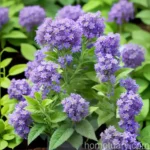
Nepeta x faassenii, also known as Faassen’s catmint, is a hybrid perennial plant that belongs to the Lamiaceae family. This hardy herbaceous plant is a cross between Nepeta racemosa and Nepeta nepetella, two species native to Europe and Asia. Nepeta x faassenii is known for its profuse flowering, which is characterized by clusters of small, fragrant, lavender-blue flowers that bloom from late spring to early fall.
Key Takeaways – Nepeta x faassenii
Before we delve into the details of Nepeta x faassenii, let’s take a quick look at the key takeaways that we will be covering in this guide:
- Nepeta faassenii care
- Nepeta x faassenii plant characteristics
- Nepeta x faassenii growing tips
- Nepeta faassenii uses
- Nepeta x faassenii medicinal properties
- Nepeta x faassenii landscaping ideas
- Nepeta faassenii propagation
- Nepeta x faassenii hardiness
- Nepeta x faassenii sun requirements
- Nepeta x faassenii soil preferences
- Nepeta faassenii common diseases
- Nepeta x faassenii common pests
Now, let’s delve into the details of each of these aspects to help you understand and cultivate Nepeta x faassenii successfully.
Culture
Water
Nepeta x faassenii is a plant that thrives in well-drained soil and prefers moderate watering. It is important to water the plant regularly, especially during hot and dry periods, to ensure that the soil remains consistently moist but not waterlogged. Once established, Nepeta x faassenii exhibits good drought tolerance and can withstand short periods of dry soil.
Sunlight
One of the key characteristics of Nepeta x faassenii is its preference for full sun. This plant thrives in bright, direct sunlight and will produce an abundance of flowers when grown in optimal light conditions. It is recommended to provide at least 6-8 hours of sunlight per day to promote healthy growth and prolific blooming.
Fertilizer
Nepeta x faassenii is not a heavy feeder and can thrive in moderately fertile soil. A balanced, slow-release fertilizer applied in spring can help support its growth and blooming. Avoid excessive fertilization, as it may lead to leggy growth and reduced flowering.
Soil
Well-drained soil is essential for the successful cultivation of Nepeta x faassenii. It prefers a moderately fertile, sandy or loamy soil with a slightly alkaline to neutral pH. Good drainage is crucial, as the plant is prone to root rot in waterlogged conditions.
Pruning
Pruning is an important aspect of maintaining the health and appearance of Nepeta x faassenii. Regular deadheading, which involves the removal of spent flowers, can prolong the blooming period and prevent self-seeding. Additionally, cutting back the plant by about half after the first flush of flowers can encourage a second wave of blooms and help maintain a compact, bushy growth habit.
Propagation
Nepeta x faassenii can be propagated through several methods, including division, seed sowing, and stem cuttings. Here’s a brief overview of each propagation technique:
-
Division: In early spring or fall, established clumps of Nepeta x faassenii can be carefully divided, ensuring that each division has a healthy root system and several shoots. These divisions can be replanted in prepared soil, where they will quickly establish and grow.
-
Seed Sowing: The plant produces small, dark brown seeds that can be collected from the dried flower heads. Sow the seeds in well-prepared soil in the spring, and keep the soil consistently moist until germination occurs.
-
Stem Cuttings: Stem cuttings can be taken from healthy, non-flowering shoots in the spring or early summer. These cuttings can be rooted in a well-draining potting mix and placed in a warm, bright location until new growth emerges.
Container Popularity
Nepeta x faassenii is well-suited for container cultivation, making it a versatile choice for gardening enthusiasts with limited space or those looking to add a touch of elegance to patios, balconies, or small outdoor areas. The compact growth habit and profuse flowering of Nepeta x faassenii make it an ideal candidate for container gardening.
Container Planting Tips:
- Choose a container with adequate drainage holes to prevent waterlogging.
- Use a well-draining potting mix, ideally a blend of loam, sand, and compost.
- Position the container in a location that receives ample sunlight.
- Water the plant regularly, ensuring that the soil does not dry out completely.
- Consider using a slow-release fertilizer to support the plant’s growth and blooming in containers.
Common Diseases
Nepeta x faassenii is generally resilient to most diseases but may be susceptible to certain fungal infections under specific conditions. Prudent cultural practices, such as providing good air circulation, avoiding overhead watering, and maintaining proper spacing between plants, can help prevent the occurrence of diseases.
Disease Diagnosis
Here are some common diseases that may affect Nepeta x faassenii:
- Powdery Mildew: A fungal disease characterized by a white, powdery growth on the leaves, stems, and flowers. It can be controlled by improving air circulation and using fungicidal treatments if necessary.
- Root Rot: Occurs in waterlogged soil and can lead to the decay of the plant’s root system. To prevent root rot, ensure proper drainage and avoid overwatering.
Common Pests
Nepeta x faassenii is relatively resistant to pests, but it may occasionally be affected by a few common garden pests. Vigilant monitoring and early intervention can help prevent pest infestations from causing significant damage to the plant.
Common Pests:
- Aphids: These small, soft-bodied insects may colonize the tender shoots and flower buds of Nepeta x faassenii, causing distortion and stunted growth. They can be dislodged with a strong stream of water or controlled with insecticidal soap.
- Spider Mites: These tiny arachnids may infest the plant, causing stippled, discolored leaves. Regularly spraying the plant with water can help deter spider mites, and insecticidal sprays can be applied if necessary.
Botanist’s Tips
Here are some additional tips and insights to help you cultivate Nepeta x faassenii successfully:
-
Companion Planting: Nepeta x faassenii is known to attract bees, butterflies, and other pollinators, making it a valuable addition to pollinator-friendly gardens. Consider planting it alongside other nectar-rich plants to create a vibrant and diverse ecosystem.
-
Fragrance: The aromatic foliage of Nepeta x faassenii releases a delightful, minty fragrance when brushed or crushed, adding sensory appeal to the garden and attracting beneficial insects.
-
Wildlife Habitat: The dense, bushy growth habit of Nepeta x faassenii provides excellent cover for small wildlife, making it a valuable component of wildlife-friendly garden spaces.
Fun Facts
-
Nepeta x faassenii is often referred to as catmint or catnip due to its irresistible attraction to cats. The volatile compounds present in the leaves and stems elicit a euphoric response in many felines.
-
Despite its strong appeal to cats, Nepeta x faassenii is generally deer-resistant, making it a suitable choice for gardens prone to deer browsing.
-
In traditional herbal medicine, Nepeta species have been used to alleviate various ailments, including insomnia, anxiety, and digestive issues.
-
The name “Nepeta” is derived from the ancient Etruscan city of Nepete, located in present-day Italy.
Links to External Resources
For further information on Nepeta x faassenii, its cultivation, and uses, you may find the following resources helpful:
- Royal Horticultural Society: Growing Nepeta
- University of Florida IFAS Extension: Nepeta x faassenii
- Missouri Botanical Garden: Nepeta x faassenii
In conclusion, Nepeta x faassenii is a delightful and versatile perennial plant that can bring beauty, fragrance, and ecological value to gardens and outdoor spaces. By understanding its cultural requirements, uses, and potential challenges, gardeners can successfully cultivate and enjoy the many benefits of this charming herbaceous plant.
Whether used as a border plant, a container specimen, or a component of a wildlife-friendly garden design, Nepeta x faassenii has much to offer and can be a joy to behold in any landscape.
Remember to always consider the specific growing conditions and requirements in your region when cultivating Nepeta x faassenii, and enjoy the abundant beauty and charm it brings to the garden.