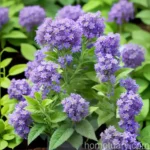
Understanding Nepeta (Nepeta x faassenii ‘Kit Cat’)
Nepeta, commonly known as catmint, is a genus of flowering plants in the family Lamiaceae. One of the popular varieties within this genus is Nepeta x faassenii ‘Kit Cat’. In this comprehensive guide, we will explore the key aspects of caring for and cultivating this beautiful and versatile plant.
Key Takeaways – Nepeta (Nepeta x faassenii ‘Kit Cat’)
Before delving into the details of cultivating and caring for Nepeta x faassenii ‘Kit Cat’, it’s important to highlight some key takeaways regarding this plant:
- Nepeta x faassenii ‘Kit Cat’ is a resilient and adaptable perennial plant.
- It is known for its attractive, aromatic foliage and stunning blue-purple flowers.
- This variety is low-maintenance and thrives in various growing conditions, making it an ideal choice for both novice and experienced gardeners.
- Nepeta x faassenii ‘Kit Cat’ is highly valued for its ornamental and medicinal uses, as well as its ability to attract pollinators and wildlife to the garden.
With these key points in mind, let’s delve into the detailed aspects of cultivating and nurturing Nepeta x faassenii ‘Kit Cat’.
Culture
Understanding the cultural requirements of Nepeta x faassenii ‘Kit Cat’ is essential for ensuring its optimal growth and development. This encompasses various factors, including water, sunlight, fertilizer, soil, and pruning.
Uses
Nepeta x faassenii ‘Kit Cat’ possesses a range of uses, adding both aesthetic and practical value to gardens and landscapes. Its primary uses include:
- Ornamental purposes: The plant’s vibrant flowers and aromatic foliage make it a delightful addition to gardens, borders, and containers.
- Medicinal properties: Some varieties of Nepeta have been used in traditional medicine for their potential health benefits, including calming effects and as a remedy for certain ailments.
- Wildlife attraction: Nepeta x faassenii ‘Kit Cat’ is known to attract pollinators, such as bees and butterflies, enhancing the ecological diversity of the garden.
Water
When it comes to watering Nepeta x faassenii ‘Kit Cat’, it’s important to strike a balance to prevent waterlogged soil or drought stress. Consider the following guidelines:
- Established plants: Once established, Nepeta x faassenii ‘Kit Cat’ generally demonstrates good drought tolerance. It is advisable to allow the soil to dry slightly between waterings.
- Young plants: Newly planted specimens should be watered more frequently to help them establish a strong root system.
- Avoid overwatering: Ensure good drainage to prevent the risk of root rot. Water the plant deeply but infrequently to encourage deep rooting and overall resilience.
Sunlight
Nepeta x faassenii ‘Kit Cat’ thrives in well-drained soil and is known for its preference for full sun to partial shade. When selecting a planting location for this variety, consider the following sunlight requirements:
- Full sun: Providing at least 6 hours of direct sunlight per day is optimal for promoting healthy growth and profuse flowering.
- Partial shade: While Nepeta x faassenii ‘Kit Cat’ prefers full sun, it can also tolerate some degree of shade, particularly in regions with intense heat.
Fertilizer
Applying the right type and amount of fertilizer is essential for supporting the growth and blooming of Nepeta x faassenii ‘Kit Cat’. Consider the following fertilizer recommendations:
- Low-fertility soil: Nepeta x faassenii ‘Kit Cat’ typically thrives in lean or moderately fertile soil. Excessive fertilization can lead to lush foliage at the expense of flowers.
- Organic amendments: Incorporating well-rotted compost or organic matter into the soil during planting can provide a gentle nutrient boost without overpowering the plant.
- Minimal fertilizer: In most cases, minimal fertilization is needed. If required, a balanced, slow-release fertilizer specifically formulated for flowering perennials can be applied in spring.
Soil
Understanding the soil preferences of Nepeta x faassenii ‘Kit Cat’ is crucial for creating an optimal growing environment. Here are some key considerations related to soil:
- Well-drained soil: Nepeta x faassenii ‘Kit Cat’ thrives in well-drained soil and is sensitive to waterlogged conditions.
- pH level: A slightly alkaline to neutral soil pH ranging from 6.7 to 7.3 is ideal for this variety. Conduct a soil test to assess and adjust the pH if necessary.
- Soil composition: Sandy or loamy soil with good aeration and drainage is well-suited for Nepeta x faassenii ‘Kit Cat’. Heavy clay soil should be amended with organic matter to improve drainage.
Pruning
Pruning plays a crucial role in maintaining the health, appearance, and longevity of Nepeta x faassenii ‘Kit Cat’. Proper pruning practices for this variety include:
- Deadheading: Regular removal of spent flowers can encourage continuous blooming and prevent self-seeding in the garden.
- Cutting back: After the initial flush of blooms, lightly shearing the plant by one-third can promote a compact, bushy growth habit and a second wave of flowering.
- Fall clean-up: As the growing season ends, cut back the plant to ground level to tidy the appearance and prepare for the following season.
Propagation
Understanding the methods of propagating Nepeta x faassenii ‘Kit Cat’ enables gardeners to multiply their plant collection and share it with others. Common propagation methods for this variety include:
- Division: Established clumps of Nepeta x faassenii ‘Kit Cat’ can be divided in early spring or early fall to create new, vigorous plants.
- Softwood cuttings: Taking softwood cuttings in early summer and providing the right conditions for rooting can result in successful propagation.
- Seed sowing: Collecting and sowing seeds from mature Nepeta x faassenii ‘Kit Cat’ plants allows for growing new specimens, though this method may yield variable results compared to vegetative propagation.
Container Popularity
With its adaptability and ornamental appeal, Nepeta x faassenii ‘Kit Cat’ is well-suited for container gardening. Consider the following aspects of growing this variety in containers:
- Container selection: Choose a well-draining container of appropriate size to accommodate the plant’s root system and promote healthy growth. Terra cotta or plastic pots are popular choices.
- Soil and watering: Use a high-quality, well-draining potting mix and ensure adequate moisture without waterlogging. Containers may require more frequent watering compared to in-ground plantings.
- Sun exposure: Position the containers in a location that receives the recommended amount of sunlight for Nepeta x faassenii ‘Kit Cat’, adjusting as needed to avoid excessive heat or shade.
Common Diseases
While Nepeta x faassenii ‘Kit Cat’ is generally resilient, it may be susceptible to certain diseases under unfavorable conditions. Common diseases that can affect this variety include:
- Powdery mildew: Characterized by a white powdery growth on the leaves, powdery mildew can occur in humid or poorly ventilated conditions.
- Root rot: Overly wet soil can lead to root rot, causing the plant to exhibit symptoms such as wilting, yellowing foliage, and stunted growth.
- Botrytis blight: Also known as gray mold, this fungal disease can affect the flowers and foliage, particularly during periods of prolonged wet weather.
Disease Diagnosis
Diagnosing and addressing potential diseases in Nepeta x faassenii ‘Kit Cat’ involves attentive observation and timely interventions. When assessing the plant for signs of disease, consider the following diagnostic steps:
- Visual examination: Look for unusual discoloration, spots, or growth on the leaves, stems, and flowers. Take note of any changes in the plant’s overall vigor and appearance.
- Environmental assessment: Consider factors such as air circulation, soil drainage, and moisture levels that may contribute to the development of diseases.
- Consultation and treatment: If disease symptoms are observed, seek the advice of a local horticultural expert or plant health professional to identify the specific issue and determine an appropriate course of action.
Common Pests
In addition to diseases, Nepeta x faassenii ‘Kit Cat’ may face challenges from various pests. Being aware of these potential pests and their control measures is crucial for maintaining the plant’s health. Common pests that may target this variety include:
- Aphids: These small, soft-bodied insects can cluster on the new growth and undersides of the leaves, causing distortion and weakening of the plant.
- Spider mites: Under hot and dry conditions, spider mites may infest Nepeta x faassenii ‘Kit Cat’, leading to stippled, discolored foliage and fine webbing.
- Whiteflies: These tiny, winged insects can congregate on the undersides of the leaves, feeding on plant sap and potentially transmitting diseases.
Botanist’s Tips
As a plant scientist, I’d like to share some specialized tips and insights for successfully growing and enjoying Nepeta x faassenii ‘Kit Cat’:
- Companion planting: Pairing Nepeta x faassenii ‘Kit Cat’ with compatible companion plants, such as lavender, roses, and ornamental grasses, can create visually appealing and ecologically beneficial garden combinations.
- Hybrid varieties: Explore hybrid varieties and cultivars of Nepeta x faassenii ‘Kit Cat’ to discover unique colors, growth habits, and adaptations suited to specific growing environments and design preferences.
- Seasonal interest: Consider the seasonal interest of Nepeta x faassenii ‘Kit Cat’ when planning its placement in the garden. This variety’s fragrant foliage and summer blooms can contribute to the overall landscape appeal.
Fun Facts
Delving into the intriguing aspects of Nepeta x faassenii ‘Kit Cat’ reveals several captivating fun facts about this plant:
- Historical significance: Nepeta includes species that have been historically used for their medicinal and aromatic properties, with ties to traditional herbalism and folklore.
- Cat attraction: Nepeta species, including Nepeta x faassenii ‘Kit Cat’, are known for their ability to attract and entice cats with their aromatic compounds, often eliciting playful behaviors in feline companions.
- Ecological benefits: The nectar-rich flowers of Nepeta x faassenii ‘Kit Cat’ can serve as an important food source for pollinators, contributing to the ecological balance of the garden and surrounding areas.
Links to External Resources
For further exploration and in-depth information about Nepeta x faassenii ‘Kit Cat’ and related topics, I recommend engaging with reputable external resources:
- The Royal Horticultural Society (RHS): A trusted source of horticultural advice, offering detailed plant profiles, cultivation guidance, and pest and disease information.
- Missouri Botanical Garden: Provides a wealth of botanical information, including plant databases, educational resources, and research updates.
- University Cooperative Extension Services: Numerous universities offer comprehensive extensions with valuable publications, guides, and resources on plant care and gardening practices.
With these external resources, plant enthusiasts and horticulturalists can access reliable information to enhance their understanding and appreciation of Nepeta x faassenii ‘Kit Cat’ and its cultivation.
In conclusion, the alluring qualities and adaptable nature of Nepeta x faassenii ‘Kit Cat’ make it a remarkable addition to gardens, landscapes, and containers. By integrating the insights and recommendations outlined in this guide, enthusiasts and gardeners can embark on a rewarding journey of cultivating and nurturing this versatile and enchanting plant. Whether fostering its ornamental beauty, exploring its ecological contributions, or discovering its historical significance, Nepeta x faassenii ‘Kit Cat’ continues to captivate and inspire plant lovers across diverse gardening contexts.