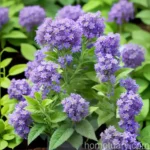
Plant Spotlight: Catmint (Nepeta ‘Blue Dragon’)
Plants have always been a source of fascination and inspiration for humanity. From their aesthetic appeal to their medicinal properties, plants offer a multitude of benefits. In this blog post, we’ll delve into the captivating world of catmint, specifically the Nepeta ‘Blue Dragon’ variety. We will explore its cultural considerations, uses, propagation techniques, and much more. So, if you’re passionate about plants and want to expand your knowledge of catmint, read on as we uncover the secrets of this remarkable botanical specimen.
What is Catmint (Nepeta ‘Blue Dragon’)?
Catmint, scientifically known as Nepeta, is a genus of flowering plants in the family Lamiaceae. One of the captivating varieties within this genus is the Nepeta ‘Blue Dragon’. This perennial herbaceous plant is cherished for its ornamental value, as it produces stunning, fragrant flowers. The distinctive blue-purple blossoms of Nepeta ‘Blue Dragon’ make it a sought-after choice for garden enthusiasts and landscape designers.
Key Takeaways – Catmint (Nepeta ‘Blue Dragon’)
Let’s begin our exploration of Nepeta ‘Blue Dragon’ by highlighting its key characteristics and features. Understanding these elements will provide a comprehensive insight into the plant’s requirements and potentials.
- Nepeta ‘Blue Dragon’ Facts:
- Botanical Name: Nepeta ‘Blue Dragon’
- Common Name: Catmint
- Plant Type: Perennial
- Flower Color: Blue-purple
- Foliage: Fragrant, gray-green
- Height: 18-24 inches
- Spread: 18-24 inches
- Hardiness Zone: 3-8
Now that we have a brief overview of Nepeta ‘Blue Dragon’, it’s time to delve into its cultural considerations, uses, and specific requirements for successful growth and development.
Culture
Cultural practices play a pivotal role in ensuring the health, vigor, and ornamental value of catmint. By understanding the optimal cultural conditions for Nepeta ‘Blue Dragon’, you can create an environment in which it thrives.
Water
- Catmint, including the ‘Blue Dragon’ variety, prefers well-drained soil and doesn’t tolerate waterlogged conditions.
- Water newly planted Nepeta ‘Blue Dragon’ regularly to help establish its root system. Once established, it is relatively drought-tolerant and requires minimal watering, except during prolonged dry spells.
Sunlight
- Nepeta ‘Blue Dragon’ thrives in full sun to partial shade. Providing it with at least 6 hours of sunlight per day will ensure prolific flowering and robust growth.
Fertilizer
- Prior to planting, incorporate organic matter into the soil to enrich its fertility and structure.
- During the growing season, apply a balanced, slow-release fertilizer around the base of Nepeta ‘Blue Dragon’ to support its growth and flowering.
Soil
- Well-drained, moderately fertile soil is ideal for Nepeta ‘Blue Dragon’. It can adapt to various soil types, including sandy and loamy soils, as long as they offer good drainage.
Pruning
- To promote bushy growth and encourage continuous flowering, deadhead spent blooms regularly. Simultaneously, trim back the plant by one-third in midsummer to maintain its compact form and rejuvenate its vigor.
Propagation
- Nepeta ‘Blue Dragon’ can be propagated via division or stem cuttings.
- Division: In early spring, divide mature clumps of Nepeta ‘Blue Dragon’ to create new plants. Ensure that each division has ample roots and shoots to support its growth.
- Stem Cuttings: Take 4-6 inch stem cuttings in early summer and root them in a well-draining medium to propagate Nepeta ‘Blue Dragon’.
Container Popularity
- The compact nature and ornamental appeal of Nepeta ‘Blue Dragon’ make it an excellent choice for container gardening. It adds a touch of elegance and color to patio spaces, balconies, and terraces.
Now that we’ve demystified the cultural considerations for Nepeta ‘Blue Dragon’, let’s explore its uses and applications in different settings.
Uses
The versatile nature of Nepeta ‘Blue Dragon’ enables it to be utilized in various applications, ranging from traditional gardens to herbal remedies. Understanding its uses empowers plant enthusiasts to fully embrace the potential of this captivating perennial.
Garden Ornament
- The striking blue-purple flowers and aromatic foliage of Nepeta ‘Blue Dragon’ make it a valuable addition to garden beds, borders, and rock gardens. Its compact growth habit and long-lasting blooms enhance the visual appeal of any landscape.
Medicinal Properties
- Catmint has a history of medicinal use for its calming and soothing attributes. The dried leaves and flowers of Nepeta ‘Blue Dragon’ can be utilized to prepare herbal teas, tinctures, and aromatic sachets. It is often revered for its stress-relieving and digestive properties.
Pollinator Attraction
- The nectar-rich flowers of Nepeta ‘Blue Dragon’ attract an array of pollinators, including bees, butterflies, and hummingbirds. Introducing this plant to your garden promotes biodiversity and supports the ecological balance.
Aromatic Foliage
- The fragrant, gray-green foliage of Nepeta ‘Blue Dragon’ emits a pleasant aroma when brushed against. This sensory quality adds an extra dimension to the plant’s appeal, making it an immersive addition to sensory gardens and herbaceous borders.
As we have uncovered the cultural considerations, uses, and applications of Nepeta ‘Blue Dragon’, it’s essential to address the potential challenges associated with its health and vitality.
Common Diseases
Maintaining the health and vigor of Nepeta ‘Blue Dragon’ necessitates an understanding of potential diseases and afflictions that may affect the plant. By being proactive in disease management, you can ensure the longevity and vibrancy of this captivating catmint variety.
Disease Diagnosis
- Catmint, including Nepeta ‘Blue Dragon’, is generally resistant to most diseases. However, it can occasionally succumb to fungal diseases such as powdery mildew and root rot.
- Powdery mildew manifests as a powdery, white coating on the foliage, often triggered by high humidity and poor air circulation. Root rot, on the other hand, is caused by waterlogged soil and results in wilting and decline of the plant.
Understanding the symptoms and causal factors of these diseases is crucial for implementing preventive measures and timely interventions.
Common Pests
While catmint species are relatively resistant to pests, there are a few common intruders that may target Nepeta ‘Blue Dragon’ under certain conditions. By being vigilant and proactive, you can mitigate pest-related challenges and safeguard the plant’s well-being.
Common Pests
- Aphids: These small, sap-sucking insects can infest the tender growth of Nepeta ‘Blue Dragon’, causing distortion and stunted development. Regular monitoring and the introduction of natural predators can help control aphid populations effectively.
- Spider Mites: These microscopic pests thrive in hot, dry conditions and can cause stippling on the foliage of Nepeta ‘Blue Dragon. Regularly spraying the plant with water and promoting a humid environment can deter spider mite infestations.
By proactively addressing potential pest issues, you can maintain the vitality and visual appeal of Nepeta ‘Blue Dragon’.
Botanist’s Tips
As a botanist, my experience and expertise have provided valuable insights into the optimal care and cultivation of plant species. When it comes to Nepeta ‘Blue Dragon’, a few essential tips can contribute to its overall health and ornamental value.
Fun Facts
- Catmint, including Nepeta ‘Blue Dragon’, is a member of the mint family (Lamiaceae), which encompasses numerous aromatic and ornamental plants.
- The volatile oils within catmint’s leaves contain nepetalactone, a compound that induces a euphoric response in cats. This characteristic has earned catmint the reputation of being a feline attractant, although its effect on cats can vary widely.
Botanist’s Tips
- Moderate pruning and deadheading promote continuous blooming and prevent the plant from becoming unkempt.
- When planting Nepeta ‘Blue Dragon’ in containers, ensure the presence of drainage holes to prevent waterlogging and root rot.
By integrating these tips into your care regimen for Nepeta ‘Blue Dragon’, you can foster its growth and blossoming with confidence.
As we conclude our exploration of Nepeta ‘Blue Dragon’, it’s essential to provide access to external resources that offer additional insights and guidance on the cultivation, uses, and maintenance of this captivating catmint variety.
Links to External Resources
For further information on Nepeta ‘Blue Dragon’ and related topics, consider exploring the following external resources:
- Royal Horticultural Society – Nepeta ‘Blue Dragon’
- University of Maryland Extension – Growing Catnip
- The Spruce – How to Grow and Care for Catmint
These resources encompass valuable insights from horticultural experts and enthusiasts, providing a comprehensive perspective on Nepeta ‘Blue Dragon’ and its cultivation.
In conclusion, our journey through the enchanting realm of Nepeta ‘Blue Dragon’ has unveiled its cultural requirements, uses, potential challenges, and expert tips for successful cultivation. By embracing the inherent beauty and versatility of this plant, you can enrich your garden, elevate your surroundings, and indulge in the enriching world of plant appreciation.
As we part ways, I encourage you to embrace the allure of Nepeta ‘Blue Dragon’ and explore its myriad possibilities in your own botanical pursuits. Happy gardening!
Disclaimer: The information provided in this blog post is for educational and informational purposes only. It does not intend to replace professional advice or guidance in plant cultivation and care. Always consult with a certified horticulturist or botanist for personalized recommendations and solutions tailored to your specific gardening needs.