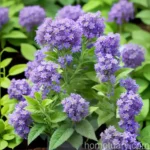
Plant Profile: Nepeta x faassenii ‘Purrsian Blue’
Nepeta x faassenii ‘Purrsian Blue’, also known as Purrsian Blue catmint, is a stunning perennial plant that is valued for its aromatic foliage and beautiful blue-violet flower spikes. This plant has gained popularity among gardeners for its ease of care, versatility in the garden, and its ability to attract pollinators. In this comprehensive guide, we will delve into the various aspects of caring for Nepeta x faassenii ‘Purrsian Blue’, from its cultural requirements to common diseases and pests it may encounter.
What is Nepeta x faassenii ‘Purrsian Blue’?
Nepeta x faassenii ‘Purrsian Blue’ is a cultivated hybrid of Nepeta racemosa and Nepeta nepetella. It belongs to the Lamiaceae family and is native to the hilly regions of Eurasia. This perennial herbaceous plant is valued for its compact, bushy habit and its profusion of small, trumpet-shaped flowers that bloom from late spring to early fall. The aromatic foliage and the attractive flowers make it a valuable addition to gardens, borders, and containers.
Key Takeaways – Nepeta x faassenii ‘Purrsian Blue’
- Common Name: Purrsian Blue catmint
- Botanical Name: Nepeta x faassenii ‘Purrsian Blue’
- Plant Type: Perennial
- Mature Size: 12-18 inches tall and 18-24 inches wide
- Sunlight: Full sun to partial shade
- Water: Low to moderate water requirements
- Soil Type: Well-draining, fertile soil
- Pests and Diseases: Generally pest and disease resistant
- Hardiness Zones: 3-8
- Landscape Uses: Borders, rock gardens, containers
- Companion Plants: Lavandula, Salvia, Echinacea
With its exceptional ornamental value and low maintenance requirements, Nepeta x faassenii ‘Purrsian Blue’ has become a favored choice for both amateur and experienced gardeners.
Now, let’s explore the detailed care and cultivation requirements for this exquisite perennial.
Culture
Uses
Nepeta x faassenii ‘Purrsian Blue’ offers numerous uses in the garden and beyond. Some of the common uses include:
-
Ornamental Accent: The vibrant blue-violet flowers and aromatic foliage make it an excellent ornamental addition to garden beds, borders, and rock gardens.
-
Pollinator Attraction: The flowers of Nepeta x faassenii ‘Purrsian Blue’ are highly attractive to bees, butterflies, and other pollinators, making it a valuable plant for supporting local ecosystems.
-
Aromatic Qualities: The foliage of Nepeta x faassenii ‘Purrsian Blue’ releases a pleasant, minty fragrance when crushed, making it a desirable choice for herb gardens or as a natural air freshener.
-
Cut Flower: The long-lasting flower spikes make stunning additions to cut flower arrangements, adding a touch of elegance to indoor settings.
-
Medicinal Properties: Nepeta species, including Nepeta x faassenii, have been used in traditional herbal medicine for their calming and soothing properties, often brewed as a tea to alleviate stress and promote relaxation.
Water
Nepeta x faassenii ‘Purrsian Blue’ exhibits moderate drought tolerance once established, making it suitable for water-wise gardening. In the initial establishment phase, it requires regular watering to encourage root development. Once the plant is well-established, it can thrive with minimal supplemental watering, relying on natural rainfall in most cases.
It is essential to allow the soil to dry out slightly between watering to prevent waterlogged conditions, which can be detrimental to the plant’s health. Overly moist soil can lead to root rot and other diseases, so it is crucial to strike a balance in the watering schedule.
Sunlight
Nepeta x faassenii ‘Purrsian Blue’ thrives in full sun to partial shade, with at least 6 hours of direct sunlight being ideal for vigorous growth and abundant flowering. In regions with hot summers, providing partial shade during the hottest part of the day can prevent heat stress and prolong the longevity of the flowers.
Fertilizer
This resilient perennial plant generally thrives in average to poor soil conditions and does not have excessive fertilizer requirements. An annual application of a balanced, slow-release fertilizer in early spring can provide the necessary nutrients for healthy growth and abundant flowering. It is advisable to avoid excessive fertilization as it can lead to excessive foliage growth at the expense of flowering.
Soil
Nepeta x faassenii ‘Purrsian Blue’ prefers well-draining, loamy soil with a slightly alkaline to neutral pH. Good drainage is especially crucial to prevent waterlogging and root rot. Amending heavy clay soil with organic matter like compost or well-rotted manure can improve drainage and overall soil structure, creating an ideal environment for the plant’s roots to thrive.
Pruning
Pruning plays a pivotal role in maintaining the vigor and aesthetic appeal of Nepeta x faassenii ‘Purrsian Blue’. Regular deadheading, which involves the removal of spent flower spikes, can encourage continuous blooming and prevent the plant from self-seeding prolifically. Additionally, cutting back the plant to half its height after the first flush of blooms can stimulate a second wave of flowering, prolonging the ornamental display.
In late fall or early spring, it is beneficial to conduct a rejuvenation pruning, where the plant is cut back to a few inches above ground level. This practice helps to rejuvenate the plant, promote vigorous growth, and maintain its compact habit. Furthermore, removing any dead or diseased growth during this time can prevent the onset and spread of diseases, ensuring the plant’s overall health.
Propagation
Nepeta x faassenii ‘Purrsian Blue’ can be propagated through various methods, including division, stem cuttings, and seeds.
Division
Dividing established clumps of Nepeta x faassenii ‘Purrsian Blue’ in early spring every 3-4 years can revitalize the plant and promote healthier growth. The process involves carefully lifting the plant, separating the rooted sections, and replanting them in suitable locations.
Stem Cuttings
Taking semi-ripe stem cuttings in late spring or early summer can yield new plants that are genetically identical to the parent plant. Select healthy, non-flowering stems and root them in a well-draining potting mix to establish new plants.
Seeds
Collecting and sowing seeds from Nepeta x faassenii ‘Purrsian Blue’ in late summer or early fall can also be a successful propagation method. Sow the seeds in a seed-starting mix and provide the necessary warmth and moisture for germination to occur.
Container Popularity
Nepeta x faassenii ‘Purrsian Blue’ is well-suited for container gardening, offering an attractive and fragrant addition to patios, decks, and balconies. Its compact growth habit and low maintenance requirements make it an excellent choice for container culture. When grown in containers, it is vital to ensure adequate drainage and provide a suitable potting mix that mimics its preferred soil conditions.
Common Diseases
Nepeta x faassenii ‘Purrsian Blue’ is relatively resistant to most diseases, with proper cultural practices and favorable growing conditions being the key to preventing any potential issues. However, it is crucial to be mindful of a few potential diseases that may affect this plant:
- Powdery Mildew:
-
Environmental stress or high humidity levels can create conditions favorable for powdery mildew development. To mitigate the risk, ensure adequate air circulation and avoid overhead watering.
-
Root Rot:
-
Overly moist or poorly draining soil can lead to root rot in Nepeta x faassenii. Maintaining well-draining soil and avoiding excessive irrigation can prevent this issue.
-
Crown Gall:
- This bacterial disease can cause abnormal growths on the stems of the plant. Preventing physical damage to the plant and ensuring proper soil drainage can help mitigate the risk of crown gall.
Disease Diagnosis
When addressing potential diseases, it is essential to conduct a thorough diagnosis to accurately identify the issue at hand. Some practical steps for disease diagnosis include:
-
Visual Inspection: Carefully examine the foliage, stems, and roots for any signs of discoloration, distortion, or abnormal growth.
-
Environmental Analysis: Consider the prevailing environmental conditions, such as temperature, humidity, and soil moisture levels, as they can influence disease development.
-
Consulting Experts: In cases of uncertainty, consulting with local horticultural experts or plant pathologists can provide valuable insights into disease diagnosis and management strategies.
Practicing good garden hygiene and promptly addressing any signs of disease can help maintain the health and vitality of Nepeta x faassenii ‘Purrsian Blue’.
Common Pests
Nepeta x faassenii ‘Purrsian Blue’ is relatively resistant to pest infestations, but it may occasionally encounter a few common pests that can affect its overall health. Some of the typical pests include:
- Aphids:
-
These small, sap-sucking insects can distort new growth and excrete honeydew, leading to the development of sooty mold. Regular inspection and the use of natural predators can help manage aphid populations.
-
Spider Mites:
-
Spider mites can cause stippling and webbing on the foliage, leading to reduced plant vigor. Maintaining adequate humidity and periodically spraying the foliage with water can help deter spider mite infestations.
-
Whiteflies:
- Whiteflies often congregate on the undersides of leaves and can weaken the plant by sapping its nutrients. Encouraging natural predators like ladybugs and parasitic wasps can aid in controlling whitefly populations.
Botanist’s Tips
-
Companion Planting: Pairing Nepeta x faassenii ‘Purrsian Blue’ with other pollinator-friendly plants such as Lavandula, Salvia, and Echinacea can create a vibrant and ecologically beneficial garden setting.
-
Natural Pest Management: Encouraging natural predators like ladybugs, lacewings, and predatory wasps can aid in controlling pest populations, reducing the reliance on chemical interventions.
-
Seasonal Maintenance: Regularly monitoring the plant for signs of disease, deadheading spent flowers, and providing appropriate support as needed can contribute to the overall vitality and longevity of Nepeta x faassenii ‘Purrsian Blue’.
Fun Facts
-
Feline Attraction: Nepeta x faassenii, like many other Nepeta species, contains compounds that are known to attract cats. The plant’s foliage can induce a euphoric response in some felines, making it a sought-after addition for cat owners.
-
Medicinal History: Various Nepeta species have a history of medicinal use in traditional herbal remedies. Nepeta x faassenii has been utilized for its calming and soothing properties, often being brewed as a tea to alleviate stress and promote relaxation.
-
Sensory Appeal: The minty fragrance of Nepeta x faassenii ‘Purrsian Blue’ and its visually striking flowers make it a sensory delight, appealing to both humans and pollinators alike.
Links to External Resources
For further information on Nepeta x faassenii ‘Purrsian Blue’ and related topics, the following resources can provide valuable insights:
-
Royal Horticultural Society (RHS): The RHS offers extensive information on plant profiles, care guidelines, and gardening resources.
-
Missouri Botanical Garden: The Missouri Botanical Garden provides detailed plant profiles, botanical information, and horticultural research.
-
University Extension Services: Various university extension services offer research-based information on plant care, pest management, and gardening practices.
-
American Society for the Prevention of Cruelty to Animals (ASPCA): For pet owners, the ASPCA offers insights into pet-safe gardening practices and tips for managing plants that may interact with pets.
-
The Herb Society of America: This organization provides resources and educational materials on herb gardening, including information on the medicinal and culinary uses of herbs.
By exploring these reputable sources, gardeners can access reliable information and enrich their understanding of Nepeta x faassenii ‘Purrsian Blue’ and its horticultural significance.
In conclusion, Nepeta x faassenii ‘Purrsian Blue’ stands as an exceptional perennial plant, offering a delightful combination of ornamental beauty, aromatic allure, and ecological value. With its adaptable nature and charming attributes, it continues to captivate gardeners and nature enthusiasts alike, enriching outdoor spaces with its exquisite presence.
So, whether you are an avid gardener seeking to elevate your garden’s appeal or a nature enthusiast exploring the wonders of ornamental plants, Nepeta x faassenii ‘Purrsian Blue’ undoubtedly merits consideration for its multitude of endearing qualities and enduring charm.