Nepeta Grandiflora ‘Bramdean’ (Catmint)
Plants play a crucial role in the environment, shaping ecosystems and contributing to the well-being of living organisms. As a plant scientist, I am.
Introduction
Plants play a crucial role in the environment, shaping ecosystems and contributing to the well-being of living organisms. As a plant scientist, I am passionate about exploring the intricacies of various plant species and understanding their characteristics, growth patterns, and uses. In this comprehensive guide, we will delve into the fascinating world of Nepeta grandiflora ‘Bramdean’, commonly known as Catmint. Through this detailed examination, we will explore the key aspects of this plant, including its characteristics, cultivation practices, common uses, and maintenance tips.
Plant Name: Nepeta grandiflora ‘Bramdean’ (Catmint)
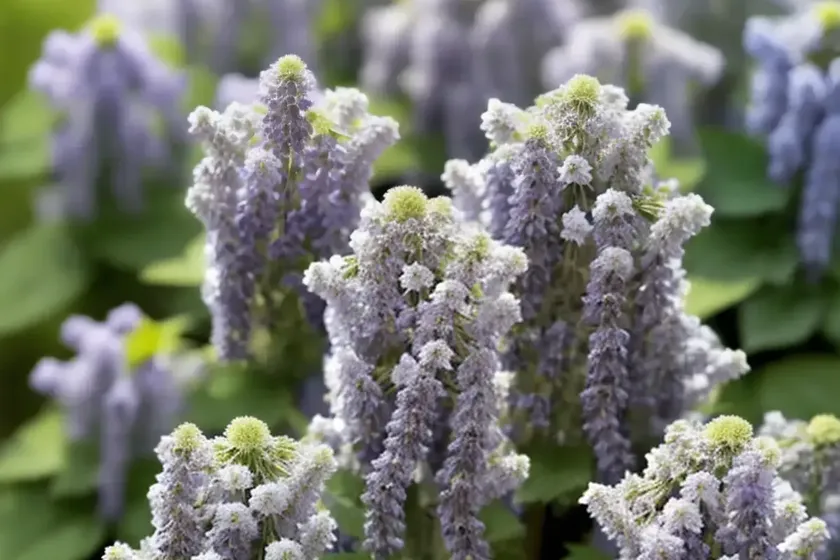
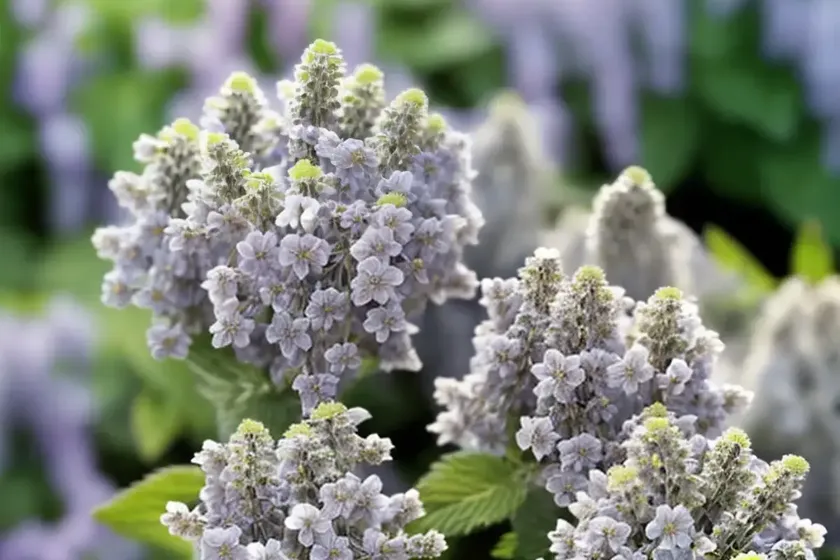
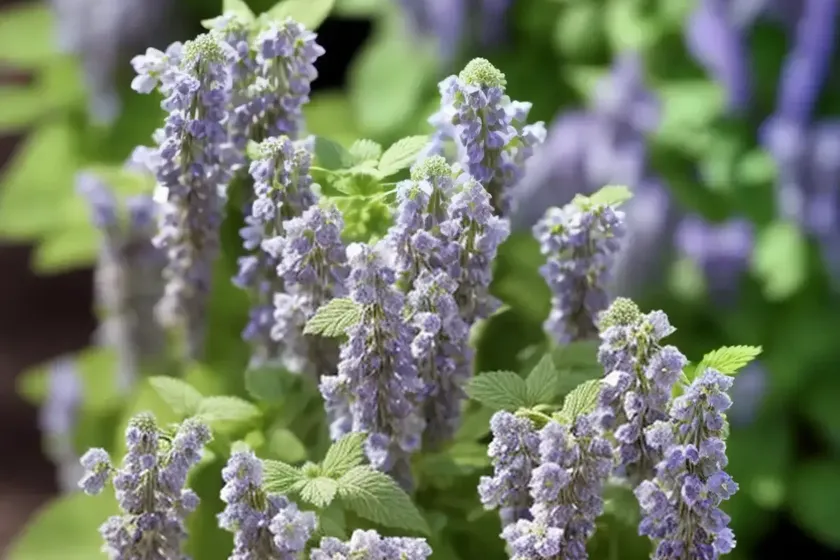
Nepeta grandiflora ‘Bramdean’ is a stunning perennial plant that belongs to the mint family, Lamiaceae. This plant is characterized by its vibrant blue flowers and aromatic foliage, making it a popular choice for gardeners seeking to add color and fragrance to their outdoor spaces.
As we embark on this journey of discovery, we will address the following elements related to Nepeta grandiflora ‘Bramdean’:
- Characteristics
- Cultivation Tips
- Common Uses
- Maintenance and Care
- Propagation
- Container Gardening
- Popularity and Significance
- Diseases and Pests
- Botanist’s Tips
- Fun Facts
Let’s begin our exploration of Nepeta grandiflora ‘Bramdean’ and uncover the secrets of this captivating plant.
Characteristics of Nepeta grandiflora ‘Bramdean’
Nepeta grandiflora ‘Bramdean’ is renowned for its distinct characteristics, which contribute to its appeal as a garden favorite. Here are some key attributes that define this delightful plant:
Appearance
- Flowers: The plant produces beautiful, small, trumpet-shaped flowers that are a striking shade of blue, lending a captivating charm to any garden or landscape.
- Foliage: The aromatic, gray-green leaves of Nepeta grandiflora ‘Bramdean’ add texture and visual interest to the plant. The foliage is known for its pleasant fragrance, which can be reminiscent of mint.
Growth Habit
- Size: This perennial plant typically reaches a height of 12 to 15 inches, with a spread of 18 to 24 inches. Its compact growth habit makes it an excellent choice for borders, edging, and container gardening.
- Form: Nepeta grandiflora ‘Bramdean’ exhibits a neat, mounding growth habit, creating a tidy and attractive appearance in garden settings.
Environmental Adaptability
- Hardiness: This plant is known for its resilience, thriving in USDA hardiness zones 4 to 7. It can withstand moderately cold temperatures, making it suitable for various climate conditions.
- Drought Tolerance: Nepeta grandiflora ‘Bramdean’ demonstrates remarkable tolerance to dry conditions, making it an ideal choice for water-wise gardening and landscapes.
Cultivation Tips for Catmint ‘Bramdean’
Successful cultivation of Nepeta grandiflora ‘Bramdean’ hinges on understanding its preferred growing conditions and providing appropriate care. Let’s explore the essential factors to consider when cultivating this alluring plant:
Water
- Watering Frequency: While Nepeta grandiflora ‘Bramdean’ is fairly drought-tolerant once established, consistent moisture is beneficial, particularly during periods of active growth. Water the plant when the soil begins to dry out, aiming for moderate soil moisture levels.
- Drainage: Ensure that the planting site offers good drainage to prevent waterlogging, which can be detrimental to the roots of the plant.
Sunlight
- Sun Exposure: Catmint ‘Bramdean’ thrives in full sunlight, basking in at least six hours of direct sun daily. Exposure to ample sunlight promotes robust growth and enhances the development of its vibrant flowers and foliage.
Soil
- Soil Type: Well-drained, loamy soil is preferred for Nepeta grandiflora ‘Bramdean’. Amending heavy or compacted soil with organic matter can improve drainage and create an optimal growing environment for the plant.
- pH Level: The plant generally thrives in slightly alkaline to neutral soil, with a pH range of 6.7 to 7.3. Conducting a soil test can provide valuable insights into the pH of the planting site, allowing for necessary adjustments.
Fertilizer
- Fertilization Schedule: Prior to the growing season, apply a balanced, slow-release fertilizer to provide essential nutrients for the plant’s development. Avoid excessive application of nitrogen-rich fertilizers, as this can lead to excessive vegetative growth at the expense of flowering.
Pruning
- Trimming Spent Blooms: Regular deadheading of faded flowers can encourage prolonged blooming and maintain the plant’s tidy appearance. Using sharp, clean pruners, remove spent blooms at the base of the stem to promote new flower production.
- Cutting Back: In late spring or early summer, a light shearing of the plant can stimulate fresh growth and promote a compact, bushy form. Additionally, periodic grooming can help manage the plant’s size and shape.
Common Uses of Nepeta grandiflora ‘Bramdean’
The versatility of Catmint ‘Bramdean’ extends beyond its ornamental value, as it serves various practical and aesthetic purposes within landscapes and gardens. Here are some common uses for this beloved plant:
- Borders and Edging: The compact growth habit of Nepeta grandiflora ‘Bramdean’ makes it an excellent choice for defining borders, edging pathways, and framing garden beds. Its tidy form and charming flowers can create captivating borders in a variety of garden styles.
- Pollinator Gardens: The attractive blooms of Catmint ‘Bramdean’ act as a magnet for pollinators, including butterflies and bees. Incorporating this plant into pollinator-friendly gardens contributes to the health and diversity of local ecosystems.
Medicinal and Aromatic Qualities
- Herbal Uses: Catmint is esteemed for its medicinal properties and is commonly used in herbal remedies and teas. The leaves of Nepeta grandiflora ‘Bramdean’ are prized for their calming effects, making them a valuable addition to medicinal herb gardens.
Maintenance and Care for Nepeta grandiflora ‘Bramdean’
Ensuring the continued health and vitality of Catmint ‘Bramdean’ involves diligent care and attention to its needs. Consider the following guidelines for maintaining this perennial plant:
Propagation
- Division: Propagating Nepeta grandiflora ‘Bramdean’ through division is an effective method for creating new plants. In early spring or fall, carefully divide mature clumps, ensuring that each division possesses healthy roots and foliage for successful establishment.
- Rooting Cuttings: Stem cuttings can be taken from the plant in spring or early summer for propagation. Choose non-flowering shoots and root them in a well-draining growing medium to produce new plants.
Container Gardening
- Container Selection: When cultivating Catmint ‘Bramdean’ in containers, opt for well-drained pots or planters to prevent water accumulation. Select a container that accommodates the plant’s root system while allowing for adequate airflow.
- Soil and Watering: Utilize a high-quality, well-draining potting mix, and water the plant as needed to maintain optimal soil moisture. Regularly monitor soil moisture levels, particularly during hot and dry periods.
Popularity and Significance of Nepeta grandiflora ‘Bramdean’
Catmint ‘Bramdean’ has garnered widespread popularity and garnered significance for its remarkable attributes and contributions to the horticultural world. Let’s explore its significance and the reasons behind its enduring appeal:
- Landscape Versatility: The adaptability of Nepeta grandiflora ‘Bramdean’ to various growing conditions and its ornamental appeal render it a versatile and sought-after plant for landscaping projects.
- Butterfly and Bee Magnet: The plant’s ability to attract and nourish pollinators adds an ecological dimension to its popularity, as it fosters biodiversity and supports the vital role of pollinators in ecosystems.
Common Diseases and Pest Management for Catmint ‘Bramdean’
Despite its resilience, Catmint ‘Bramdean’ may encounter certain diseases and pest issues. Understanding potential challenges and implementing effective management strategies is essential for preserving the plant’s health:
Disease Diagnosis
- Powdery Mildew: Nepeta grandiflora ‘Bramdean’ is susceptible to powdery mildew, a fungal disease characterized by the presence of white, powdery growth on the foliage. Provide ample air circulation and avoid overhead watering to minimize the risk of powdery mildew.
- Root Rot: Prolonged periods of waterlogged soil can lead to root rot in the plant. Preventative measures, such as ensuring well-drained soil and avoiding overwatering, are crucial for mitigating this issue.
Common Pests
- Aphids: These soft-bodied insects may infest Nepeta grandiflora ‘Bramdean’, feeding on its succulent tissue and excreting a sticky substance known as honeydew. Control aphid populations by using insecticidal soap or introducing natural predators, such as ladybugs, to the garden.
- Spider Mites: These tiny pests can cause stippling and webbing on the foliage of the plant. Regularly inspect the undersides of leaves for signs of spider mite activity and employ horticultural oils to manage infestations.
Botanist’s Tips for Growing Nepeta grandiflora ‘Bramdean’
Drawing from my expertise as a plant scientist and enthusiast, I offer the following tips to maximize the success of cultivating Catmint ‘Bramdean’:
- Accentuate Landscapes: Incorporate Nepeta grandiflora ‘Bramdean’ into landscapes and gardens to enhance visual appeal while promoting biodiversity through its support of pollinators.
- Companion Planting: Pair Catmint ‘Bramdean’ with compatible companion plants to create captivating and harmonious garden arrangements. Consider plants that share similar cultural requirements and complement the aesthetic characteristics of Nepeta grandiflora ‘Bramdean’.
Fun Facts about Nepeta grandiflora ‘Bramdean’
Uncover the intriguing and delightful aspects of Catmint ‘Bramdean’ with these fun facts:
- Cat-Friendly: Catmint is renowned for its allure to felines, with many cats exhibiting an affinity for the plant. The nepetalactone compound found in the foliage can induce a euphoric response in some cats, making it a preferred enrichment plant for pet owners.
- Globally Admired: Nepeta grandiflora ‘Bramdean’ has captured the interest of gardeners and horticultural enthusiasts around the world, earning recognition for its beauty, resilience, and diverse applications.
Links to External Resources
For additional information on Nepeta grandiflora ‘Bramdean’ and related topics, explore the following external resources:
- Royal Horticultural Society – Nepeta grandiflora ‘Bramdean’
- Missouri Botanical Garden – Growing Catmint
- University of Vermont Extension – Catmint Production Guide
Conclusion
In concluding our exploration of Nepeta grandiflora ‘Bramdean’ (Catmint), we have uncovered the extraordinary characteristics, cultivation tips, common uses, and maintenance guidelines for this captivating plant. From its enchanting blue flowers and aromatic foliage to its appeal to pollinators and practical applications, Catmint ‘Bramdean’ has proven to be a valuable and cherished addition to gardens and landscapes. As a plant scientist, I am continually inspired by the inherent beauty and ecological significance of plants like Nepeta grandiflora ‘Bramdean’, and I trust that this comprehensive guide has provided valuable insights for gardeners, horticultural enthusiasts, and nature lovers alike.
May the allure of Catmint ‘Bramdean’ continue to captivate and enrich our natural surroundings, contributing to the flourishing tapestry of plant life in gardens and beyond. Happy gardening and may your landscapes abound with the vibrance of Nepeta grandiflora ‘Bramdean’!
Disclaimer: The content provided in this guide is for informational purposes only and does not serve as a substitute for professional advice. Always consult with a qualified horticulturist or plant expert for specific guidance related to growing and caring for plants.
This work is licensed under a Creative Commons Attribution 4.0 International License.


