Narcissus ‘Falconet’ (Tazetta Daffodil) – A Complete Plant Guide
Narcissus ‘Falconet’, commonly known as Tazetta Daffodil, is a beautiful flowering plant that belongs to the Amaryllidaceae family. This species is popular for its ornamental value and is extensively cultivated in gardens and landscapes. In this comprehensive guide, we will delve into the various aspects of cultivating and caring for Narcissus ‘Falconet’, including its characteristics, growth conditions, maintenance practices, and much more.
- Table of Contents
- Introduction to Narcissus ‘Falconet’
- Key Takeaways
- Cultivation and Growing Conditions
- Maintenance and Care
- Disease and Pest Control
- Interesting Facts and Folklore
- Conclusion
- References
Introduction to Narcissus ‘Falconet’
Narcissus ‘Falconet’ Characteristics
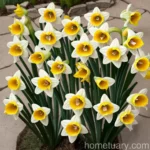
Narcissus ‘Falconet’ is a perennial plant that produces clusters of small, fragrant flowers. The blooms are characterized by their white petals and a striking yellow cup at the center. This variety typically reaches a height of 12-18 inches and is known for its delicate appearance and sweet fragrance. The flowers emerge in early spring, adding a touch of elegance to the garden landscape.
Tazetta Daffodil Varieties
Within the Tazetta Daffodil category, Narcissus ‘Falconet’ is one of the most popular varieties, appreciated for its charming blooms and ease of cultivation. Other Tazetta Daffodil varieties include ‘Geranium’, ‘Avalanche’, and ‘Trevithian’, each with its unique characteristics and appeal.
Key Takeaways – Narcissus ‘Falconet’ (Tazetta Daffodil)
Narcissus ‘Falconet’ serves as a captivating addition to any garden or landscape, offering the following key takeaways:
- Delicate, fragrant flowers
- Early spring blooming
- Easy to cultivate and maintain
- Ideal for landscape and container gardening
- Charming white petals with yellow cups
Now, let’s explore the essential factors for successfully cultivating and caring for Narcissus ‘Falconet’.
Cultivation and Growing Conditions
Planting Guide for Tazetta Daffodils
When considering planting Tazetta Daffodils, including Narcissus ‘Falconet’, it’s crucial to choose a location with well-drained soil and exposure to partial to full sunlight. These daffodils thrive in fertile, moist soil, and it’s recommended to plant the bulbs at a depth of 4-6 inches, spaced approximately 4-6 inches apart. The planting period typically falls in the fall season, allowing the bulbs to establish themselves before the onset of spring.
Growing Conditions
Narcissus ‘Falconet’ requires moderate watering during its growth and blooming phases. While the bulbs are relatively tolerant of varying moisture levels, it’s essential to avoid waterlogging, which can lead to bulb rot. This variety flourishes in sunlight, making it ideal for gardens and outdoor spaces with ample natural light.
Soil Preferences
The ideal soil for Tazetta Daffodils, including Narcissus ‘Falconet’, is well-drained and rich in organic matter. A slightly acidic to neutral pH range is preferred, ensuring optimal nutrient absorption for the bulbs and promoting healthy growth.
Maintenance and Care
Fertilization Schedule
To support the growth and blooming of Narcissus ‘Falconet’, a balanced fertilizer with a higher phosphorus content is recommended. Applying the fertilizer in early spring, as the shoots emerge, can help promote robust flower development and overall plant vigor.
Pruning Instructions
After the blooming period, it’s crucial to deadhead the spent flowers to redirect the plant’s energy back into the bulbs. This practice encourages the accumulation of nutrients for the following year’s blooms. Additionally, allowing the foliage to wither and yellow naturally before removing it helps in the replenishment of the bulb’s reserves.
Propagation Methods
One of the primary methods for propagating Narcissus ‘Falconet’ is through bulb division. As the plant matures, the bulbs develop offsets that can be carefully separated and replanted in suitable locations. This process enables the expansion of the daffodil population and the rejuvenation of the planting area.
Disease and Pest Control
Disease Prevention
Proper sanitation and care practices, including the removal of dead and decaying plant material, contribute to the prevention of diseases such as botrytis and basal rot. Ensuring adequate air circulation around the plants and avoiding excessive moisture can also deter the onset of fungal infections.
Pest Control Strategies
While Tazetta Daffodils are generally resistant to many pests, they can be susceptible to attacks by pests such as aphids and thrips. Regular inspection of the plants and the application of insecticidal soap or neem oil can help control pest infestations and maintain the plant’s health.
Interesting Facts and Folklore
Mythological References
The genus name “Narcissus” has roots in Greek mythology and is associated with the story of a beautiful youth named Narcissus. According to the myth, Narcissus fell in love with his own reflection in a pool of water and eventually transformed into the flower that bears his name. This mythological connection adds depth to the cultural significance of Narcissus ‘Falconet’ and other varieties within the genus.
Fragrant Garden Options
Due to the delightful fragrance of its blooms, Narcissus ‘Falconet’ is an excellent choice for creating fragrant garden spaces. When combined with other fragrant plants such as lavender, jasmine, and rosemary, it contributes to the establishment of aromatic and visually appealing garden landscapes.
Conclusion
In conclusion, the cultivation and care of Narcissus ‘Falconet’ (Tazetta Daffodil) present an enjoyable and rewarding experience for gardeners and plant enthusiasts. From its early spring blooms to its low-maintenance requirements, this variety continues to captivate individuals with its charm and elegance. By understanding its growth conditions, maintenance practices, and historical significance, one can truly appreciate the beauty and resilience of this classic garden favorite.
Whether used in traditional garden beds, container plantings, or mixed borders, Narcissus ‘Falconet’ holds its place as a timeless and beloved addition to diverse landscapes. Its rich folklore, captivating fragrance, and ornamental value make it a standout choice for both experienced gardeners and beginners alike.