Narcissus Bulbocodium ‘Golden Bells’ (Hoop Petticoat Daffodil)
Narcissus bulbocodium ‘Golden Bells,’ commonly known as the Hoop Petticoat Daffodil, is a charming and graceful flowering plant that belongs to the Amaryllidaceae family. This perennial bulbous plant is widely admired for its delicate, golden-yellow flowers and is a favorite among gardeners for its ease of cultivation and low maintenance. In this comprehensive guide, we will explore the various aspects of this mesmerizing plant, including its cultural requirements, uses, care tips, and potential issues that may affect its health and vitality.

Key Takeaways
Narcissus bulbocodium ‘Golden Bells’ or Hoop Petticoat Daffodil is a popular ornamental plant known for its stunning golden-yellow flowers and simple maintenance requirements. Its key attributes and features can be summarized as follows:
- Botanical Name: Narcissus bulbocodium ‘Golden Bells’
- Common Name: Hoop Petticoat Daffodil
- Family: Amaryllidaceae
- Flower Color: Golden-yellow
- Ease of Cultivation: Low maintenance and easy to grow
- Flowering Season: Spring
- Uses: Ornamental, landscaping, cut flowers
What is Narcissus bulbocodium ‘Golden Bells’?
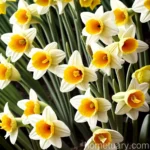
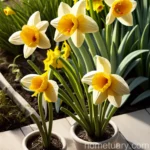
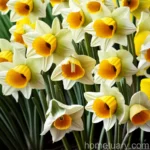
Narcissus bulbocodium ‘Golden Bells’ is a delightful botanical specimen that adds a touch of elegance to gardens, landscapes, and naturalized settings. This daffodil variety features clusters of small, bell-shaped blooms that sit atop thin, wiry stems, creating a visually striking display. The plant’s slender foliage and diminutive size contribute to its air of delicacy and charm, making it a sought-after addition to both formal and informal garden designs.
This dainty daffodil is a cultivar of the Narcissus bulbocodium species, which is known for its unique, hoop-shaped flower petals. The captivating ‘Golden Bells’ variety embodies the essence of spring and heralds the arrival of the season with its radiant and cheerful blossoms. With its bright and uplifting coloration, it serves as a beacon of hope and renewal, bringing joy to any environment in which it thrives.
Culture of Narcissus bulbocodium ‘Golden Bells’
Cultivating Narcissus bulbocodium ‘Golden Bells’ is a rewarding and straightforward endeavor, as this resilient plant is well-suited to a variety of growing conditions. Whether cultivated in traditional garden beds, naturalized settings, or containers, this little daffodil can thrive and enchant with its vibrant floral display. To ensure the successful cultivation of Narcissus bulbocodium ‘Golden Bells,’ it is essential to consider the following key factors:
- Water: Well-drained soil; avoid waterlogged conditions
- Sunlight: Full to partial sun; prefers bright, indirect light
- Soil: Rich and loamy; good drainage is crucial
- Fertilizer: Balanced, slow-release fertilizer in spring
- Pruning: Remove spent flowers and yellowing foliage
- Propagation: Division of bulbs after flowering
- Container: Suitable for container gardening
- Uses: Ornamental, landscaping, and cut flowers
In the following sections, we will delve into each of these aspects in greater detail, providing valuable insights and practical tips for the successful cultivation and maintenance of Narcissus bulbocodium ‘Golden Bells.’
Uses
Ornamental Value
Narcissus bulbocodium ‘Golden Bells’ is primarily employed for its ornamental value, gracing gardens, borders, and naturalized landscapes with its exquisite blooms. Whether planted as a standalone specimen or integrated into mixed bulb displays, this daffodil variety has the power to uplift and enchant with its charming presence. Its petite size and gentle appearance make it a versatile addition to various garden settings, allowing it to be cultivated in large groups, drifts, or even in rock gardens for a captivating effect.
Cut Flowers
The captivating flowers of Narcissus bulbocodium ‘Golden Bells’ also lend themselves beautifully to floral arrangements, adding a touch of natural elegance to indoor spaces. The bright and cheerful coloration of the blooms, coupled with their appealing shape and delicate fragrance, makes them an excellent choice for creating stunning bouquets that celebrate the beauty of spring. Whether used alone or combined with other spring blossoms, the dainty flowers of ‘Golden Bells’ bring a sense of joy and freshness to floral compositions.
Water
Proper watering is crucial for the health and vitality of Narcissus bulbocodium ‘Golden Bells.’ While these daffodils are relatively low-maintenance once established, they require consistent moisture during their active growing period to support their foliage development and flowering. However, it is equally important to ensure that the soil provides good drainage to prevent waterlogging, which can be detrimental to the bulbs’ health.
Guidelines for Watering Narcissus Bulbocodium ‘Golden Bells’
- Established Plants: Water thoroughly when the soil becomes dry, providing enough moisture to penetrate the root zone.
- Spring Growth: Maintain consistent moisture during the active growing season, especially when the plants are in bud and bloom.
- Avoid Waterlogging: Ensure that the planting site has adequate drainage to prevent water accumulation around the bulbs.
By following these watering guidelines, gardeners can support the healthy development and abundant flowering of Narcissus bulbocodium ‘Golden Bells,’ ensuring a spectacular display of golden-yellow blooms in the spring.
Sunlight
Narcissus bulbocodium ‘Golden Bells’ thrives in bright, sunny locations, where it can receive ample sunlight to fuel its growth and floral production. While these daffodils appreciate full sun conditions, they can also adapt to partial shade, making them suitable for a range of garden environments. By providing the appropriate sunlight exposure, gardeners can encourage robust growth and prolific flowering in ‘Golden Bells’ daffodils.
Sunlight Recommendations for Narcissus Bulbocodium ‘Golden Bells’
- Full Sun: Ideally, provide at least 6-8 hours of direct sunlight per day for optimal growth and flowering.
- Partial Shade: If full sun exposure is not feasible, ensure that the plants receive bright, indirect light for a portion of the day.
- Indoor Cultivation: When grown indoors or in containers, place the daffodils near a sunny window or in a well-lit room to promote healthy growth.
By selecting suitable planting locations and adjusting the light exposure as needed, gardeners can create favorable conditions for Narcissus bulbocodium ‘Golden Bells’ to flourish and grace the landscape with their radiant blooms.
Fertilizer
Proper fertilization is essential for supporting the growth, vigor, and flowering capacity of Narcissus bulbocodium ‘Golden Bells.’ By providing the bulbs with essential nutrients at the right time, gardeners can encourage robust foliage development and bountiful blooming, ensuring a stunning display of golden-yellow flowers in the spring.
Fertilizer Recommendations for Narcissus Bulbocodium ‘Golden Bells’
- Application Time: Apply a balanced, slow-release fertilizer in early spring, just as the daffodil foliage begins to emerge.
- Fertilizer Type: Select a fertilizer specifically formulated for bulbs or flowering plants, ensuring a balanced blend of essential nutrients.
- Application Method: Sprinkle the fertilizer evenly over the soil surface, following the manufacturer’s recommended application rates.
- Watering After Fertilization: Water the planting area thoroughly after applying the fertilizer to help the nutrients penetrate the soil and reach the root zone.
By incorporating a suitable fertilizer regimen into the care routine for Narcissus bulbocodium ‘Golden Bells,’ gardeners can promote vigorous growth and abundant flowering, enhancing the visual impact of these delightful daffodils in the garden.
Soil
The selection of the right soil type and quality is critical for the successful cultivation of Narcissus bulbocodium ‘Golden Bells.’ These daffodils thrive in well-drained, fertile soils that provide the ideal growing environment for their bulbs and roots. By understanding the soil preferences of ‘Golden Bells’ daffodils, gardeners can create an optimal foundation for healthy growth and vibrant blooming.
Soil Requirements for Narcissus Bulbocodium ‘Golden Bells’
- Well-Drained Soil: Choose a planting site with well-drained soil to prevent waterlogging, which can lead to bulb rot and other issues.
- Fertile and Loamy: Select soils with good fertility and a loamy texture, as these qualities provide the necessary nutrients and structure for healthy root development.
- Topdressing with Organic Matter: Periodically enrich the soil with organic matter, such as compost or well-rotted manure, to improve its fertility and texture.
By ensuring that the planting site meets the soil requirements of Narcissus bulbocodium ‘Golden Bells,’ gardeners can establish an optimal growing environment that supports the plants’ overall health and vitality, resulting in a profusion of charming golden-yellow blooms each spring.
Pruning
Pruning plays a crucial role in maintaining the appearance and health of Narcissus bulbocodium ‘Golden Bells,’ allowing gardeners to remove spent flowers, withered foliage, and other plant debris that can detract from the beauty of the daffodils. Proper pruning practices not only enhance the aesthetic appeal of the plants but also contribute to their long-term vitality and vigor.
Pruning Guidelines for Narcissus Bulbocodium ‘Golden Bells’
- Deadheading: Remove faded flowers promptly to prevent seed formation and promote energy allocation to the bulbs for future growth.
- Foliage Maintenance: Trim yellowing or withered foliage once it has completely died back, allowing the bulbs to redirect their resources for the next growing season.
By adhering to these pruning guidelines, gardeners can maintain tidy and attractive displays of Narcissus bulbocodium ‘Golden Bells,’ while also supporting the plants’ ongoing health and resilience.
Propagation
The propagation of Narcissus bulbocodium ‘Golden Bells’ offers an opportunity to expand the plant’s presence in the garden or share its beauty with fellow gardening enthusiasts. By employing suitable methods for bulb division and multiplication, gardeners can propagate ‘Golden Bells’ daffodils with confidence, ensuring the continuation of their charming presence in the landscape.
Propagation Methods for Narcissus Bulbocodium ‘Golden Bells’
- Bulb Division: After the flowering period, carefully dig up the clumps of bulbs and separate the offsets or daughter bulbs from the parent bulbs. Replant the divisions in suitable locations with well-prepared soil.
- Offshoot Bulblets: Some varieties of Narcissus bulbocodium produce small bulblets or offshoots around the main bulb. These can be carefully detached and planted individually to propagate new plants.
By practicing these propagation methods, gardeners can multiply their stock of Narcissus bulbocodium ‘Golden Bells,’ expanding the floral display and sharing the beauty of these charming daffodils with others.
Container Popularity
Narcissus bulbocodium ‘Golden Bells’ is well-suited for container gardening, offering an enchanting option for decorating outdoor spaces, patios, and balconies with its delightful blooms. The petite size and graceful appearance of ‘Golden Bells’ daffodils make them an ideal choice for container plantings and provide flexibility in creating captivating displays in limited spaces.
Benefits of Container Cultivation for Narcissus Bulbocodium ‘Golden Bells’
- Space Efficiency: Suitable for small gardens, urban settings, and compact outdoor areas where traditional planting beds may be limited.
- Portability: Containers can be moved to different locations to accommodate varying light or aesthetic preferences, allowing for versatile garden designs.
- Decorative Displays: Enhance outdoor living spaces with charming floral arrangements and vibrant accents, bringing the beauty of spring to patios, decks, and other areas.
By cultivating Narcissus bulbocodium ‘Golden Bells’ in containers, gardeners can enjoy the beauty of these dainty daffodils in a range of outdoor settings, creating captivating displays that celebrate the arrival of spring.
Common Diseases
Despite their resilience, Narcissus bulbocodium ‘Golden Bells’ may be susceptible to certain diseases and health issues that can impact their growth and overall well-being. By understanding these common ailments and their potential effects, gardeners can take proactive measures to prevent, identify, and address any signs of disease, preserving the health and beauty of the daffodils.
Common Diseases of Narcissus Bulbocodium ‘Golden Bells’
- Narcissus Bulb Rot: Excessive moisture or poor drainage can lead to the development of bulb rot, causing softening and decay of the bulbs. Affected plants may exhibit wilting, yellowing, or distorted foliage, and eventually fail to produce flowers.
- Fungal Leaf Spots: Several fungal pathogens can cause unsightly spots or lesions on the foliage of ‘Golden Bells’ daffodils, affecting their overall appearance and potentially impeding photosynthesis.
- Basal Rot: This disease manifests as a dark, sunken lesion at the base of the bulb, gradually spreading and causing a decline in the overall health of the plant.
By recognizing the symptoms and characteristics of these common diseases, gardeners can take proactive measures to preserve the health and vitality of Narcissus bulbocodium ‘Golden Bells,’ ensuring that the plants continue to thrive and grace the garden with their cheerful blooms.
Disease Diagnosis
Diagnosing and addressing diseases affecting Narcissus bulbocodium ‘Golden Bells’ is essential for maintaining the plants’ long-term health and vitality. By closely observing the symptoms and signs of disease, gardeners can take the necessary steps to identify and treat any issues that may arise, safeguarding the beauty and vigor of their daffodils.
Steps for Disease Diagnosis in Narcissus Bulbocodium ‘Golden Bells’
- Symptom Assessment: Observe the plants for any unusual discoloration, spots, wilting, or other signs of distress that may indicate a potential disease.
- Environmental Conditions: Consider factors such as moisture levels, soil quality, and light exposure that may contribute to disease development.
- Professional Consultation: Seek advice from local garden centers, horticulturists, or extension services to obtain accurate diagnosis and treatment recommendations.
By following these steps and remaining vigilant in monitoring the health of Narcissus bulbocodium ‘Golden Bells,’ gardeners can proactively address any issues that may arise, ensuring the continued vibrancy and beauty of their cherished daffodils.
Common Pests
Narcissus bulbocodium ‘Golden Bells’ may also face pest-related challenges that can affect their growth and flowering capacity. By recognizing the signs of common pests and understanding their impact on the plants, gardeners can implement targeted pest management strategies to mitigate potential damage and preserve the health of their daffodils.
Common Pests Affecting Narcissus Bulbocodium ‘Golden Bells’
- Narcissus Bulb Fly: The larvae of this pest feed on the bulbs of narcissus plants, potentially causing damage and affecting the plants’ ability to produce flowers.
- Slugs and Snails: These voracious pests may target the foliage and flowers of ‘Golden Bells’ daffodils, causing unsightly damage and impacting the plants’ overall appearance.
- Aphids: These small, sap-feeding insects can infest the foliage and tender stems of daffodils, potentially leading to distorted growth and weakened plant vigor.
By remaining vigilant and implementing appropriate pest control measures, gardeners can minimize the impact of these common pests and protect the health and beauty of Narcissus bulbocodium ‘Golden Bells,’ ensuring that the daffodils continue to thrive and inspire with their radiant blooms.
Botanist’s Tips
Here are some valuable tips and recommendations from botanists and horticultural experts to enhance the success and enjoyment of cultivating Narcissus bulbocodium ‘Golden Bells’:
- Start with Quality Bulbs: When purchasing bulbs for planting, select firm, healthy specimens from reputable sources, ensuring the best possible start for your daffodils.
- Mind the Planting Depth: Plant the bulbs at the appropriate depth to encourage healthy root development and robust flowering. Generally, aim for a planting depth approximately three times the bulb’s height.
- Consider Companion Planting: Pair Narcissus bulbocodium ‘Golden Bells’ with compatible companion plants, such as early-blooming perennials or ground covers, to create visually appealing and harmonious garden displays.
- Mulch for Moisture Conservation: Apply a layer of organic mulch around the base of the daffodils to help conserve soil moisture, suppress weeds, and maintain a consistent soil temperature.
- Monitor Environmental Conditions: Regularly assess the moisture levels, sunlight exposure, and overall growing conditions of ‘Golden Bells’ daffodils, making adjustments as needed to support their well-being.
By incorporating these expert tips into their cultivation practices, gardeners can optimize the growth and flowering potential of Narcissus bulbocodium ‘Golden Bells,’ ensuring a delightful and rewarding gardening experience.
Fun Facts
Discover some fascinating and intriguing facts about Narcissus bulbocodium ‘Golden Bells’ that showcase the unique charm and appeal of this beloved daffodil variety:
- Mythological Roots: The genus name “Narcissus” is derived from Greek mythology, referencing the beautiful youth Narcissus, who was said to have been transformed into a flower bearing his name.
- Symbolism: Daffodils, including ‘Golden Bells,’ are often associated with themes of new beginnings, renewal, and the arrival of spring, making them popular symbols in various cultures and traditions.
- Botanical Diversity: The Narcissus genus encompasses a diverse array of species and cultivars, showcasing an impressive range of flower shapes, colors, and sizes, including the distinctive hoop petticoat form of Narcissus bulbocodium.
Explore the captivating world of Narcissus bulbocodium ‘Golden Bells,’ uncovering its rich symbolism, cultural significance, and enduring appeal as a cherished garden favorite.
Links to External Resources
For further information and resources on Narcissus bulbocodium ‘Golden Bells,’ including care guides, cultivation tips, and inspirational ideas, consider exploring the following external links:
- Royal Horticultural Society: Narcissus bulbocodium ‘Golden Bells’
- American Daffodil Society: Growing Daffodils
- University of Vermont Extension: Daffodils and Other Spring Bulbs
These external resources offer valuable insights, expert guidance, and inspiration for cultivating and appreciating the beauty of Narcissus bulbocodium ‘Golden Bells’ in diverse garden settings.
Conclusion
In the realm of ornamental bulbous plants, Narcissus bulbocodium ‘Golden Bells’ stands out as a captivating and