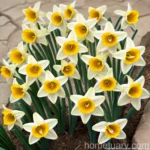
Narcissus Obvallaris (Tenby Daffodil): A Complete Guide
The Narcissus obvallaris, commonly known as the Tenby Daffodil, is a charming and delicate flowering plant that belongs to the Amaryllidaceae family. This perennial bulbous plant is native to the British Isles, particularly Wales, and is known for its subtle and elegant appearance. In this comprehensive guide, we will delve into all aspects of caring for and cultivating the Tenby Daffodil, including its cultural significance, uses, propagation methods, maintenance tips, and much more.
As a plant scientist specializing in botany and horticulture, I have had the privilege of studying and working with a diverse range of plant species, and the Narcissus obvallaris holds a special place due to its unique characteristics and historical importance.
What is Narcissus obvallaris (Tenby Daffodil)?
Narcissus obvallaris is a species of daffodil that is native to Wales, particularly in the region surrounding the town of Tenby, from which it derives its common name. This dainty daffodil is characterized by its small, pale yellow, trumpet-shaped flowers that bloom in early spring, typically during March and April. The Tenby Daffodil is a quintessential spring-flowering plant and is cherished for its delicate beauty and subtle fragrance.
Key Takeaways – Narcissus obvallaris (Tenby Daffodil)
Before delving into the specific aspects of caring for the Tenby Daffodil, let’s take a moment to summarize the key takeaways about this captivating plant:
- Botanical Name: Narcissus obvallaris
- Common Name: Tenby Daffodil
- Family: Amaryllidaceae
- Native Habitat: British Isles, particularly Wales
- Flowering Season: Early spring (March – April)
- Flower Characteristics: Small, pale yellow, trumpet-shaped
Now that we have a brief overview of the Tenby Daffodil, let’s explore the various facets of its care and cultivation.
Culture: Understanding the Tenby Daffodil
Cultivating the Narcissus obvallaris requires a nuanced understanding of its cultural requirements, including aspects such as water, sunlight, soil, and fertilizer. Let’s delve into each of these factors to ensure that we provide the optimal conditions for the healthy growth and blooming of the Tenby Daffodil.
Uses
The Tenby Daffodil is primarily cultivated for ornamental purposes, adding a touch of elegance and cheer to gardens, parks, and landscapes. Its subtle fragrance and delicate appearance make it a popular choice for spring flower arrangements and bouquets. Additionally, the Tenby Daffodil holds cultural and historical significance due to its association with the town of Tenby and the folklore surrounding daffodils in Welsh tradition.
Water
When it comes to watering the Narcissus obvallaris, it is essential to maintain a balanced approach, especially during its active growth and blooming phases. The bulb and the foliage require adequate moisture without being waterlogged. As a general guideline, ensure that the soil remains consistently moist but not excessively wet, especially during the spring when the plant is in bloom.
Sunlight
As a spring-flowering plant, the Tenby Daffodil thrives in locations that receive ample sunlight. It is advisable to plant them in areas that receive full to partial sunlight, ensuring that they receive at least 6 hours of direct sunlight per day. Adequate sunlight is crucial for robust growth and prolific flowering.
Fertilizer
Proper fertilization is key to nurturing healthy and vibrant Tenby Daffodils. Before planting, incorporate a balanced, slow-release fertilizer into the soil to provide essential nutrients for the bulbs. Additionally, a light application of fertilizer during the growing season can support the plant’s development and flowering. Opt for a fertilizer with a higher ratio of phosphorus to facilitate the growth of strong roots and bountiful flowers.
Soil
The soil composition plays a pivotal role in the successful cultivation of Narcissus obvallaris. Well-draining soil with a slightly acidic to neutral pH (6.0-7.0) is ideal for these daffodils. Loamy or sandy loam soils with good drainage properties are well-suited for their growth. It is important to avoid waterlogged or overly compacted soils, as they can lead to issues such as rot and poor root development.
Pruning: The Art of Cultivating Tenby Daffodils
Pruning is an essential aspect of caring for Narcissus obvallaris, and when done correctly, it contributes to the overall health and vigor of the plant. Proper pruning practices also help maintain the aesthetic appeal of the daffodils and encourage their reflowering in subsequent seasons.
Pruning Guidelines
When it comes to pruning Tenby Daffodils, there are several key practices to keep in mind:
-
Deadheading: After the daffodil flowers have faded, it is important to deadhead them by removing the spent blooms. This prevents the plant from expending energy on seed production and encourages it to focus on storing energy in the bulb for the next season’s growth and flowering.
-
Foliage Maintenance: Allow the foliage to remain intact and continue photosynthesizing after the flowers have bloomed. It is crucial for the leaves to absorb sunlight and produce energy that will be stored in the bulb for the following year’s bloom. Refrain from cutting back or braiding the foliage until it turns yellow and begins to wither, indicating that the bulb is entering dormancy.
Proper pruning not only enhances the visual appeal of the Tenby Daffodils but also contributes to their long-term vitality and performance.
Propagation: Multiplying the Charm of Tenby Daffodils
Propagating Narcissus obvallaris allows enthusiasts and horticulturists to multiply the charm and allure of these delicate daffodils. There are several methods of propagation that can be employed to expand the presence of Tenby Daffodils in gardens and landscapes.
Propagation Methods
-
Division: The division of daffodil bulbs is a common and straightforward method of propagation. This process involves carefully separating the offshoot bulbs, known as bulbils, from the main bulb and replanting them in suitable locations. Division is typically carried out when the bulbs are dormant, either in late spring or early autumn.
-
Seed Propagation: Although it may take several years to reach maturity, growing Tenby Daffodils from seed is another viable method of propagation. This approach involves collecting mature seeds from the daffodil pods, planting them in a suitable growing medium, and providing the necessary conditions for germination and early growth.
By employing these propagation methods, gardeners and enthusiasts can expand their collection of Tenby Daffodils and share the beauty of these charming flowers with others.
Container Gardening: Embracing the Versatility of Narcissus obvallaris
While Tenby Daffodils are often associated with traditional garden beds and landscapes, they also thrive in container gardens, offering versatility and a delightful way to introduce their elegance in various settings.
Container Popularity
The appeal of cultivating Tenby Daffodils in containers lies in their adaptability to smaller spaces, such as balconies, patios, and courtyards. Their compact size and enchanting blooms make them well-suited for container gardening, allowing individuals to enjoy the beauty of these daffodils even in urban or limited outdoor environments.
Container Care Guidelines
When growing Narcissus obvallaris in containers, it is important to adhere to the following care guidelines:
-
Pot Selection: Choose well-draining pots or containers that are at least 6-8 inches in depth to accommodate the daffodil bulbs. Ensure that the containers have drainage holes to prevent waterlogging.
-
Soil Considerations: Use a high-quality, well-draining potting mix with a balanced composition that provides adequate aeration to the roots. Incorporate a slow-release fertilizer into the soil at the time of planting to support the initial growth of the daffodils.
-
Sunlight Requirements: Position the containers in locations that receive ample sunlight, ensuring that the daffodils receive at least 6 hours of direct sunlight per day.
By embracing container gardening, enthusiasts can bring the enchanting beauty of Tenby Daffodils to diverse settings, adding a touch of elegance and cheer to urban landscapes and smaller outdoor spaces.
Common Diseases and Pests: Safeguarding the Health of Tenby Daffodils
While the Tenby Daffodil is relatively resilient, they are susceptible to certain diseases and pests that can impact their growth and flowering. Recognizing the common issues and employing preventive measures is essential for maintaining the health and vitality of these charming daffodils.
Disease Diagnosis
The following are some of the common diseases that may affect Narcissus obvallaris:
-
Narcissus Bulb Scab: This fungal disease manifests as irregular patches of discoloration and decay on the daffodil bulbs. The affected areas may appear water-soaked and can lead to the rotting of the bulbs. Proper bulb hygiene and ensuring well-draining soil can help prevent this disease.
-
Yellow Stripe Virus: This viral disease causes yellow streaking and stunting of the plant, ultimately leading to a reduction in flowering and vigor. Implementing proper sanitation practices and promptly removing and disposing of infected plants can help prevent the spread of this virus.
Common Pests
Tenby Daffodils may also be susceptible to certain pests, including:
-
Narcissus Bulb Fly: The larvae of this fly feed on the daffodil bulbs, leading to damage and decay. Implementing physical barriers, such as fine mesh netting, can help prevent these pests from accessing the bulbs.
-
Narcissus Eelworm: These microscopic pests can affect the foliage and bulbs, causing discoloration and deformation. Employing proper rotation of planting sites and opting for disease-free bulbs can help mitigate the risk of eelworm infestations.
By staying vigilant and actively monitoring the health of Tenby Daffodils, gardeners can take proactive measures to prevent the onset of diseases and minimize the impact of potential pests.
Botanist’s Tips: Nurturing Narcissus
As a plant scientist and botanist, I have gathered valuable insights and tips for nurturing Narcissus obvallaris based on years of research and practical experience. These tips are designed to assist enthusiasts and gardeners in cultivating healthy and vibrant Tenby Daffodils.
Botanist’s Recommendations
-
Bulb Care: Opt for high-quality, disease-free bulbs when planting Tenby Daffodils to ensure the health and vitality of the plants. Inspect the bulbs for any signs of damage or disease before planting them in the soil or containers.
-
Naturalizing: Embrace the naturalizing tendencies of Narcissus obvallaris by allowing them to establish themselves in suitable areas of the garden. Once planted, they often multiply and form charming clusters, enhancing the visual appeal of the landscape.
-
Mulching: Apply a layer of organic mulch, such as well-rotted compost or bark chips, around the base of the daffodils to conserve moisture, suppress weeds, and provide a source of organic matter as it decomposes.
By incorporating these recommendations into their gardening practices, enthusiasts can cultivate flourishing Tenby Daffodils and showcase the elegance of these charming spring flowers.
Fun Facts: Unveiling the Intriguing Aspects of Tenby Daffodils
Exploring the fascinating and captivating attributes of the Tenby Daffodils reveals a treasure trove of fun facts that enrich our understanding and appreciation of these delightful plants.
Tenby Daffodil Trivia
-
Cultural Significance: The Tenby Daffodil holds cultural significance in Wales, where it is esteemed as a symbol of spring and renewal. It is intricately woven into Welsh traditions and is celebrated during the annual St. David’s Day festivities.
-
Myth and Legends: In Celtic folklore, daffodils are associated with themes of rebirth and new beginnings. The Tenby Daffodil’s arrival heralds the end of winter and the emergence of spring, symbolizing hope and optimism.
-
Fragrance: While the delicate flowers of Narcissus obvallaris are visually enchanting, they also emit a subtle, sweet fragrance, adding an olfactory dimension to their allure.
These fun facts offer a glimpse into the rich tapestry of history, folklore, and natural beauty embodied by the Tenby Daffodil, highlighting its multifaceted appeal as a beloved spring flower.
Links to External Resources
To further enrich your knowledge and exploration of Narcissus obvallaris, I have curated a selection of external resources that offer valuable insights into the cultivation, folklore, and natural history of the Tenby Daffodil:
- Royal Horticultural Society (RHS) – Narcissus Cultivation
- American Daffodil Society – Daffodil Classification
- Kew Royal Botanic Gardens – Narcissus Diversity and Distribution
- The Wildlife Trusts – Spring Flowers and Wildlife Gardens
- History of Tenby – Town’s Heritage and Cultural Significance
These resources offer a wealth of information on various aspects of Narcissus obvallaris, from its horticultural care to its historical and cultural significance, providing an opportunity for further exploration and learning.
As we conclude our comprehensive guide to Narcissus obvallaris, it is my hope that you have gained valuable insights into the enchanting world of the Tenby Daffodil. From its cultural significance and folklore to its propagation methods and care guidelines, the Tenby Daffodil embodies an enduring legacy of beauty and elegance that continues to captivate enthusiasts and horticulturists alike. As we celebrate the arrival of spring, let us embrace the charm of Narcissus obvallaris and revel in the timeless allure of this beloved spring flower.
Remember, the key to successfully cultivating Tenby Daffodils lies in understanding and honoring their natural needs while embracing the rich tapestry of history and traditions that surround these captivating flowers. By nurturing and savoring the delicate beauty of Narcissus obvallaris, we contribute to the timeless legacy of these charming daffodils and ensure that their elegance continues to enchant generations to come.
Happy gardening, and may the elegance of the Tenby Daffodil grace your gardens with boundless beauty and joy.
Disclaimer: This guide is intended for informational purposes and serves as a comprehensive resource for the cultivation and appreciation of Narcissus obvallaris (Tenby Daffodil). Always consult local gardening authorities and professionals for region-specific advice and recommendations.