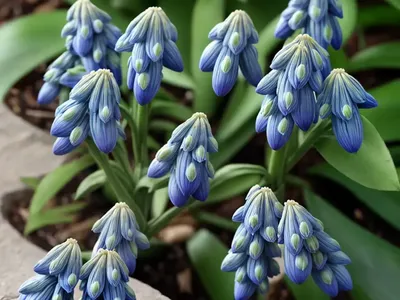
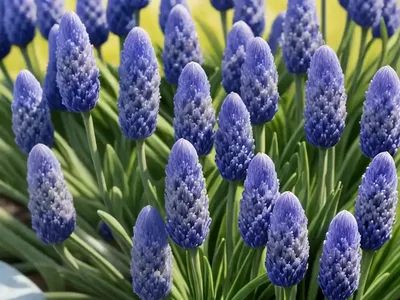
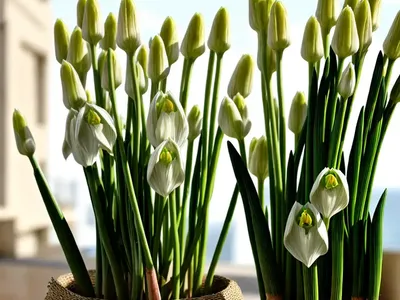
Muscari Armeniacum ‘Saffier’ (Grape Hyacinth)
Muscari armeniacum ‘Saffier’, commonly known as Grape Hyacinth, is a species of flowering plant in the family Asparagaceae, native to Eurasia. It is a.
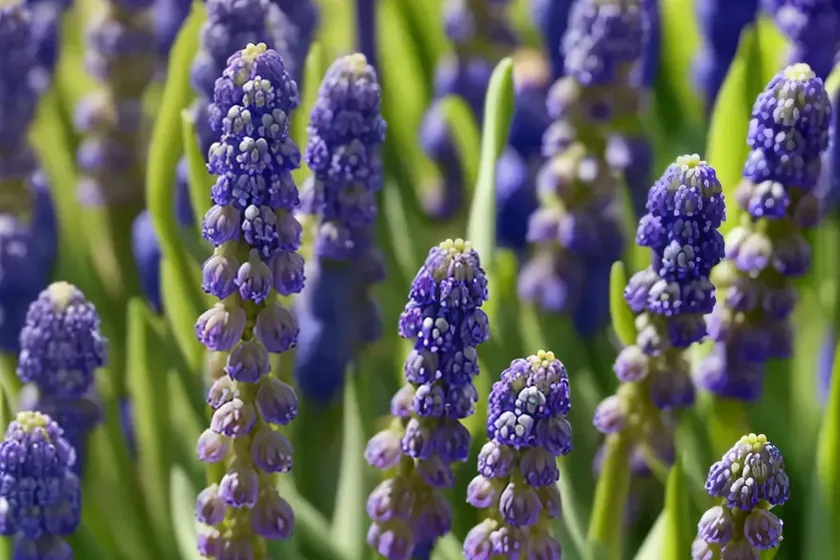
Muscari armeniacum ‘Saffier’, commonly known as Grape Hyacinth, is a species of flowering plant in the family Asparagaceae, native to Eurasia. It is a popular spring-blooming bulbous plant that adds a pop of color to gardens and landscapes. In this comprehensive guide, we will explore the culture, care tips, uses, propagation, and much more related to Muscari armeniacum ‘Saffier’.
What is Muscari armeniacum ‘Saffier’?
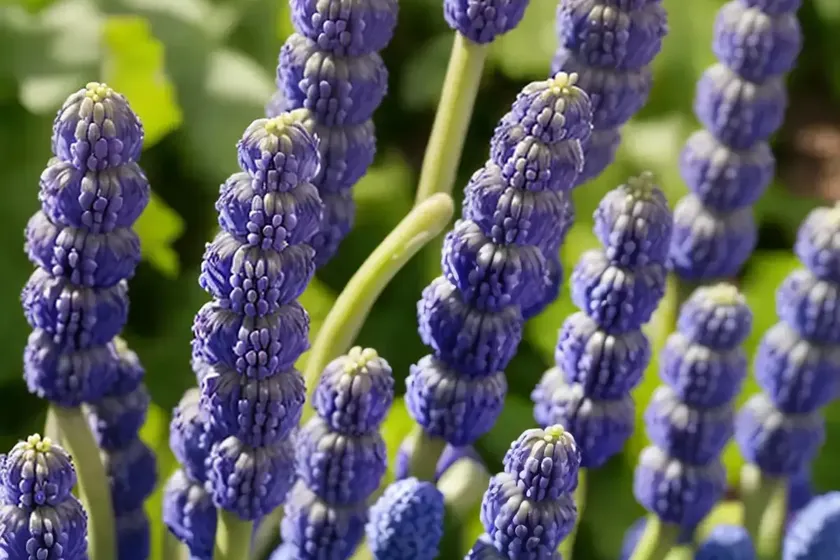
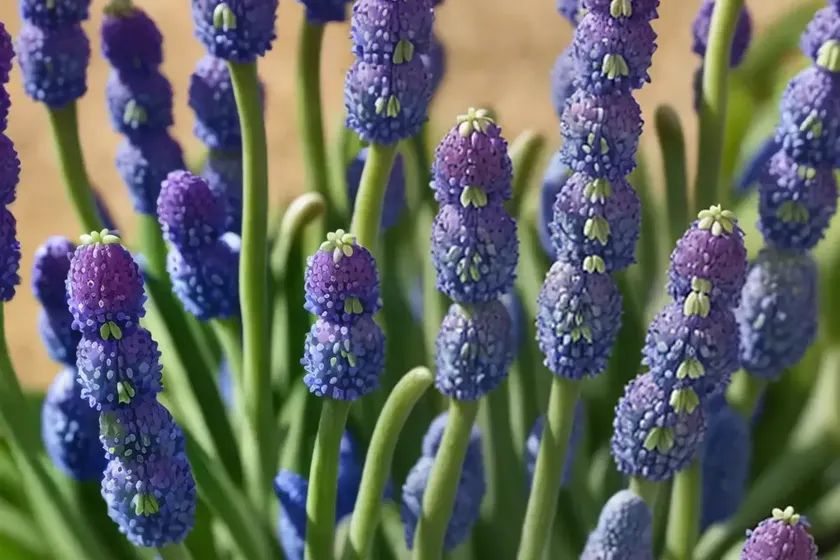
Muscari armeniacum ‘Saffier’ is a charming perennial plant known for its compact, spike-like racemes of tiny, bell-shaped, deep blue flowers. The flowers closely resemble clusters of grapes, hence the common name – Grape Hyacinth. This plant typically grows to a height of 6-8 inches and blooms in early spring, making it a delightful addition to rock gardens, borders, and naturalized areas.
Key Takeaways – Muscari armeniacum ‘Saffier’
Here are the key takeaways about Muscari armeniacum ‘Saffier’ that we will delve deeper into in this guide:
- Culture
- Uses
- Water
- Sunlight
- Fertilizer
- Soil
- Pruning
- Propagation
- Container Popularity
- Common Diseases
- Disease Diagnosis
- Common Pests
- Botanist’s Tips
- Fun Facts
Culture of Muscari armeniacum ‘Saffier’
Understanding the cultural requirements of Muscari armeniacum ‘Saffier’ is essential for its successful growth and blooming. Let’s explore each aspect in detail.
Water
Grape Hyacinths thrive in well-drained soil and have moderate water requirements. When establishing Muscari armeniacum ‘Saffier’, it is crucial to keep the soil consistently moist, but not waterlogged, especially during the active growth and blooming period. Adequate moisture during the growing season helps in promoting healthy foliage and vibrant blooms.
Sunlight
Muscari armeniacum ‘Saffier’ prefers full sun to partial shade. It thrives in locations with ample sunlight, which aids in the production of sturdy, colorful flower spikes. In regions with hot summers, providing some afternoon shade can help prevent the soil from becoming too dry. However, in cooler climates, full sun exposure is generally favorable for robust growth and flowering.
Fertilizer
Fertilizing Grape Hyacinths can enhance their overall vigor and blooming performance. A balanced, all-purpose fertilizer applied in early spring as new growth emerges can provide the necessary nutrients for healthy development. It is essential to follow the recommended application rates provided on the fertilizer packaging to avoid over-fertilization, which may lead to excessive foliage growth at the expense of flowers.
Soil
Well-drained, fertile soil is ideal for Muscari armeniacum ‘Saffier’. These plants thrive in various soil types, including loamy, sandy, or clay soils, as long as they offer good drainage. Prior to planting, amending the soil with organic matter such as compost or well-rotted manure can improve its structure and fertility, consequently promoting strong root establishment and abundant flowering.
Uses of Muscari armeniacum ‘Saffier’
Grape Hyacinths have several uses in garden landscapes and floral arrangements. Here are some common applications of Muscari armeniacum ‘Saffier’:
-
Bedding Plant: The compact size and vibrant blue flowers of Grape Hyacinths make them ideal for mass planting in beds and borders, creating a stunning visual impact.
-
Rock Gardens: Their low-growing nature and striking blooms make Grape Hyacinths perfect for rock gardens and alpine plantings, adding a touch of color to these naturalistic settings.
-
Container Planting: Muscari armeniacum ‘Saffier’ can be cultivated in containers, allowing gardeners with limited space to enjoy its beauty on patios, balconies, or other outdoor areas.
-
Cut Flowers: The attractive, long-lasting flowers of Grape Hyacinths are frequently used in cut flower arrangements, bringing a touch of spring indoors.
Pruning Grape Hyacinths
After the blooming period, the spent flower spikes of Muscari armeniacum ‘Saffier’ can be deadheaded to maintain the plant’s neat appearance. However, it is essential to allow the foliage to wither and turn yellow before removing it. This process allows the plant to absorb nutrients and energy, which are then stored in the bulbs for the following year’s growth and flowering.
Propagation of Muscari armeniacum ‘Saffier’
Grape Hyacinths can be propagated through several methods, including division, seed sowing, and bulb offsets. Let’s explore these propagation techniques in detail:
-
Division: Every few years, clumps of Muscari armeniacum ‘Saffier’ can be divided in early autumn or late spring to rejuvenate the plants and increase their numbers. Carefully lift the clump, separate individual bulbs, and replant them at the appropriate spacing.
-
Seed Sowing: Grape Hyacinths produce viable seeds that can be sown in a prepared seedbed or containers. Sow the seeds in early autumn or spring, and provide the necessary conditions for germination and early growth.
-
Bulb Offsets: As Muscari armeniacum ‘Saffier’ matures, it produces small bulb offsets around the parent bulb. These offsets can be carefully detached and replanted to establish new plants.
Common Diseases and Pests of Muscari armeniacum ‘Saffier’
Grape Hyacinths are relatively resistant to diseases and pests, making them low-maintenance additions to the garden. However, some potential issues may arise, and it’s important for gardeners to recognize and address them promptly. Here are some common diseases and pests of Muscari armeniacum ‘Saffier’:
Common Diseases
-
Botrytis Blight (Gray Mold): Under prolonged wet conditions, Grape Hyacinths may be susceptible to botrytis blight, which manifests as fuzzy gray mold on the foliage and flowers. Ensuring good air circulation and avoiding overhead watering can help prevent this fungal disease.
-
Basal Rot: Improperly drained soil can lead to basal rot in Grape Hyacinths, causing the bulbs to rot and the foliage to yellow and collapse. Planting the bulbs at the correct depth in well-drained soil can help mitigate this issue.
Common Pests
-
Slugs and Snails: These soft-bodied pests can feed on the foliage and flowers of Muscari armeniacum ‘Saffier’, causing visible damage. Handpicking, using organic baits, or employing physical barriers can control slug and snail populations effectively.
-
Narcissus Bulb Fly: The larvae of the narcissus bulb fly can infest the bulbs of Grape Hyacinths, leading to their destruction. Inspecting bulbs before planting and promptly removing any infested ones can help prevent this pest problem.
Botanist’s Tips for Growing Muscari armeniacum ‘Saffier’
As a plant scientist, I recommend the following tips for growing Muscari armeniacum ‘Saffier’ successfully:
- Plant Grape Hyacinth bulbs in well-drained soil to prevent waterlogged conditions, which can lead to bulb rot.
- Apply a balanced, slow-release fertilizer in early spring to provide essential nutrients for healthy growth and blooming.
- When deadheading the spent flower spikes, avoid damaging the emerging foliage to ensure the plant’s vitality.
- Regularly monitor the plant for signs of diseases and pests, and take appropriate measures to prevent or address any issues.
Fun Facts about Muscari armeniacum ‘Saffier’
Here are some interesting and lesser-known facts about Grape Hyacinths:
- The specific epithet “armeniacum” is derived from the Latin word “Armenia,” referencing the plant’s purported origin in this region.
- Grape Hyacinths belong to the same family (Asparagaceae) as the popular ornamental plant – Agapanthus.
- Muscari armeniacum ‘Saffier’ is known for its subtle, sweet fragrance, attracting pollinators such as bees and butterflies to the garden.
Links to External Resources
For further information and resources about Muscari armeniacum ‘Saffier’, explore the following links:
- Royal Horticultural Society – Muscari armeniacum ‘Saffier’
- University of Missouri Extension – Grape Hyacinths
In conclusion, Muscari armeniacum ‘Saffier’ is a delightful, low-maintenance plant that adds a burst of color and fragrance to spring gardens. By understanding its cultural requirements, uses, propagation methods, and potential challenges, gardeners can cultivate and enjoy the beauty of this enchanting bulbous plant.
Remember to share your experiences and insights about growing Muscari armeniacum ‘Saffier’ with fellow gardening enthusiasts, and continue to explore the diverse world of ornamental plants and flowers. Happy gardening!
Disclaimer: The information provided in this guide is based on scientific knowledge and practical gardening experience. Individual growing conditions and practices may warrant adjustments to the cultural recommendations provided.
Keywords: Muscari armeniacum ‘Saffier’ care tips, How to grow Muscari armeniacum ‘Saffier’, Grape Hyacinth (Muscari armeniacum ‘Saffier’) planting guide, Muscari armeniacum ‘Saffier’: A beautiful spring flowering plant, All about Muscari armeniacum ‘Saffier’, Muscari armeniacum ‘Saffier’ varieties, Growing Grape Hyacinth (Muscari armeniacum ‘Saffier’), Muscari armeniacum ‘Saffier’ bulb planting tips, Muscari armeniacum ‘Saffier’ – The perfect addition to your garden, Common problems with Muscari armeniacum ‘Saffier’, Muscari armeniacum ‘Saffier’: A fragrant spring bloomer, Muscari armeniacum ‘Saffier’ landscaping ideas, Tips for maintaining Muscari armeniacum ‘Saffier’, Muscari armeniacum ‘Saffier’ companion plants, Muscari armeniacum ‘Saffier’ vs. other grape hyacinth varieties, Muscari armeniacum ‘Saffier’ planting season, Muscari armeniacum ‘Saffier’in containers, Muscari armeniacum ‘Saffier’ spring garden beauty, Muscari armeniacum ‘Saffier’ in full bloom, How to propagate Muscari armeniacum ‘Saffier’, Muscari armeniacum ‘Saffier’ flower arrangements, Best soil conditions for Muscari armeniacum ‘Saffier’, Muscari armeniacum ‘Saffier’ for cut flowers, Muscari armeniacum ‘Saffier’ in rock gardens, Muscari armeniacum ‘Saffier’: An enchanting blue flower, Muscari armeniacum ‘Saffier’ and pollinator attraction, Muscari armeniacum ‘Saffier’ maintenance guide, Muscari armeniacum ‘Saffier’ winter care, Muscari armeniacum ‘Saffier’ naturalizing tips, Muscari armeniacum ‘Saffier’ as a ground cover plant, Muscari armeniacum ‘Saffier’ in mixed borders, Muscari armeniacum ‘Saffier’ as a border plant, Muscari armeniacum ‘Saffier’ and its medicinal uses, Muscari armeniacum ‘Saffier’: A hardy perennial plant, Muscari armeniacum ‘Saffier’ cut flower care, Muscari armeniacum ‘Saffier’ and its colorful blooms, Muscari armeniacum ‘Saffier’ in cottage gardens, Muscari armeniacum ‘Saffier’ in flower beds, Muscari armeniacum ‘Saffier’ miniature varieties, Muscari armeniacum ‘Saffier’ and its unique fragrance, Muscari armeniacum ‘Saffier’ for spring landscaping, Muscari armeniacum ‘Saffier’ and its wildlife benefits, Muscari armeniacum ‘Saffier’ under partial shade, Muscari armeniacum ‘Saffier’ and its attractive foliage, Muscari armeniacum ‘Saffier’ as a potted plant, Muscari armeniacum ‘Saffier’ autumn planting guide, Muscari armeniacum ‘Saffier’ as a border edging plant, Muscari armeniacum ‘Saffier’ and its uses in floral arrangements, Muscari armeniacum ‘Saffier’ for rockery gardens, Muscari armeniacum ‘Saffier’ and its joyful spring flowers