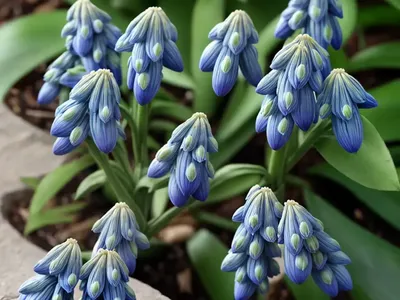
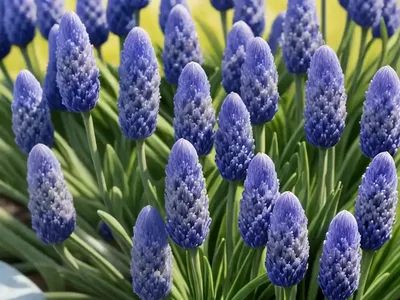
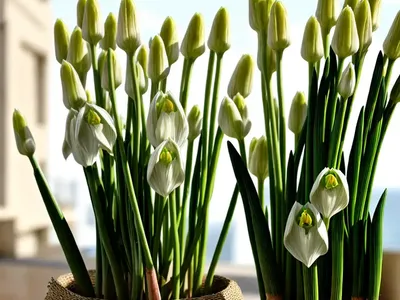
Scilla Hyacinthoides (Nectaroscilla Hyacinthoides)
Plants are not only essential for the environment but also an integral part of our gardens and landscapes. They bring beauty, diversity, and joy to our.
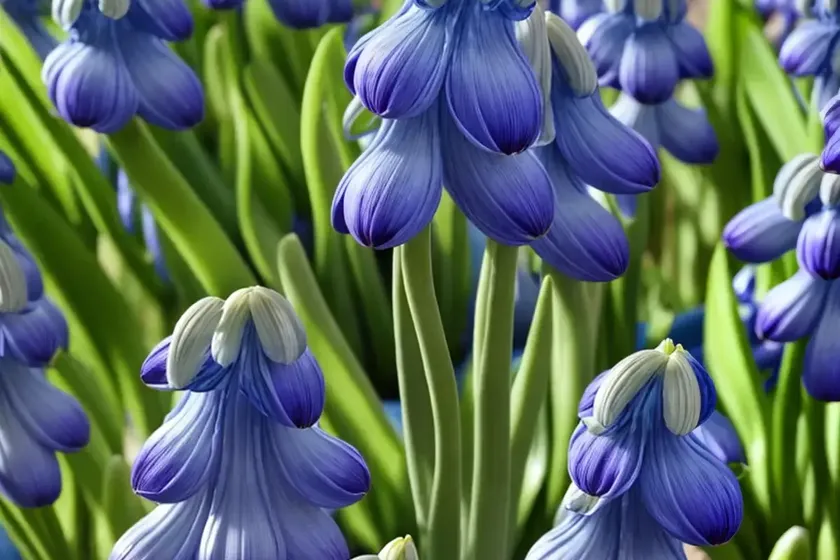
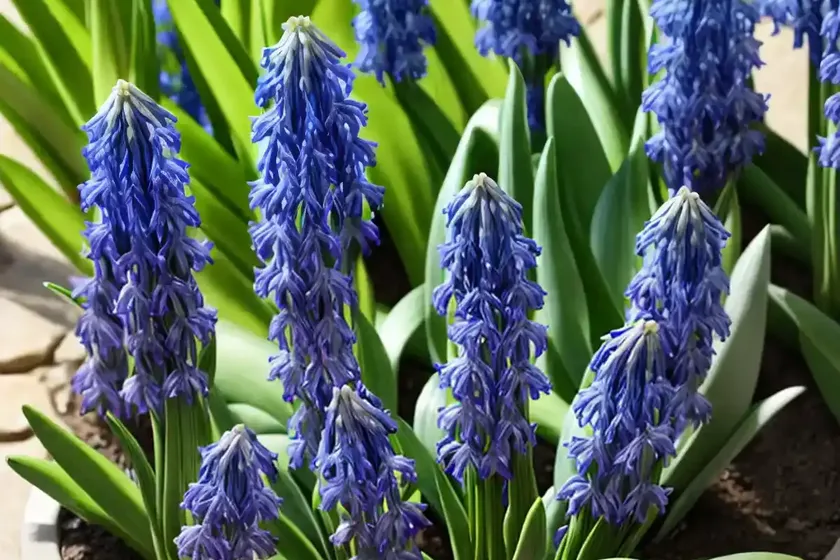
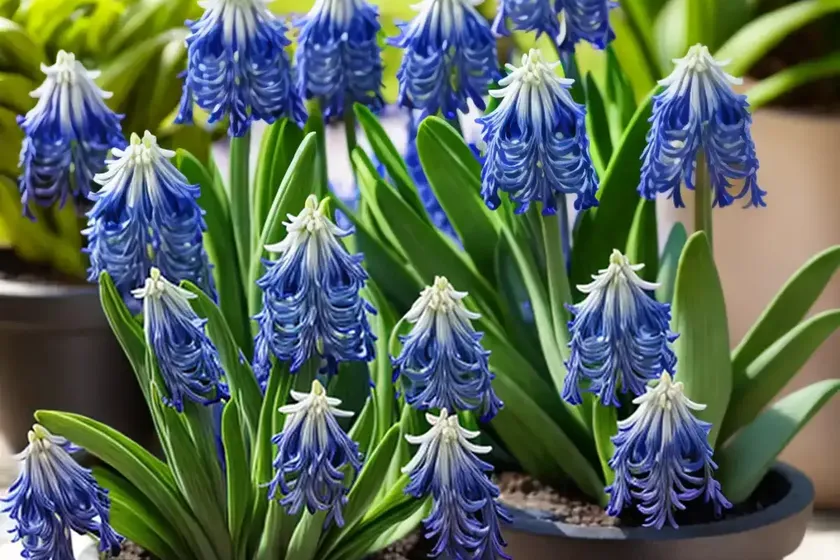
Plants are not only essential for the environment but also an integral part of our gardens and landscapes. They bring beauty, diversity, and joy to our surroundings. One such plant that deserves our attention is the Scilla Hyacinthoides, scientifically known as Nectaroscilla hyacinthoides. In this comprehensive plant guide, we will delve into the fascinating world of Scilla Hyacinthoides, exploring its cultivation, care tips, characteristics, uses, and much more.
What is Scilla Hyacinthoides (Nectaroscilla hyacinthoides)?
Scilla Hyacinthoides, also known by its scientific name Nectaroscilla hyacinthoides, is a charming and delicate perennial plant that belongs to the Asparagaceae family. This plant is native to the Mediterranean region, where it thrives in the wild, gracing meadows, woodlands, and rocky slopes with its vibrant blooms.
Key Takeaways – Scilla Hyacinthoides (Nectaroscilla hyacinthoides)
Before we explore the various aspects of cultivating and caring for Scilla Hyacinthoides, let’s take a moment to highlight some key takeaways about this plant:
- Botanical Name: Nectaroscilla hyacinthoides
- Family: Asparagaceae
- Native Range: Mediterranean region
- Type: Perennial
- Common Names: Scilla, Bluebell, Wood Hyacinth
- Cultivation Uses: Garden beds, borders, woodland planting, naturalization, containers
- Bloom Season: Spring
- Water Requirements: Moderate
- Sunlight: Partial to full shade
- Soil pH: Slightly acidic to neutral
- Growth Habit: Clump-forming
- Height: 8-12 inches
- Spread: 6-8 inches
- Hardiness Zones: 3-8
Now, let’s delve into the various aspects of cultivating and caring for Scilla Hyacinthoides to help you grow and enjoy this enchanting plant in your own gardens.
Cultivation
The cultivation of Scilla Hyacinthoides is a rewarding experience, and with the right care and conditions, you can witness its graceful blossoms adorning your outdoor spaces. Here’s a comprehensive guide to growing and caring for this captivating plant.
Uses
Scilla Hyacinthoides is a versatile plant that can be used in various settings to enhance the visual appeal of the landscape.
- Garden Beds: Planting Scilla Hyacinthoides in garden beds adds a touch of elegance and color to your outdoor space, especially in early spring when its blooms emerge.
- Borders: The delicate beauty of Scilla Hyacinthoides makes it an ideal choice for creating borders along pathways or garden edges.
- Woodland Planting: Due to its native habitat, Scilla Hyacinthoides thrives in woodland settings, making it a perfect addition to a naturalistic woodland garden.
- Containers: Whether in terracotta pots or decorative containers, Scilla Hyacinthoides can be grown successfully in containers, bringing a pop of color to patios, balconies, or indoor spaces.
- Naturalization: This plant naturalizes easily, meaning that it can spread and multiply in a garden setting, creating a captivating naturalized display over time.
Water
Proper watering is essential for the health and vitality of Scilla Hyacinthoides, ensuring lush foliage and bountiful blooms.
- Watering Frequency: In general, provide moderate watering to Scilla Hyacinthoides, allowing the soil to dry out slightly between waterings to prevent waterlogged conditions.
- Spring Moisture: During the growing season, especially in spring when the plant is in full bloom, ensure an adequate water supply to support the active growth and flowering.
- Summer Dormancy: As summer approaches and the foliage begins to fade, gradually reduce watering as the plant enters a dormant phase.
- Avoid Overwatering: To prevent root rot and other moisture-related issues, avoid overwatering and ensure proper drainage in the planting area.
Sunlight
Scilla Hyacinthoides thrives in partial to full shade, making it an excellent choice for shaded or woodland gardens.
- Light Requirements: Provide dappled shade or filtered sunlight for optimal growth and blooming. Avoid exposing the plant to harsh, direct sunlight, especially in regions with hot summers.
- Ideal Locations: Plant Scilla Hyacinthoides under deciduous trees, along the north side of buildings, or in areas where it can receive gentle morning sun and dappled shade for the rest of the day.
- Shade-Loving Plant: As a shade-loving plant, Scilla Hyacinthoides contributes to the greening of shaded areas, adding visual interest and color to underutilized garden spaces.
Fertilizer
Feeding Scilla Hyacinthoides with appropriate fertilizer helps promote healthy growth and vibrant blooms.
- Fertilizing Timing: Apply a balanced, slow-release fertilizer in early spring as new growth emerges to provide essential nutrients for the upcoming flowering season.
- Avoid Excess Nitrogen: Use a fertilizer with a balanced N-P-K ratio to avoid excessive vegetative growth at the expense of flowering.
- Organic Amendments: Incorporating compost or organic matter into the soil during the planting process can provide a steady supply of nutrients, reducing the need for additional synthetic fertilizers.
Soil
The soil composition and pH level play crucial roles in ensuring the well-being of Scilla Hyacinthoides.
- Well-Draining Soil: Plant Scilla Hyacinthoides in well-draining, humus-rich soil to prevent waterlogging and root damage. Amending heavy soils with organic matter or sand can improve drainage.
- Soil pH: Aim for a slightly acidic to neutral soil pH, ideally in the range of 6.0 to 7.0, to create an environment conducive to the plant’s growth and nutrient uptake.
- Moisture Retention: While well-draining soil is essential, it should also retain sufficient moisture to support the plant’s needs without becoming waterlogged.
Pruning
Pruning plays a vital role in maintaining the health, appearance, and longevity of Scilla Hyacinthoides.
- Post-Bloom Pruning: After the blooming period, remove spent flower stalks to redirect the plant’s energy from seed production back into the bulbs for the following year’s growth.
- Foliage Management: Allow the foliage to remain intact until it naturally withers and yellows, as this period allows the plant to replenish its energy reserves for the next growing season.
- Minimal Intervention: Avoid excessive pruning or cutting back during the growing season, as this can negatively impact the plant’s ability to store energy for the following year’s display.
Propagation
Expanding your collection of Scilla Hyacinthoides or sharing this lovely plant with fellow gardening enthusiasts can be achieved through propagation.
- Division: Propagate Scilla Hyacinthoides through bulb division in autumn, carefully separating the offsets or bulblets from the parent bulb and replanting them at the desired location.
- Sowing Seeds: While less common, Scilla Hyacinthoides can also be propagated from seeds, sown in a well-prepared seedbed in autumn for natural stratification and subsequent spring germination.
Container Popularity
The popularity of growing Scilla Hyacinthoides in containers has been steadily increasing due to the plant’s adaptability and visual appeal in limited-space gardening.
- Versatile Use: Scilla Hyacinthoides is well-suited to container gardening, allowing urban and small-space gardeners to enjoy its beauty on balconies, patios, and other confined areas.
- Decorative Displays: Positioning potted Scilla Hyacinthoides as standalone features or as part of mixed container plantings creates visually captivating displays, especially during the spring bloom.
- Seasonal Flexibility: Containers offer the flexibility to move the plants as needed to optimize their growing conditions and showcase them at different locations throughout the garden.
Common Diseases
Understanding the potential diseases that can affect Scilla Hyacinthoides is instrumental in implementing preventive measures and maintaining the plant’s health.
Disease Diagnosis
Here are some common diseases to watch out for when caring for Scilla Hyacinthoides:
- Botrytis Blight: This fungal disease can manifest as gray mold on foliage and flowers, especially under prolonged wet conditions. Proper air circulation and avoiding overhead watering can help prevent botrytis blight.
- Bulb Rot: Excessive moisture and poor drainage can lead to bulb rot in Scilla Hyacinthoides. Ensure well-draining soil and avoid overwatering to mitigate this issue.
- Leaf Spot: Various fungal pathogens can cause leaf spot on Scilla Hyacinthoides, appearing as small brown lesions on the foliage. Remove and dispose of infected leaves to reduce the spread of the disease.
Common Pests
While generally resistant to pest infestations, Scilla Hyacinthoides can still attract certain pests under specific conditions.
- Slugs and Snails: These mollusks can feed on the foliage and tender shoots of Scilla Hyacinthoides, causing visible damage. Use physical barriers, such as copper tape or diatomaceous earth, to protect the plants from slug and snail activity.
- Rodent Damage: Squirrels and other rodents may dig up or consume the bulbs of Scilla Hyacinthoides. Implementing protective measures, such as wire mesh barriers, can deter rodent damage and protect the bulbs.
Botanist’s Tips
Drawing on expert insights and botanical knowledge can elevate your experience of growing and appreciating Scilla Hyacinthoides.
- Native Habitat Study: Understanding the plant’s native habitat and ecological requirements can guide your cultivation practices to mimic its natural conditions, promoting its overall well-being.
- Companion Planting: Explore suitable companion plants that complement Scilla Hyacinthoides and create harmonious garden settings, considering factors such as bloom time, height, and soil preferences.
- Species Preservation: As a botanist, you can contribute to the preservation of Scilla Hyacinthoides and its natural genetic diversity through ethical propagation and responsible collection practices.
Fun Facts
In addition to its ornamental value, Scilla Hyacinthoides also boasts intriguing characteristics and ecological significance.
- Pollinator Attraction: The delicate blooms of Scilla Hyacinthoides attract early spring pollinators, providing a vital food source for bees and other beneficial insects.
- Woodland Indicator: Within its native range and in cultivated settings, Scilla Hyacinthoides serves as an indicator species for healthy woodlands and well-balanced ecosystems.
Links to External Resources
For further exploration and in-depth information about Scilla Hyacinthoides, you can refer to the following external resources:
- Royal Horticultural Society – Scilla Hyacinthoides
- American Horticultural Society – Nectaroscilla hyacinthoides Varieties
- Botanical Society of America – Cultivation Tips
- University Extension Services – Planting Guide
- National Gardening Association – Companion Plants
- Wildflower Preservation Society – Wildlife Benefits
Scilla Hyacinthoides, with its captivating flowers and adaptability, makes a delightful addition to diverse garden settings, enriching the landscape with its elegance and charm. By applying the cultivation tips, care recommendations, and botanical insights shared in this guide, you can cultivate, enjoy, and appreciate the ornamental and ecological value of Nectaroscilla hyacinthoides in your own outdoor spaces.