Musa Basjoo (Hardy Banana)
Musa basjoo, commonly known as the hardy banana, is a striking perennial plant that is native to East Asia. Despite being called a banana plant, it does.
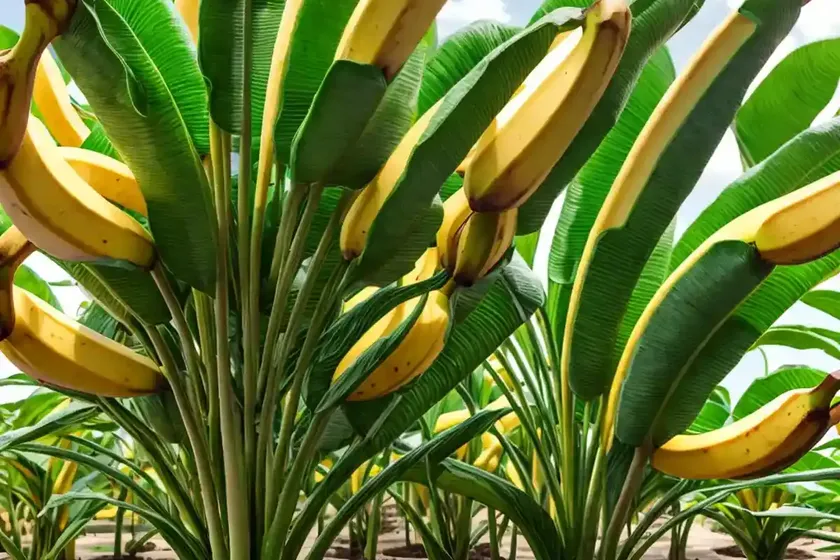
Musa basjoo, commonly known as the hardy banana, is a striking perennial plant that is native to East Asia. Despite being called a banana plant, it does not produce the typical sweet bananas that we are accustomed to eating. Instead, Musa basjoo is primarily cultivated for its ornamental foliage and tropical aesthetic. It is a great addition to landscapes, gardens, and even containers, providing a stunning focal point and a touch of exotic beauty.
In this comprehensive care guide, we will delve into the various aspects of cultivating and maintaining Musa basjoo. From its water and sunlight requirements to its propagation methods and common diseases, this guide aims to equip you with the knowledge necessary to nurture and enjoy the captivating presence of this hardy banana plant.
What is Musa basjoo?
Musa basjoo is a species of flowering plant in the family Musaceae, native to the Ryukyu Islands of Japan, as well as Taiwan and southern China. It is one of the largest herbaceous plants, capable of reaching heights of 15 feet or more. The plant features large, paddle-shaped leaves that create a tropical atmosphere wherever it is grown.
Key Takeaways
Before we dive into the specifics of caring for Musa basjoo, let’s summarize the key takeaways:
- Water: Regular watering, keeping the soil consistently moist but not waterlogged, is essential for healthy growth.
- Sunlight: Musa basjoo thrives in full to partial sunlight, requiring at least 6 hours of direct sun for optimal growth.
- Fertilizer: Feed with a balanced fertilizer during the growing season to promote vigorous growth.
- Soil: Well-draining, nutrient-rich soil with a slightly acidic to neutral pH is preferred.
- Pruning: Minimal pruning is required, primarily to remove old or damaged leaves.
- Propagation: Propagation can be achieved through division of the rhizomes or from the seeds, though the latter method may not always be practical.
- Container: Musa basjoo can be grown in containers, provided they are of sufficient size to accommodate the mature plant.
- Common Diseases: Leaf spot and leaf blight are among the potential diseases that can affect the plant.
- Common Pests: Aphids, spider mites, and banana weevils are common pests that can infest Musa basjoo.
- Fun Facts: Musa basjoo, despite being called a “hardy banana,” is not grown for its fruit but rather for its tropical aesthetic.
Now, let’s explore each of these aspects in detail to understand how to best care for this stunning plant.
Water
Proper watering is crucial for the health and vitality of Musa basjoo. As a tropical plant, it thrives in consistently moist soil, but it is essential to ensure that the soil does not become waterlogged, as this can lead to root rot and other issues.
Water Requirements
- Regular Moisture: Musa basjoo requires regular watering to maintain consistent moisture in the soil, especially during the active growing season. Water the plant when the top inch of the soil becomes dry.
- Avoid Waterlogging: While it is important to keep the soil consistently moist, it is equally important to prevent waterlogging. Ensure that the pot or planting site has proper drainage to allow excess water to escape.
Drought Tolerance
Although Musa basjoo prefers consistently moist soil, it does exhibit some tolerance to short periods of drought once established. However, prolonged drought conditions can stress the plant and may lead to decreased growth and overall health.
Sunlight
Proper sunlight is essential for the growth and development of Musa basjoo. As a tropical plant, it thrives in warm, sunny conditions, and adequate sunlight is crucial for the plant to achieve its full potential.
Sunlight Requirements
- Full to Partial Sun: Musa basjoo thrives in full to partial sunlight. It is best to provide the plant with at least 6 hours of direct sunlight each day for optimal growth and development.
- Protection from Harsh Sunlight: While Musa basjoo enjoys sunlight, it is important to protect the plant from intense, direct sunlight, especially during the hottest part of the day. Consider providing some shade during peak hours to prevent leaf scorch and sunburn.
Winter Care and Sunlight
In regions with cold winters, it is important to protect Musa basjoo from harsh winter conditions, including frost and freezing temperatures. During the winter months, providing sufficient sunlight is crucial for the plant’s overall health and survival.
Fertilizer
Fertilizing Musa basjoo is an integral part of its care regimen. Providing the plant with essential nutrients promotes healthy growth, vibrant foliage, and overall vigor.
Fertilizer Type
- Balanced Fertilizer: Use a balanced, slow-release fertilizer to feed Musa basjoo during the active growing season. The fertilizer should contain a balanced ratio of nitrogen, phosphorus, and potassium, as well as micronutrients.
Fertilizer Application
- Frequency: Apply fertilizer every 4-6 weeks during the growing season, typically from spring to early fall.
- Even Distribution: Sprinkle the fertilizer evenly around the base of the plant, ensuring that it does not come into direct contact with the leaves or stems.
- Watering After Application: After applying the fertilizer, water the plant thoroughly to help the nutrients percolate into the soil and reach the plant’s root zone.
Soil
The quality and composition of the soil play a vital role in the growth and well-being of Musa basjoo. Providing the plant with well-draining, nutrient-rich soil creates a conducive environment for healthy root development and overall growth.
Soil Type
- Well-Draining Soil: Musa basjoo prefers soil that is well-draining to prevent waterlogging. The soil should allow excess water to escape, ensuring that the roots do not sit in water.
- Nutrient-Rich: The soil should be rich in organic matter and nutrients to support the plant’s growth. Amending the soil with compost or well-rotted manure can enhance its fertility.
Soil pH
- Slightly Acidic to Neutral: Musa basjoo thrives in soil with a slightly acidic to neutral pH range, typically between 6.0 and 7.0. Maintaining the proper pH level is essential for nutrient uptake and overall plant health.
Pruning
Pruning Musa basjoo is relatively minimal compared to some other plants. However, removing old or damaged leaves and performing occasional maintenance can help promote the plant’s overall health and aesthetic appeal.
Pruning Techniques
- Removing Old Leaves: As the older leaves of Musa basjoo naturally turn yellow and brown over time, it is recommended to remove them to maintain a clean and tidy appearance.
- Trimming Dead or Damaged Leaves: Trim any dead or damaged leaves to promote new growth and prevent the spread of diseases.
Pruning Frequency
- As Needed: Pruning of Musa basjoo is performed as needed, typically to remove old or unsightly foliage. Regular inspection of the plant can help identify leaves that require pruning.
Propagation
Propagating Musa basjoo can be achieved through division of the rhizomes or through seed propagation. While division is a more common and practical method for home gardeners, seed propagation can also be utilized to expand the plant’s population.
Propagation Methods
- Division of Rhizomes: Divide the rhizomes of mature Musa basjoo plants to create new individuals. Ensure that each division has sufficient roots and shoots to support its growth.
- Seed Propagation: While viable seeds can be used to propagate Musa basjoo, this method is less commonly utilized due to the time it takes for the plant to reach maturity from seeds.
Propagation Timing
- Early Spring: Propagation through rhizome division is typically performed in early spring when the plant is coming out of dormancy and actively growing.
Container Cultivation
Musa basjoo can be grown in containers, making it a versatile addition to gardens, patios, and even indoor spaces in colder climates. When growing the plant in a container, it is important to provide adequate space for its vigorous growth and to meet its specific care requirements.
Container Size
- Large Containers: Select a large and sturdy container to accommodate the mature size of Musa basjoo. The container should provide ample room for the plant’s roots to spread and support its height and foliage.
Container Soil and Drainage
- Well-Draining Soil: Use a well-draining potting mix to provide optimal growing conditions for Musa basjoo. Ensure that the container has drainage holes to prevent water from accumulating at the bottom.
Container Placement
- Sunlight: Place the container in a location that receives at least 6 hours of direct sunlight each day to support the plant’s growth.
- Winter Protection: In cold climates, move the container indoors or provide adequate protection to shield the plant from freezing temperatures during the winter months.
Popularity
Musa basjoo’s popularity stems from its striking appearance and its ability to evoke a tropical ambiance in various settings. Whether used as a focal point in gardens, landscapes, or container displays, the hardy banana plant has garnered attention from gardeners and landscaping enthusiasts alike.
Landscape Uses
- Focal Point: Musa basjoo serves as a captivating focal point in garden beds and landscapes, drawing attention with its large, tropical foliage and commanding presence.
- Tropical Landscapes: It is often used in tropical and exotic landscape designs to create lush and vibrant settings reminiscent of tropical regions.
Container Display
- Patio and Balcony: Musa basjoo adds a touch of the tropics to patios and balconies when grown in containers, allowing gardeners in colder climates to enjoy its beauty.
- Indoor Spaces: In regions with harsh winters, the plant can be brought indoors to serve as a striking houseplant during the colder months.
Common Diseases
Musa basjoo is susceptible to a few common diseases, including leaf spot and leaf blight. Understanding the symptoms and preventive measures for these diseases is crucial to keep the plant healthy and thriving.
Disease Identification
- Leaf Spot: This fungal disease appears as brown or black spots on the leaves, often leading to leaf discoloration and distortion.
- Leaf Blight: Leaf blight causes rapid browning and wilting of the leaves, typically starting at the edges and spreading inward.
Disease Management
- Sanitation: Remove and dispose of infected leaves and plant debris to prevent the spread of diseases.
- Fungicidal Treatments: In cases of severe infection, applying a fungicidal treatment may be necessary to control the spread of fungal diseases.
Common Pests
Several pests can pose a threat to Musa basjoo, including aphids, spider mites, and banana weevils. Regular monitoring and proactive pest control measures can help mitigate infestations and protect the plant from damage.
Pest Identification
- Aphids: These small, soft-bodied insects often cluster on the undersides of the leaves, sucking sap from the plant and causing leaf distortion.
- Spider Mites: Spider mites are tiny arachnids that feed on the undersides of leaves, causing stippling and discoloration.
- Banana Weevils: These pests attack the rhizomes and corms of the plant, leading to damage and decay.
Pest Control
- Natural Predators: Encourage the presence of natural predators, such as ladybugs and predatory mites, to help control aphid and spider mite populations.
- Horticultural Oil Sprays: Use horticultural oils to suffocate and control spider mite infestations while minimizing harm to beneficial insects.
- Soil Treatments: For banana weevils, soil treatments with nematodes or insecticidal drenches can help control and prevent infestations.
Botanist’s Tips
To further enhance your success in growing and caring for Musa basjoo, consider the following tips from botanists and experienced gardeners:
- Mulching: Apply a layer of organic mulch around the base of the plant to help retain soil moisture and suppress weed growth.
- Protection from Wind: Provide a windbreak or plant Musa basjoo in a sheltered location to shield it from strong winds, which can damage its large leaves.
- Winter Protection: In colder climates, insulate the plant with a thick layer of mulch and consider wrapping the stem to protect it from freezing temperatures.
Fun Facts
Explore some intriguing and fun facts about Musa basjoo that showcase the unique attributes and characteristics of this remarkable plant:
- Cold Hardy: Musa basjoo is known for its remarkable cold hardiness, capable of tolerating temperatures as low as -10°F (-23°C) when properly insulated and protected.
- Ornamental Appeal: Despite not producing edible bananas, it is highly valued for its ornamental foliage and tropical aesthetic, making it a popular choice for landscaping.
- Diverse Uses: Beyond its visual appeal, Musa basjoo has been utilized for various purposes, including as a source of fiber and for creating textiles in its native regions.
Links to External Resources
To further expand your knowledge and understanding of Musa basjoo, consider exploring the following external resources:
- Royal Horticultural Society (RHS) – Musa basjoo
- Missouri Botanical Garden – Musa basjoo
- University of Florida IFAS Extension – Banana Growing in the Florida Home Landscape
- American Society for the Prevention of Cruelty to Animals (ASPCA) – List of Toxic and Non-Toxic Plants
Now armed with a comprehensive understanding of Musa basjoo and its care requirements, you can approach the cultivation of this captivating plant with confidence and expertise. By providing the right balance of water, sunlight, and nutrients, and by implementing effective pest and disease management strategies, you can enjoy the lush foliage and tropical allure of Musa basjoo in your own garden or landscape.
Whether used as a striking focal point, an exotic container display, or a captivating addition to a tropical-inspired setting, Musa basjoo enriches outdoor spaces with its unique presence and ornamental charm, embodying the allure of the tropics in diverse environments.
By combining your newfound knowledge with practical experience, you can cultivate and revel in the beauty of Musa basjoo while creating a captivating and visually stunning landscape or garden setting.


