Musa Basjoo (Japanese Banana)
Musa basjoo, commonly known as the Japanese Banana, is an impressive ornamental plant with a striking resemblance to a tropical banana tree. Native to the.
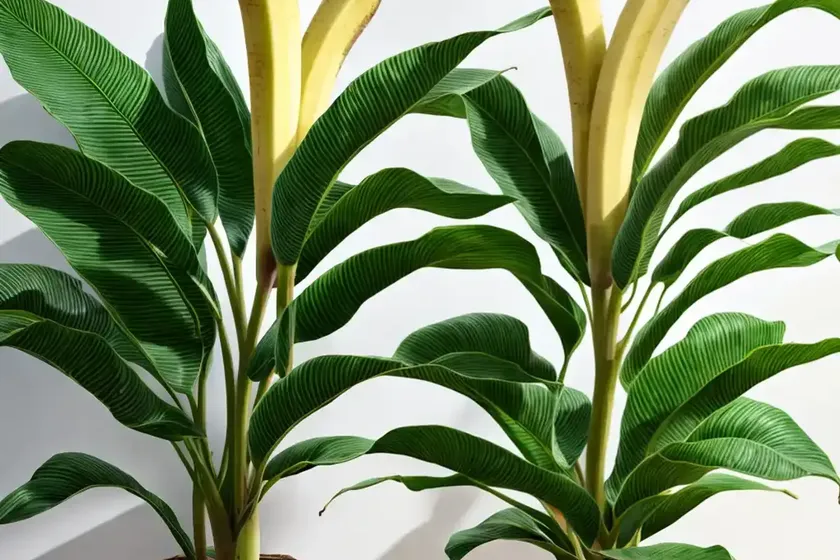
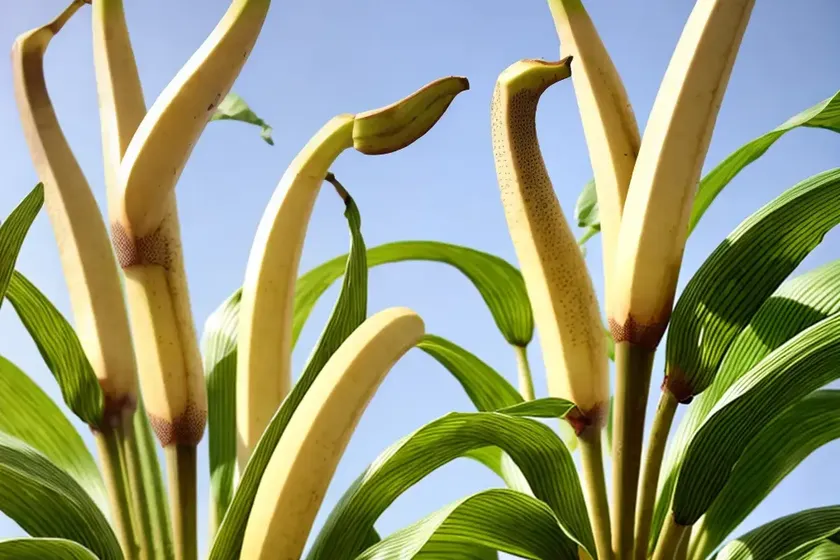
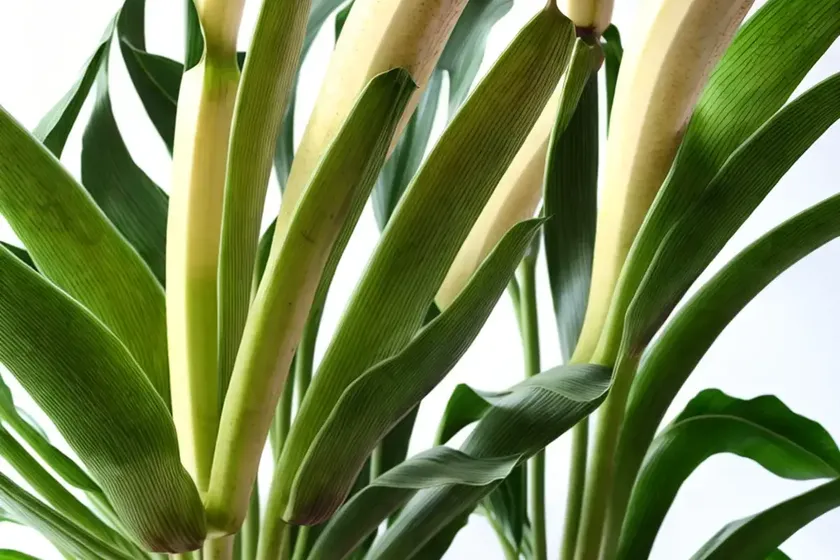
Musa basjoo, commonly known as the Japanese Banana, is an impressive ornamental plant with a striking resemblance to a tropical banana tree. Native to the Ryukyu Islands of Japan, Musa basjoo is known for its lush green foliage and unique appearance, making it a popular choice for landscaping and tropical garden enthusiasts.
In this comprehensive guide, we will explore the various aspects of caring for Musa basjoo, including its cultural requirements, uses, water and sunlight needs, fertilizer recommendations, soil preferences, pruning techniques, propagation methods, and its popularity as a container plant. Additionally, we will delve into the common diseases and pests that may affect Musa basjoo, along with essential tips from botanists, fun facts, and links to external resources.
Key Takeaways – Musa basjoo (Japanese Banana)
Before we delve into the specifics of caring for Musa basjoo, let’s summarize the key takeaways of this remarkable plant:
- Common Name: Japanese Banana
- Botanical Name: Musa basjoo
- Uses: Ornamental, landscaping, tropical gardens
- Water: Regular watering, prefers well-drained soil
- Sunlight: Thrives in full sun to partial shade
- Fertilizer: Requires a balanced fertilizer during the growing season
- Soil: Well-draining, rich soil with a slightly acidic to neutral pH
- Pruning: Trimming of old or damaged leaves, and removal of spent flower stalks
- Propagation: Can be propagated through division or from suckers
- Container Popularity: Well-suited for large containers and patio planters
- Common Diseases: Fusarium wilt, leaf spot, and anthracnose
- Common Pests: Aphids, spider mites, and banana weevils
- Botanist’s Tips: Proper winter care, maintaining soil moisture, and providing adequate support
- Fun Facts: Deciduous in cooler climates, produces small inedible bananas, and has fibrous stems
- Links to External Resources: Detailed care guides, landscaping inspiration, and plant suppliers
Now, let’s dive deeper into the aspects of caring for Musa basjoo, covering all the essential components of its growth and maintenance.
What is Musa basjoo (Japanese Banana)?
Musa basjoo, belonging to the Musaceae family, is a herbaceous perennial plant that can attain impressive heights in suitable conditions. While it is commonly referred to as the Japanese Banana, it is essential to note that the fruits produced by Musa basjoo are typically small and inedible. Instead, its appeal lies in the lush, tropical appearance it lends to its surroundings, making it a sought-after addition to gardens, parks, and botanical collections.
The foliage of Musa basjoo comprises large paddle-shaped leaves that unfurl from a central stalk, creating an iconic tropical look reminiscent of exotic destinations. This striking appearance, combined with its hardiness and adaptability, has led to the widespread cultivation of Musa basjoo in various regions, including temperate climates where it may survive the winter with proper care.
Botanical Classification
- Kingdom: Plantae
- Clade: Tracheophytes
- Clade: Angiosperms
- Clade: Monocots
- Order: Zingiberales
- Family: Musaceae
- Genus: Musa
- Species: Musa basjoo
Now that we have gained a foundational understanding of Musa basjoo, let’s explore the specific care requirements and characteristics that make this plant unique.
Culture
Understanding the cultural requirements of Musa basjoo is crucial for ensuring its optimal growth and development. From its water and sunlight needs to the type of soil it thrives in, the cultural aspects play a significant role in nurturing and maintaining this striking tropical plant.
Uses
The primary uses of Musa basjoo stem from its ornamental value and its ability to enhance tropical landscapes and gardens. As an ornamental plant, Musa basjoo’s impressive foliage lends a touch of the exotic to any setting, making it ideal for creating a lush, tropical ambiance. Its large, dramatic leaves and imposing presence make it a valuable asset in both domestic and public spaces, including botanical gardens, commercial landscapes, and private gardens.
In addition to its ornamental uses, Musa basjoo also serves as a focal point in landscaping, where it can be strategically positioned to create visual interest and height in garden beds, alongside pools or water features, or as a standalone specimen. Its adaptability to different settings and its exotic appeal make it a popular choice for those seeking to evoke a tropical atmosphere in their outdoor spaces.
Water
Proper watering is essential for the health and vitality of Musa basjoo. While it appreciates consistent moisture, it is crucial to ensure that the soil is well-drained to prevent waterlogged conditions that can lead to root rot and other problems. During the growing season, regular watering is necessary, especially in warmer climates or when Musa basjoo is grown in containers.
Key Points for Watering Musa basjoo:
– Provide regular, consistent moisture during the growing season
– Ensure well-drained soil to prevent waterlogging
– Water more frequently in hot, dry conditions
Sunlight
Musa basjoo thrives in full sun to partial shade, making it adaptable to a range of light conditions. While it benefits from ample sunlight, especially in cooler climates, it can also tolerate partial shade, particularly during the hottest part of the day. When grown in cooler regions, positioning Musa basjoo in a spot that receives full sun can help promote robust growth and the development of its characteristic tropical foliage.
Key Points for Sunlight Exposure:
– Thrives in full sun to partial shade
– Position in full sun for optimal growth, especially in cooler climates
– Tolerates partial shade during the hottest part of the day
Fertilizer
To support healthy growth and lush foliage, providing a balanced fertilizer during the growing season is beneficial for Musa basjoo. A slow-release or water-soluble fertilizer formulated for ornamental plants can be applied according to the manufacturer’s instructions to ensure that the plant receives essential nutrients for robust growth and leaf development.
Key Points for Fertilizing Musa basjoo:
– Apply a balanced fertilizer during the growing season
– Use a slow-release or water-soluble fertilizer for ornamental plants
– Follow the manufacturer’s instructions for application rates and frequency
Soil
The soil composition and structure play a vital role in the health and vigor of Musa basjoo. Well-draining, rich soil with a slightly acidic to neutral pH is ideal for this plant. Additionally, incorporating organic matter such as compost or well-rotted manure into the soil can help improve its texture and fertility, providing a favorable growing medium for Musa basjoo.
Key Points for Soil Conditions:
– Use well-draining, rich soil with a slightly acidic to neutral pH
– Incorporate organic matter such as compost or well-rotted manure
– Ensure the soil provides adequate drainage to prevent waterlogging
Pruning
Pruning is an essential aspect of Musa basjoo maintenance, involving the removal of older or damaged leaves and the trimming of spent flower stalks. By regularly pruning Musa basjoo, not only can the overall appearance be enhanced, but potential pest and disease issues can be minimized. Additionally, removing old or tattered leaves can promote the development of new, healthy foliage.
Key Points for Pruning Musa basjoo:
– Trim old or damaged leaves to maintain a tidy appearance
– Remove spent flower stalks to encourage new growth
– Regular pruning can minimize pest and disease problems
Propagation
Musa basjoo can be propagated through various methods, including division and the use of suckers or pups. Propagating this plant allows for the expansion of its presence in the garden or the sharing of its unique tropical appeal with others who appreciate its striking beauty.
Key Points for Propagating Musa basjoo:
– Divide mature plants to create new specimens
– Utilize suckers or pups to establish new plants
– Propagating Musa basjoo enables the multiplication of this unique ornamental species
Container Popularity
While Musa basjoo is known for its large size and impressive presence in the landscape, it is also well-suited for container cultivation. Placing Musa basjoo in a large container or patio planter allows for its enjoyment in smaller spaces, on patios, or as a focal point on balconies. The adaptability of Musa basjoo to container culture expands its appeal to a broader audience, including urban gardeners and those with limited garden space.
Key Points for Container Cultivation:
– Select a large container with adequate drainage
– Position the container in a sunny location for optimal growth
– Container cultivation allows for the enjoyment of Musa basjoo in smaller spaces
Popularity as a Container Plant
The popularity of Musa basjoo as a container plant stems from its impressive foliage, adaptability to container culture, and its ability to create a tropical ambiance in limited spaces. When positioned on a patio or terrace, the generous leaves of Musa basjoo can create an instant tropical feel, offering an escape to a lush, exotic setting.
In addition to its ornamental value, the suitability of Musa basjoo for container cultivation facilitates its care and maintenance, making it accessible to a wide range of gardeners. Moreover, its hardiness and resilience contribute to its appeal as a container plant, as it can withstand outdoor conditions and thrive in a well-chosen potting mix.
Now that we have covered the cultural aspects of Musa basjoo, let’s delve into the potential issues that may impact its health and vitality.
Common Diseases
Disease Diagnosis
Musa basjoo, while generally robust, can be susceptible to certain diseases that can affect its growth and appearance. Being able to identify common diseases and their symptoms is essential for prompt intervention and management to prevent further spread and damage.
Fusarium Wilt (Panama Disease)
Fusarium wilt, caused by the soil-borne fungus Fusarium oxysporum, can present a significant threat to Musa basjoo. This disease can lead to the wilting and yellowing of foliage, stunted growth, and the eventual collapse of the plant. Fusarium wilt is challenging to manage once it has infected the soil, making prevention and early detection crucial for minimizing its impact.
Symptoms of Fusarium Wilt:
– Wilting and yellowing of leaves
– Stunted growth and reduced vigor
– Browning or discoloration of vascular tissue in cut stems
Management Strategies:
– Plant resistant cultivars when available
– Use clean planting material to prevent introduction of the fungus
– Minimize soil disturbance and movement to limit the spread of the pathogen
Leaf Spot (Sigatoka Disease)
Leaf spot, caused by various species of the Mycosphaerella fungus, can manifest as dark or yellow spots on the foliage of Musa basjoo. This disease can lead to defoliation and reduced photosynthetic capacity, impacting the overall health of the plant. Effective management of leaf spot involves cultural practices and, in severe cases, the use of fungicides to prevent further damage.
Symptoms of Leaf Spot:
– Circular or irregular spots on leaves
– Darkening or browning of affected areas
– Premature leaf drop in severe cases
Management Strategies:
– Maintain adequate air circulation and spacing between plants
– Remove and destroy affected leaves to minimize disease spread
– Apply fungicides if necessary, following recommended application rates and schedules
Anthracnose
Anthracnose, caused by the Colletotrichum fungus, can affect various parts of Musa basjoo, including the leaves, stems, and fruit. The disease presents as dark, sunken lesions on the affected plant parts and can lead to defoliation, stem dieback, and the decay of fruit. Proper management involves cultural practices, sanitation, and, in severe cases, the use of fungicides to protect the plant from extensive damage.
Symptoms of Anthracnose:
– Sunken lesions on leaves, stems, and fruit
– Darkening or browning of affected areas
– Defoliation and stem dieback in severe cases
Management Strategies:
– Prune and remove affected plant parts to minimize disease spread
– Avoid overhead watering to reduce moisture on foliage and stems
– Apply fungicides preventatively if anthracnose has been problematic in the past
Common Pests
In addition to diseases, Musa basjoo may also encounter various pests that can impact its health and growth. Identifying common pests and implementing control measures is essential for preventing infestations and minimizing potential damage.
Aphids
Aphids are small, soft-bodied insects that can infest the foliage and stems of Musa basjoo, feeding on plant sap and secreting honeydew. The presence of aphids can lead to distorted growth, yellowing of leaves, and the development of sooty mold on affected plant parts. Managing aphids involves cultural, biological, and, if necessary, chemical control methods to prevent their proliferation.
Signs of Aphid Infestation:
– Clusters of small, soft-bodied insects on leaves and stems
– Distorted growth and yellowing of foliage
– Presence of sooty mold on affected plant parts
Management Strategies:
– Use a strong jet of water to dislodge aphids from the plant
– Introduce natural predators such as ladybugs and lacewings
– Apply insecticidal soap or horticultural oil if aphid populations are high
Spider Mites
Spider mites are tiny arachnids that can infest Musa basjoo, causing stippling or yellowing of leaves and the development of fine webbing on affected plant parts. High populations of spider mites can lead to decreased photosynthetic capacity and overall decline in plant health. Implementing cultural practices and, if necessary, utilizing miticides can help manage spider mite infestations effectively.
Signs of Spider Mite Infestation:
– Stippling or yellowing of leaves
– Fine webbing on the undersides of leaves
– Decreased plant vigor and overall decline in health
Management Strategies:
– Increase humidity to discourage spider mite proliferation
– Use a strong jet of water to wash off spider mites from the plant
– Apply miticides if spider mite populations are not effectively controlled through cultural methods
Banana Weevils
Banana weevils, including the black and larger banana weevil, can cause significant damage to the pseudostems and corms of Musa basjoo. The presence of weevils can result in tunneling and weakening of the plant’s structural components, leading to decreased growth and stability. Managing banana weevils involves cultural practices, sanitation, and the use of targeted insecticides to protect the plant from infestation.
Signs of Banana Weevil Infestation:
– Presence of adults and larvae in the pseudostems and corms
– Weakening and tunneling of structural plant parts
– Decreased growth and stability of the plant
Management Strategies:
– Remove and destroy infested plant parts and debris
– Implement pheromone traps to monitor and trap adult weevils
– Apply targeted insecticides to protect the plant from infestation
Now that we have explored the potential challenges that Musa basjoo may face, let’s delve into the tips provided by botanists to ensure the optimal care and health of this tropical ornamental plant.
Botanist’s Tips for Caring for Musa basjoo
Drawing from the expertise of botanists and horticulturists, here are some valuable tips for nurturing and maintaining the health and vigor of Musa basjoo:
-
Proper Winter Care: In cooler climates, provide adequate protection for Musa basjoo during the winter, such as applying a layer of mulch around the base of the plant and wrapping the pseudostems with horticultural fleece to insulate them from freezing temperatures.
-
Maintain Soil Moisture: Regularly monitor soil moisture levels, especially during periods of hot, dry weather. Water the plant as needed to ensure consistent moisture without waterlogging the soil. Mulching can also help retain soil moisture and regulate temperature.
-
Provide Adequate Support: As Musa basjoo grows, it may benefit from additional support to prevent the stalks from toppling over in windy conditions. Using stakes or tying the stalks together can provide the necessary support.
-
Monitor for Pests and Diseases: Routinely inspect the plant for signs of pest infestations or disease symptoms. Early detection allows for prompt intervention, minimizing potential damage and preventing further spread.
-
Use Caution with Fertilization: While providing a balanced fertilizer is beneficial for Musa basjoo, it is essential to avoid overfertilization, which can lead to excessive leaf production at the expense of overall plant health. Follow recommended application rates and adjust fertilization based on the plant’s specific needs.
-
Promote Air Circulation: Ensure adequate air circulation around the plant to prevent the development of fungal diseases, such as leaf spot and anthracnose. Prune and thin out dense foliage as needed to improve ventilation.
-
Monitor Sun Exposure: In regions with intense sunlight, monitor the plant for any signs of sunburn, especially on new foliage. Providing partial shade during the hottest part of the day can help protect the leaves from excessive sun exposure.
By incorporating these valuable tips into the care routine for Musa basjoo, enthusiasts can ensure the continued health and vitality of this striking ornamental plant.
Fun Facts about Musa basjoo
Delving into the intriguing aspects of Musa basjoo reveals several interesting and noteworthy facts that add to its allure and appeal. Here are some fun facts about this captivating plant:
-
Deciduous in Cooler Climates: In regions with colder winter temperatures, Musa basjoo is deciduous, shedding its leaves and undergoing a period of dormancy before regenerating new growth in the spring.
-
Produces Small, Inedible Bananas: While Musa basjoo is not usually grown for its fruit, it can produce small, inedible bananas in favorable growing conditions. These bananas are typically seedless and serve as a unique feature of the plant.
-
Fibrous Stems: The pseudostems of Musa basjoo are fibrous and possess a sturdy and resilient structure, contributing to the plant’s overall durability and resilience in various growing environments.
By uncovering these intriguing facts, enthusiasts gain a deeper appreciation for the unique characteristics and attributes of Musa basjoo.
Links to External Resources
Detailed Care Guides
For in-depth guidance on caring for Musa basjoo, the following resources provide comprehensive care tips, propagation advice, and troubleshooting information:
- The Spruce – How to Grow Japanese Fiber Banana (Musa basjoo)
- [Gardening Know How – Musa basjoo Care: Tips On Growing Japanese Fiber Banana Plants](https://www.gardeningknowhow.com/ornamental/foliage/japanese-fiber-b


