Muscari Aucheri ‘Mount Hood’ (Grape Hyacinth)
As a plant scientist, I have always found Muscari aucheri ‘Mount Hood’ or Grape Hyacinth to be an intriguing and delightful addition to any garden. The.
As a plant scientist, I have always found Muscari aucheri ‘Mount Hood’ or Grape Hyacinth to be an intriguing and delightful addition to any garden. The beautiful blue flowers and their mesmerizing fragrance make this plant a favorite among gardeners. In this comprehensive guide, we will delve into the various aspects of this plant, including its culture, uses, care tips, and much more.
What is Muscari aucheri ‘Mount Hood’?
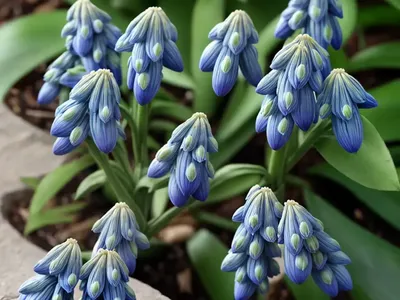
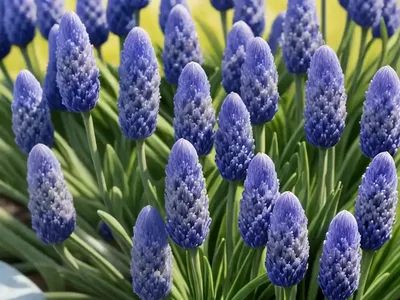
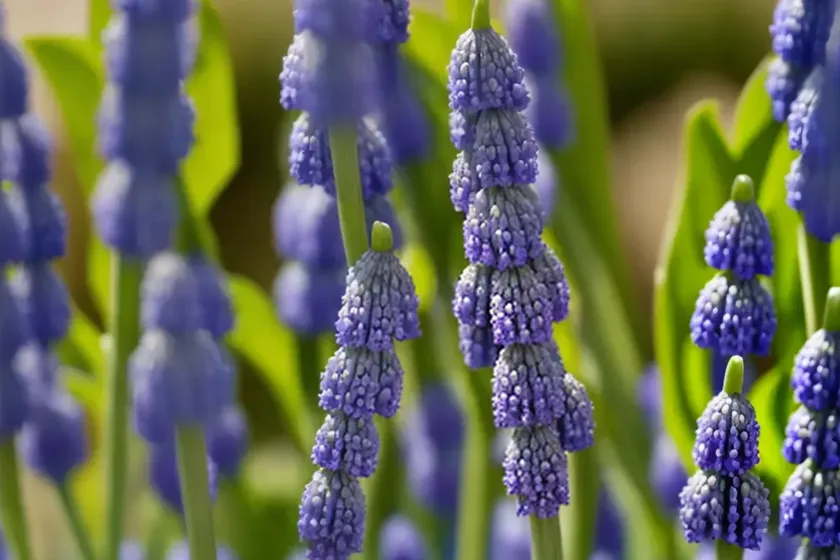
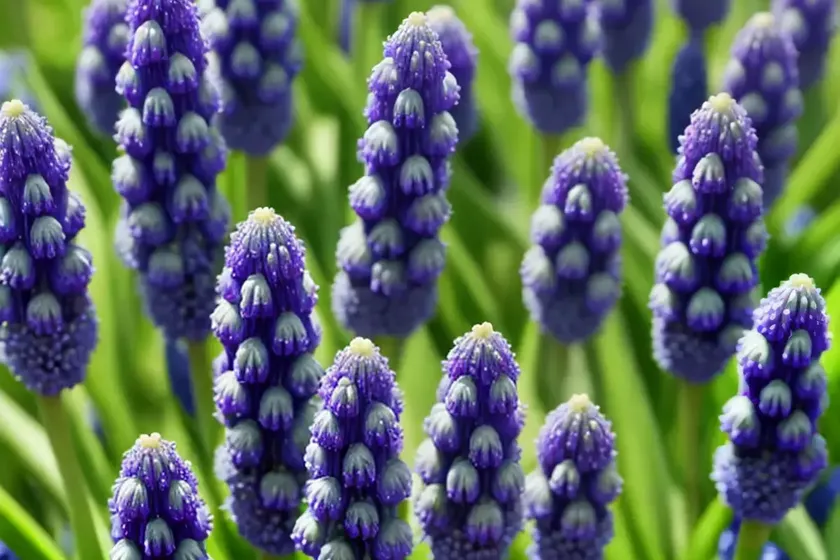
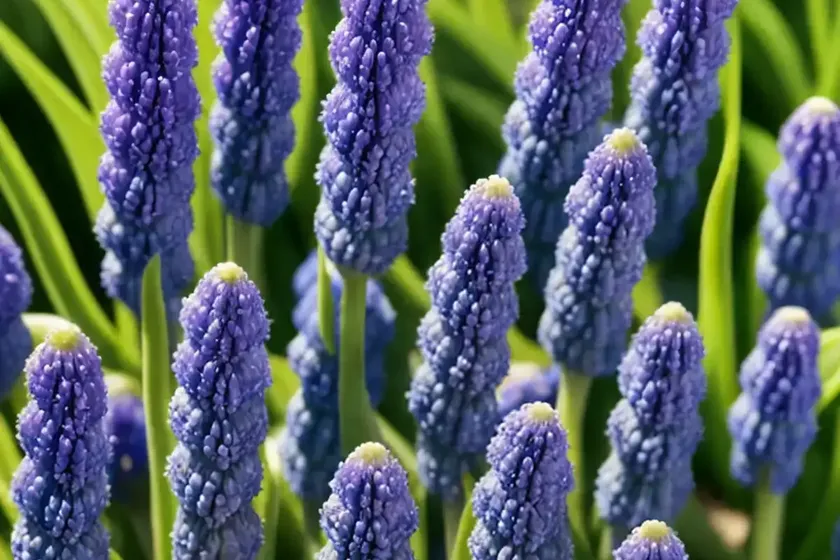
Muscari aucheri ‘Mount Hood’, commonly known as Grape Hyacinth, is a species of flowering plant in the Asparagaceae family. This perennial bulbous plant is native to the Caucasus region of Eurasia. It is characterized by its striking blue, grape-like flower clusters that appear in early spring, adding a splash of vibrant color to the garden landscape. The delicate fragrance and the ability to naturalize make it a popular choice for both casual and avid gardeners.
The plant typically reaches a height of 6 to 8 inches (15 to 20 cm) and spreads to form attractive, dense clumps. Its compact size and low maintenance requirements make it suitable for various garden settings, from rock gardens to borders and containers.
Key Takeaways – Muscari aucheri ‘Mount Hood’
Before we dive deeper into the specifics of Muscari aucheri ‘Mount Hood’, let’s take a quick look at some of the key takeaways regarding this captivating plant:
- Classification: Muscari aucheri ‘Mount Hood’
- Common Name: Grape Hyacinth
- Family: Asparagaceae
- Flower Color: Blue
- Blooming Season: Spring
- Plant Type: Perennial bulb
- Fragrance: Sweet, grape-like scent
- Uses: Ornamental, landscaping, container gardening
- Special Features: Low maintenance, deer-resistant, attracts pollinators
Now that we have an overview of the plant, let’s explore its culture, uses, and care requirements in detail.
Culture
Water
Grape Hyacinths, including the Muscari aucheri ‘Mount Hood’ variety, have moderate water needs. It is essential to provide regular watering, especially during the growing season and when the plant is actively blooming. However, it is equally important to ensure that the soil is well-draining to prevent waterlogging, which can lead to bulb rot. Once the plant has finished flowering and the foliage begins to die back, the watering can be gradually reduced as the plant enters dormancy.
Sunlight
These spring-blooming beauties thrive in full sun to partial shade. In regions with hot summers, providing afternoon shade can be beneficial to prevent the bulbs from overheating. When grown in partial shade, the flower clusters may not be as dense, but the plant still maintains its charm and beauty.
Fertilizer
Grape Hyacinths are not heavy feeders, and excessive fertilization can lead to lush foliage at the expense of flowers. A balanced, slow-release fertilizer applied in early spring as new growth emerges can help support healthy blooms. Additionally, incorporating organic matter into the soil during planting or as a top dressing can provide the necessary nutrients for the plant’s growth.
Soil
Well-draining soil is crucial for the successful cultivation of Grape Hyacinths. A loamy, sandy soil with good drainage is ideal for preventing waterlogging and ensuring the health of the bulbs. Additionally, slightly acidic to neutral soil pH levels (6.0-7.0) are suitable for this plant. Amending heavy clay soil with organic matter can improve its drainage and texture, creating a conducive environment for the bulbs.
Pruning
After the blooming period, the spent flower spikes can be deadheaded to divert the plant’s energy back into the bulbs for the following year’s blooms. However, it is important to allow the foliage to senesce and yellow naturally before removing it. This process allows the plant to replenish the energy reserves in the bulbs, ensuring robust growth and blooms in the subsequent year. Once the foliage has completely withered, it can be gently removed from the plant.
Propagation
Grape Hyacinths can be propagated through several methods, including division of bulbs and from seed.
-
Division: Established clumps of Grape Hyacinth can be dug up in late summer or early autumn, and the individual bulbs can be carefully separated. These divisions can then be replanted in suitable locations, where they will establish and multiply over time.
-
Seeds: While Grape Hyacinths can produce viable seeds, they may not come true to type and may take several years to reach flowering maturity. Nevertheless, collecting and sowing mature seeds in well-prepared soil can yield new plants, adding to the charm of the garden.
Container Popularity
The compact size and visual appeal of Grape Hyacinths make them popular choices for container gardening. Whether grown in individual pots or combined with other spring-blooming bulbs, they bring a delightful touch of color and fragrance to patios, balconies, and other outdoor spaces.
It is crucial to choose well-draining containers and use a quality potting mix to ensure healthy growth. Additionally, containers offer the advantage of being able to control the growing environment, making it easier to meet the specific needs of the plant.
Uses
Ornamental
One of the primary uses of Muscari aucheri ‘Mount Hood’ is for ornamental purposes. Whether mass planted in borders, naturalized in grassy areas, or used as edging plants, the vibrant blue flowers of Grape Hyacinth create a stunning visual impact. They pair beautifully with early spring bloomers such as daffodils and tulips, enhancing the overall effect of a spring garden display.
Landscaping
Grape Hyacinths are valued for their ability to naturalize and multiply, making them well-suited for landscaping projects that aim to create sustainable, low-maintenance gardens. Their adaptability to various soil and light conditions, coupled with their resistance to deer and other pests, renders them an excellent choice for adding color and texture to landscapes.
Container Gardening
The charming, compact nature of Grape Hyacinths makes them ideal candidates for container gardening. Whether planted in individual pots or combined with other spring-flowering bulbs, they brighten up outdoor living spaces and bring the sights and scents of spring closer to home.
Common Diseases
Like any plant, Grape Hyacinths are susceptible to certain diseases, and understanding these potential issues is crucial for effective management.
-
Botrytis Rot: This fungal disease can affect the foliage and flowers, causing them to become discolored and mushy. Practicing good sanitation and ensuring proper air circulation can help prevent the onset of Botrytis rot.
-
Basal Rot: Caused by various soil-borne pathogens, basal rot affects the basal plate of the bulbs, leading to decay and stunted growth. Planting bulbs in well-draining soil and avoiding excessive moisture can mitigate the risk of basal rot.
-
Pest Infestations: While not a disease, pest infestations by creatures such as bulb mites and narcissus bulb flies can damage the bulbs and foliage. Implementing integrated pest management practices and monitoring the plants regularly can help in early detection and control of pests.
Disease Diagnosis
Diagnosing diseases in Grape Hyacinths involves observing the plants for symptoms such as discolored or distorted foliage, wilting, and decay. If disease symptoms are observed, it is essential to take prompt action to prevent the spread and minimize the impact on the plants. Consulting with local gardening experts or horticulturists can provide valuable insights into disease diagnosis and management strategies specific to the region.
Common Pests
While Grape Hyacinths are relatively resistant to most pests, they may occasionally encounter issues with:
-
Bulb Mites: These tiny pests can infest the bulbs, causing damage and affecting the plant’s vitality. Preventative measures such as inspecting bulbs before planting and opting for disease-free, high-quality bulbs can help mitigate the risk of bulb mite infestations.
-
Narcissus Bulb Flies: The larvae of these flies feed on the bulbs, leading to weakened plants and reduced flowering. Monitoring the plants for signs of infestation and implementing appropriate control measures can help protect the bulbs from damage.
Botanist’s Tips
As a plant scientist deeply familiar with the cultivation of Grape Hyacinths, I would like to share some valuable tips for successful growth and enjoyment of this delightful plant:
-
Planting Depth: When planting Grape Hyacinth bulbs, ensure that they are placed at a depth of approximately 3 to 4 inches (7.5 to 10 cm) in well-draining soil. Adequate planting depth is essential for the proper development and protection of the bulbs.
-
Naturalizing: Grape Hyacinths have a naturalizing tendency, where they spread and form dense clusters over time. Embracing this characteristic can create stunning displays in the garden, especially when planted en masse.
-
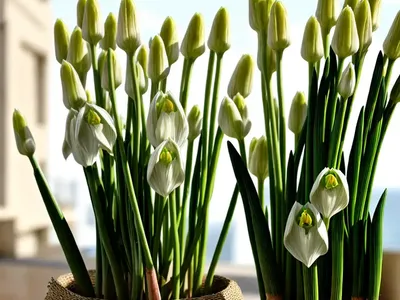
Companion Planting: Consider companion planting with early spring bloomers such as daffodils, tulips, and snowdrops to create visually appealing combinations and extend the flowering season.
-
Mulching: Applying a layer of organic mulch around the plants can help conserve soil moisture, suppress weed growth, and provide insulation to the bulbs, particularly in regions with fluctuating winter temperatures.
-
Deadheading: Regular deadheading of spent blooms can help maintain the plant’s appearance and redirect its energy towards bulb development and future flowering.
-
Drought Tolerance: While Grape Hyacinths benefit from adequate moisture, they demonstrate a degree of drought tolerance once established. However, during prolonged dry spells, supplemental watering may be necessary to support healthy growth and flowering.
Fun Facts
- The genus name “Muscari” is derived from the Greek word “muschos,” which means musk, alluding to the plant’s fragrant flowers.
- Grape Hyacinths are often associated with themes of abundance and rebirth in various cultures and have been cultivated for centuries in gardens around the world.
- The blue flowers of Muscari aucheri ‘Mount Hood’ are often likened to clusters of tiny grapes, giving rise to the common name “Grape Hyacinth.”
Links to External Resources
For additional information on Muscari aucheri ‘Mount Hood’ and related topics, you may find the following resources valuable:
- Royal Horticultural Society (RHS) – Muscari aucheri ‘Mount Hood’
- American Horticultural Society (AHS) – Growing Bulbs
- University of California Integrated Pest Management (UC IPM) – Diseases of Bulbs
- National Gardening Association – Container Gardening Guide
By exploring these resources, you can gain further insights into the cultivation, care, and appreciation of Grape Hyacinths. Additionally, local botanical gardens, horticultural societies, and extension offices often provide valuable information tailored to specific regions and climates.
In conclusion, Muscari aucheri ‘Mount Hood’ or Grape Hyacinth is a captivating and versatile plant that enriches gardens with its beauty and fragrance. Whether grown in borders, containers, or naturalized in landscapes, it continues to charm and delight gardeners and admirers alike. By understanding its cultural requirements, uses, and the nuances of its care, we can fully appreciate and celebrate the enduring appeal of this spring-flowering gem.
As a plant scientist, I encourage you to explore the world of Muscari aucheri ‘Mount Hood’ and discover the joy of cultivating these enchanting perennial bulbs in your own garden. Happy gardening!