Red Mulberry (Morus Rubra)
The Red Mulberry, scientifically known as Morus rubra, is a species of mulberry native to eastern North America. It is a deciduous tree that belongs to the.
Introduction to Red Mulberry
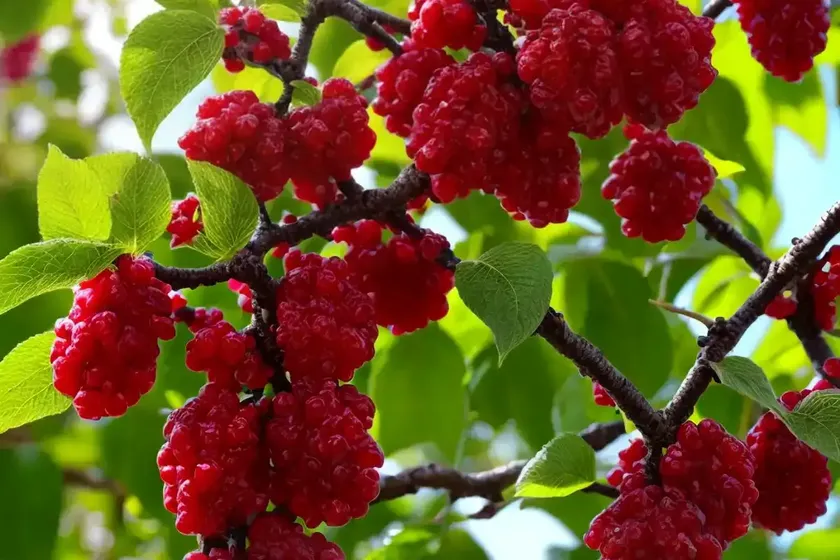
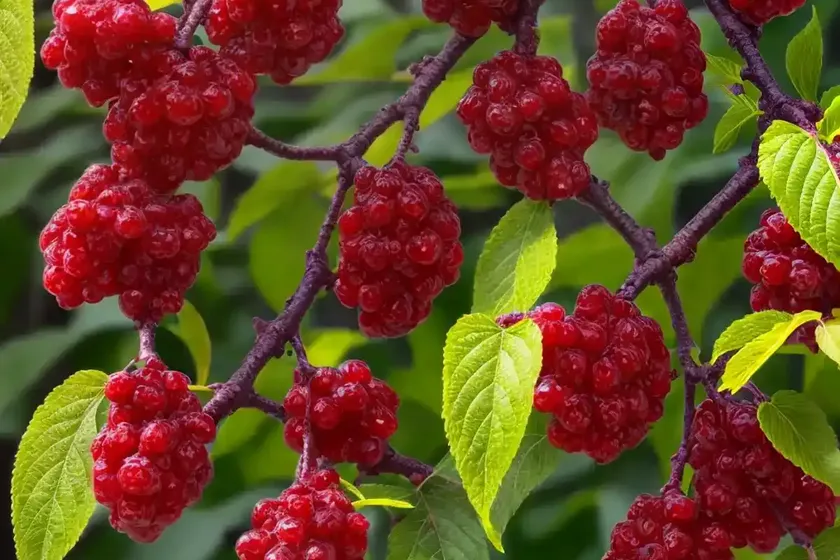
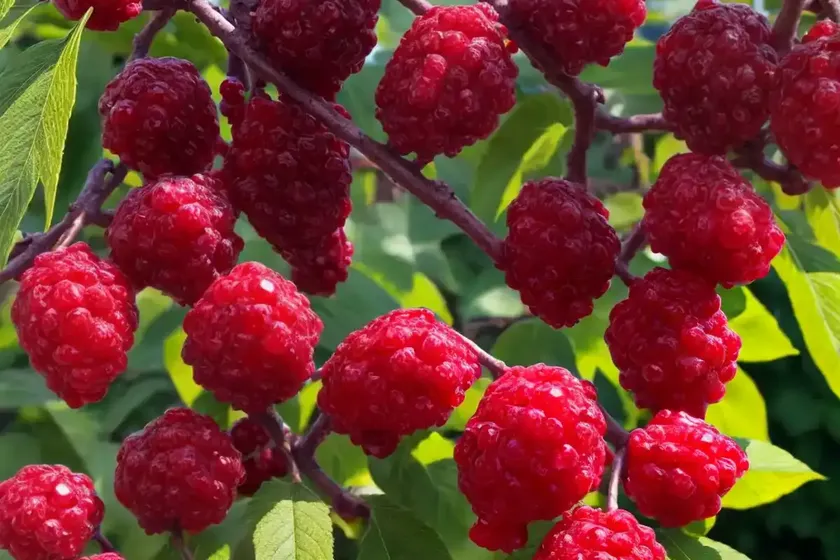
The Red Mulberry, scientifically known as Morus rubra, is a species of mulberry native to eastern North America. It is a deciduous tree that belongs to the Moraceae family, which also includes figs and breadfruit. The Red Mulberry is known for its delicious and nutritious fruits, as well as for its ornamental value in landscapes. In this comprehensive guide, we will explore the characteristics of the Red Mulberry tree, its cultivation, uses, care requirements, common diseases, and more.
Key Takeaways – Red Mulberry (Morus Rubra)
Culture
- The Red Mulberry tree is a native species to Eastern North America.
- It is a deciduous tree that can reach heights of 40 to 70 feet, with a spread of 35 to 50 feet.
- The Red Mulberry is known for its heart-shaped leaves and sweet, edible fruits.
Uses
- Red Mulberry fruits are edible and can be used in various culinary preparations, including jams, jellies, and pies.
- The tree is also valued for its ornamental appeal and can be planted as a shade tree in landscapes.
Water
- Red Mulberry trees prefer moist, well-drained soil. They should be watered regularly, especially during dry periods.
Sunlight
- Red Mulberries thrive in full sun to partial shade. They require at least 6 hours of direct sunlight daily for optimal growth and fruit production.
Fertilizer
- When necessary, a balanced, slow-release fertilizer can be applied in early spring to support the tree’s growth and fruit production.
Soil
- Red Mulberries grow best in fertile, loamy soil with good drainage. They can tolerate a range of soil types but prefer slightly acidic to neutral pH levels.
Pruning
- Pruning Red Mulberry trees is essential to maintain their shape, improve air circulation, and remove dead or diseased branches. Pruning should be done during the dormant season.
Propagation
- Red Mulberries can be propagated from seeds, cuttings, or by grafting. However, propagation from seeds may result in variations in fruit quality.
Container Popularity
- While Red Mulberries can be grown in containers, they require adequate space for their roots and may not thrive as well as when planted in the ground.
Container Common Diseases
- Red Mulberries can be susceptible to diseases such as powdery mildew, leaf spot, and rust, especially in conditions of high humidity and poor air circulation.
Disease Diagnosis
- Proper diagnosis of diseases in Red Mulberries is essential to implement targeted control measures, which may include fungicidal sprays and cultural practices.
Common Pests
- Red Mulberry trees may attract pests such as scale insects, caterpillars, and spider mites. Regular monitoring and appropriate pest management are essential for tree health.
Botanist’s Tips
- When growing Red Mulberry trees, it is important to select disease-resistant varieties and provide proper care, including watering, fertilization, and pruning.
Fun Facts
- The Red Mulberry tree is an important food source for wildlife, including birds and small mammals, which feed on its fruits.
- The leaves of the Red Mulberry serve as food for the caterpillars of several species of Lepidoptera.
Now that we have covered the key takeaways, let’s delve deeper into the specifics of Red Mulberry cultivation, care, and maintenance.
Red Mulberry Cultivation
The cultivation of Red Mulberries involves various aspects, including soil preferences, water requirements, sunlight exposure, and much more. Understanding these factors is crucial for successfully growing and maintaining healthy Red Mulberry trees.
Soil Preferences
Red Mulberry trees thrive in fertile, well-drained soil. While they can tolerate a range of soil types, they prefer loamy soil with a slightly acidic to neutral pH level. The soil should have good drainage to prevent waterlogging, which can lead to root rot. Ensure that the planting site has soil that meets these preferences to provide an optimal growing environment for the Red Mulberry tree.
Water Requirements
Proper watering is essential for the health and productivity of Red Mulberry trees. These trees prefer moist soil, especially during their active growth periods. Regular watering, especially during dry spells, is important, but it’s equally crucial to ensure that the soil does not become waterlogged, as this can adversely affect the tree’s roots. Mulching around the base of the tree can help retain soil moisture and reduce weed competition.
Sunlight Exposure
Red Mulberry trees require full sun to partial shade for optimal growth and fruit production. They should receive at least 6 hours of direct sunlight daily. Inadequate sunlight can result in reduced fruit yield and poor overall growth. When selecting a planting site for Red Mulberries, ensure that it offers the necessary sunlight exposure for the trees.
Fertilization
While Red Mulberry trees can grow in nutrient-poor soils, fertilization can help support their growth and fruit production. A balanced, slow-release fertilizer can be applied in early spring, as new growth begins. Avoid over-fertilizing, as this can lead to excessive vegetative growth at the expense of fruit production.
Pruning
Proper pruning is important for maintaining the health, shape, and productivity of Red Mulberry trees. Pruning during the dormant season can help remove dead or diseased branches, improve air circulation, and manage the tree’s size. It is recommended to prune mature Red Mulberry trees in late winter, while young trees can be pruned in early spring.
Propagation
Red Mulberries can be propagated from seeds, cuttings, or by grafting. When propagating from seeds, it’s important to note that the resulting trees may exhibit variations in fruit quality and characteristics. Propagation from cuttings or grafting allows for the preservation of desirable traits from selected parent trees. Selecting the appropriate propagation method depends on the specific goals and resources of the grower.
Red Mulberry Tree Care
Proper care and maintenance practices are essential for ensuring the health and longevity of Red Mulberry trees. From disease resistance to potential problems and landscape uses, understanding the various aspects of tree care is crucial for successful cultivation.
Disease Resistance
Selecting disease-resistant Red Mulberry varieties or species can help mitigate potential disease issues. Red Mulberries can be susceptible to diseases such as powdery mildew, leaf spot, and rust, especially in conditions of high humidity and poor air circulation. Regular monitoring and proper care, including adequate pruning and maintenance of soil moisture, can contribute to disease prevention.
Potential Problems
Red Mulberry trees may encounter various issues, including pests, diseases, and environmental stressors. Identifying and addressing these problems promptly is vital for maintaining the overall health and productivity of the trees. Regular inspection and monitoring can help identify potential problems early, allowing for timely intervention and resolution.
Landscape Uses
In addition to their value as fruit-bearing trees, Red Mulberries are valued for their ornamental appeal in landscapes. Their heart-shaped leaves, attractive growth habit, and delicious fruits make them a desirable addition to gardens, parks, and residential landscapes. When incorporating Red Mulberry trees into landscape designs, consider their mature size and ensure they have adequate space to thrive.
Red Mulberry Tree: Common Diseases and Pests
Red Mulberry trees, like many other plant species, can be vulnerable to certain diseases and pests. Understanding these potential challenges and their management is crucial for maintaining healthy and productive trees.
Common Diseases
Powdery Mildew
- Powdery mildew is a fungal disease that can affect Red Mulberry trees, causing a powdery white coating on leaves and other plant parts. It thrives in warm, dry conditions and can lead to leaf distortion and reduced photosynthesis. Fungicidal sprays and cultural practices, such as improving air circulation, can help manage powdery mildew.
Leaf Spot
- Leaf spot diseases, caused by various fungi, can lead to the development of dark spots on Red Mulberry leaves. In severe cases, defoliation and reduced tree vigor may occur. Proper sanitation, including the removal of infected plant material, and fungicidal treatments can help manage leaf spot diseases.
Rust
- Rust diseases can manifest as orange to reddish-brown pustules on Red Mulberry leaves, stems, and fruit. These fungal diseases can lead to premature leaf drop and reduced fruit quality. Fungicidal sprays and proper sanitation are important for managing rust and preventing its spread.
Disease Diagnosis
Accurate diagnosis of diseases affecting Red Mulberry trees is essential for implementing targeted control measures. Visual inspection of symptoms, combined with laboratory analysis if necessary, can aid in identifying the specific pathogens responsible for the diseases. Once diagnosed, appropriate treatment and management strategies can be employed to mitigate the impact of the diseases.
Common Pests
Scale Insects
- Scale insects can infest Red Mulberry trees, feeding on sap and causing leaf yellowing, stunted growth, and premature leaf drop. Control measures for scale insects may include introducing natural predators, such as ladybugs, or using horticultural oils to manage infestations.
Caterpillars
- Caterpillars of various moth species can feed on Red Mulberry leaves, leading to defoliation and reduced tree vigor. Bacillus thuringiensis (Bt) products and manual removal of caterpillars can be effective in managing infestations.
Spider Mites
- Spider mites are tiny arachnids that can cause stippling and discoloration of Red Mulberry leaves as they feed on plant fluids. Spraying trees with water and using insecticidal soaps can help control spider mite populations and prevent their damage.
Proper monitoring, early intervention, and integrated pest management practices are crucial for preventing and managing pest infestations on Red Mulberry trees.
Botanist’s Tips for Red Mulberry Tree Care
As a plant scientist, I cannot emphasize enough the importance of proper care and maintenance practices when it comes to cultivating Red Mulberry trees. Here are some valuable tips to ensure the health and vitality of these beautiful and productive trees.
Select Disease-Resistant Varieties
When planning to grow Red Mulberry trees, opt for disease-resistant varieties or species whenever possible. Disease resistance can significantly reduce the likelihood of pest and disease problems while promoting the overall health and productivity of the trees.
Provide Adequate Water and Nutrients
Consistent watering, especially during dry periods, is essential for supporting the growth and fruit production of Red Mulberry trees. Additionally, providing a balanced, slow-release fertilizer in early spring can ensure that the trees receive the necessary nutrients for their growth and development.
Prune Regularly
Regular pruning is important for maintaining the shape, health, and productivity of Red Mulberry trees. Remove any dead, diseased, or crossing branches to improve air circulation and minimize potential disease issues. Proper pruning also helps manage the size of the tree and promote fruit production.
Monitor for Pests and Diseases
Regular monitoring of Red Mulberry trees for signs of pests and diseases is crucial for early intervention and effective management. Promptly address any issues that arise to prevent them from escalating and impacting the overall health of the trees.
Enjoy the Fruits of Your Labor
Red Mulberry trees bear delicious and nutritious fruits that can be used in a variety of culinary creations. From jams and pies to fresh fruit snacks, savor the bountiful harvest that these trees provide while also supporting local wildlife with a valuable food source.
Fun Facts about Red Mulberry Trees
While we have covered various aspects of Red Mulberry cultivation and care, let’s take a moment to appreciate some intriguing and noteworthy facts about these remarkable trees.
- The Red Mulberry tree serves as an important food source for wildlife, including birds and small mammals, which feed on its sweet, nutritious fruits.
- Several species of Lepidoptera, including butterflies and moths, rely on the leaves of Red Mulberry trees as a primary food source for their caterpillars.
- The wood of Red Mulberry trees has been historically used in the making of furniture, barrels, and other wooden products due to its attractive grain and durability.
- The Red Mulberry tree has been part of various folklore and myths, symbolizing resilience, abundance, and the cycle of life in different cultures and traditions.
- When properly cared for, Red Mulberry trees can live for several decades, enriching landscapes and providing valuable ecosystem benefits.
Links to External Resources
For further exploration of Red Mulberry trees, their cultivation, and their diverse uses, I recommend the following resources:
- USDA Plants Database – Morus rubra
- Missouri Botanical Garden – Morus rubra
- The American Chestnut Foundation – Red Mulberry
- University of Florida IFAS Extension – Red Mulberry
In conclusion, the Red Mulberry tree, with its delectable fruits, ornamental beauty, and cultural significance, holds a special place in the realm of plants. By understanding and embracing its cultivation, care, and unique attributes, we can further appreciate and celebrate the contributions of the Red Mulberry to our landscapes and lives.
Remember, whether planting a single tree or establishing a grove, the Red Mulberry has much to offer in its growth, fruits, and enduring presence. Happy gardening, and may the Red Mulberry enrich your green spaces with its grace and abundance.


