Wormwood (Artemisia Capillaris)
Wormwood, scientifically known as Artemisia capillaris, is a plant that belongs to the Asteraceae family. With a long history of medicinal and cultural.
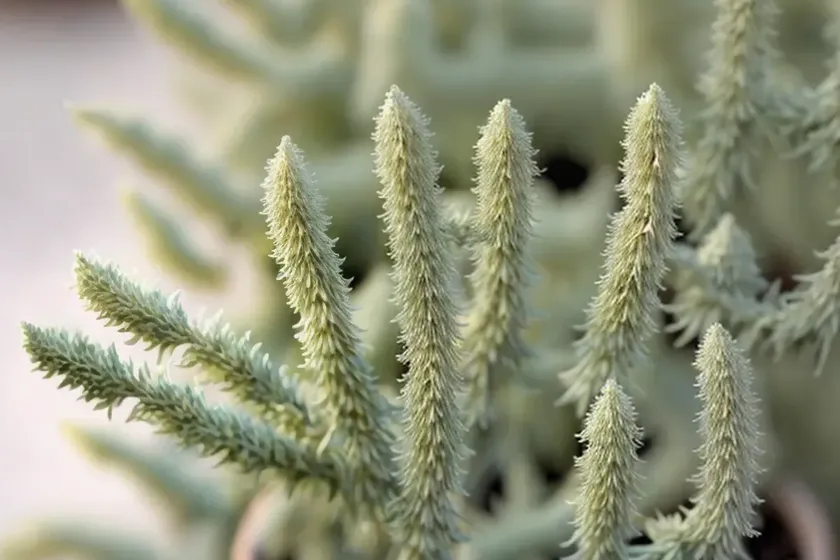
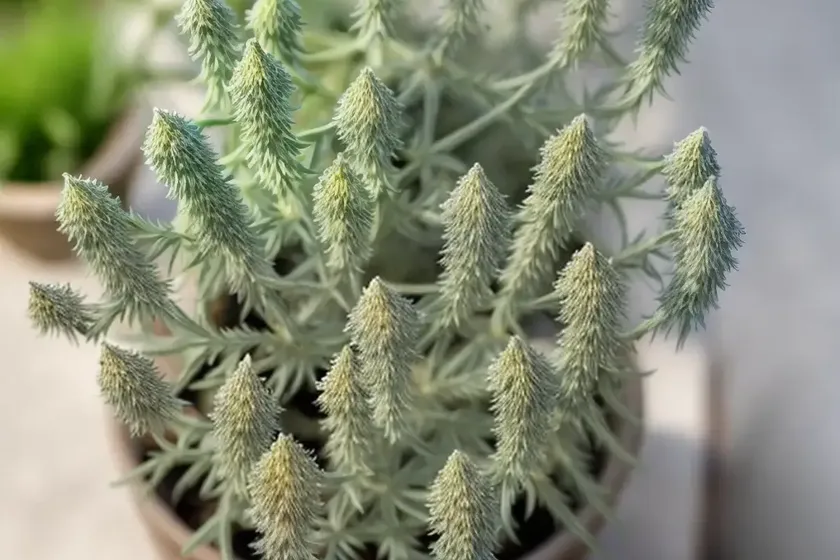
Wormwood, scientifically known as Artemisia capillaris, is a plant that belongs to the Asteraceae family. With a long history of medicinal and cultural uses, this herbaceous perennial has gained popularity across various traditions and continues to hold an essential place in today’s herbal remedies and alternative therapies. In this comprehensive guide, we will explore the various aspects of wormwood, including its culture, uses, care requirements, and the numerous health benefits it offers.
What is Wormwood (Artemisia capillaris)?
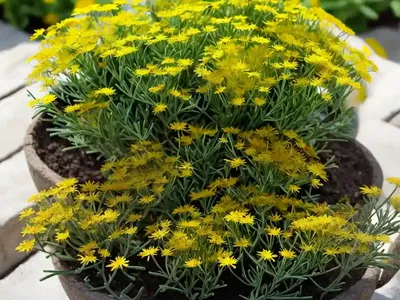
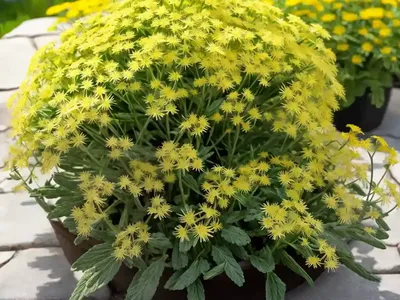
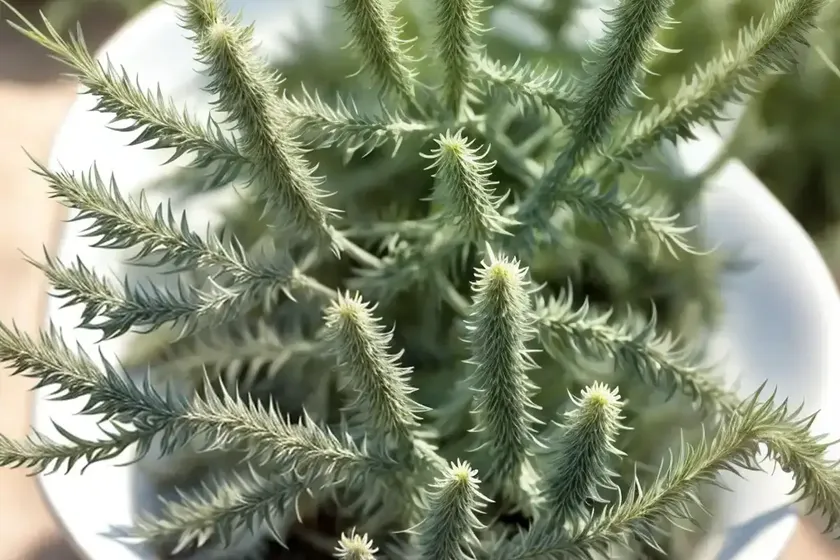
Artemisia capillaris, commonly referred to as wormwood, is a perennial herb native to East Asia and parts of Siberia. It is known for its delicate, lacy foliage and its use in traditional medicine and culinary applications. The plant typically grows to a height of 30 to 100 centimeters and is characterized by its finely divided, fern-like leaves.
Key Takeaways
Wormwood (Artemisia capillaris)
- Belongs to the Asteraceae family
- Native to East Asia and parts of Siberia
- Known for its delicate, lacy foliage
- Utilized in traditional medicine and culinary applications
Culture
Understanding the cultural preferences of wormwood is essential for successfully growing and maintaining this plant. Let’s delve into its cultural requirements.
Water
Wormwood is a drought-tolerant plant and prefers well-draining soil. It should be watered deeply but infrequently, allowing the soil to dry out between waterings. Overwatering can lead to root rot and other issues, so it is crucial to strike a balance in watering the plant.
Sunlight
Ideally, wormwood should be planted in full sun. It thrives in bright, direct sunlight and requires a minimum of six hours of sunlight daily to grow optimally.
Soil
This plant prefers moderately fertile, well-draining soil. A sandy loam or gritty soil mix would suit its requirements well, ensuring that excess water is not retained around its roots.
Uses
Wormwood possesses a diverse range of uses, from medicinal applications to culinary and cultural significance. Understanding its various uses provides valuable insights into how this plant can be incorporated into different aspects of life.
Medicinal Uses
Wormwood has a long history of use in traditional medicine. It is renowned for its potent therapeutic properties, and extracts from the plant have been utilized to address a myriad of health concerns. The key medicinal uses of wormwood include:
- Digestive Health: Known for its potential in supporting digestive health and alleviating digestive discomfort.
- Liver Detoxification: Traditionally used to support liver health and promote detoxification.
- Antiparasitic Effects: Believed to have properties that can help combat certain parasites in the body.
- Respiratory Health: Used to address respiratory issues and promote overall respiratory wellness.
Culinary Applications
In culinary practices, wormwood is often used sparingly due to its strong, somewhat bitter flavor. It is utilized in the production of certain alcoholic beverages and as a flavoring agent in various cuisines.
Cultural Significance
Beyond its medicinal and culinary uses, wormwood holds cultural significance in different regions. It has been integrated into traditional rituals and ceremonies, symbolizing purification and protection in some cultures.
Plant Care Guide
Successfully cultivating wormwood at home requires careful attention to its specific care requirements. Let’s explore the essential guidelines for growing and maintaining this plant.
Soil
As previously mentioned, wormwood thrives in well-draining, sandy loam or gritty soil. A pH level of 6.0 to 8.0 is ideal for its growth. Amending the soil with organic matter can also be beneficial.
Watering
Wormwood is drought-tolerant and does not thrive in excessively moist conditions. To maintain a healthy balance, water the plant deeply but infrequently.
Sunlight
Providing ample sunlight is crucial for the optimal growth of wormwood. Ensure the plant is situated in a location that receives at least six hours of direct sunlight daily.
Fertilizer
Wormwood generally does not require heavy feeding. An application of a balanced, all-purpose fertilizer in spring can be beneficial for its growth.
Propagation
Wormwood can be propagated through various methods, including division, cuttings, and seed propagation.
Division
Dividing established clumps of wormwood in the early spring is a reliable method for propagating the plant. This allows for the creation of new, healthy plants from the existing root system.
Cuttings
Taking stem cuttings from an established wormwood plant and rooting them in a suitable growing medium can also result in successful propagation.
Seed Propagation
Sowing wormwood seeds in well-prepared soil in the spring is another viable approach to propagating this plant. Ensure that the soil is kept consistently moist until the seeds germinate.
Container Popularity
Wormwood is well-suited for container gardening and is popular among gardeners who appreciate its ornamental and culinary value.
Container Common Diseases
While wormwood is generally a resilient plant, it can be susceptible to certain diseases when grown in containers.
Disease Diagnosis
Common diseases that may affect wormwood in container environments include root rot, powdery mildew, and rust. It is important to monitor the plant for any signs of disease and take prompt action if symptoms are observed.
Common Pests
Wormwood may attract certain pests, including aphids, spider mites, and caterpillars. Regular inspection and appropriate pest control measures can help safeguard the plant from infestations.
Botanist’s Tips
Equipping yourself with valuable tips from botanists and experienced growers can enhance your understanding of wormwood and contribute to successful cultivation.
Fun Facts
- Wormwood has historical significance and is referenced in various ancient texts and cultural traditions.
- The plant’s name is derived from its traditional use as a deworming agent in livestock.
- Wormwood is closely related to other Artemisia species, including Artemisia absinthium, commonly known as absinthe.
Links to External Resources
For further reading on wormwood and related topics, the following resources can provide valuable insights:
- Artemisia capillaris benefits
- Uses of Artemisia capillaris
- Wormwood plant properties
- Healing properties of wormwood
- Artemisia capillaris medicinal uses
In conclusion, Artemisia capillaris, or wormwood, is a plant that offers a rich tapestry of cultural, culinary, and medicinal significance. By understanding its culture, uses, care requirements, and the valuable insights from botanists, enthusiasts can successfully grow and appreciate this remarkable plant.
Remember, when exploring the potential health benefits of wormwood, consulting with a healthcare professional is essential to ensure safe and appropriate usage. With careful attention to its needs and a deep appreciation for its historical and contemporary significance, wormwood can be a rewarding addition to any garden or herbal collection.