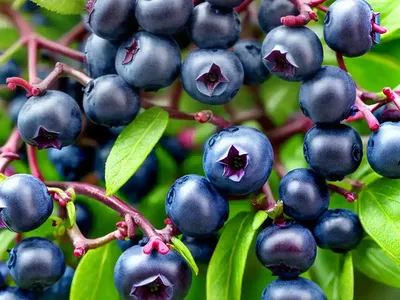
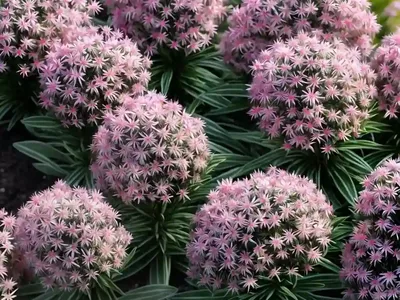
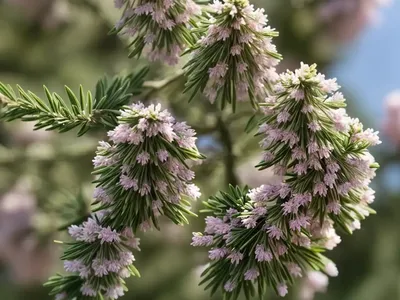
Mountain Laurel (Kalmia Latifolia)
Plants are an integral part of the natural world and play a vital role in maintaining the ecological balance. From providing food and shelter to.
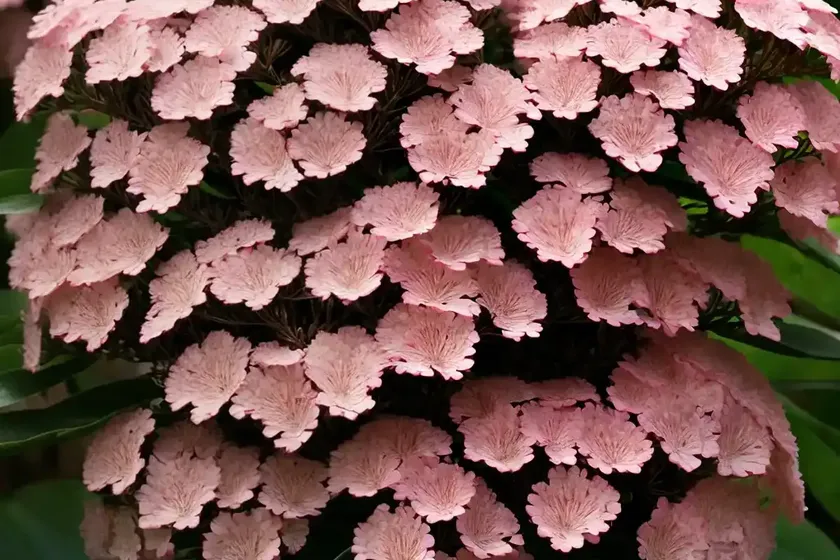
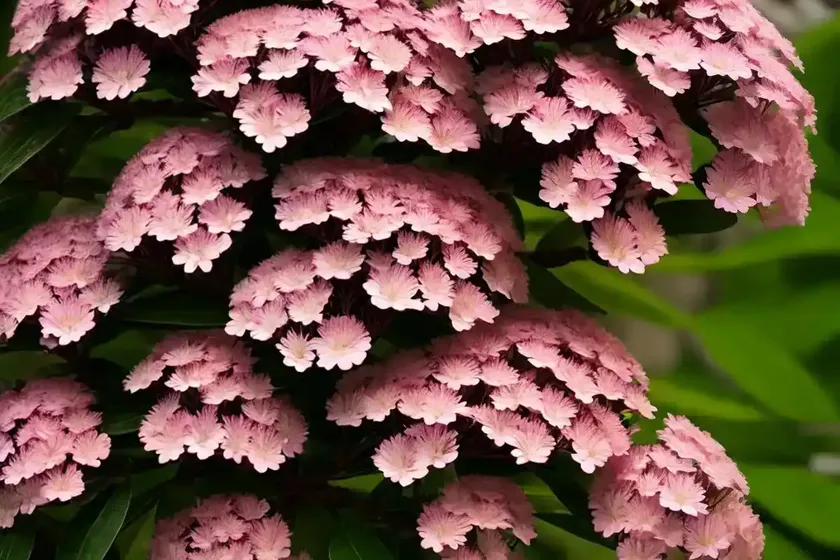
Plants are an integral part of the natural world and play a vital role in maintaining the ecological balance. From providing food and shelter to contributing to the aesthetic appeal of diverse landscapes, plants offer numerous benefits. Among the myriad plant species, the Mountain Laurel (Kalmia Latifolia) stands out for its exceptional characteristics, making it a favorite among plant enthusiasts and landscapers alike.
In this comprehensive guide, we will delve into the various aspects of the Mountain Laurel, from its cultural significance to its growth requirements and unique features. Whether you are a seasoned gardener or a beginner exploring the world of plants, this article aims to serve as a valuable resource, offering insights, care tips, and fascinating facts about the captivating Mountain Laurel.
What is Mountain Laurel (Kalmia Latifolia)?
The Mountain Laurel, scientifically known as Kalmia Latifolia, is an evergreen shrub belonging to the Ericaceae family. This species is endemic to the eastern United States, where it thrives in diverse habitats, including wooded areas, mountain slopes, and along the edges of forests. With its striking foliage and attractive blooms, the Mountain Laurel is renowned for its ornamental value, making it a popular choice for landscaping and garden cultivation.
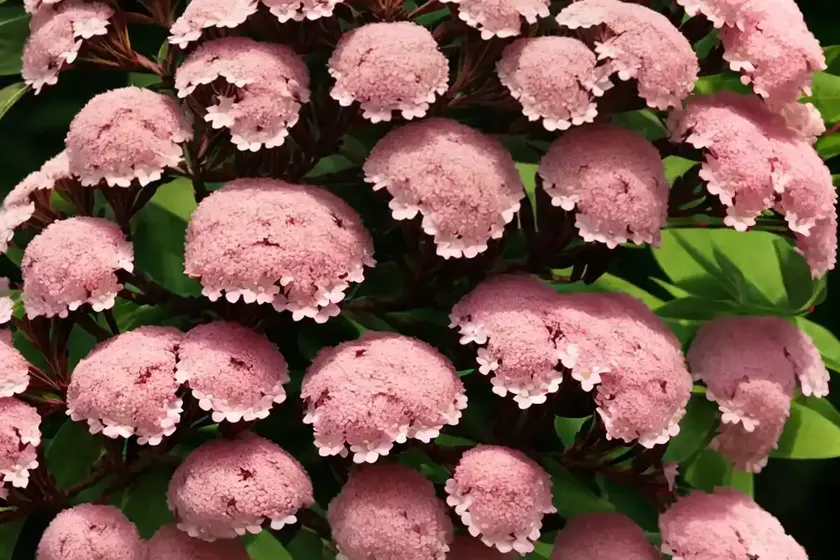
This exquisite plant features glossy, dark green leaves and produces clusters of delicate, cup-shaped flowers in varying shades of pink, white, or red. Its compact growth habit and long-lasting blooms contribute to its appeal as a garden centerpiece, attracting a wide array of pollinators and wildlife.
Key Takeaways – Mountain Laurel (Kalmia Latifolia)
Before delving into the specific aspects of cultivating and caring for the Mountain Laurel, it’s essential to understand the core characteristics and attributes that define this captivating plant. Let’s explore the key takeaways associated with Mountain Laurel, highlighting its cultural significance, uses, and primary growth requirements.
Culture
- Cultural Significance: The Mountain Laurel holds a significant place in the cultural heritage of the regions where it is native. It has been utilized in traditional medicine and folklore, and its striking beauty has inspired artists and poets for centuries.
Uses
- Ornamental Value: From garden borders and woodland settings to decorative containers, the Mountain Laurel is prized for its aesthetic appeal and is widely used in landscaping and horticulture.
- Wildlife Habitat: Its nectar-rich flowers attract hummingbirds, bees, and butterflies, while also serving as a food source for certain wildlife species.
Water
- Water Requirements: Mountain Laurel prefers moist, well-draining soil and benefits from regular watering, especially during dry spells. However, it exhibits good drought tolerance once established.
Sunlight
- Sun Requirements: While partial shade is ideal for Mountain Laurel, it can also thrive in dappled sunlight or full sun conditions, especially in cooler climates.
Fertilizer
- Fertilization: Minimal fertilization is generally recommended for Mountain Laurel. It thrives in nutrient-poor, acidic soils, and excessive fertilization may lead to adverse effects on plant health.
Soil
- Soil Preferences: Well-drained, acidic soils with ample organic matter are optimal for Mountain Laurel. It is essential to avoid alkaline or compacted soils, as they can impede the plant’s growth.
Pruning
- Pruning Practices: Pruning is primarily performed for shaping and removing dead or damaged branches. Light, occasional pruning after the flowering period helps maintain the plant’s form and vigor.
Propagation
- Propagation Methods: Mountain Laurel can be propagated from seeds, cuttings, or layering. Each method offers distinct advantages and requires specific techniques to ensure successful propagation.
Container Popularity
- Container Gardening: Due to its compact nature and ornamental value, Mountain Laurel is well-suited for container gardening, adding a touch of elegance to patios, decks, and urban spaces.
Common Diseases
- Disease Susceptibility: Mountain Laurel may be prone to certain fungal diseases, including leaf spot and powdery mildew, especially in humid conditions. Proper cultural practices and preventive measures are essential for disease management.
Common Pests
- Pest Management: While Mountain Laurel is relatively resistant to pests, occasional infestations by lace bugs and caterpillars may occur. Monitoring and timely intervention are vital for effective pest control.
Botanist’s Tips
- Expert Insights: Botanists recommend choosing suitable varieties based on the local climate and soil conditions, and emphasize the importance of understanding the plant’s natural habitat for successful cultivation.
Fun Facts
- Intriguing Trivia: Mountain Laurel has a fascinating history, and various folklore and anecdotes are associated with this charismatic plant. Exploring its folklore and historical significance adds to the allure of cultivating Mountain Laurel.
Mountain Laurel (Kalmia Latifolia) Characteristics
Mountain Laurel is renowned for its unique characteristics, encompassing its growth habit, foliage, flowers, and adaptability to diverse environmental conditions. Let’s explore the distinct attributes that contribute to the allure of this exceptional plant.
Plant Family
Mountain Laurel (Kalmia Latifolia) belongs to the Ericaceae family, which includes a diverse array of plants such as rhododendrons, blueberries, and cranberries. This family is characterized by its preference for acidic soils and its association with woodland and heath habitats.
Foliage
The plant showcases lustrous, leathery leaves with an elliptical shape, offering a rich, dark green color throughout the year. The evergreen foliage adds to the plant’s visual appeal, creating a vibrant backdrop for its exquisite flowers.
Flowers
One of the most distinctive features of Mountain Laurel is its showy, bell-shaped flowers that appear in late spring to early summer. The flowers are clustered in dense, spherical inflorescences and exhibit a wide range of colors, including shades of pink, white, and red, often with intricate patterns and markings.
Growth Habit
Mountain Laurel typically grows as a compact, multi-branched shrub, reaching heights of 5 to 15 feet, with a similar spread. Its slow growth rate and dense, bushy form make it an ideal choice for hedging, borders, and foundation plantings.
Adaptability
The plant demonstrates remarkable adaptability to various environmental conditions, including light shade, acidic soils, and moderate moisture levels. Its versatility makes it suitable for diverse landscaping applications, from woodland gardens to urban environments.
Wildlife Attraction
As a nectar-producing plant, Mountain Laurel attracts an array of pollinators, including bees, butterflies, and hummingbirds. Its role in supporting local ecosystems and facilitating biodiversity underscores its ecological significance.
Mountain Laurel (Kalmia Latifolia) Care
Caring for Mountain Laurel involves understanding its specific requirements and adopting suitable practices to ensure its health and vigor. From soil preferences to pruning techniques, let’s explore the essential aspects of Mountain Laurel care to facilitate successful cultivation and optimal growth.
Planting Tips
- Selecting Suitable Locations: Choose a site with dappled sunlight or partial shade, avoiding locations with intense afternoon sun. Opt for well-drained, acidic soils with adequate organic matter for optimal growth.
- Planting Depth: Ensuring that the root ball is level with the soil surface, carefully backfill the hole and water the plant thoroughly to promote establishment.
Water Requirements
- Regular Moisture: Provide consistent moisture, especially during the establishment phase and periods of drought. However, avoid waterlogged conditions, as excessive moisture can lead to root rot and other issues.
Sun Requirements
- Ideal Light Conditions: Provide partial shade to dappled sunlight for Mountain Laurel, particularly in warmer regions. Shield the plant from intense midday sun to prevent leaf scorch and maintain its vibrant foliage.
Fertilization
- Minimal Nutrient Needs: Mountain Laurel generally thrives in poor, acidic soils and requires minimal fertilization. Avoid high-nitrogen fertilizers and opt for organic amendments to maintain soil acidity.
Pruning Techniques
- Post-Flowering Pruning: Perform light pruning after the flowering period to remove spent blooms and shape the plant. Avoid heavy pruning, as Mountain Laurel benefits from its natural form and minimal intervention.
- Deadwood Removal: Regularly inspect the plant for dead or damaged branches and remove them to maintain plant health and aesthetics.
Soil Preferences
- Acidic Soil Conditions: Ensure the soil pH remains acidic, ideally within the range of 4.5 to 6.0, to support the plant’s nutrient uptake and overall vitality.
Winter Care
- Cold Hardiness: While Mountain Laurel is generally hardy, providing a layer of mulch and protecting the plant from harsh winter winds enhances its resilience during the winter months.
Drought Tolerance
- Water-Wise Adaptation: Once established, Mountain Laurel exhibits good drought tolerance, making it suitable for regions with sporadic rainfall or dry spells. Adequate mulching helps conserve soil moisture during dry periods.
Mountain Laurel (Kalmia Latifolia) Landscape Design
Incorporating Mountain Laurel into landscape designs offers a myriad of possibilities, ranging from incorporating it as a focal point to complementing it with companion plants. Understanding its growth habits and visual appeal is crucial in creating harmonious, enduring landscapes that showcase the plant’s inherent beauty.
Native Habitat
Mountain Laurel’s native habitat encompasses woodland areas, mountain slopes, and heathlands in the eastern United States. It thrives in the acidic, well-drained soils commonly found in these regions, contributing to their ecological diversity.
Varieties
- Cultivated Varieties: Numerous cultivars and selections of Mountain Laurel are available, offering a diverse range of flower colors and growth habits. Selecting suitable varieties enables tailored landscape designs and accentuates the visual impact of the plant.
- Compact Forms: Compact varieties are particularly well-suited for small gardens, urban landscapes, and container gardening, contributing to space-efficient designs without compromising ornamental value.
Companion Plants
- Woodland Ensembles: Combine Mountain Laurel with native woodland plants such as ferns, hostas, and astilbes to evoke a naturalistic, woodland garden aesthetic.
- Seasonal Accents: Pair Mountain Laurel with seasonal bloomers such as azaleas, rhododendrons, and ornamental grasses to create dynamic, visually appealing compositions throughout the year.
Fragrance and Visual Appeal
- Sensory Impact: Mountain Laurel’s subtle fragrance and visually captivating flowers enhance the overall sensory experience of garden landscapes, creating inviting and enchanting outdoor spaces.
Wildlife Attraction
- Ecological Harmony: Incorporating Mountain Laurel into wildlife-friendly gardens promotes biodiversity and encourages the presence of pollinators, contributing to the overall health of local ecosystems.
Landscape Focal Point
- Strategic Placement: Utilize Mountain Laurel as a focal point or anchor plant within garden beds and borders, drawing attention and creating visual interest within the landscape.
Mountain Laurel (Kalmia Latifolia): Fun Facts and Trivia
Unraveling the intriguing history, folklore, and ecological significance of Mountain Laurel adds a new dimension to appreciating this exceptional plant. From its medicinal uses to its symbolic connotations, the Mountain Laurel harbors a wealth of captivating stories and cultural associations.
Folklore and Symbolism
- Historical Significance: Mountain Laurel has been ingrained in various cultural traditions and folklore, symbolizing themes of love, protection, and resilience across different societies.
Medicinal Uses
- Traditional Remedies: Indigenous populations utilized parts of the plant in traditional medicine, attributing healing properties to specific plant components.
Historical Significance
- Cultural Relevance: Mountain Laurel has been mentioned in historical accounts, literature, and botanical records, reflecting its enduring appeal and impact across various historical periods.
Wildlife and Ecosystems
- Ecological Role: Beyond its ornamental value, Mountain Laurel plays an essential role in supporting local wildlife and ecosystems, contributing to the ecological balance of its native habitats.
Native American Heritage
- Cultural Traditions: Native American tribes revered Mountain Laurel for its diverse uses and symbolic significance, highlighting its significance in traditional practices and rituals.
Links to External Resources
For further exploration and in-depth information about Mountain Laurel (Kalmia Latifolia), consider referring to the following reputable sources and resources:
- Missouri Botanical Garden – Kalmia Latifolia
- The American Rhododendron Society
- University of Florida IFAS Extension – Mountain Laurel
- Virginia Tech – Mountain Laural Fact Sheet
In conclusion, the Mountain Laurel (Kalmia Latifolia) exemplifies the inherent beauty, cultural significance, and ecological value of native plant species. Its adaptability, visual appeal, and contributions to diverse landscapes make it a cherished addition to gardens, natural habitats, and urban green spaces. Understanding its unique characteristics, caring for its specific requirements, and appreciating its rich history all contribute to fostering a renewed appreciation for this captivating plant.
By incorporating the insights and tips presented in this guide, individuals and communities can embark on a journey to cultivate, conserve, and celebrate the enduring charm of the Mountain Laurel, creating enduring connections with the natural world and enriching the fabric of our shared environment.
Would you like to add more information on any specific aspect of Mountain Laurel (Kalmia Latifolia) or include additional resources for a detailed exploration?